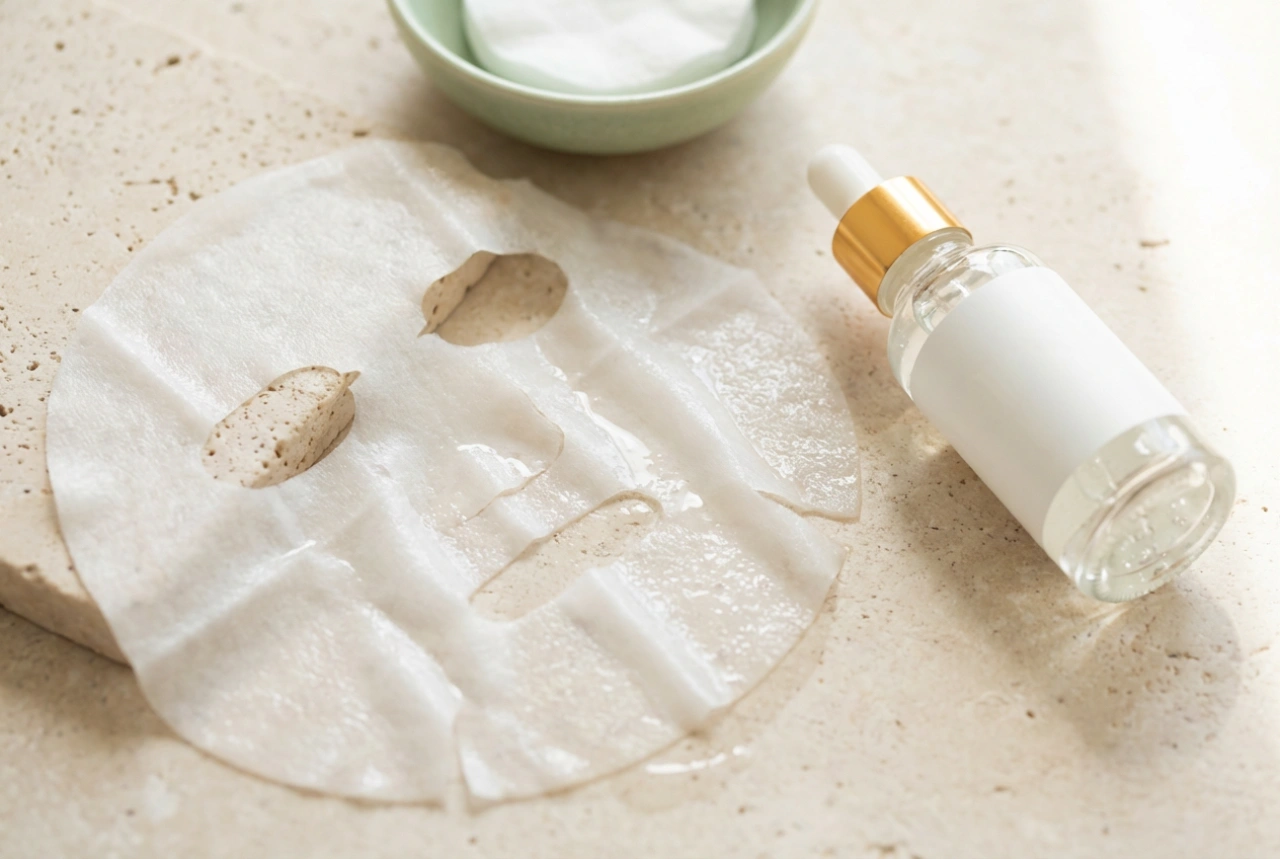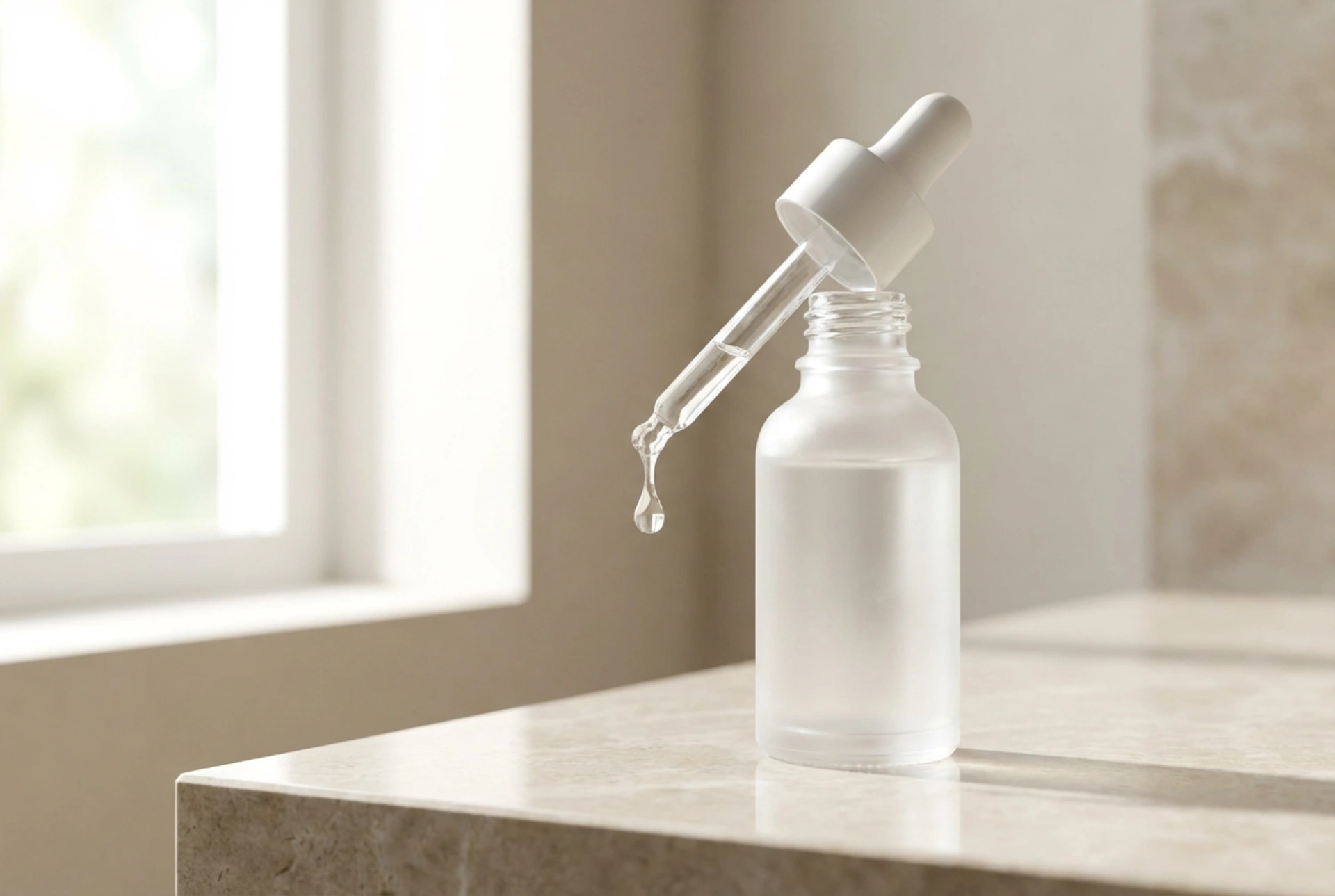


The elegant sight of a minimalist glass dropper bottle, containing a crystal-clear, hydrating serum, is a familiar staple on many modern vanity tables. That single, glistening dewdrop from the pipette represents one of the most celebrated rituals in contemporary skincare: intense hydration. At the heart of this sophisticated routine lies hyaluronic acid, a powerful humectant praised for its remarkable ability to bind moisture to the skin. However, to truly unlock the plumping and smoothing potential of this clear elixir, one must understand the precise science of application and the art of skincare layering.
Understanding Hyaluronic Acid: The Moisture Magnet
Hyaluronic acid is a naturally occurring substance in the human body, celebrated for its unique capacity to hold up to a thousand times its weight in water. In cosmetic formulations, it acts as a molecular sponge, drawing moisture from the surrounding environment and drawing it into the outer layers of the epidermis. This process instantly revitalises the complexion, smoothing out fine dehydration lines and leaving the skin with a healthy, plump appearance.
Unlike heavy oils or occlusive creams, a hydrating serum formulated with hyaluronic acid delivers weightless moisture. This makes it highly versatile and suitable for all skin types, from dry and sensitive to oily and combination complexions. Because it mimics the skin’s natural hydrating agents, it rarely causes irritation, making it an essential foundation for a gentle and universal skincare regimen.
The Golden Rules of Application
To achieve the best results from your hydrating serum, the method of application is just as important as the formula itself. Many people treat serums like traditional moisturisers, but hyaluronic acid requires a specific technique to perform optimally.
- Apply to damp skin: This is the absolute golden rule of hyaluronic acid. Since it acts as a humectant, it needs moisture to grab onto. Applying it to a bone-dry face can actually draw moisture out from the deeper layers of your skin, leading to more dryness. Always mist your face with water or a gentle floral hydrosol before application.
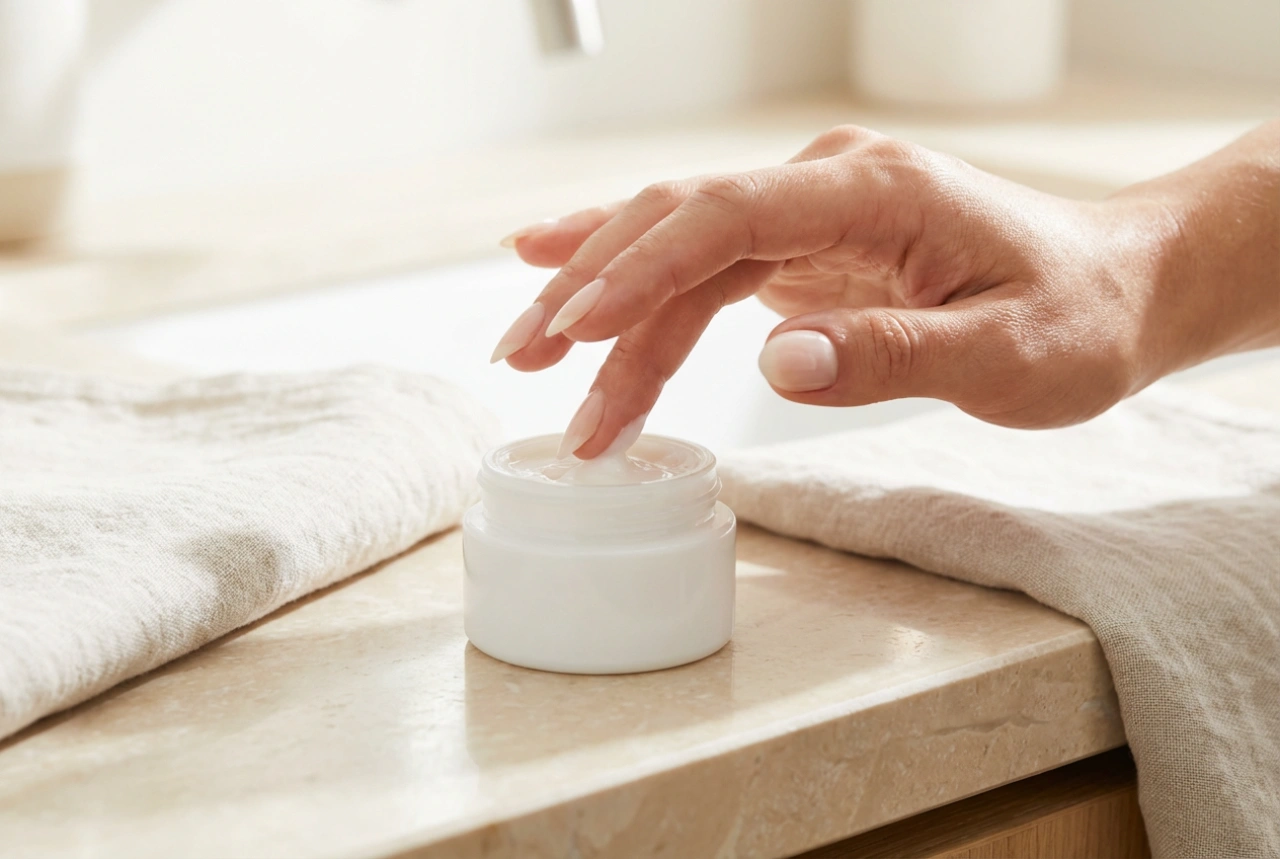
- Use the press-and-pat method: Instead of rubbing the serum vigorously into your skin, gently press and pat the fluid into your face and neck using clean palms. This ensures even distribution without tugging at the delicate skin tissue.
- A little goes a long way: Two to three drops from the pipette are generally sufficient for the entire face and neck. Using too much product can leave a sticky residue that may pill when other skincare products are layered on top.
The Art of Layering: Where Does Serum Fit In?
Skincare layering relies on a simple rule of thumb: applying products from the thinnest consistency to the thickest. Because a hydrating serum is typically lightweight and water-based, it should be applied early in your routine to ensure direct contact with the epidermis.
A standard morning or evening ritual should ideally follow this sequence:
- Cleansing: Start with a gentle cleanser to remove impurities, creating a clean canvas for your hydrating products.
- Toning or Misting: Spritz a hydrating toner or face mist to dampen the skin, preparing it to receive the humectant serum.
- Hydrating Serum: Apply your hyaluronic acid serum while the skin is still noticeably damp, pressing it gently into the face.
- Moisturising: This is a crucial step. You must seal the serum with an emollient or occlusive moisturiser. A good face cream locks in the water molecules that the hyaluronic acid has attracted, preventing them from evaporating into the air.
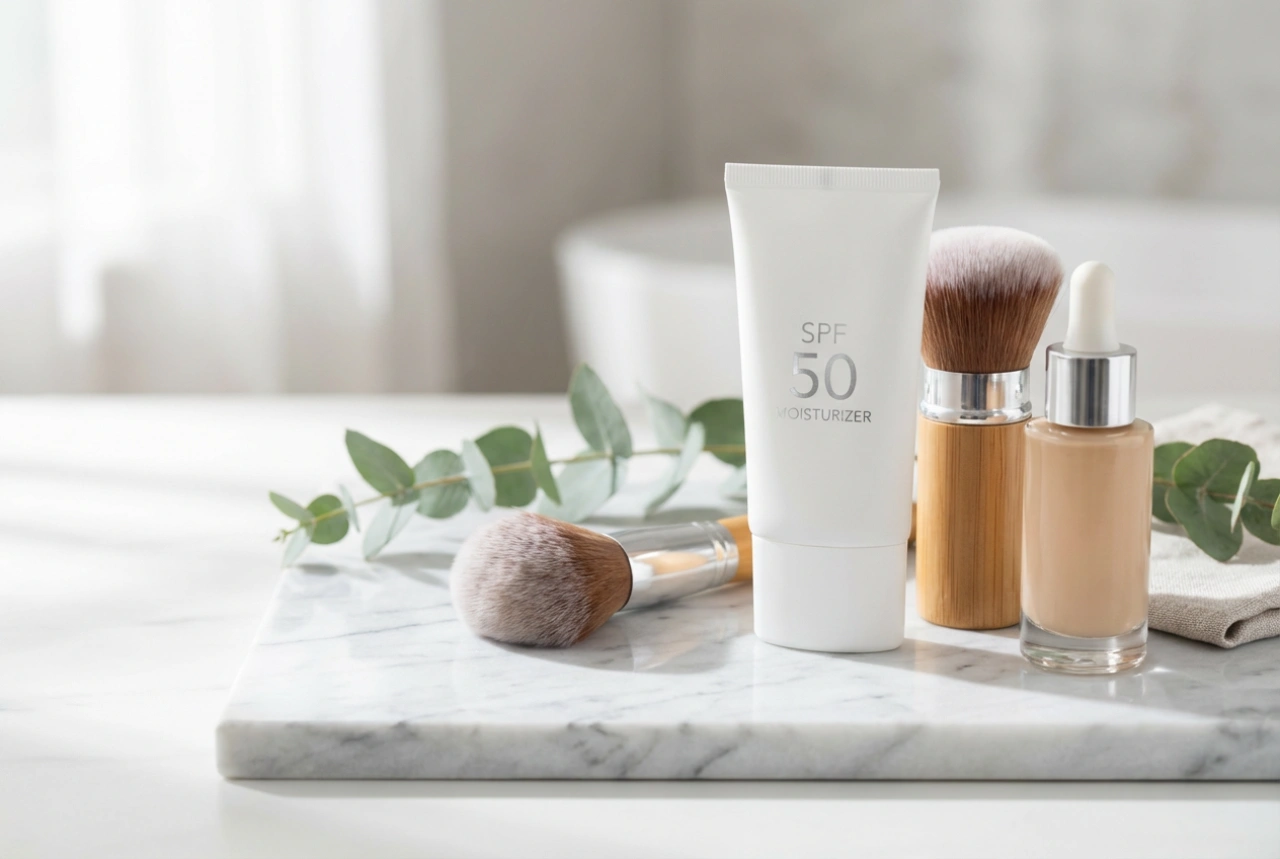
- Sun Protection (Morning) or Face Oil (Night): Finish your daytime routine with a broad-spectrum sunscreen, or add a few drops of a nourishing face oil at night to further support the lipid barrier.
Common Mistakes to Avoid in Your Routine
Even with the best intentions, simple application errors can prevent your hydrating serum from delivering its full range of benefits. Recognising these common missteps can elevate your daily self-care ritual.
Applying Serum on Completely Dry Skin
As mentioned, hyaluronic acid requires moisture to function. If there is no moisture on the surface of your skin or in the air, the serum will pull water from the deeper layers of your dermis. Over time, this can lead to a compromised skin barrier and increased dehydration. Always ensure your skin is damp before applying the product.
Neglecting the Moisturiser
Using a hydrating serum as a standalone product is a frequent mistake. Because water-based serums evaporate quickly, they must be sealed with a cream, lotion, or oil. Without this protective barrier, the moisture drawn to your skin will simply escape through a process known as transepidermal water loss.
Using Too Many Active Ingredients Simultaneously
While hyaluronic acid is highly compatible with most skincare ingredients, overloading your routine with too many serums at once can overwhelm the skin and cause pilling. Keep your routine simple and focused on compatibility. If you use multiple serums, allow each layer to absorb fully before applying the next, or alternate their use between your morning and evening routines.
Creating a Harmonious Beauty Ritual
Incorporating a hydrating serum into your daily skincare routine should feel like a mindful act of self-care. Taking a few moments each day to carefully mist your skin, press the cool, clear serum into your complexion, and seal it with a comforting moisturiser can transform your skin health over time. By mastering the simple principles of moisture retention and proper product layering, you can easily maintain a radiant, well-hydrated, and glowing appearance throughout every season.