

Achieving a flawless hairstyle, much like one from a professional salon, often depends on the tools we use. While high-quality hair care products are essential, the right brush is a true game-changer in daily styling. With a vast array of shapes, sizes, and bristle types available, selecting the perfect one can seem daunting. Understanding the specific function of each brush will empower you to choose the ideal tool to detangle, smooth, volumise, or curl your hair, transforming your styling routine and enhancing the health and appearance of your locks.
Understanding Brush Shapes and Their Functions
The shape of a hair brush is the primary indicator of its intended use. Each design is engineered to achieve a specific styling outcome, from creating volume to producing a sleek, smooth finish.
Round Brushes
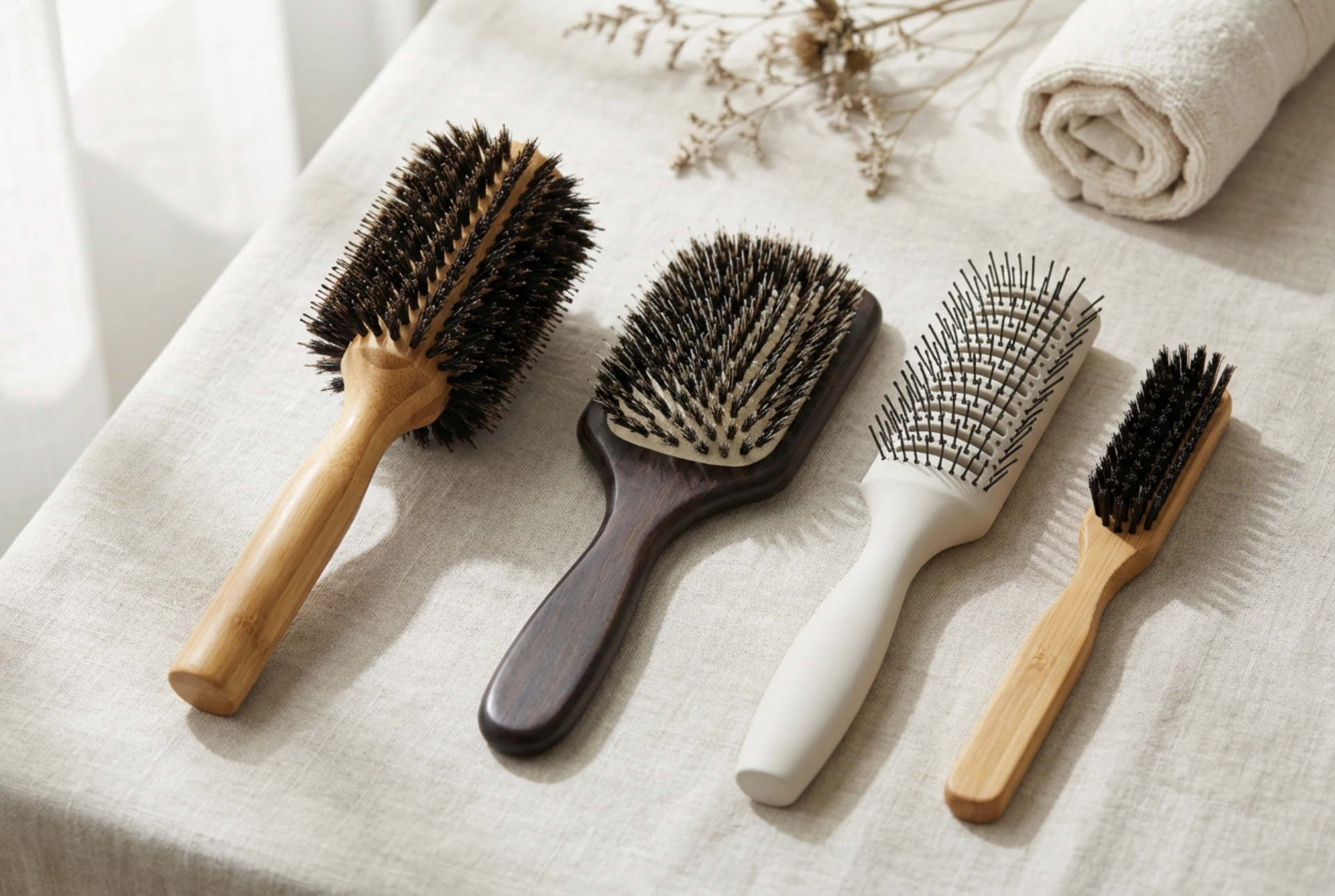
Round brushes are the ultimate tool for a bouncy blow-dry. They are used to create volume, waves, and soft curls. The key is in the diameter: smaller barrels create tighter curls and are great for shorter hair, while larger barrels produce soft waves, add body, and straighten hair with a slight bend at the ends. When paired with a hairdryer, they grip the hair, allowing you to create tension and shape it as it dries.
Paddle Brushes
Characterised by their wide, flat base, paddle brushes are designed for smoothing and detangling, particularly for those with long, thick, or straight hair. Their large surface area allows them to work through significant sections of hair at once, making styling quicker. They are excellent for creating sleek, straight looks and for gently detangling without disrupting the hair's natural pattern too much. The cushioned base helps to minimise static.
Vent Brushes
As the name suggests, vent brushes have openings in the base that allow air from the hairdryer to pass through. This feature significantly speeds up drying time. While not the best for creating very specific styles, they are perfect for a quick, rough dry. They can also help to build volume at the roots when used to lift the hair while drying.
Detangling Brushes
These brushes are specifically designed with flexible bristles of varying lengths to gently work through knots and tangles without pulling or causing breakage. They can be used on both wet and dry hair and are a must-have for anyone with hair prone to knotting, including children or those with very fine or long hair.
The Importance of Bristle Type
The material of the bristles plays a crucial role in how a brush interacts with your hair. Different bristles are suited to different hair types and styling goals, affecting everything from shine to detangling efficiency.
Natural Bristles
Often made from boar hair, natural bristles are renowned for their ability to be gentle on the hair and scalp. Their structure is similar to human hair, which allows them to effectively distribute the scalp's natural oils (sebum) from the roots to the ends. This process naturally conditions the hair, reduces frizz, and enhances shine. They are best suited for fine, normal, or delicate hair.
Synthetic Bristles
Typically made from nylon or other plastics, synthetic bristles are stiffer and more durable than their natural counterparts. This makes them highly effective for detangling thick, coarse, or very curly hair. The bristles glide through knots more easily, and they are also a great choice for use on wet hair as they do not absorb moisture. They are easy to clean and generally more affordable.
Mixed Bristles
Combination brushes feature a mix of natural and synthetic bristles, offering the best of both worlds. The nylon bristles work to detangle and manage the hair, while the boar bristles distribute oils and smooth the cuticle for added shine. This makes them a versatile, all-purpose option suitable for most hair types, particularly normal to thick hair.
Matching the Brush to Your Hair and Style
To get the most out of your styling tools, it's vital to choose a brush that complements both your hair's natural texture and your desired look.
- For Fine Hair: Opt for a soft, natural bristle brush (like a boar bristle paddle brush) to gently smooth hair and add shine without causing static or breakage. For volume, use a small-to-medium round brush with natural or mixed bristles.
- For Thick or Coarse Hair: A sturdy nylon or mixed-bristle paddle brush is excellent for everyday detangling and smoothing. For blow-drying, a large round brush with nylon bristles will provide the necessary tension to create a smooth, polished look.
- For Curly Hair: Use a wide-tooth comb or a specialised detangling brush on wet, conditioned hair to avoid disrupting the curl pattern and causing frizz. A vent brush can be used with a diffuser attachment for drying, but avoid paddle brushes on dry curls.
- For Volume: Use a round brush at the roots. Lift sections of hair upwards and away from the scalp while directing heat from the hairdryer at the root area.
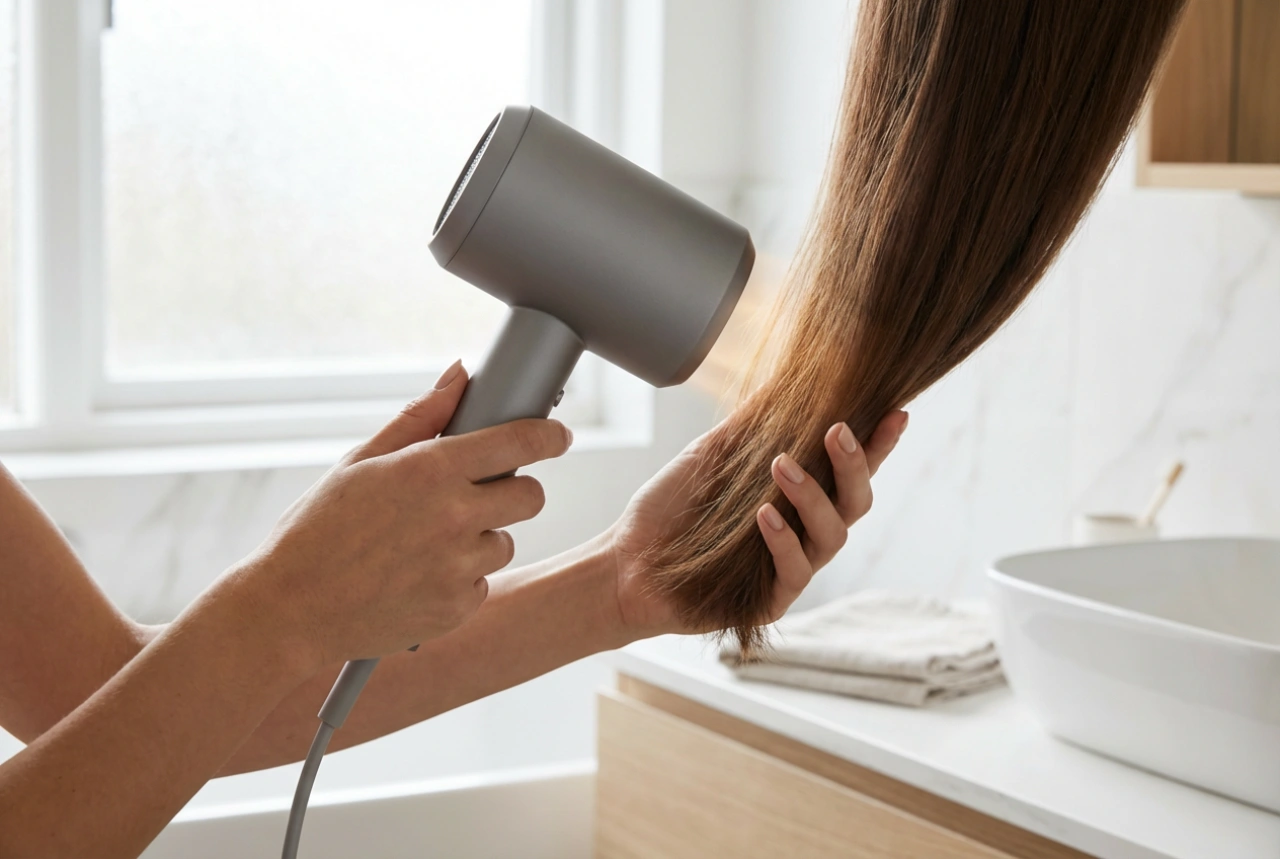
- For a Sleek Finish: Use a paddle brush and blow-dry your hair in sections, pointing the hairdryer's nozzle downwards to help seal the hair cuticle and minimise frizz.
How to Care for Your Hair Brushes
Keeping your brushes clean is essential for both hair hygiene and the longevity of your tools. A dirty brush can redeposit oil, styling product residue, and dust back onto your clean hair.
- Remove Hair Regularly: After each use, or at least once a week, pull out all the trapped hair from the bristles. You can use your fingers or a comb for this.
- Wash Periodically: Every few weeks, wash your brushes. Swirl the brush in a basin of warm water with a few drops of gentle shampoo. Use a small brush (like a toothbrush) to scrub the base and bristles.
- Rinse and Dry Properly: Rinse the brush thoroughly under clean water. Squeeze out any excess water and lay it on a towel with the bristles facing down to air dry. This prevents water from seeping into the cushion or wooden handle, which could cause damage over time.