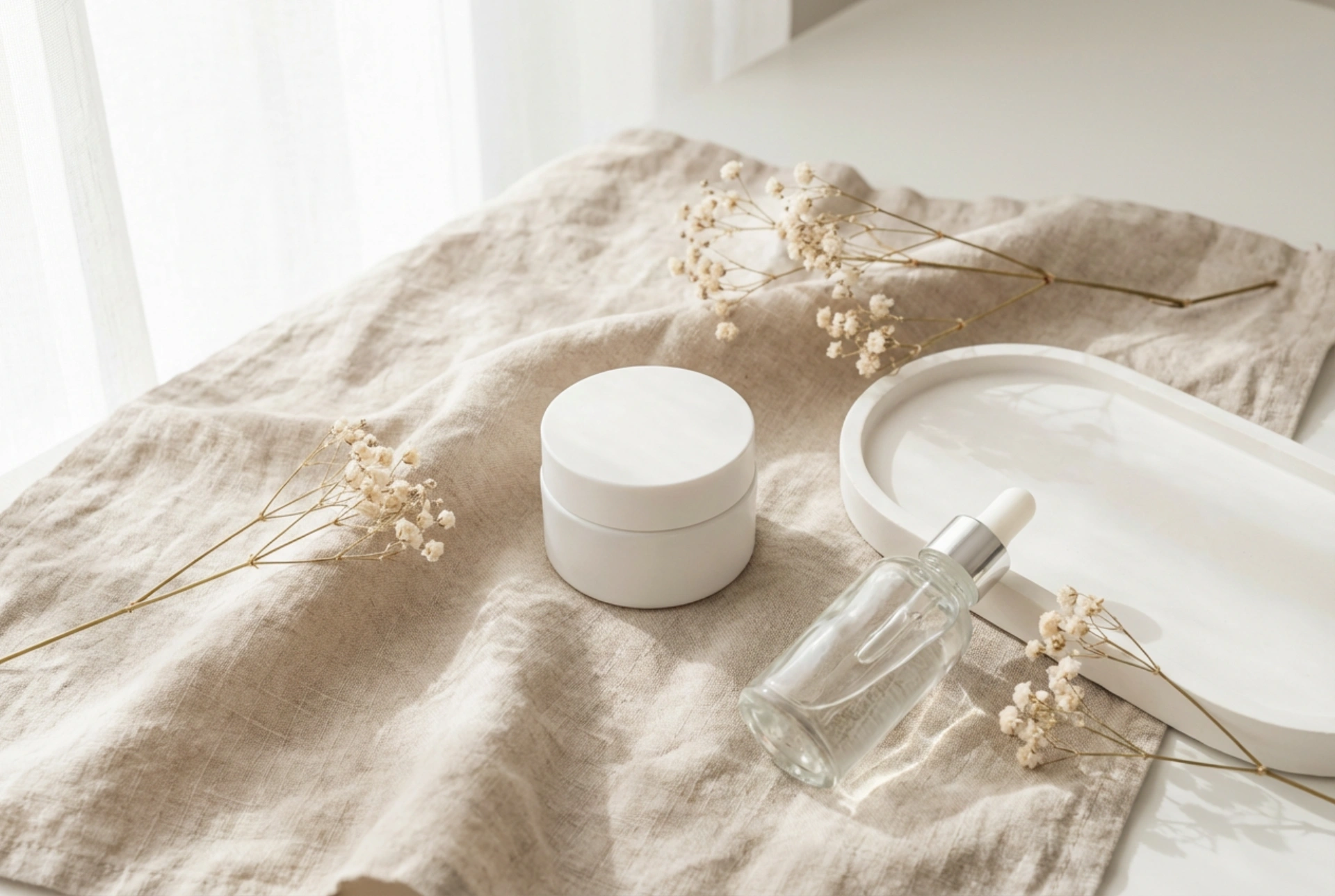


Caring for combination skin can often feel like a balancing act. You might experience oiliness in your T-zone (forehead, nose, and chin) while your cheeks feel normal or even dry. Finding a single moisturiser that addresses both concerns without exacerbating either one is the key to a harmonious complexion. The right product will provide essential hydration to dry areas without overwhelming the oilier parts, leading to skin that feels comfortable, balanced, and healthy.
Understanding the Needs of Combination Skin
Combination skin is defined by the presence of two or more different skin types on the face. Typically, the sebaceous glands in the T-zone are more active, leading to excess sebum, enlarged pores, and a tendency for shininess. In contrast, the cheeks have fewer active oil glands, which can result in dryness, tightness, or a flaky texture. This duality requires a thoughtful approach to skincare, particularly when it comes to hydration. The goal isn't to eliminate oil completely but to regulate it while sufficiently hydrating the drier patches.
Why Moisturising is Essential for Balance
A common misconception is that oily areas of the skin don't need moisturiser. In reality, skipping this step can be counterproductive. When skin becomes dehydrated—even oily skin—it can compensate by producing even more sebum, leading to increased shine and potential congestion. A suitable moisturiser helps to maintain the skin's natural barrier, locking in moisture and signalling to the sebaceous glands that they don't need to work overtime. For the dry areas, a moisturiser is non-negotiable for replenishing lost moisture, soothing tightness, and preventing flakiness, which ensures the entire face remains supple and smooth.
What to Look for in a Moisturiser for Combination Skin
Choosing the right formula is crucial. You need a product that is effective yet feels weightless on the skin. Heavy, rich creams can feel greasy on the T-zone and may lead to clogged pores.
Focus on Lightweight Textures
The ideal textures for combination skin are light and easily absorbed. Look for products described as lotions, gels, or gel-creams. These formulations deliver hydration without leaving a heavy or sticky residue. Water-based products are an excellent choice as they provide moisture without adding unnecessary oils to the skin. These textures feel refreshing upon application and create a smooth base for makeup or sunscreen.
Key Ingredients for a Balanced Complexion
The ingredient list can tell you a lot about how a moisturiser will perform. For combination skin, seek out ingredients that hydrate, soothe, and balance:
- Hyaluronic Acid: A powerful humectant that draws moisture from the air into the skin, providing intense hydration without any heaviness. It helps to plump up the skin, making it feel soft and supple.
- Glycerin: Another effective humectant that helps the skin retain moisture. It's gentle and helps to fortify the skin's barrier.
- Niacinamide: This multi-tasking ingredient is a hero for combination skin. It helps to regulate oil production, minimise the appearance of pores, and improve the skin's barrier function, all while having a calming effect.
- Ceramides: These are lipids that are naturally found in the skin and are essential for a healthy skin barrier. They help to lock in moisture and protect the skin from environmental stressors.
Application Techniques for Optimal Results
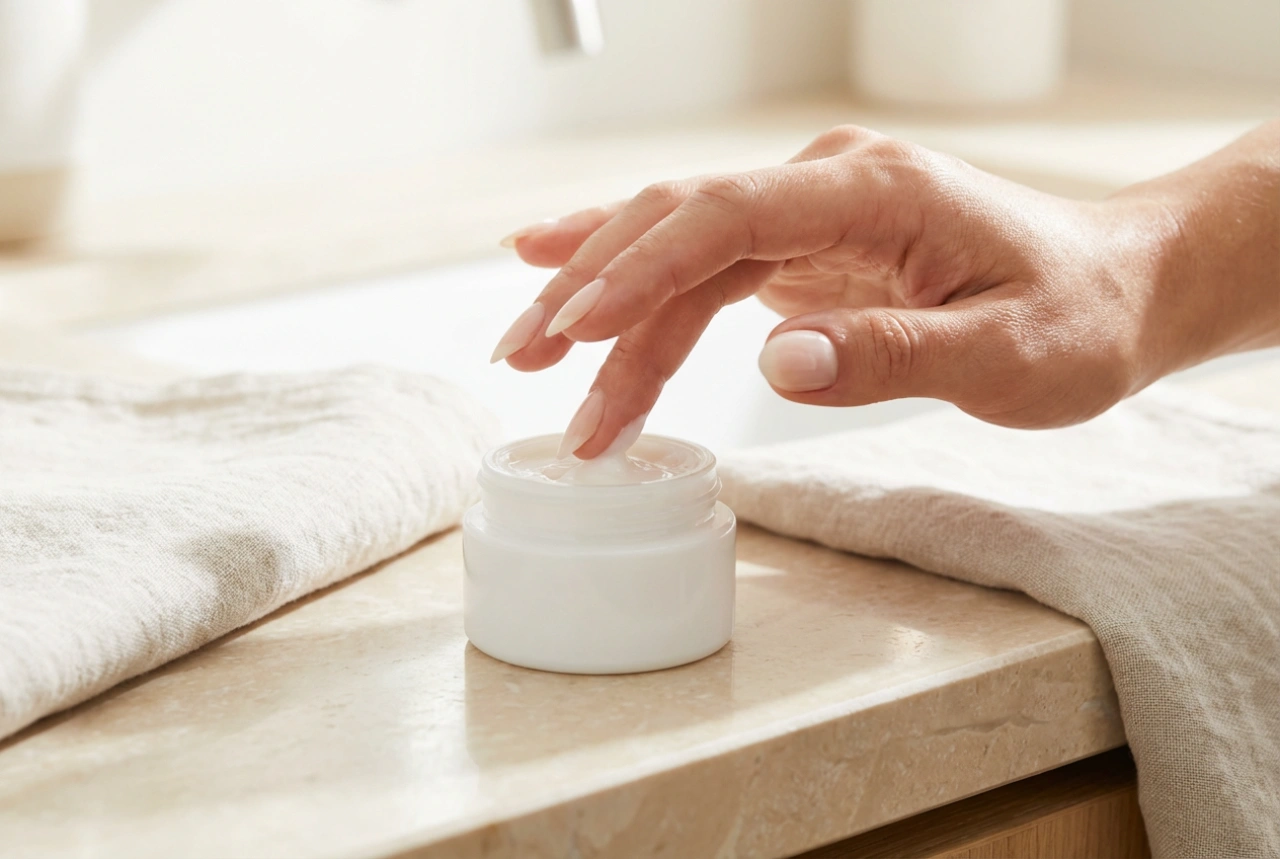
How you apply your moisturiser can make a significant difference. Consider a targeted approach. You might apply a slightly more generous amount to your cheeks and a very thin layer to your T-zone. Alternatively, some people find success using two different products—a lightweight gel on the T-zone and a slightly more nourishing lotion on the cheeks. Always apply moisturiser to clean, slightly damp skin to help lock in hydration more effectively. A pea-sized amount is usually sufficient for the entire face. Gently massage it in using upward strokes until it is fully absorbed.