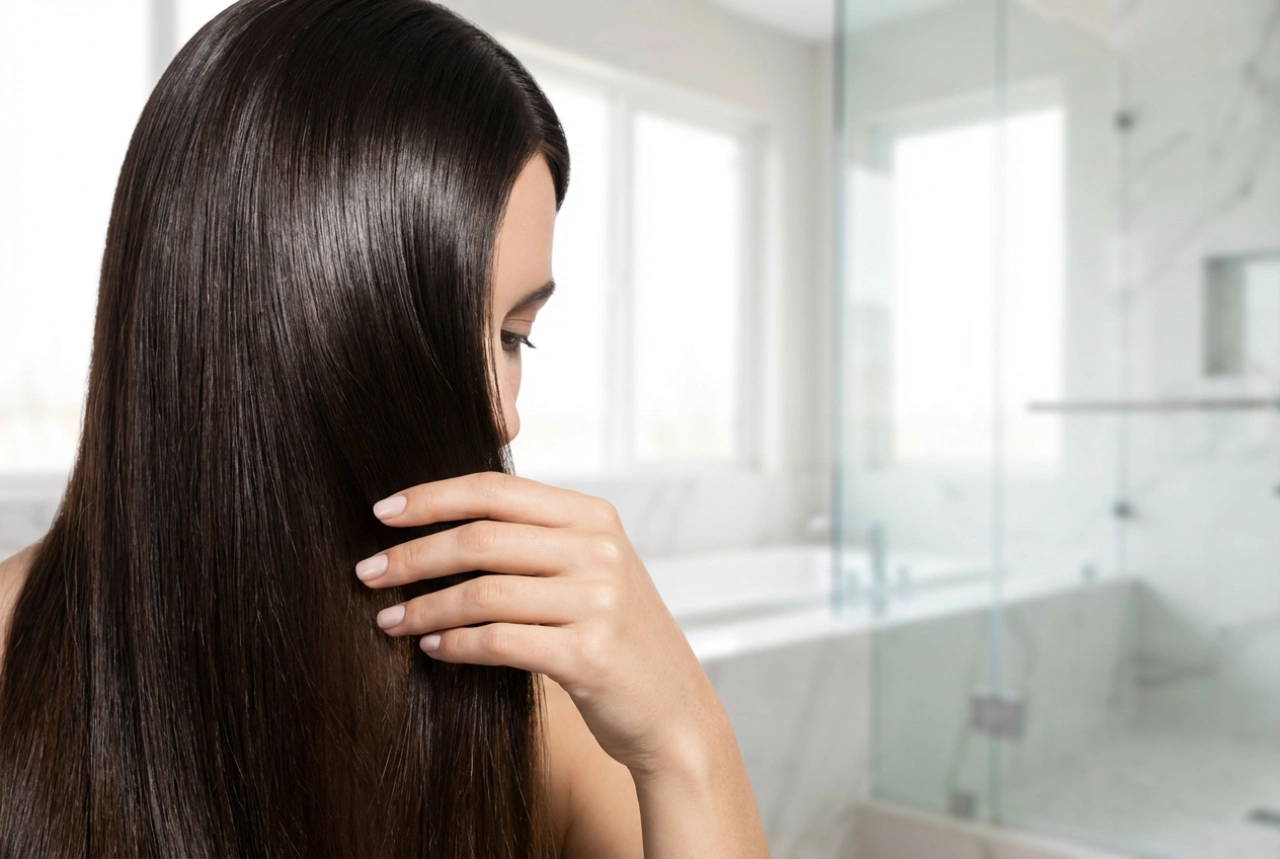


Achieving smooth, sleek hair doesn't always require a visit to the salon or complex tools. A hair straightening brush offers a convenient and effective way to tame frizz and create a polished look with natural volume right at home. This tool combines the simplicity of a brush with the power of heat styling, making it a popular choice for quick, everyday transformations. Understanding how to use it correctly is key to maximising its benefits while keeping your hair looking healthy and lustrous.
What is a Hair Straightening Brush?
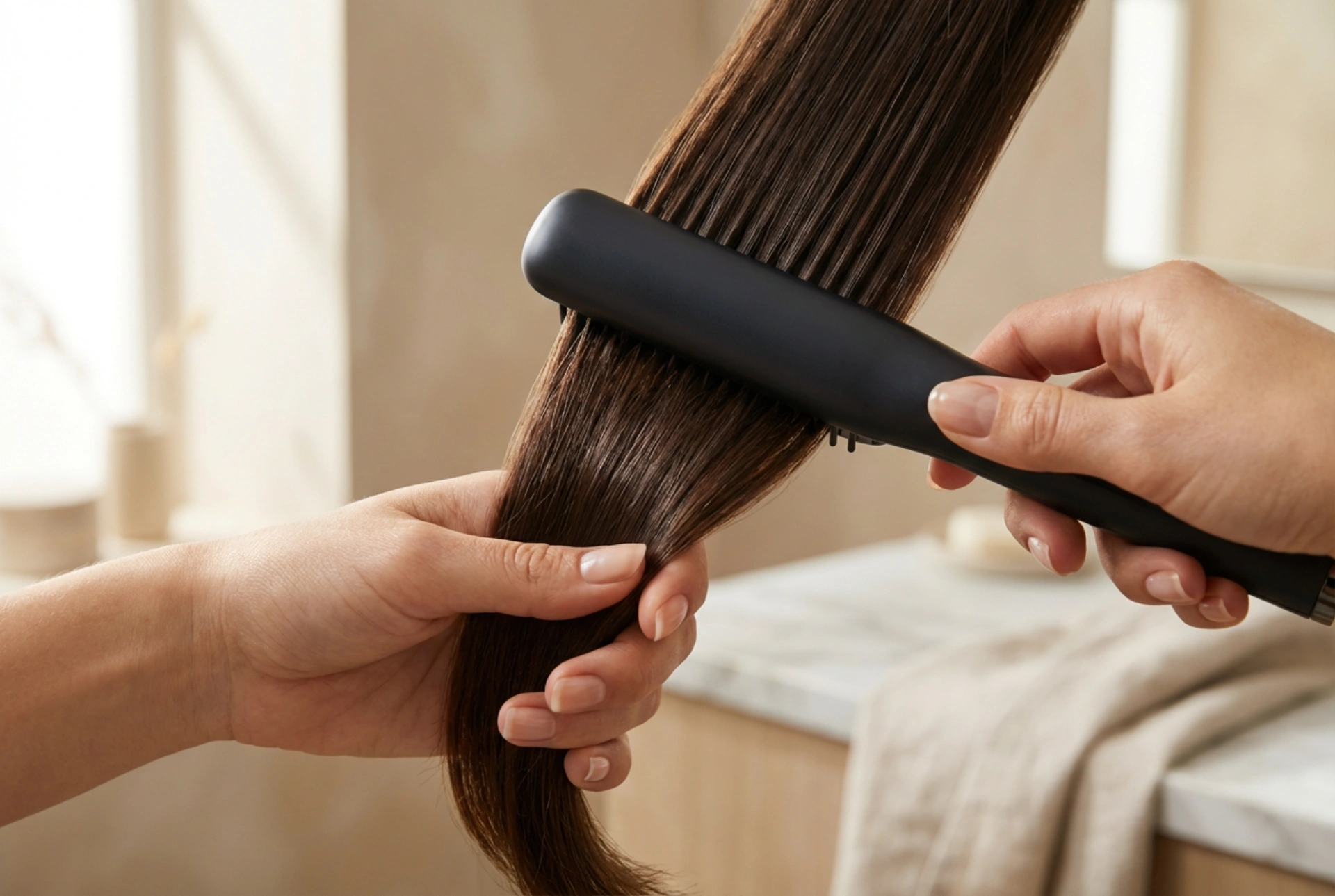
A hair straightening brush is an electric styling tool designed to straighten hair as you brush it. It features heated bristles or plates integrated into a brush head. When you glide it through your hair, the heat works to relax the hair's natural curl or wave pattern, resulting in a smoother, straighter appearance. Unlike traditional flat irons that press hair between two hot plates, a straightening brush allows hair to pass through heated bristles. This often results in a more natural, voluminous finish rather than a pin-straight look. They are generally considered user-friendly, especially for those who find flat irons cumbersome to handle, and are excellent for quick touch-ups.
Choosing the Right Straightening Brush
Not all straightening brushes are created equal. The materials and features can significantly impact the styling results and the health of your hair. Knowing the differences can help you select a tool that's perfectly suited to your hair type and needs.
Material and Technology
The most common materials used for the heated surfaces are ceramic and tourmaline. Ceramic is highly favoured for its ability to heat up evenly and maintain a consistent temperature, which helps to prevent hot spots that can damage hair. This makes ceramic brushes a great choice for fine to normal hair types. Tourmaline is a crystalline mineral that is often crushed and infused into the ceramic plates. It emits negative ions when heated, which counteract the positive ions in dry or frizzy hair. This helps to seal the hair cuticle, reduce static, and boost shine, making tourmaline-infused brushes ideal for thick, coarse, or frizz-prone hair.
Bristle Design and Temperature Settings
The bristles themselves also play a role. Many brushes feature a combination of heated ceramic bristles and cooler, flexible bristles. The cooler bristles help to gently detangle and guide hair through the heated elements, protecting the scalp from heat. Look for a brush with adjustable temperature settings. Fine or colour-treated hair requires lower heat, while thick or coarse hair may need a higher temperature to straighten effectively. Having control over the heat allows you to customise the styling process for your specific hair type, minimising the risk of heat damage.
How to Use a Straightening Brush for Best Results
Using a straightening brush is straightforward, but following the right technique will ensure you get a smooth, long-lasting style without causing unnecessary stress to your hair.
- Start with Clean, Dry, and Detangled Hair: Never use a heated styling tool on wet or damp hair, as this can cause significant damage. Ensure your hair is completely dry. Brush through it with a regular comb or brush to remove any knots or tangles first.
- Apply a Heat Protectant: This is a non-negotiable step. A quality heat protectant spray creates a barrier between your hair and the heat, reducing moisture loss and protecting the hair cuticle from damage. Mist it evenly throughout your hair.
- Section Your Hair: Divide your hair into manageable sections using clips. Working with smaller sections ensures that every strand comes into contact with the heated bristles, leading to a more uniform and effective result.
- Select the Right Temperature: Start with a lower temperature and increase it only if necessary. A good starting point for fine hair is around 150°C, while thicker hair might need up to 190°C. Avoid the highest settings unless your hair is very coarse and resistant.
- Brush Slowly and Steadily: Take one section of hair and hold it taut at the ends. Place the straightening brush near the roots and glide it slowly down the length of the hair to the tips. The slow, steady motion allows the heat to work effectively in a single pass. For extra smoothness, you can brush from underneath the section as well as from on top.
- Allow Hair to Cool: Let your hair cool down completely before touching it too much. You can use a light finishing serum or a mist of hairspray to add shine and hold the style in place.
Common Mistakes to Avoid
To keep your hair healthy and get the most out of your styling tool, be mindful of these common errors.
- Styling Wet or Damp Hair: This is the most critical mistake. Applying high heat to wet hair can boil the water within the hair shaft, leading to breakage and irreversible damage.
- Skipping Heat Protection: Failing to use a heat protectant leaves your hair vulnerable to heat damage, making it dry, brittle, and prone to split ends over time.
- Using a Temperature That's Too High: More heat doesn't always mean better results. Excessive heat can scorch your hair. Always use the lowest effective temperature for your hair type.
- Rushing the Process: Brushing too quickly won't give the heat enough time to work, forcing you to make multiple passes over the same section, which increases heat exposure.
- Not Cleaning the Brush: Product residue, oils, and shed hair can build up on the bristles of your brush, affecting its performance and hygiene. Wipe it down with a damp cloth when it's completely cool and unplugged.