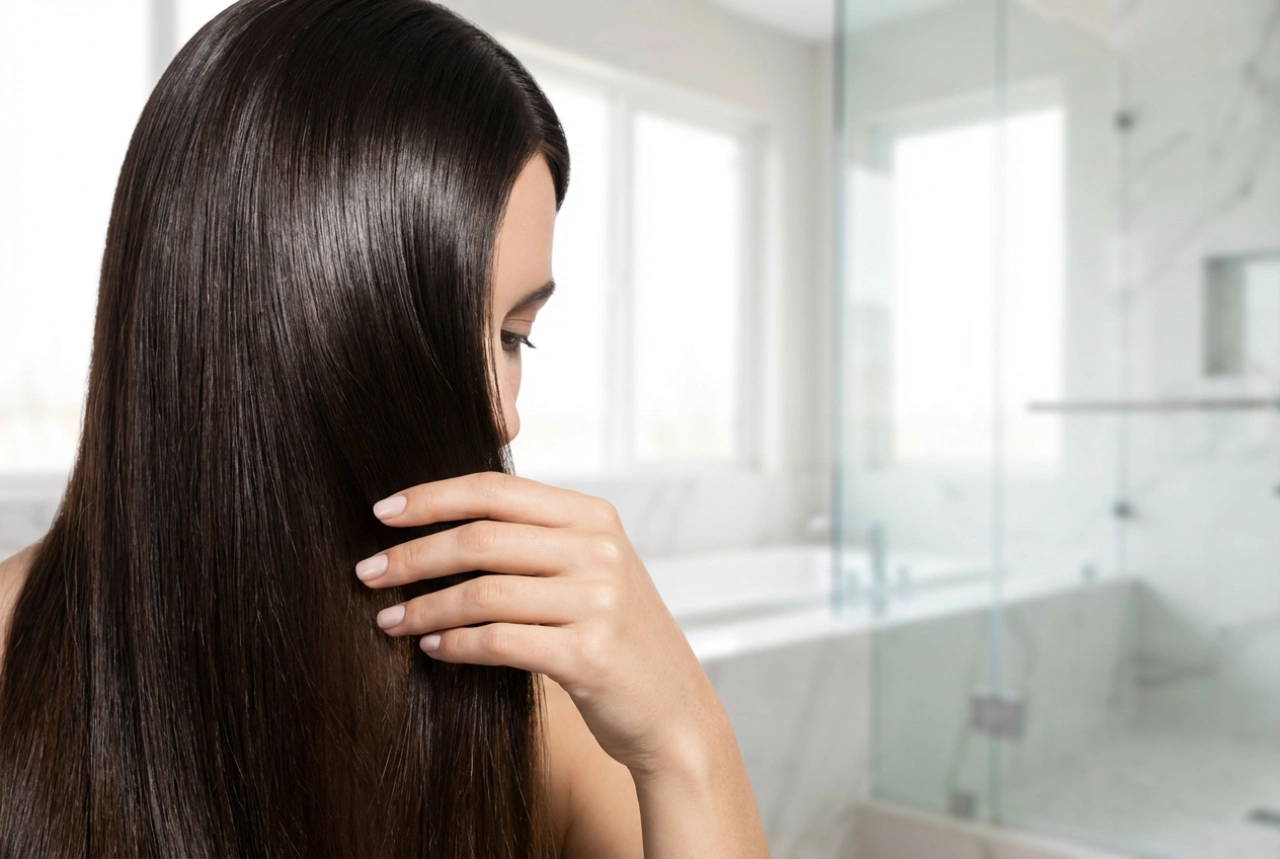


Achieving sleek, smooth, and shiny hair is a common styling goal, and a hair straightener is often the tool of choice. In recent years, straighteners with keratin-infused plates have gained popularity, promising a smoother styling experience. But what exactly does this feature do, and how can you use these tools to style your hair effectively while minimising the risk of heat damage? Understanding the technology and adopting safe styling practices is key to keeping your hair healthy and beautiful.
What Are Keratin-Infused Straighteners?
A keratin-infused straightener is a styling tool whose heating plates are coated with a ceramic or titanium material that has been infused with keratin protein. Keratin is the primary structural protein that makes up our hair, skin, and nails. The idea behind this technology is that as the straightener heats up, a micro-amount of keratin is transferred from the plates onto the hair shaft during styling. This is intended to supplement the hair's natural protein, aiming to create a smoother surface and enhance shine.
How Does the Coating Work?
The ceramic or titanium plates provide even heat distribution, which is crucial for preventing hot spots that can scorch the hair. The keratin infusion is designed to enhance this effect by providing an exceptionally smooth surface for the hair to glide over. This reduces snagging and pulling, which can cause mechanical damage to the hair cuticle. The heat activates the keratin, which helps to smooth down the cuticle scales, resulting in less frizz and a more reflective, shiny finish.
The Key Benefits of a Keratin Coating
While a keratin-infused straightener is not a substitute for a comprehensive hair care routine, it can offer several advantages during the styling process. It's important to see it as a styling aid rather than a hair treatment.
- Smoother Glide: The primary advantage is the incredibly smooth surface of the plates. This allows the straightener to pass through the hair with minimal friction, reducing the physical stress and potential for breakage.
- Reduced Frizz: By helping to seal the hair cuticle, the combination of even heat and the keratin coating can lead to a significant reduction in frizz and flyaways, leaving the hair looking more polished.
- Enhanced Shine: A smooth, sealed cuticle reflects light more effectively. As a result, hair styled with these tools often appears shinier and healthier.
- More Efficient Styling: The smooth glide and effective heat transfer can make the straightening process quicker, potentially reducing the overall time your hair is exposed to high temperatures.
How to Style Your Hair Safely with a Straightener
Regardless of the type of straightener you use, protecting your hair from heat is paramount. High temperatures can weaken the hair's protein structure and strip it of moisture, leading to dryness and breakage. Following these steps will help you achieve the look you want while preserving the health of your hair.
1. Preparation is Key
Never use a straightener on wet or even damp hair. Hair is most fragile when wet, and the intense heat will cause the water inside the hair shaft to turn to steam and expand, causing significant damage. Always start with hair that is 100% dry. Before applying any heat, liberally apply a heat protectant spray or serum. These products create a protective barrier on the hair's surface, reducing moisture loss and mitigating the damaging effects of high temperatures.
2. Choose the Right Temperature
Not everyone needs to use the highest heat setting. Using excessive heat is one of the most common causes of styling damage. Adjust the temperature based on your hair type:
- Fine or Processed Hair: Use lower settings, typically between 150°C and 175°C.
- Normal or Medium Hair: A mid-range temperature of 175°C to 195°C is usually effective.
- Thick or Coarse Hair: You may need higher temperatures, from 195°C up to 210°C, but always start lower and only increase if necessary.
3. Use the Correct Technique
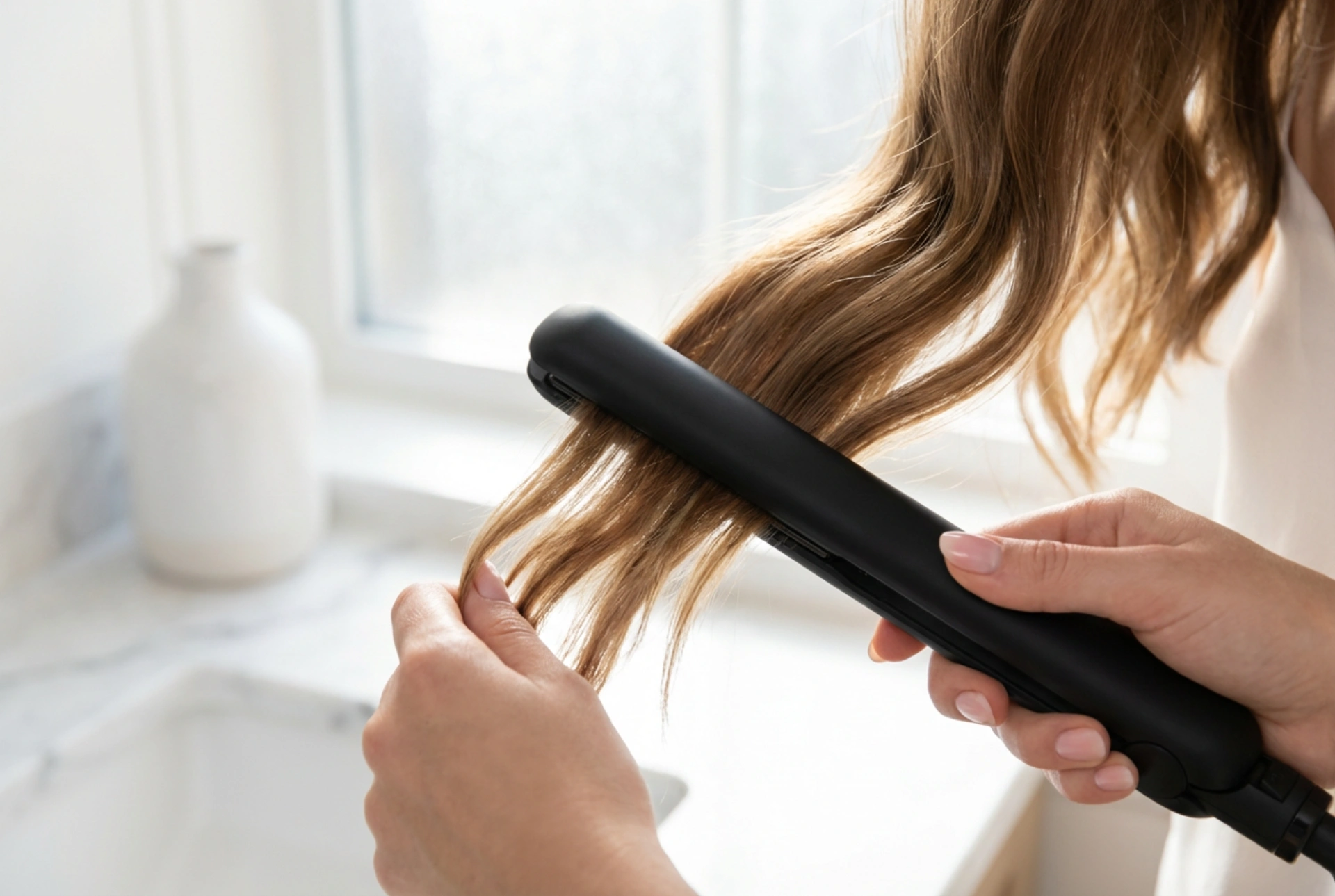
Proper technique ensures even results and minimises heat exposure. First, divide your hair into small, manageable sections. Working with sections that are too thick means the heat won't penetrate evenly, forcing you to go over the same piece multiple times. Clamp the straightener gently near the roots and glide it smoothly down the length of the section in one continuous motion. Avoid stopping or holding the straightener in one spot, as this concentrates heat and can cause damage. Ideally, one pass per section should be enough.
Aftercare for Straightened Hair
Once you've finished styling, allow your hair to cool down completely before touching it too much. This helps the style to set. You can apply a small amount of a lightweight finishing serum or oil to the ends to add extra shine and tame any remaining flyaways. To maintain your hair's health, try to limit heat styling to two or three times a week and incorporate a deep conditioning mask into your weekly routine to replenish moisture.