

Achieving soft, smooth, well-cared-for feet is a common beauty goal, bringing a sense of comfort and confidence. An at-home foot care routine can feel like a rejuvenating spa ritual, and one of the most effective treatments for tackling rough skin is the exfoliating foot mask. These masks are designed to help shed layers of dead, hardened skin, revealing the much softer skin underneath. Understanding the different types available and how to use them correctly is key to achieving the best results safely.
What Are Exfoliating Foot Masks?
Exfoliating foot masks are cosmetic treatments designed to remove calloused and dead skin from the feet through a process of chemical or physical exfoliation. Unlike a simple foot scrub that offers immediate but superficial results, many of these masks, particularly the 'peeling' kind, work over several days. They typically use a blend of gentle acids, such as alpha-hydroxy acids (AHAs) like glycolic and lactic acid, or beta-hydroxy acids (BHAs) like salicylic acid. These ingredients work to break down the bonds holding dead skin cells together, prompting them to shed naturally over the course of a week or two, resulting in a dramatic renewal of the skin's surface.
A Guide to Different Mask Types
Choosing the right foot mask depends on your skin's needs and the results you're hoping for. The most common varieties offer different levels of intensity and user experience.
Sock-Style Peeling Masks
These are the most potent type of at-home exfoliating foot treatment. They consist of a pair of plastic booties filled with a liquid or gel solution containing acids and botanical extracts. You wear the socks for a specified period, typically 60 to 90 minutes, allowing the solution to soak into the thick skin of your soles. After rinsing, nothing seems to happen for a few days. Then, usually between day 3 and day 7, the outer layer of skin begins to peel away in sheets. Whilst highly effective for significant skin build-up, the visible peeling process can be lengthy and is best planned for a time when you can comfortably wear socks.
Scrub-Based Exfoliating Masks
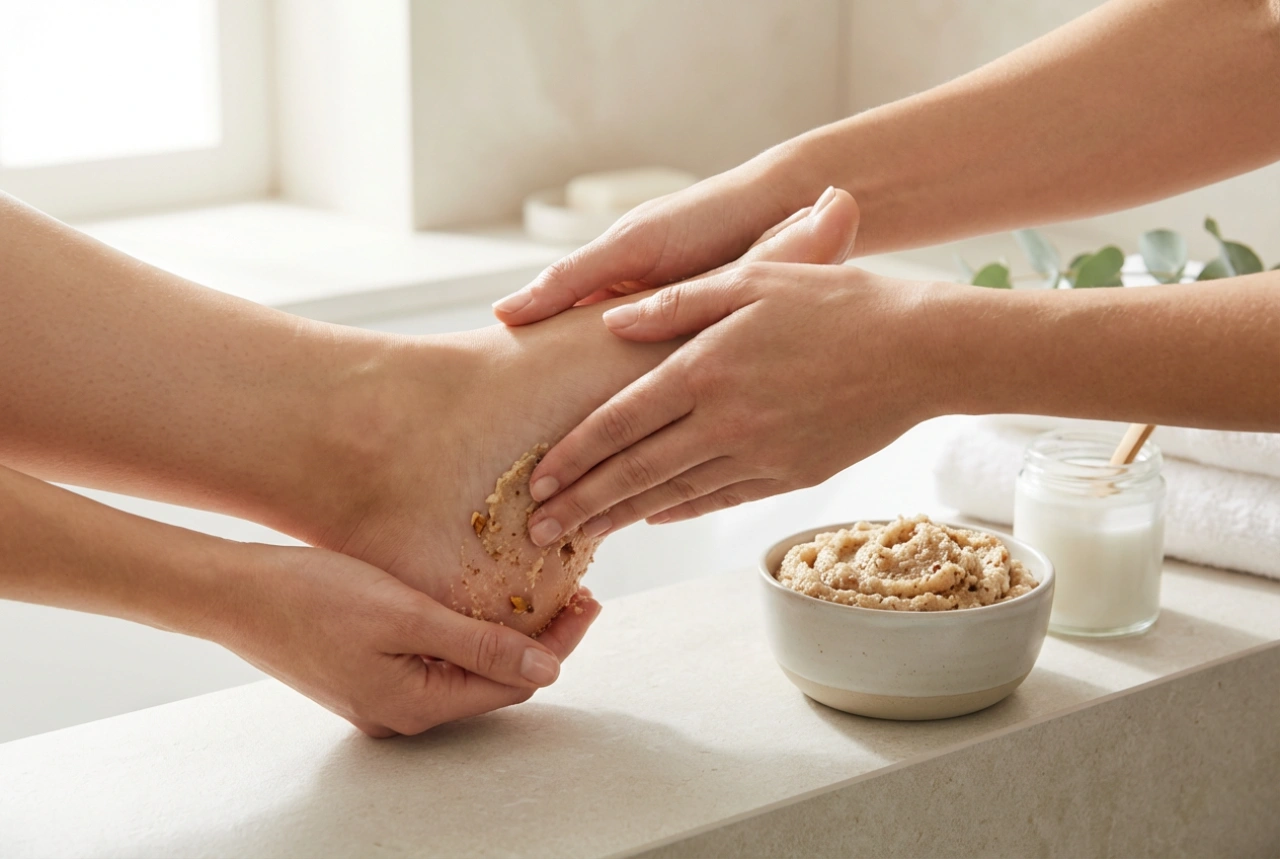
For those seeking a less intense experience with more immediate, though milder, results, a scrub-based mask is an excellent choice. These have a thick, creamy or paste-like consistency and are packed with physical exfoliants like sugar, salt, pumice, or ground fruit pits. They are applied to the feet, massaged in to manually slough off dead skin, and then left on for 10-20 minutes to allow any additional nourishing or lightly exfoliating ingredients to work. They provide instant softness and are a great option for regular maintenance between deeper treatments.
Clay or Mud-Based Purifying Masks
Clay and mud masks are primarily known for their purifying and detoxifying properties, but they also offer mild exfoliation. Ingredients like bentonite or kaolin clay help to draw out impurities from the pores whilst also gently buffing the skin's surface as the mask dries and is washed off. These are ideal for refreshing tired feet, improving skin texture, and providing a gentle touch-up rather than a deep peel. They are particularly suitable for those with more sensitive skin who find acid peels too harsh.
How to Use an Exfoliating Foot Mask Correctly
Following the correct procedure is crucial for both safety and effectiveness. Always read the specific instructions on your chosen product, but here is a general guide to the process:
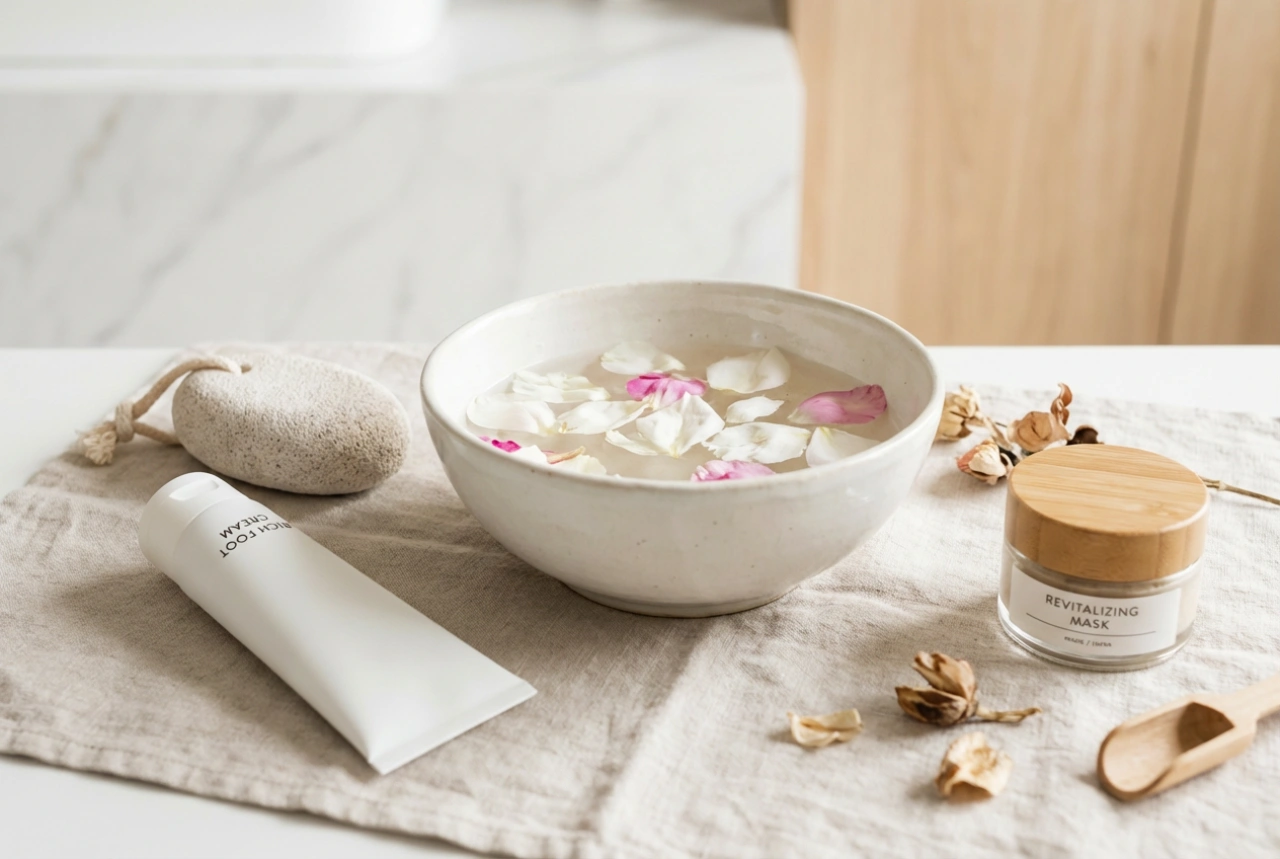
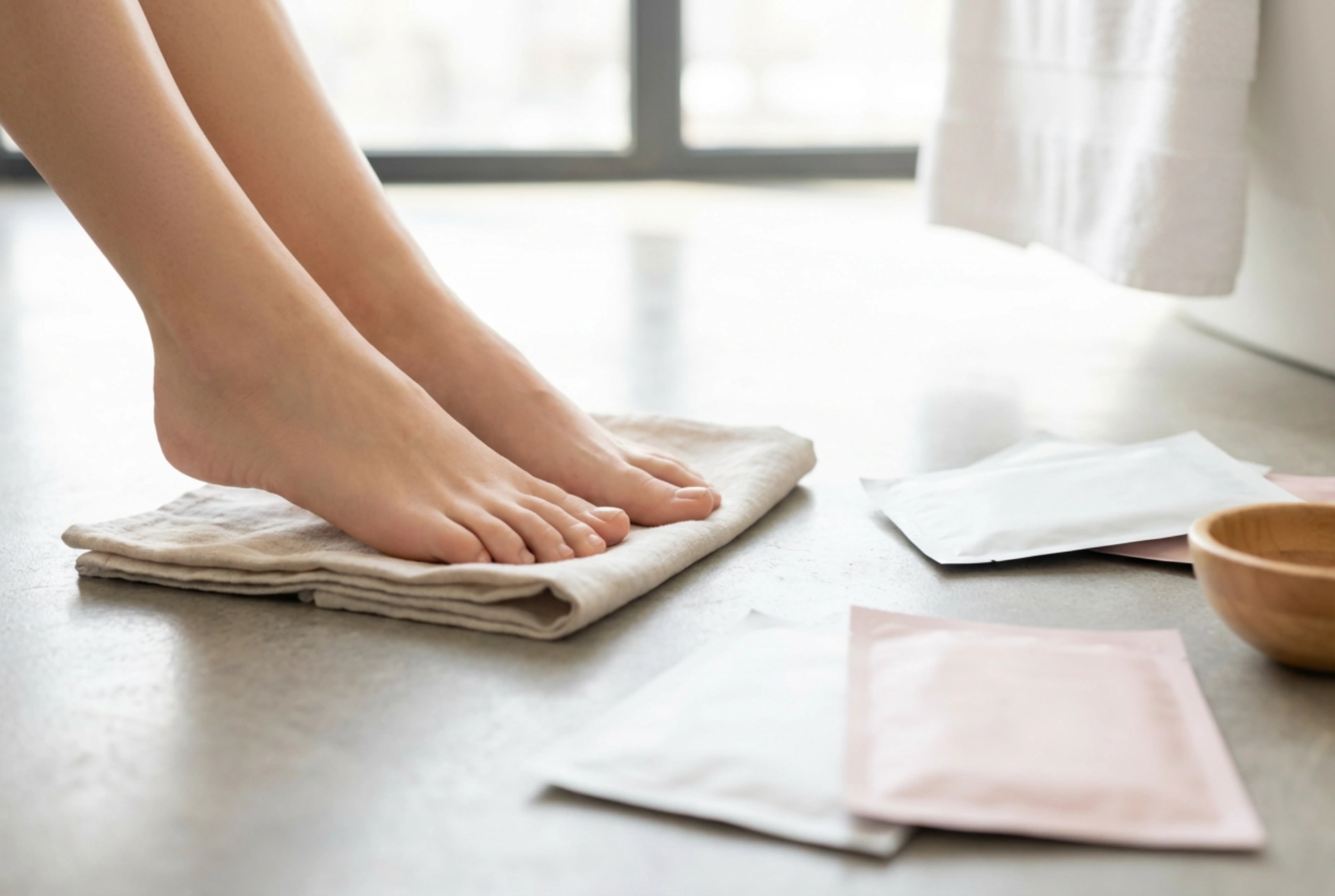
- Preparation: Start with clean, dry feet. It can be beneficial to soak your feet in warm water for 15-20 minutes beforehand to help soften the tough outer layer of skin, allowing the mask's ingredients to penetrate more effectively.
- Patch Test: Before your first use, always perform a patch test. Apply a small amount of the product's liquid to a discreet area of your foot (like the arch) and wait 24 hours to ensure no irritation or adverse reaction occurs.
- Application: If using sock-style masks, carefully place your feet inside and secure them. For cream or clay masks, apply an even layer over the soles and tops of your feet, avoiding the delicate skin between the toes if it's sensitive. Relax and leave the mask on for the recommended duration—do not exceed it, as this can lead to irritation.
- Rinsing: Once the time is up, remove the socks or wash off the mask thoroughly with lukewarm water and a gentle soap. Pat your feet completely dry.
- The Peeling Phase: For peeling masks, patience is key. The peeling will start on its own a few days after the treatment. To assist the process, you can soak your feet in plain warm water daily for 10-15 minutes. Crucially, do not pull, pick, or force the skin to peel, as this can damage the new, sensitive skin underneath. Let it shed naturally.
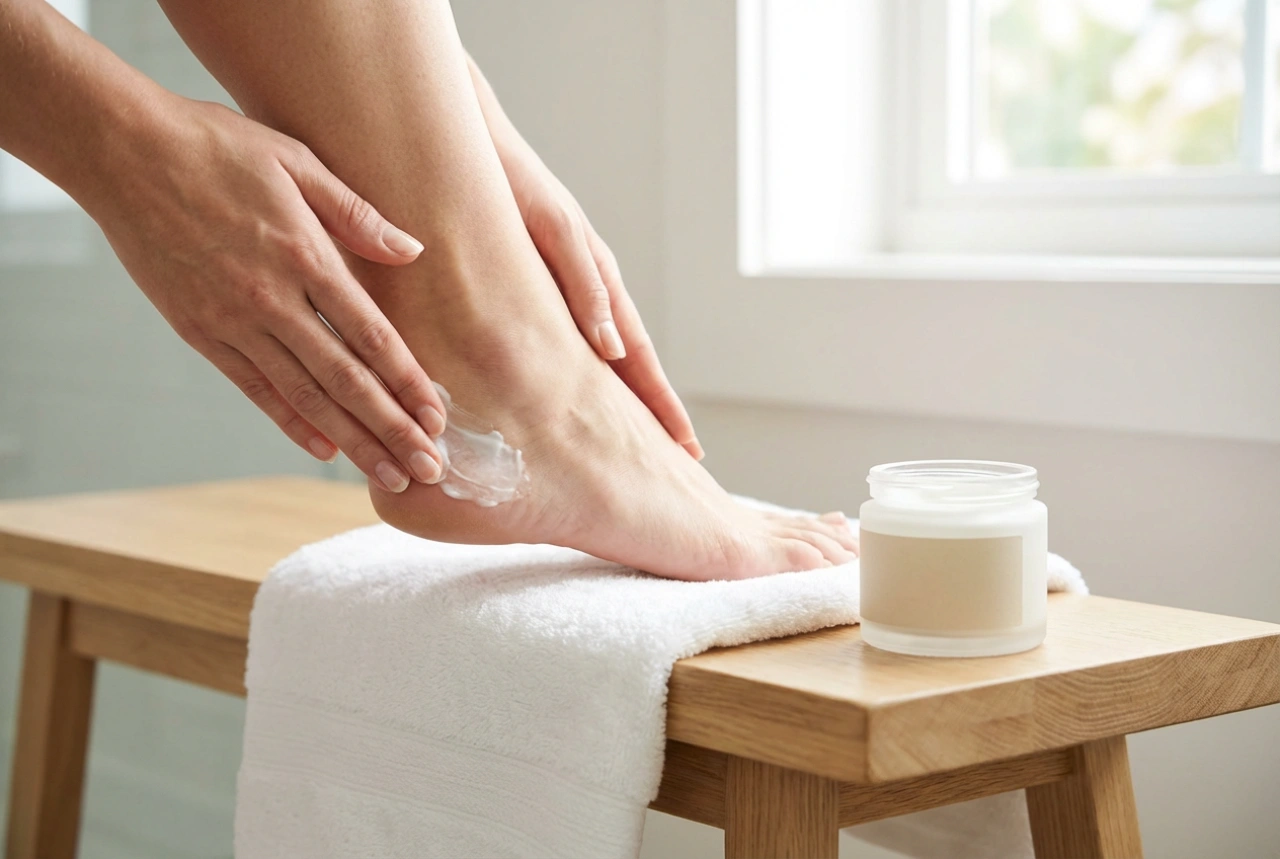
- Aftercare: During the peeling phase, it is best to avoid heavy moisturisers on the soles, as this can inhibit the shedding process. Once the peeling is complete, begin a daily routine of applying a good quality foot cream to keep your newly revealed soft skin hydrated and maintained.
When to Use and When to Avoid
Exfoliating foot masks are a powerful tool, but they are not for every day. A deep peeling mask should typically not be used more than once every two to three months to avoid over-exfoliating and irritating the skin. It is also wise to avoid using these masks right before a holiday or special event where you'll be wearing open-toed shoes, as the peeling process can be quite visible. Most importantly, do not use these products on skin that is sunburnt, irritated, or has any open cuts, sores, or wounds. Proper timing and listening to your skin's needs will ensure a positive and renewing experience.