

Achieving soft, smooth heels is a common beauty goal, especially when hard, dry skin makes an appearance. Cracked heels can be uncomfortable and unsightly, but with a consistent and gentle care routine, you can restore their suppleness. This guide will walk you through the essential steps of softening, exfoliating, and protecting the delicate skin on your feet, helping you put your best foot forward with confidence.
Understanding the Causes of Dry Heels
The skin on our feet is naturally prone to dryness as it has fewer oil glands than the skin on other parts of the body. Combined with the daily pressure of supporting our body weight, this can lead to the development of hard, calloused skin, particularly around the rim of the heel. Several factors can exacerbate this condition, including low humidity in the air from central heating or air conditioning, prolonged standing on hard surfaces, and wearing open-backed shoes or sandals. These types of footwear do not provide adequate heel support, allowing the fat pad under the heel to expand sideways and increasing the pressure on the skin, which can cause it to crack.
A Three-Step Routine for Smooth Heels
A dedicated routine is the most effective way to manage and improve the condition of cracked heels. By consistently following these three steps, you can transform rough skin into a softer, smoother surface.
Step 1: Soften with a Foot Soak
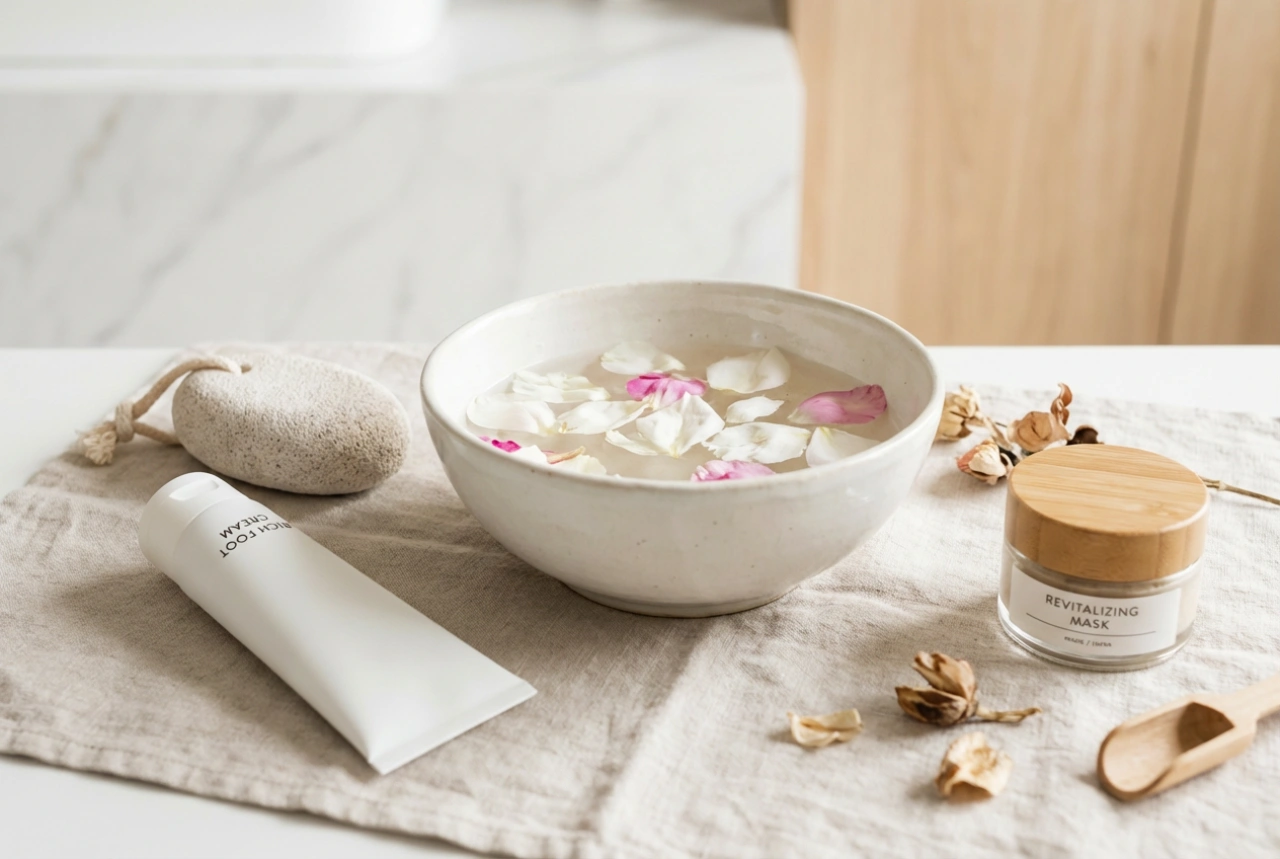
Begin your foot care ritual by softening the tough, outer layers of skin. Soak your feet in lukewarm water for about 10 to 15 minutes. This simple but crucial step prepares the skin for exfoliation. To enhance the softening effect, you can add a cup of Epsom salts or a few drops of a nourishing botanical oil, such as almond or jojoba oil, to the water. It is important to avoid using very hot water, as it can strip the skin of its natural oils and contribute to further dryness.
Step 2: Gentle Exfoliation
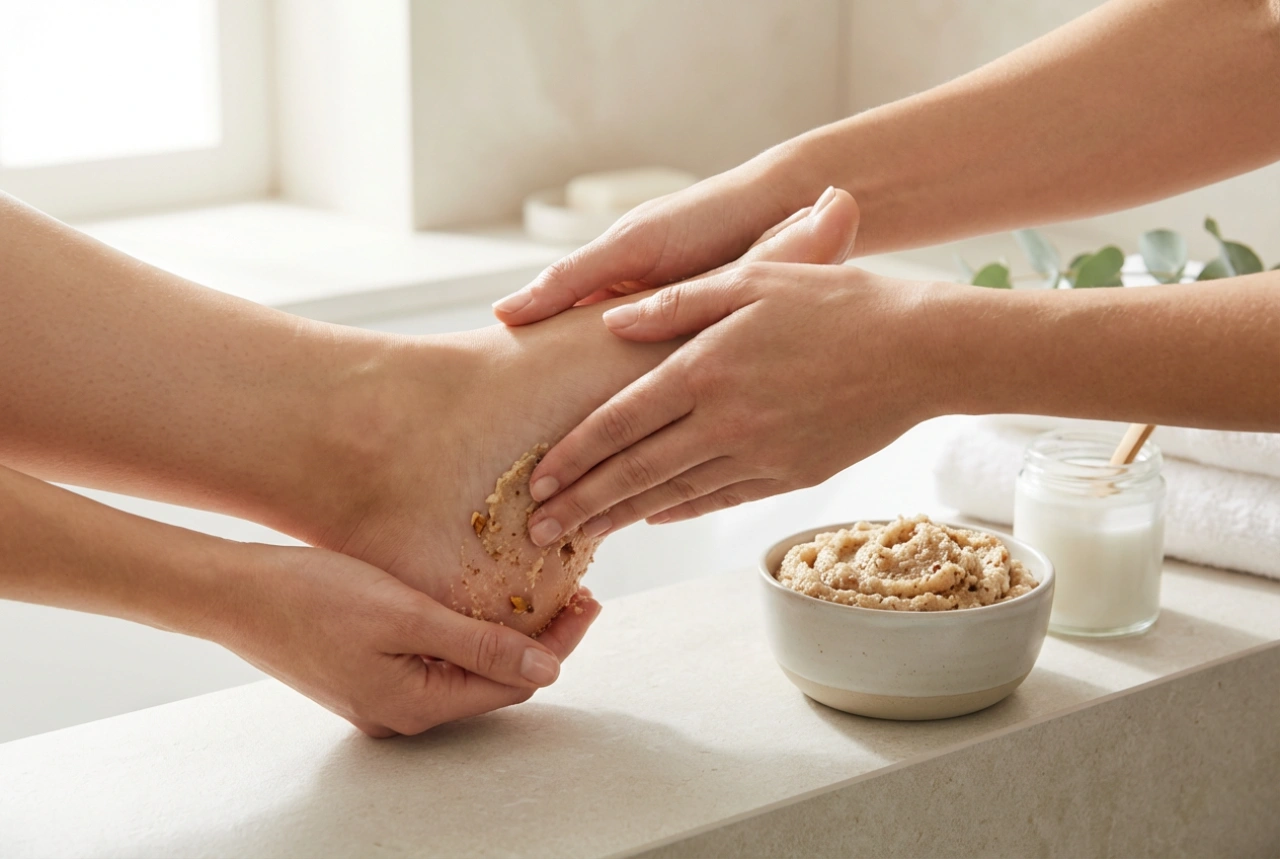
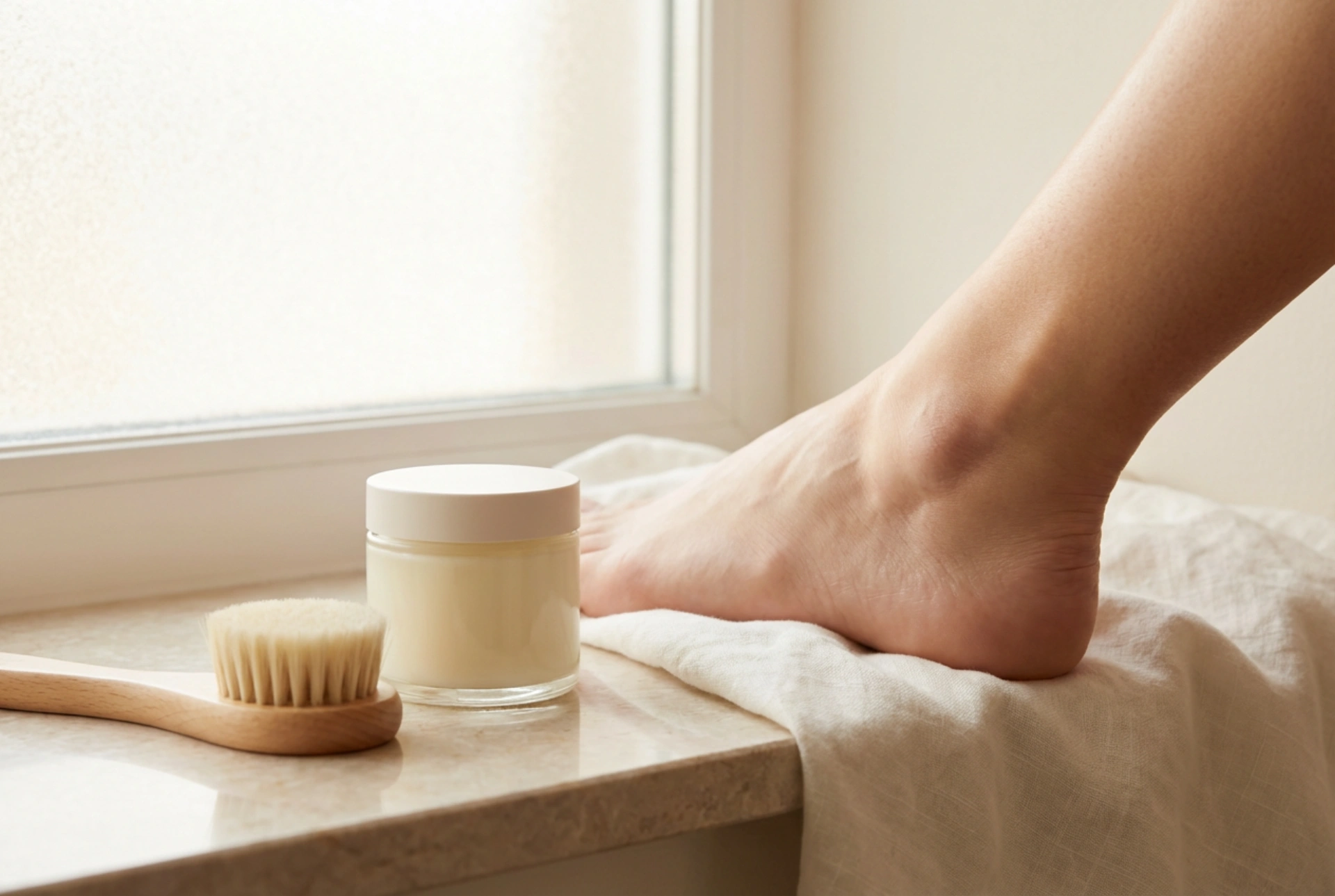
Once the skin on your heels is pliable and soft, it's time to gently exfoliate. Use a tool designed for this purpose, such as a pumice stone, a foot file, or an exfoliating brush. Lightly rub the tool over the calloused areas, always moving in a single direction to avoid irritating the skin. The objective is to slough away the surface layer of dead cells, not to scrub aggressively down to the sensitive skin beneath. This process should feel comfortable and never painful. For best results, exfoliate two to three times a week, always on softened skin.
Step 3: Moisturise and Protect
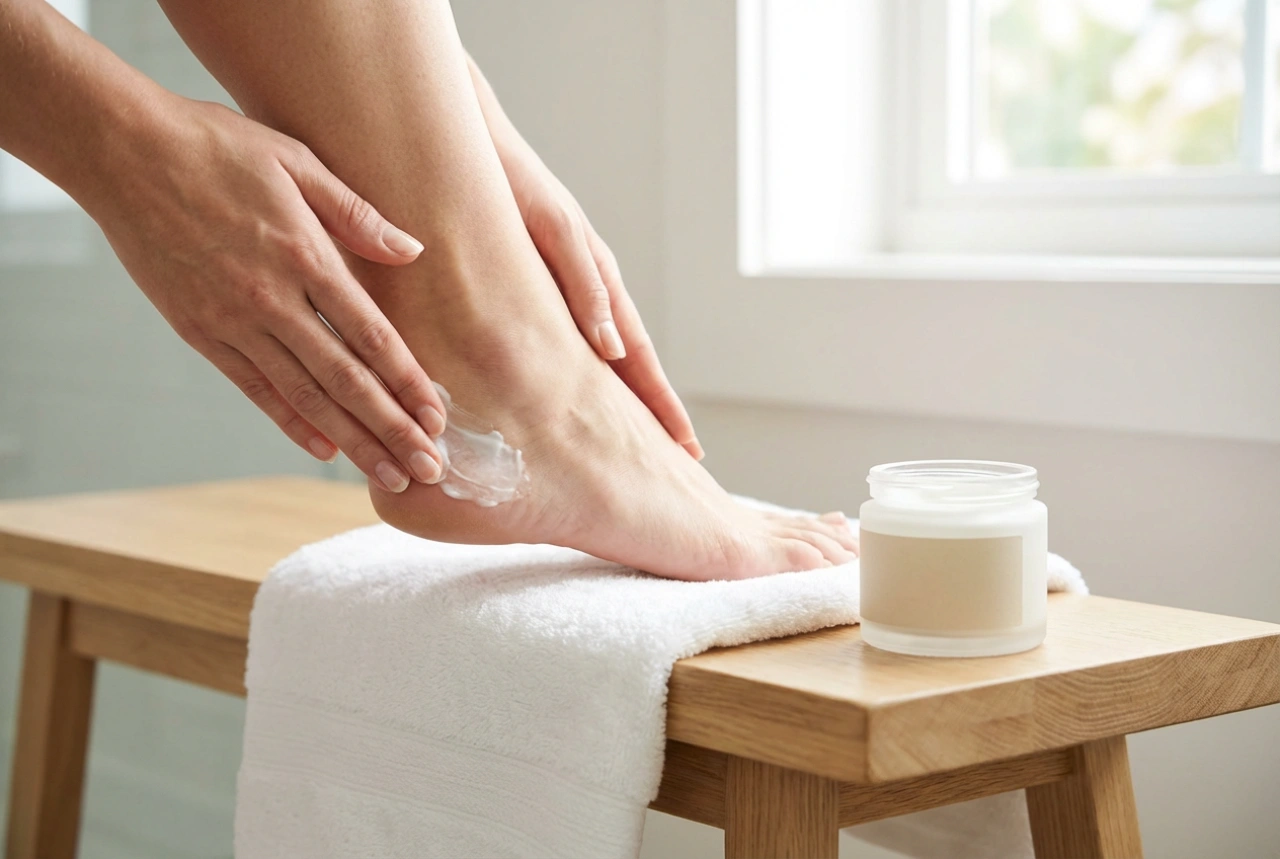
This final step is perhaps the most critical for healing and preventing cracked heels. Immediately after patting your feet dry, apply a generous amount of a rich, thick moisturising cream or foot balm. Look for products formulated with intensely hydrating and barrier-repairing ingredients such as urea, shea butter, glycerin, or lanolin. Massage the cream thoroughly into your heels, paying special attention to any cracks or particularly dry areas. For an intensive overnight treatment, apply a thick layer of balm and then wear a pair of cotton socks to bed. This traps the moisture and allows the product to penetrate deeply while you sleep, promoting healing and restoring softness.
Daily Habits for Preventing Cracked Heels
Prevention is just as important as treatment. To maintain soft and healthy heels, incorporate a few key habits into your daily routine. Moisturise your feet every single day, ideally after your bath or shower while the skin is still slightly damp to lock in hydration. Stay well-hydrated by drinking plenty of water throughout the day, as this benefits skin health all over your body. Also, pay attention to your footwear. Opt for shoes that are well-fitting, provide good arch support, and have a cushioned sole to reduce pressure on your heels.
Common Mistakes to Avoid in Foot Care
To ensure your routine is both safe and effective, be mindful of common pitfalls. Never use sharp implements like blades or scissors to try and cut away hard skin or calluses at home; this can easily lead to injury and should only be done by a trained professional. Furthermore, avoid the temptation to over-exfoliate. Scrubbing too hard or too often can cause soreness, redness, and damage the skin's protective barrier. If your cracked heels are particularly deep, painful, or show any signs of bleeding, it is advisable to consult a specialist for guidance.