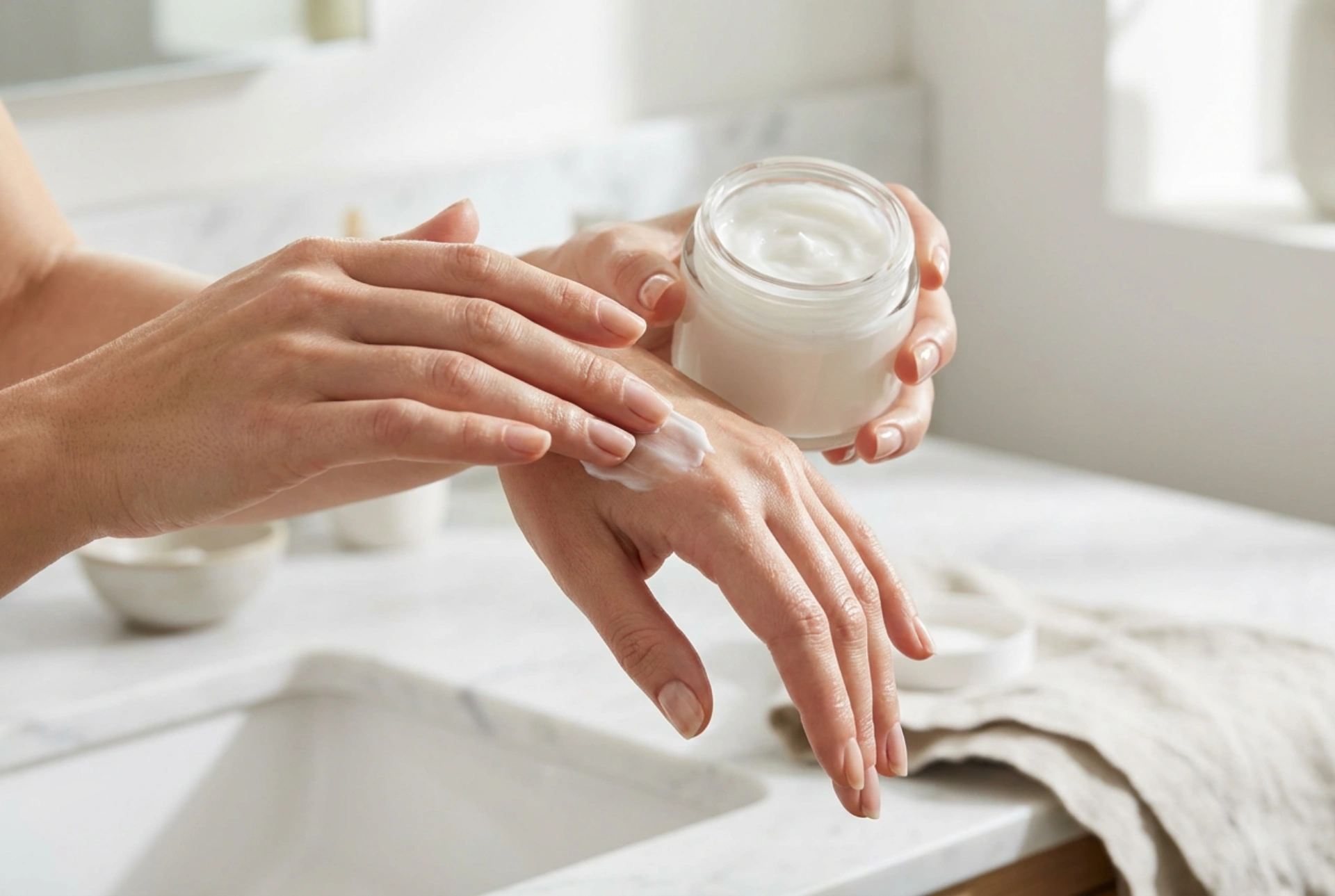


Our hands are constantly exposed to external factors that can weaken their natural protective barrier. Environmental conditions, frequent washing, and everyday household tasks often leave the skin on our hands feeling dry, rough, and prone to cracking. Taking care of your hands is not just about aesthetics; it is a vital part of maintaining a healthy and functional skin barrier. By understanding how to properly nourish this delicate area, you can restore softness and prevent future discomfort.
Understanding the hand skin barrier
The skin on the back of our hands is remarkably thin and contains very few sebaceous glands, which means it naturally lacks the lipids required to keep it moisturised. In contrast, the palms have a thicker outer layer but lack sebaceous glands entirely. This unique anatomy makes our hands exceptionally vulnerable to moisture loss. When the lipid barrier is disrupted, water evaporates rapidly from the epidermis, leading to dehydration, tightness, and eventually painful cracks.
Daily habits such as washing hands in hot water, using harsh soaps, and ignoring the weather can severely deplete the skin's natural oils. Once the barrier is compromised, ordinary tasks can become uncomfortable. To prevent this, a proactive approach to hydration and protection is essential for maintaining supple, smooth skin throughout the year.
Choosing the right ingredients for regeneration
To repair cracked skin, it is important to look for cosmetic products containing specific ingredients that mimic the skin's natural lipid structure and promote moisture retention. A good hand cream should offer a combination of humectants, emollients, and occlusives to provide comprehensive care.
- Glycerin: A classic humectant that draws water into the outer layers of the skin, keeping it hydrated.
- Plant-based oils and butters: Ingredients like shea butter, sweet almond oil, and jojoba oil supply essential fatty acids to rebuild the lipid barrier.
- Allantoin and panthenol: These soothing compounds help calm irritated skin, reduce redness, and support natural regeneration processes.
- Urea: In low concentrations, urea acts as a powerful humectant, softening rough patches and improving skin elasticity.
Using a rich cream regularly throughout the day, especially after every hand wash, ensures that the skin remains continuously protected and hydrated, preventing the formation of deep cracks.
Daily habits for hand protection
Implementing small changes in your daily routine can make a significant difference in the condition of your hands. Protection should always be your first line of defence against dryness.
Gentle cleansing routines
Avoid washing your hands with extremely hot water, as this strips away the natural lipid barrier. Instead, use lukewarm water and opt for mild, soap-free cleansers or lipid-enriched hand washes. After washing, gently pat your hands dry with a soft towel rather than rubbing them vigorously.
The role of protective gloves
Whether you are washing dishes, cleaning the house, or gardening, always wear protective gloves. Household detergents and cleaning agents contain strong surfactants that dissolve the skin's natural oils instantly. Additionally, when stepping outside in cold or windy weather, make sure to wear warm gloves to shield your hands from dry air and low temperatures.
An intensive overnight treatment
When your hands require extra care, an intensive overnight treatment can work wonders. During sleep, the skin's natural regeneration processes are most active, making it the perfect time to apply a concentrated dose of moisture.
Before going to bed, apply a generous, thick layer of a rich regenerating cream or a nourishing ointment to your hands. Massage it gently into the skin, paying special attention to the cuticles and any dry areas between the fingers. To enhance the absorption of the cream and prevent it from rubbing off on your bedsheets, you can wear loose, breathable cotton gloves. By morning, you will notice a significant improvement in the softness and suppleness of your skin.