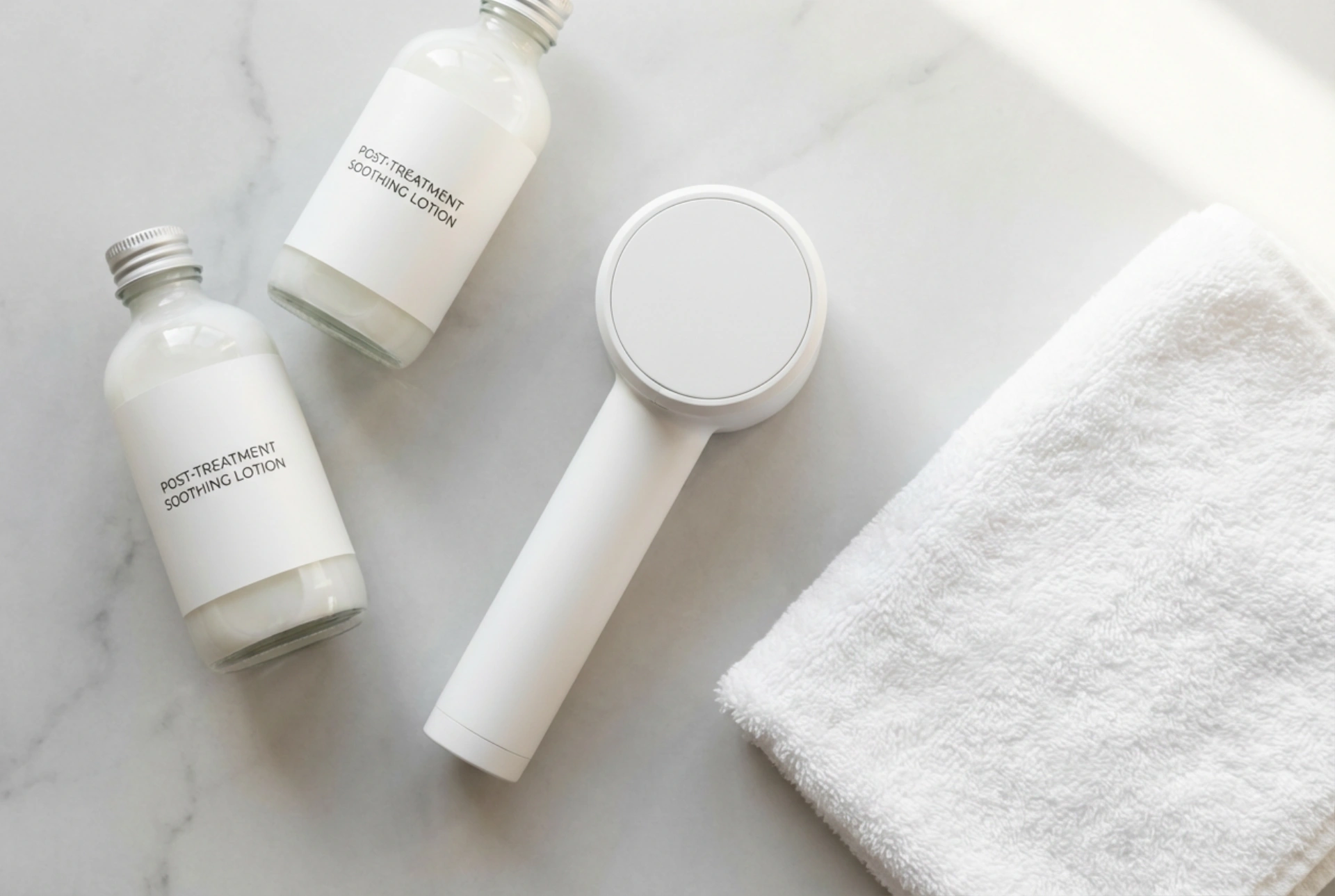


Achieving smooth skin in the comfort of your own home has become increasingly accessible thanks to modern beauty technology. A sleek, unbranded home hair removal device, placed gently alongside soothing post-treatment lotions and a soft towel, represents the ultimate modern self-care ritual. To ensure that your at-home hair removal sessions are both safe and highly effective, it is essential to understand the core principles of preparation, scheduling, and subsequent skin care. With the right approach, this routine can yield beautiful, long-lasting results while maintaining the health of your skin barrier.
How to prepare your skin for at-home hair removal
Proper preparation is the foundation of a successful hair removal session. For the light energy to target the hair follicle effectively, the hair must be in the correct state. Unlike salon waxing, at-home light-based devices require the hair root to remain intact under the skin.
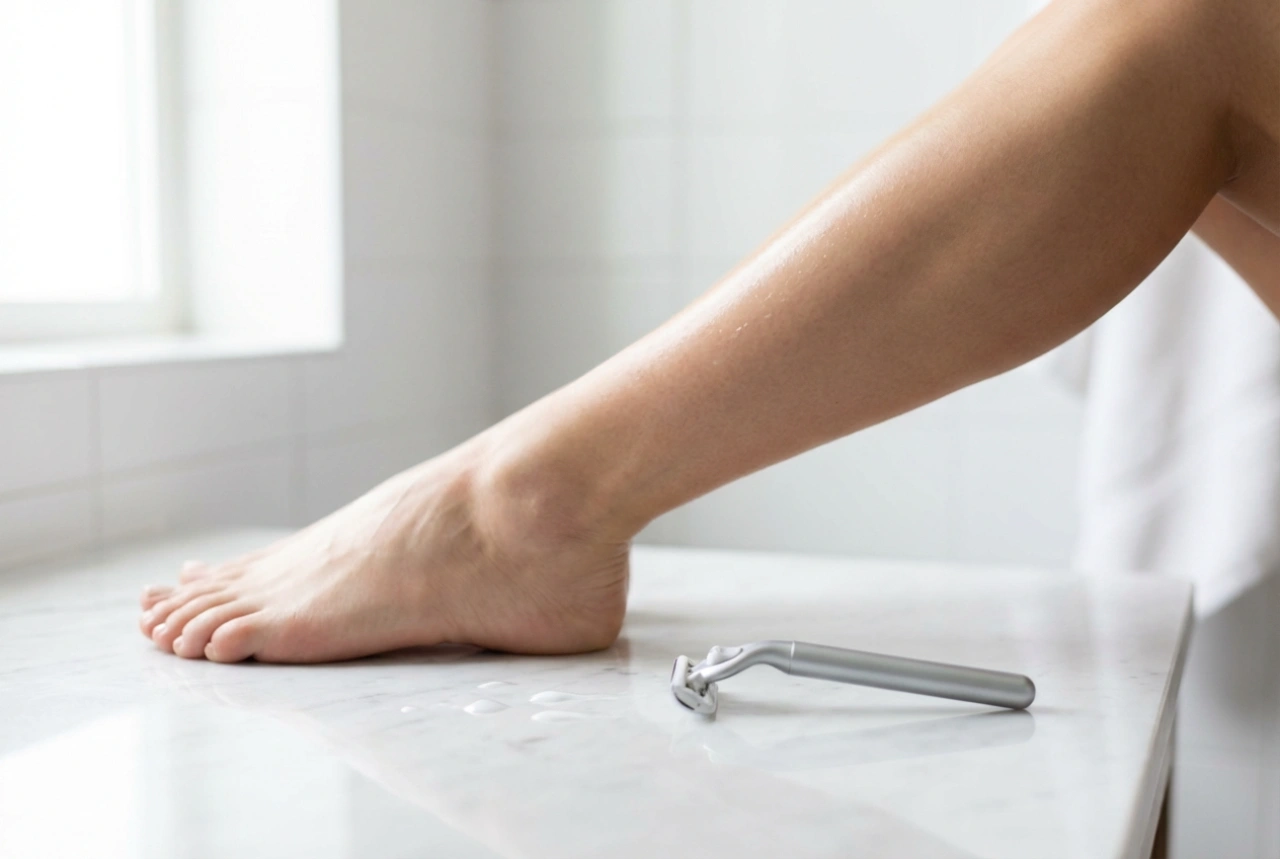
- Shave the area: Shave the target area 12 to 24 hours before your session. This ensures that the light energy travels directly down the hair shaft to the root rather than burning the hair on the surface of the skin.
- Cleanse thoroughly: Ensure the skin is completely free from cosmetic products, self-tanners, oils, deodorants, and moisturisers. The skin surface must be dry and clean.
- Avoid UV exposure: Do not use the device on sunburnt skin or immediately after intense sun exposure. Safe treatment requires your skin to be in its natural state without active irritation.
Understanding treatment intervals and consistency
Consistency is key when using an at-home device. Hair grows in different phases, and the technology only targets hairs that are in the active growth phase (anagen). This is why a single session will not target all hairs at once.
The initial phase
During the first few weeks, sessions are typically scheduled once every fortnight. This frequency helps to capture the maximum number of hairs as they enter their active growth cycle. It is important to follow the guidelines provided with your specific device, as overtaking sessions will not speed up the process and may cause skin irritation.
The maintenance phase
Once you notice a significant reduction in hair growth, the intervals between sessions can be gradually extended. Maintenance sessions are usually performed once every four to eight weeks, depending on individual hair growth patterns, to keep the skin continuously smooth.
Essential post-treatment care for delicate skin
After a session, your skin may feel slightly warm or sensitive. Providing the right post-treatment care is vital to soothe the skin and prevent any temporary redness.
- Cooling and hydration: Apply a gentle, unbranded soothing lotion containing ingredients like aloe vera or panthenol. This helps to calm the skin and restore moisture.
- Avoid heat and friction: For 24 to 48 hours after your treatment, avoid hot baths, saunas, intense workouts, and tight clothing that could rub against the treated areas.
- Sun protection: Always protect the treated areas with a high-SPF sunscreen when going outdoors, as the skin is temporarily more sensitive to ultraviolet light.
Creating a safe and relaxing beauty ritual
Integrating at-home hair removal into your lifestyle should feel like a pampering ritual rather than a chore. Prepare a clean, comfortable space, ensure you have your favorite soothing creams at hand, and take your time during the application. By respecting the natural cycles of your skin and hair, you can enjoy a gentle, effective, and sophisticated beauty routine that delivers smooth, radiant skin over time.