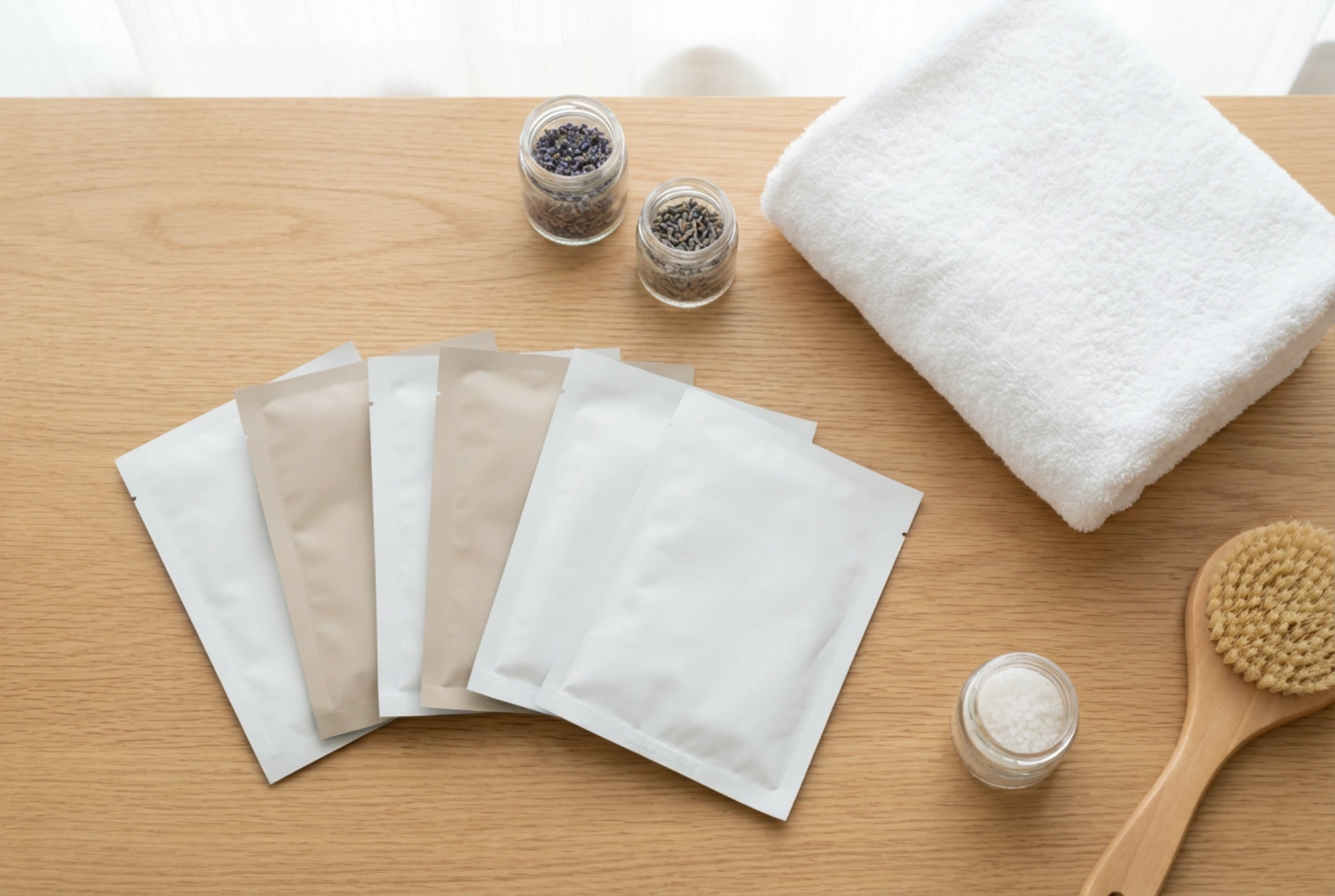


Our feet carry us through every single day, yet they are often the most neglected part of our body care routine. Providing them with dedicated care is essential for maintaining soft, smooth, and healthy-looking skin. Incorporating a nourishing foot mask into your weekly routine, while relaxing in a peaceful setting with soft towels and gentle botanical accents, can elevate your self-care ritual and deliver remarkable results. Understanding the different options available and how to use them correctly is the key to achieving beautiful feet at home.
The Different Types of Foot Masks
Foot masks come in several formulations, each designed to address specific skin needs. Choosing the right one depends on your current skin condition and the results you wish to achieve. The most common varieties include:
- Exfoliating Foot Masks: These are typically designed as plastic booties pre-filled with liquid containing fruit acids and gentle peeling agents. They work by loosening the bonds between dead skin cells, leading to a natural peeling process that occurs over several days, leaving behind soft, renewed skin.
- Deeply Moisturising Masks: Ideal for dry and dehydrated feet, these masks are enriched with rich butters, oils, and humectants such as glycerin. They provide intensive hydration, restore the skin barrier, and help prevent dryness from returning.
- Clay and Mud Masks: Applied as a thick paste, these traditional masks are excellent for refreshing tired feet, absorbing excess oils, and offering a soothing, cooling sensation after a long day of standing.
Step-by-Step Application Guide
To get the most out of your chosen foot mask, it is important to follow a structured application process. Proper preparation ensures that the active ingredients can penetrate the skin effectively.
Step 1: Preparation and Cleansing
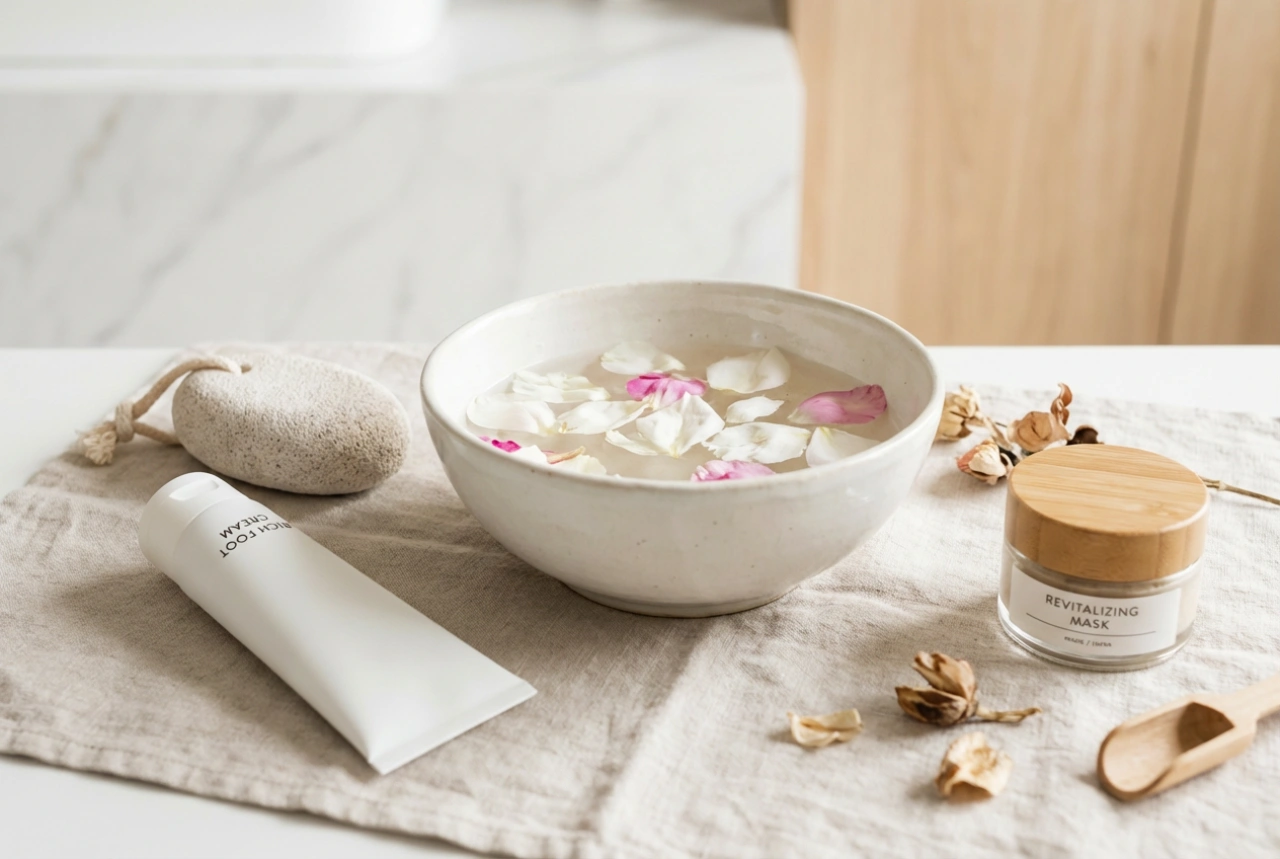
Begin by thoroughly washing your feet in warm water. A gentle foot soak can help soften the outer layer of the skin, making it more receptive to the mask. Pat your skin completely dry with a clean towel before proceeding.
Step 2: Mask Application
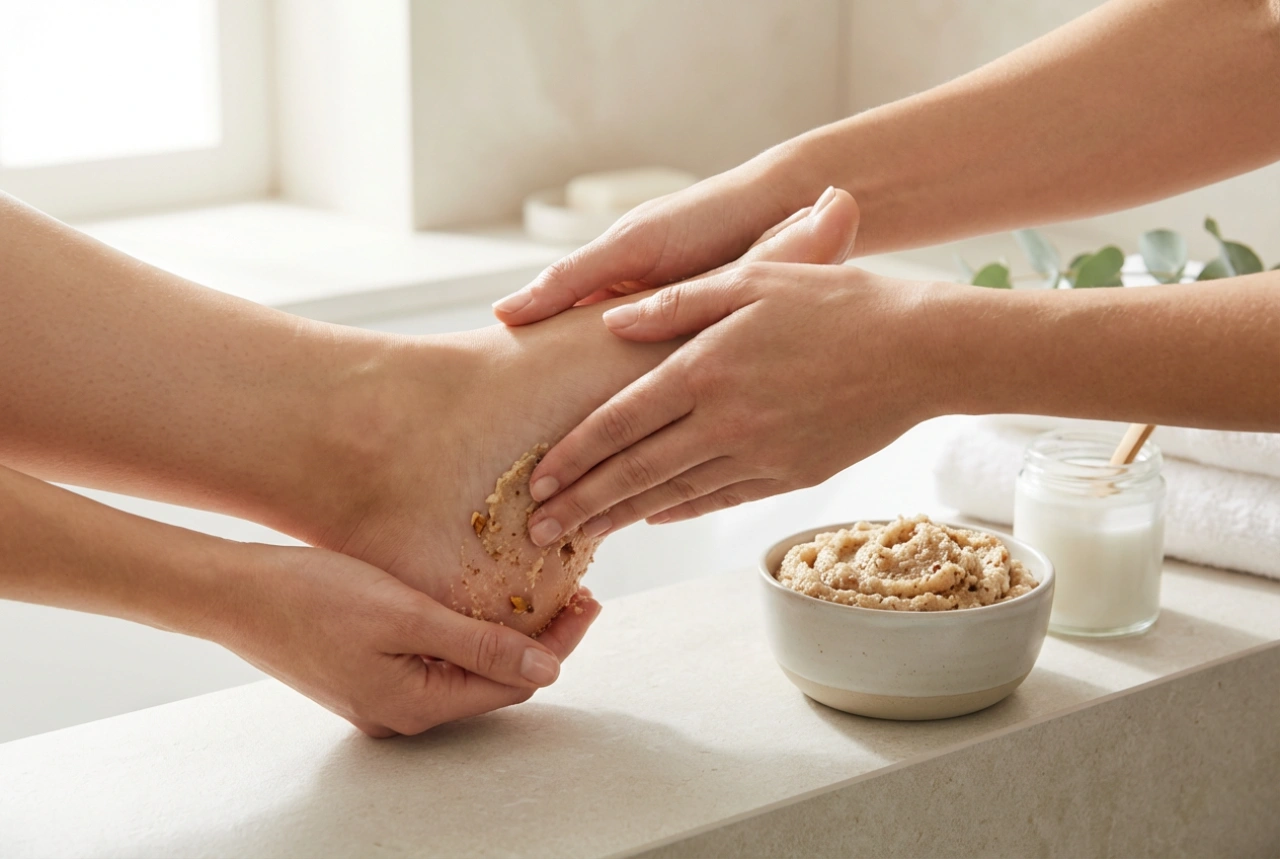
If you are using sock-type masks, carefully slip your feet inside and secure them using the provided adhesive tabs. For wash-off clay or cream masks, apply an even, generous layer over the entire foot, focusing on drier areas like the heels and the balls of the feet.
Step 3: Relaxation Time
Allow the mask to work for the duration specified on the packaging. To enhance the experience and prevent slips, you can wear a pair of cosy cotton socks over the plastic booties. This also helps to retain natural body heat, boosting the absorption of the nourishing ingredients.
Step 4: Removal and Massage
Once the time is up, remove the booties or rinse away the wash-off mask with lukewarm water. If there is any excess serum left on the skin from a sheet mask, gently massage it into your feet and ankles instead of wiping it away.
Common Mistakes to Avoid
Even with the best products, simple errors in your routine can minimise the benefits of a foot mask or lead to unnecessary irritation. Keep these common pitfalls in mind:
- Overusing Exfoliating Masks: Peeling masks should only be used occasionally. Applying them too frequently can thin the skin and lead to sensitivity or discomfort.
- Peeling the Skin Manually: When using an exfoliating mask, dead skin will naturally start to shed after a few days. Resist the urge to pull or peel this skin off yourself, as this can damage the healthy skin underneath. Let the process happen naturally.
- Applying to Damaged Skin: Never apply any foot mask, especially peeling varieties, to broken skin, open scratches, or highly irritated areas. Always wait until the skin has completely recovered.
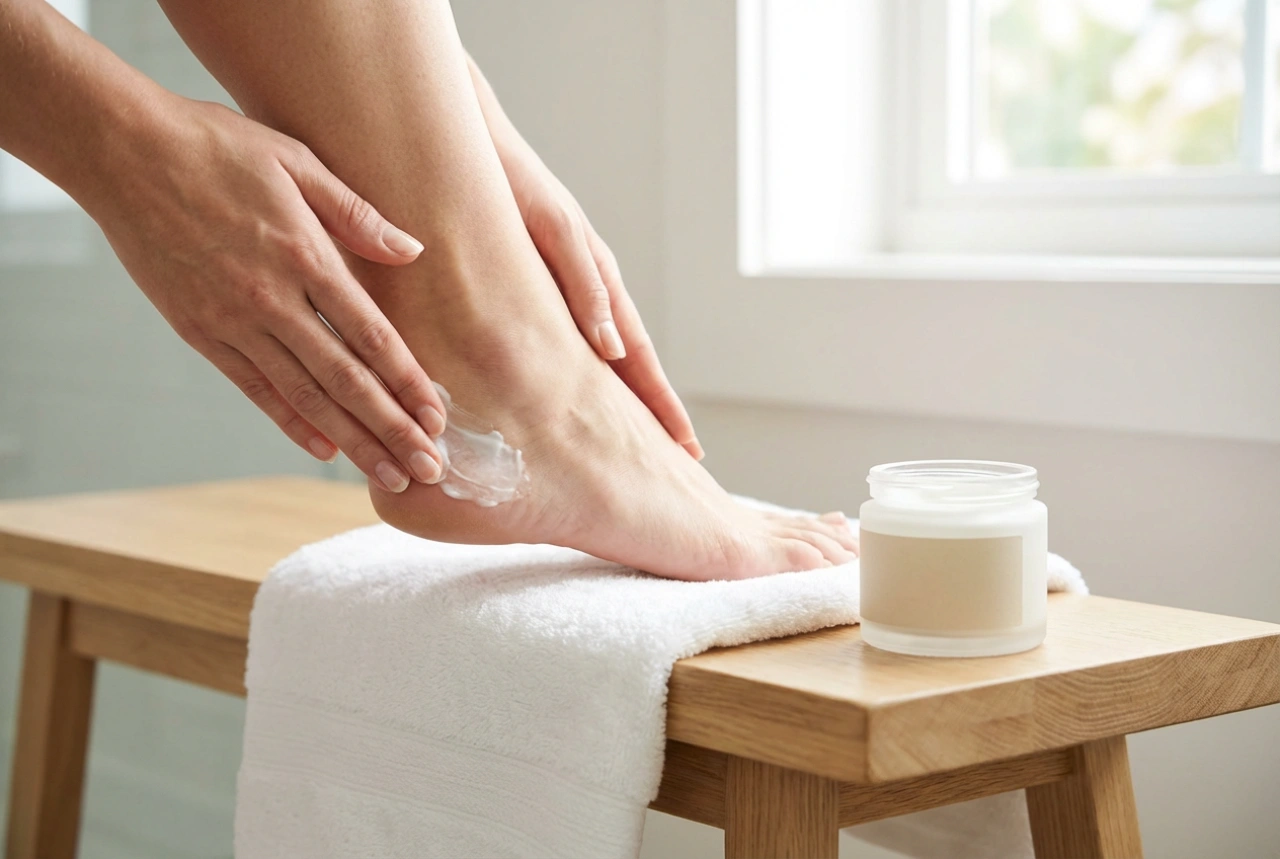
- Neglecting Daily Moisture: A foot mask is an excellent weekly boost, but it does not replace the need for daily moisturisation. For long-lasting softness, apply a simple foot cream every evening before bed.