

Maintaining clean hands has become a fundamental part of our daily routines. In our efforts to keep germs at bay, we often rely heavily on hand-held sanitising gels and sprays. However, frequent exposure to alcohol-based formulas can take a toll on the delicate skin of our hands, leading to dryness, irritation, and a compromised skin barrier. Finding the right balance between hygiene and nourishment is essential for healthy, beautiful skin. By understanding how to apply disinfectants correctly and following up with target moisturisation, you can easily maintain both cleanliness and softness.
The Correct Way to Use Hand Sanitiser
To ensure that your hand sanitiser is effective without causing unnecessary harm to your skin, correct application is key. Many of us quickly rub a drop of gel onto our palms and move on, but this often leaves areas exposed. For proper sanitisation, a generous amount of product should be applied to cover all surfaces of the hands.
Rub your hands palm to palm, and make sure to interlace your fingers to clean the spaces in between. Do not forget the backs of your hands, the thumbs, and your wrists. The entire process should take about twenty seconds, and you must allow the product to dry completely on its own. Wiping the sanitiser off with a tissue or waving your hands to speed up drying reduces its efficacy and can further dry out the skin.
Understanding the Skin Barrier and Sanitiser Impact
The skin on our hands is naturally thin and has fewer sebaceous glands than other parts of the body, making it particularly prone to dehydration. Most effective hand sanitisers contain a high percentage of alcohol, which is necessary to neutralise pathogens. Unfortunately, alcohol also dissolves the natural lipids that hold our skin cells together, disrupting the protective barrier.
When this barrier is weakened, moisture escapes more rapidly, leading to trans-epidermal water loss. This is why hands can feel tight, rough, or show signs of flaking after repeated sanitiser use. Protecting this barrier requires consistent replenishment of lipids and moisture immediately after the sanitisation process has completed its job.
The Golden Rules of Post-Sanitisation Hand Care
To counteract the drying effects of frequent sanitising, implementing a structured hand care routine is vital. It is not about using fewer hygiene products, but rather about being more diligent with your moisturising habits. Here are the most effective ways to protect your hands:
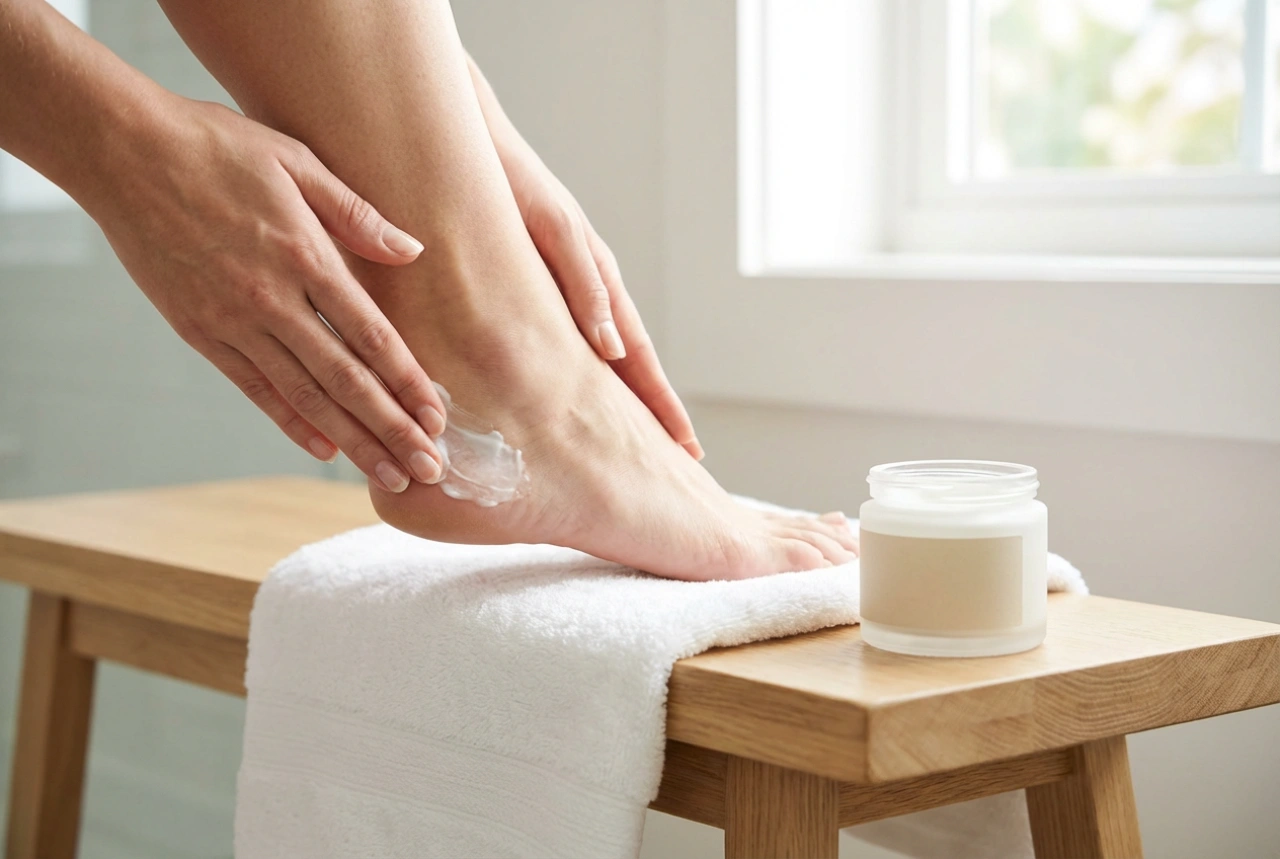
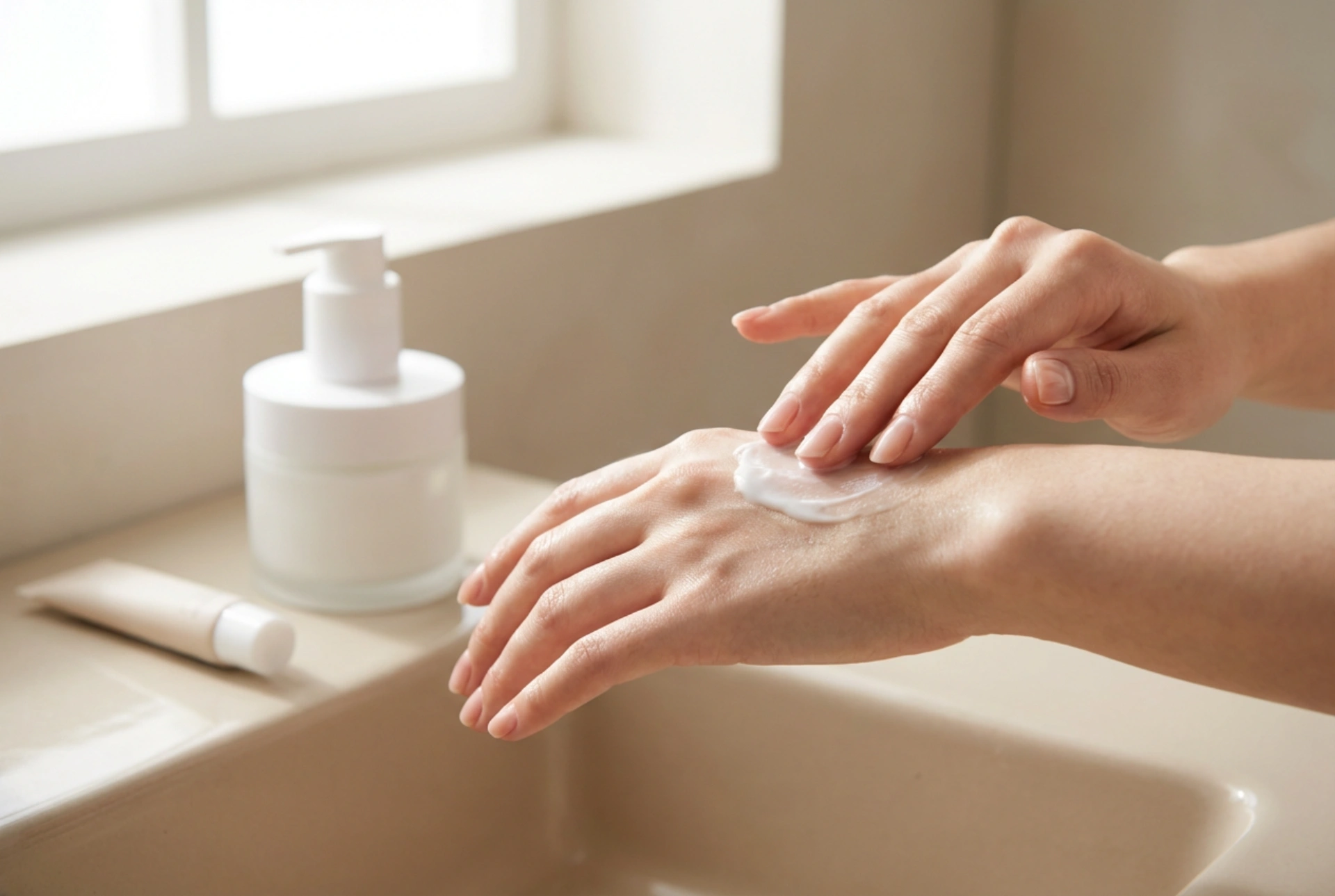
- Apply cream immediately: Keep a hydrating hand cream next to your sanitiser. Once the sanitiser has dried completely, apply a layer of cream to lock in moisture and rebuild the lipid barrier.
- Choose rich formulations: Look for hand creams containing nourishing ingredients like plant oils, shea butter, glycerin, or ceramides, which help mimic the skin's natural lipid layer.
- Opt for gentle soaps at home: When you are near a sink, wash your hands with lukewarm water and a mild, fragrance-free cleanser instead of using sanitiser. Pat your hands dry gently with a soft towel rather than rubbing them.
- Night-time treatment: Apply a thick layer of a rich, restorative balm before going to bed. This allows your skin to recover and regenerate during the night without constant exposure to external aggressors.
Choosing the Right Hydrating Ingredients
When selecting hand care products to accompany your sanitisation routine, paying attention to the ingredient list can make a significant difference. To restore dry skin, look for products that combine humectants and emollients. Humectants draw moisture into the skin, while emollients seal it in and smooth the surface.
Ingredients such as urea, hyaluronic acid, and glycerin are excellent humectants that bind water to the outer layers of the skin. On the other hand, natural plant oils, such as almond oil, jojoba oil, and shea butter, act as superb emollients. They mimic the skin's natural sebum, providing a protective cushion that prevents further dehydration caused by environmental factors and alcohol exposure.