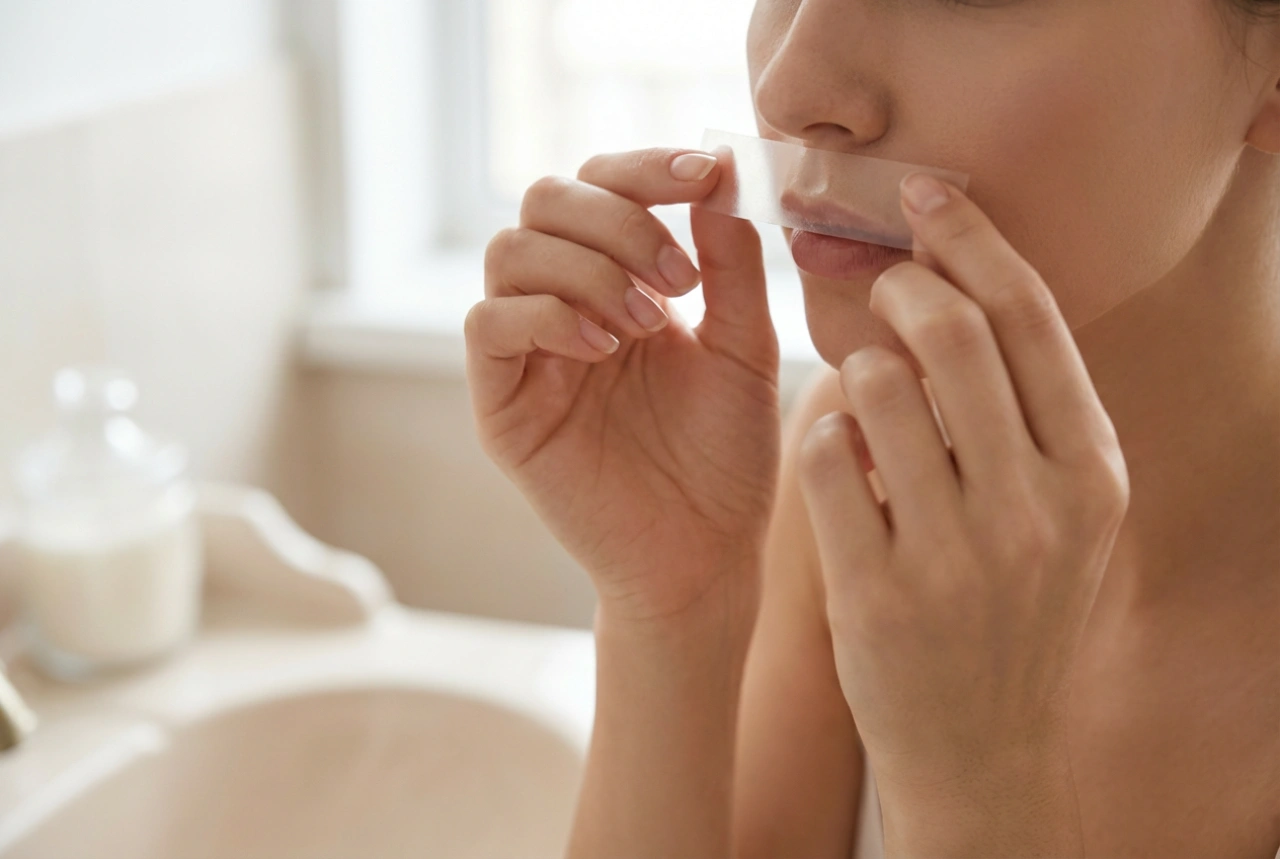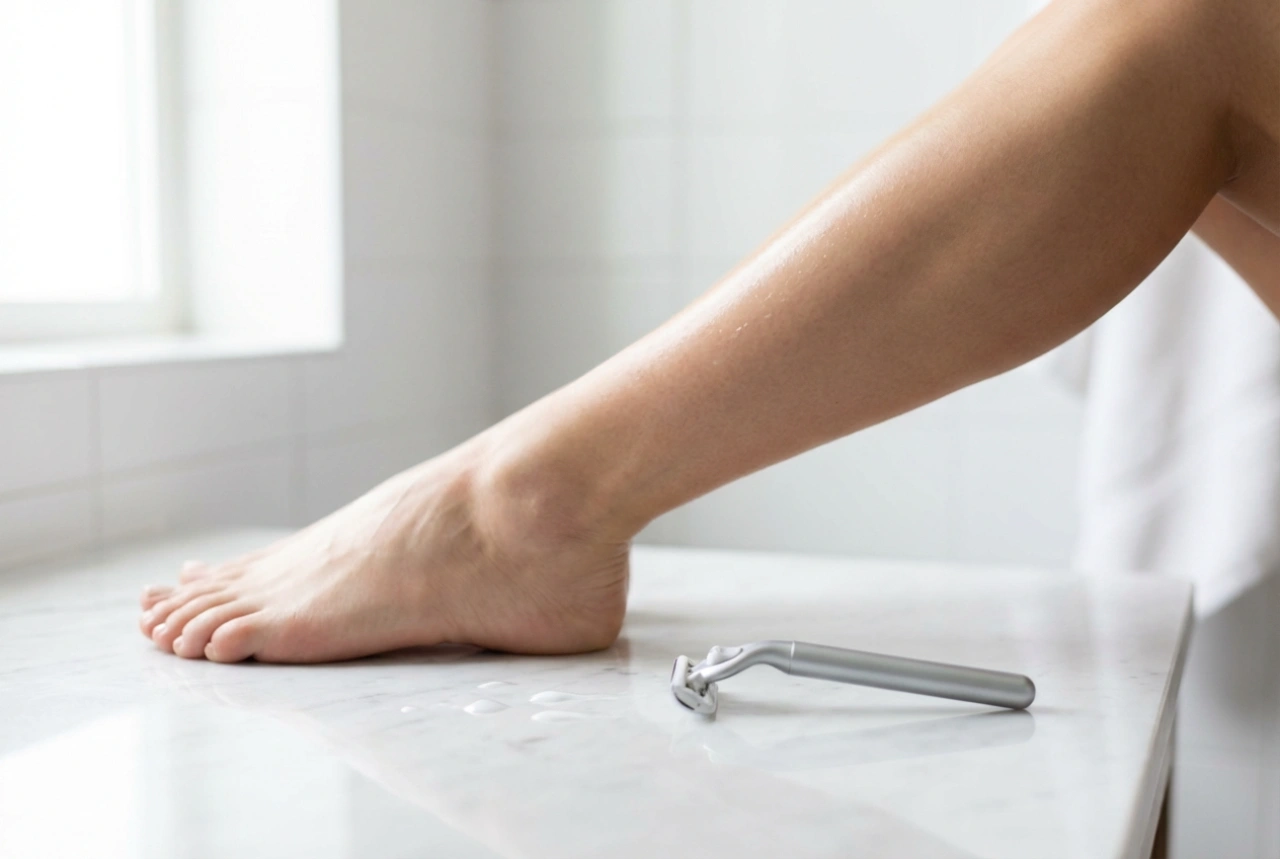


Achieving perfectly smooth skin is a common goal in daily beauty routines, yet many individuals struggle with the uncomfortable and unsightly issue of ingrown hairs. This common concern often arises after hair removal, when a hair curls back or grows sideways into the skin. Choosing the right skincare products, particularly a specialised cream for ingrown hairs, can make a significant difference in restoring a clear, soft, and healthy-looking complexion. Understanding how these formulations work and how to integrate them safely into your routine is key to achieving optimal results.
How creams for ingrown hairs work
Creams designed to target ingrown hairs generally focus on two primary actions: gentle exfoliation and deep hydration. Unlike physical scrubs, which can sometimes irritate compromised skin, these creams often utilise chemical exfoliants such as alpha-hydroxy acids (AHAs) or beta-hydroxy acids (BHAs). These ingredients work by gently dissolving the dead skin cells that clog pores and trap hairs beneath the surface.
In addition to exfoliating agents, high-quality formulations incorporate soothing and moisturising ingredients. When the skin barrier is properly hydrated, it remains pliable and soft, allowing new hairs to grow straight through the follicle rather than becoming trapped. This dual action not only helps to release existing ingrown hairs but also actively prevents new ones from forming.
The correct way to apply the cream
To get the most out of your product, consistent and correct application is essential. Always begin with clean, dry skin. Applying the cream immediately after a warm bath or shower is highly beneficial, as the warmth and moisture help to soften both the skin and the hair, making the active ingredients more effective.
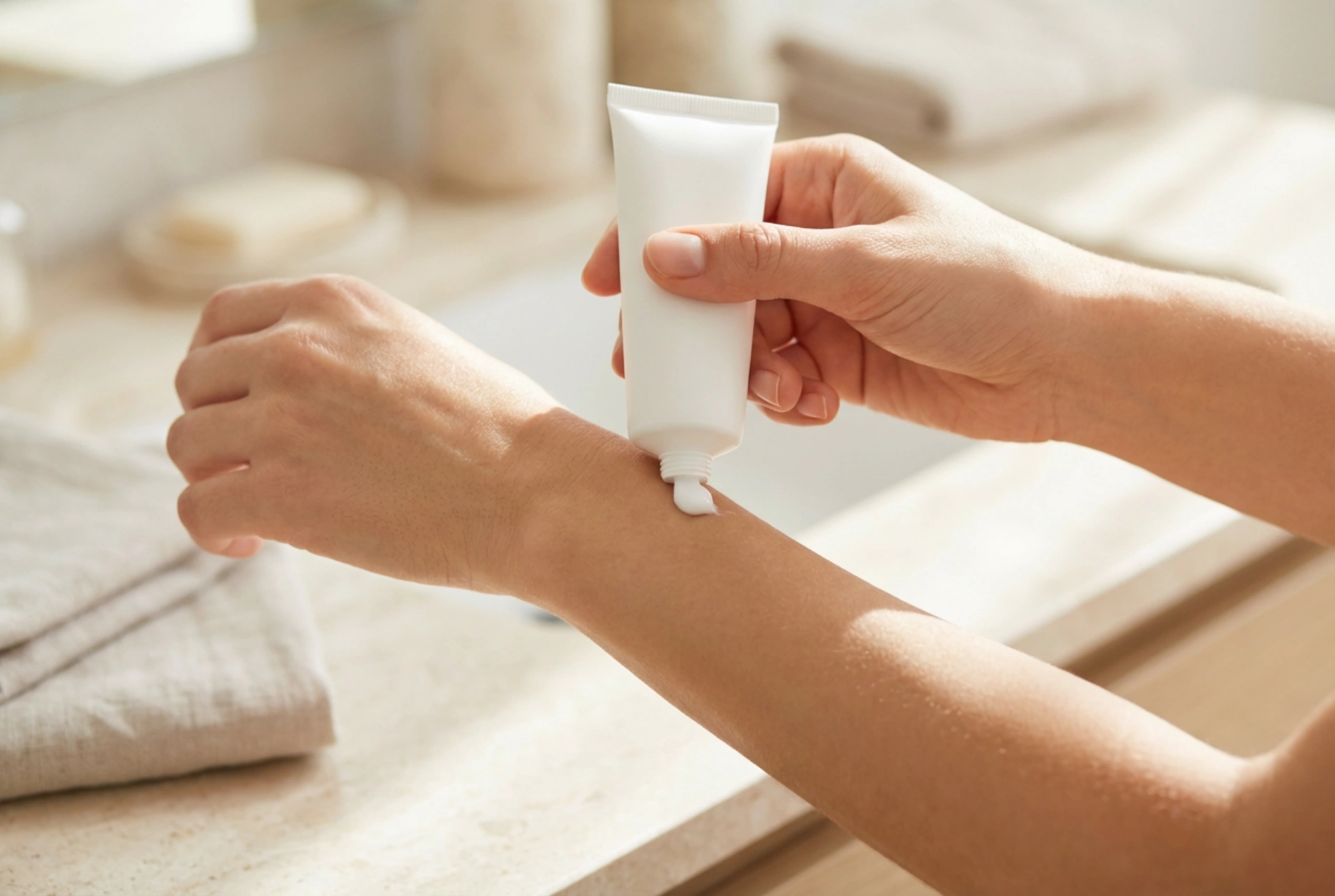
- Start with a small amount: Dispense a pea-sized amount of the cream onto your fingertips. A little goes a long way, especially with active exfoliating formulas.
- Apply with gentle motions: Smooth the cream over the affected areas using light, circular motions. Avoid rubbing vigorously, as this can irritate the skin.
- Allow full absorption: Let the product sink in completely before dressing to ensure it is not rubbed off by clothing.
- Frequency of use: Follow the product instructions carefully. Most gentle formulas are designed for daily use, while stronger ones might be recommended only two to three times a week.
Common mistakes to avoid
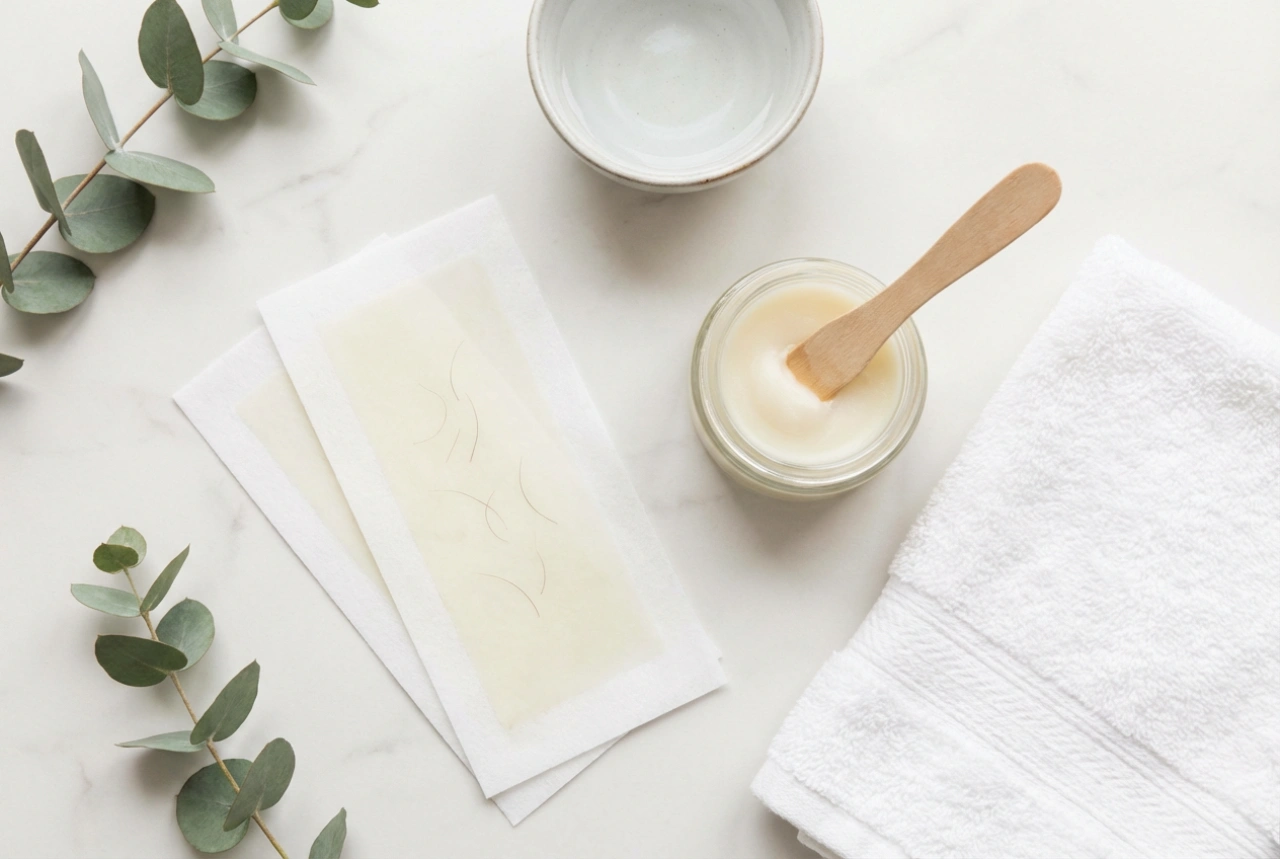
While using a specialised cream is highly effective, certain habits can hinder your progress or even worsen skin irritation. One of the most critical mistakes is applying the cream immediately after hair removal. Freshly shaved or waxed skin has micro-tears and is highly sensitive. Applying active exfoliating acids right away can cause intense burning and redness. It is best to wait at least 12 to 24 hours after hair removal before applying active creams.Another major pitfall is attempting to squeeze or pick at the trapped hairs. Using tweezers or fingers to force a hair out can introduce bacteria, leading to deeper skin irritation and potential scarring. Instead, let the cream do the work of gently exfoliating the outer layer of skin until the hair naturally frees itself.
Daily habits for smoother skin
In addition to using a targeted cream, adopting supportive skincare habits will enhance your results. Wearing loose-fitting clothing made from natural, breathable fabrics like cotton can significantly reduce friction and sweat buildup, both of which contribute to blocked follicles. Regularly moisturising the entire body with a lightweight, non-comedogenic lotion also keeps the skin supple, making it much easier for hair to grow out normally. Consistent, gentle care is always the most effective path to smooth and beautiful skin.