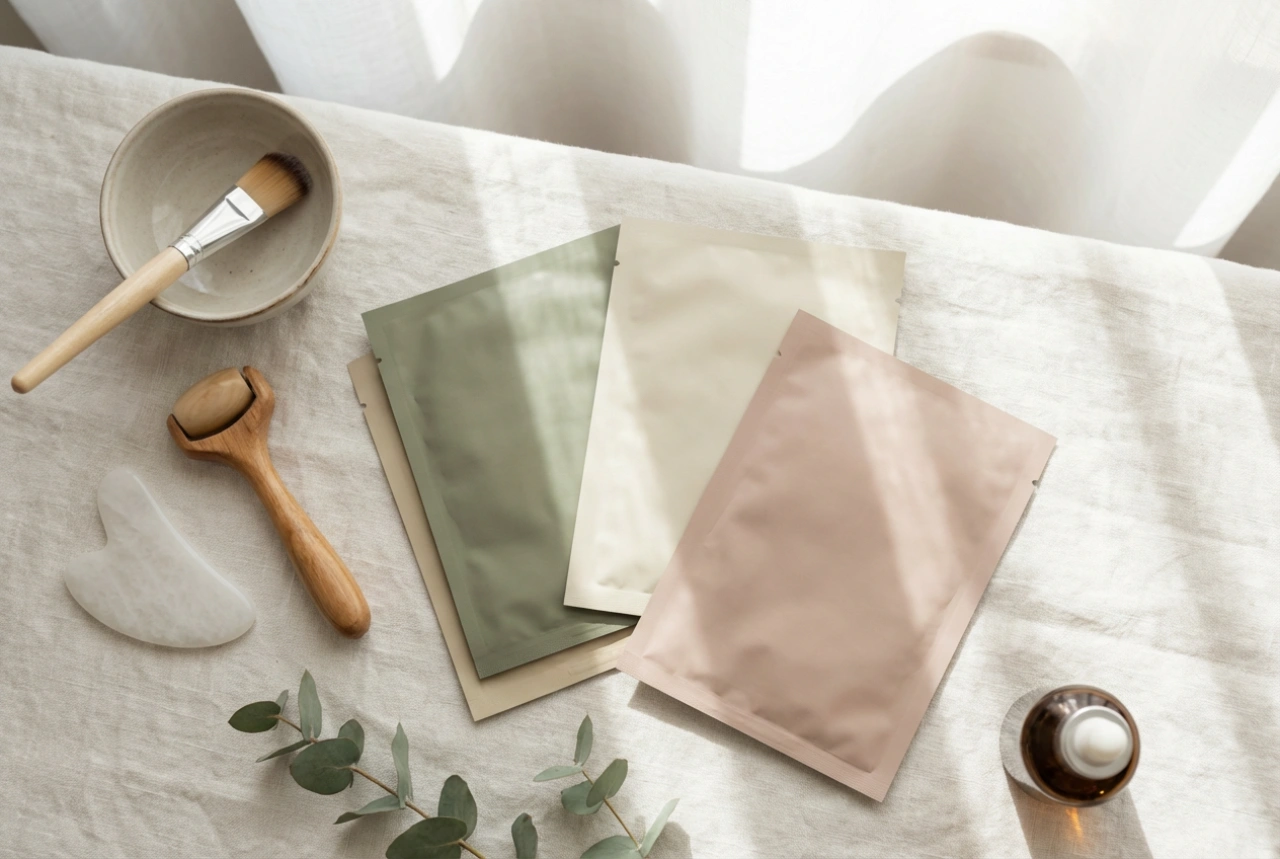


Sheet masks have become an essential part of many skincare routines, offering a simple yet effective way to deliver a concentrated dose of beneficial ingredients to the skin. This single-use treatment, soaked in a nutrient-rich serum, provides an immediate boost of hydration and a spa-like experience from the comfort of your own home. Understanding how to choose the right mask and use it correctly is key to unlocking its full potential and achieving that sought-after radiant glow.
Choosing the Right Sheet Mask for Your Skin
The effectiveness of a sheet mask lies in its formulation. With countless options available, selecting one tailored to your specific skin concerns is the first step towards a successful treatment. Look for key ingredients on the packaging that align with your skin's needs.
For Dry or Dehydrated Skin
If your skin feels tight, flaky, or lacks lustre, search for masks rich in humectants. These ingredients draw moisture from the air into your skin. Key players include hyaluronic acid, which can hold many times its weight in water, as well as glycerin, aloe vera, and ceramides. These will help to restore the skin's moisture barrier and leave it feeling plump and supple.
For Oily or Combination Skin
Those with oily or combination skin can benefit from masks that help to balance sebum production and clarify the pores without stripping the skin. Ingredients like charcoal are known for their ability to draw out impurities, while gentle exfoliants like salicylic acid (a BHA) can help to keep pores clear. Formulations containing tea tree or witch hazel can also offer purifying properties, leaving the skin feeling fresh and matte.
For Sensitive Skin
Sensitive skin requires gentle, soothing care. Avoid masks with strong fragrances, alcohol, or harsh active ingredients. Instead, opt for masks infused with calming botanicals. Ingredients like centella asiatica (also known as cica), chamomile, calendula, and green tea extract are excellent choices for reducing redness and irritation, promoting a sense of comfort and balance.
For Mature or Dull Skin
To address concerns like fine lines, loss of elasticity, and a dull complexion, look for masks with revitalising and firming ingredients. Peptides and collagen can help to improve the appearance of skin firmness and texture. Antioxidants, such as vitamin C and niacinamide, are fantastic for brightening the skin and protecting it from environmental stressors, contributing to a more youthful and even-toned appearance.
How to Properly Apply a Sheet Mask
Proper application ensures that every part of your face receives the full benefits of the essence. Following a few simple steps can transform your masking session into an effective and relaxing ritual.
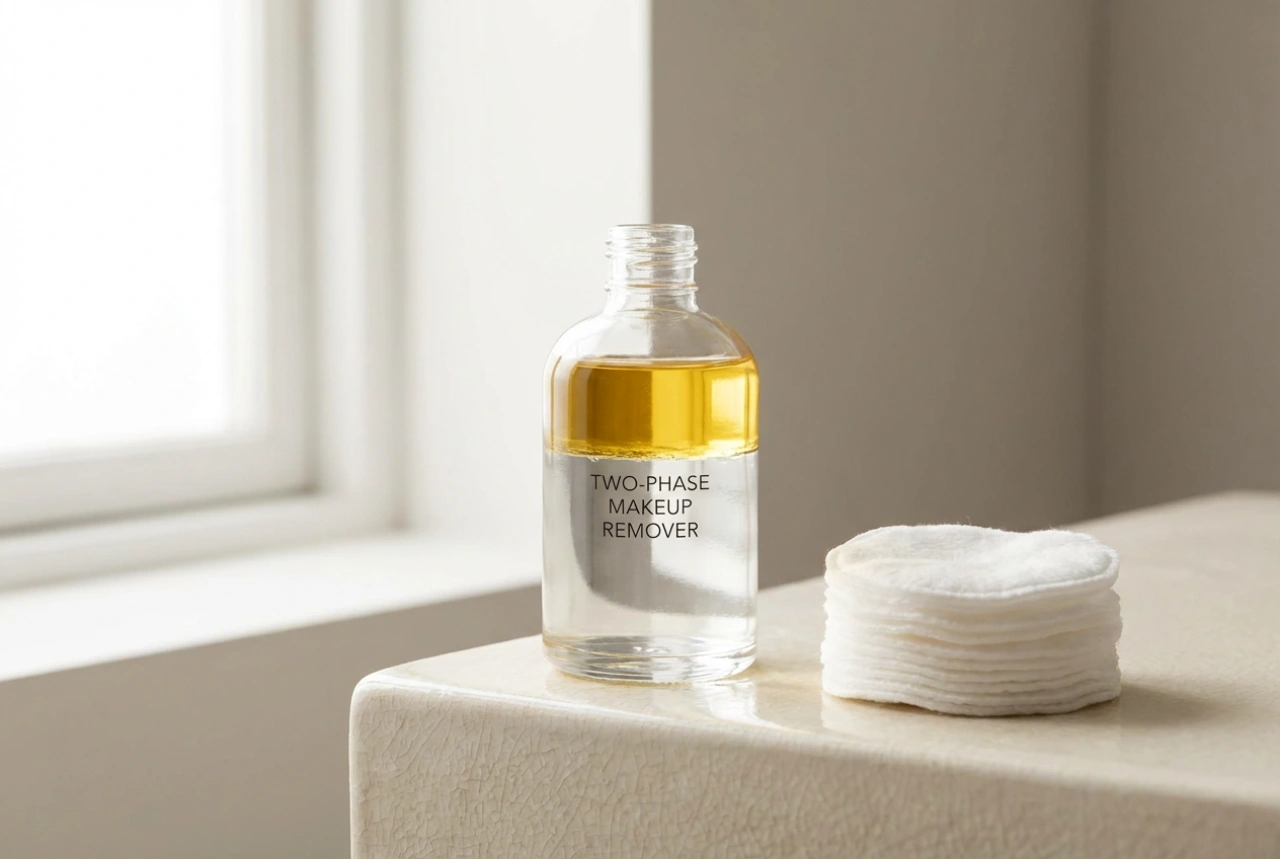
- Step 1: Start with a Clean Canvas. Always begin by thoroughly cleansing your face to remove makeup, dirt, and excess oil. This allows the mask's serum to penetrate the skin more effectively.
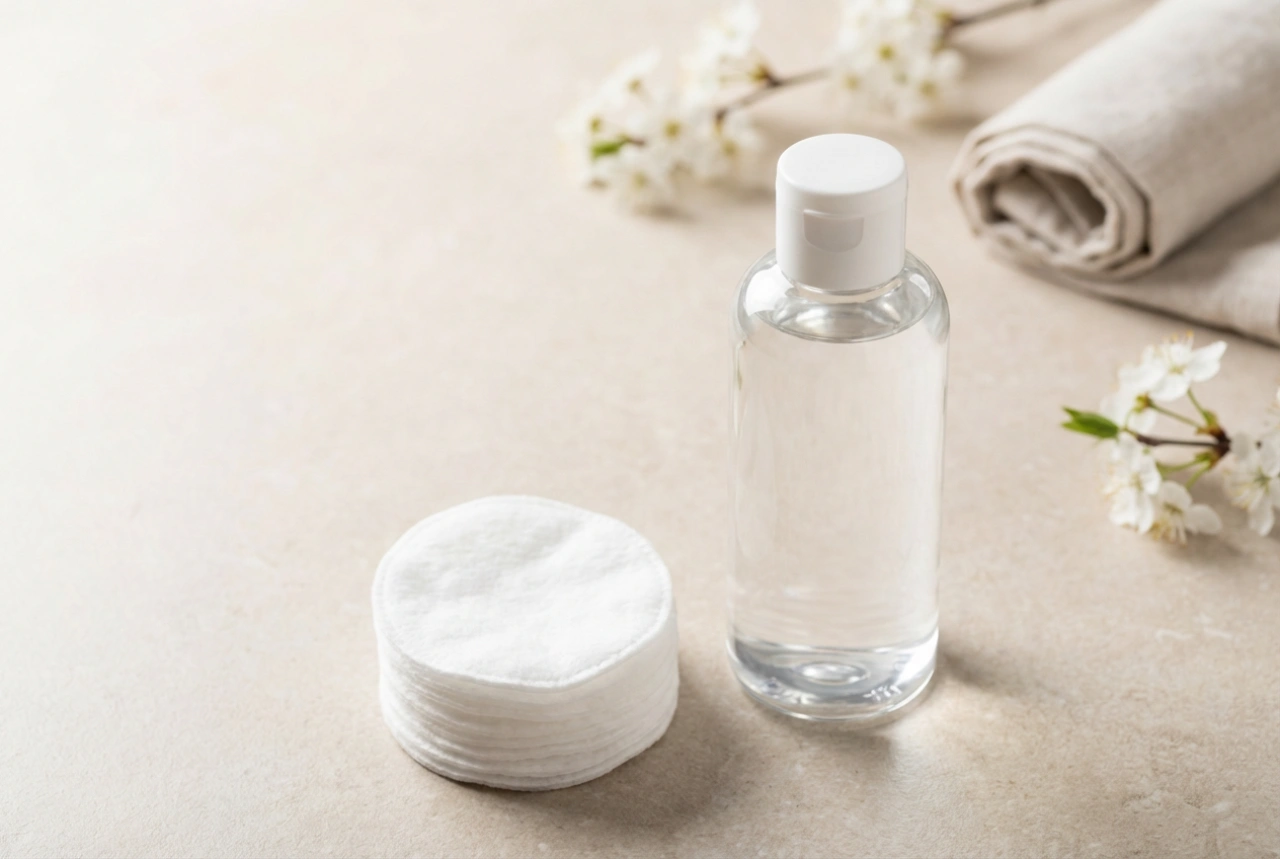
- Step 2: Prepare the Skin. After cleansing, apply your usual toner. A toner helps to balance the skin's pH and preps it to better absorb the ingredients that follow.
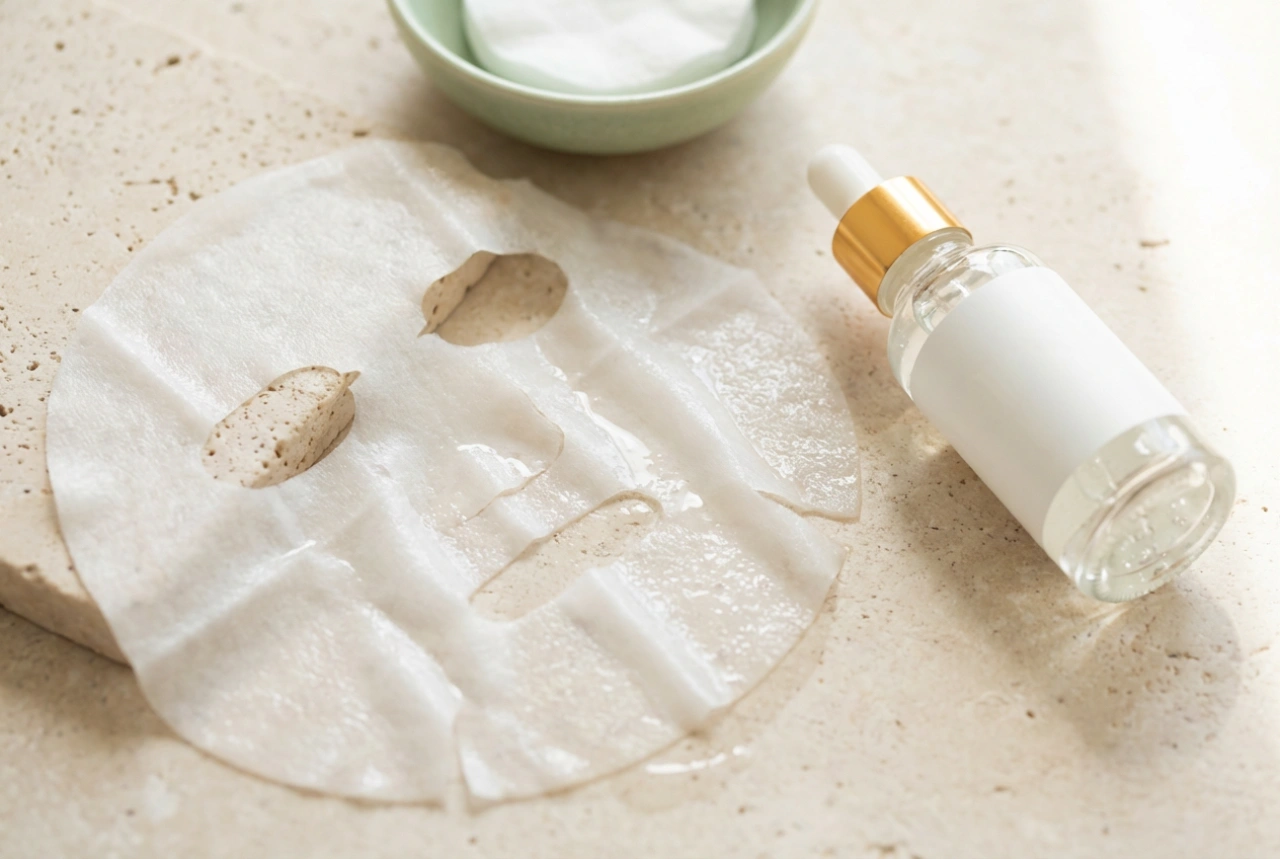
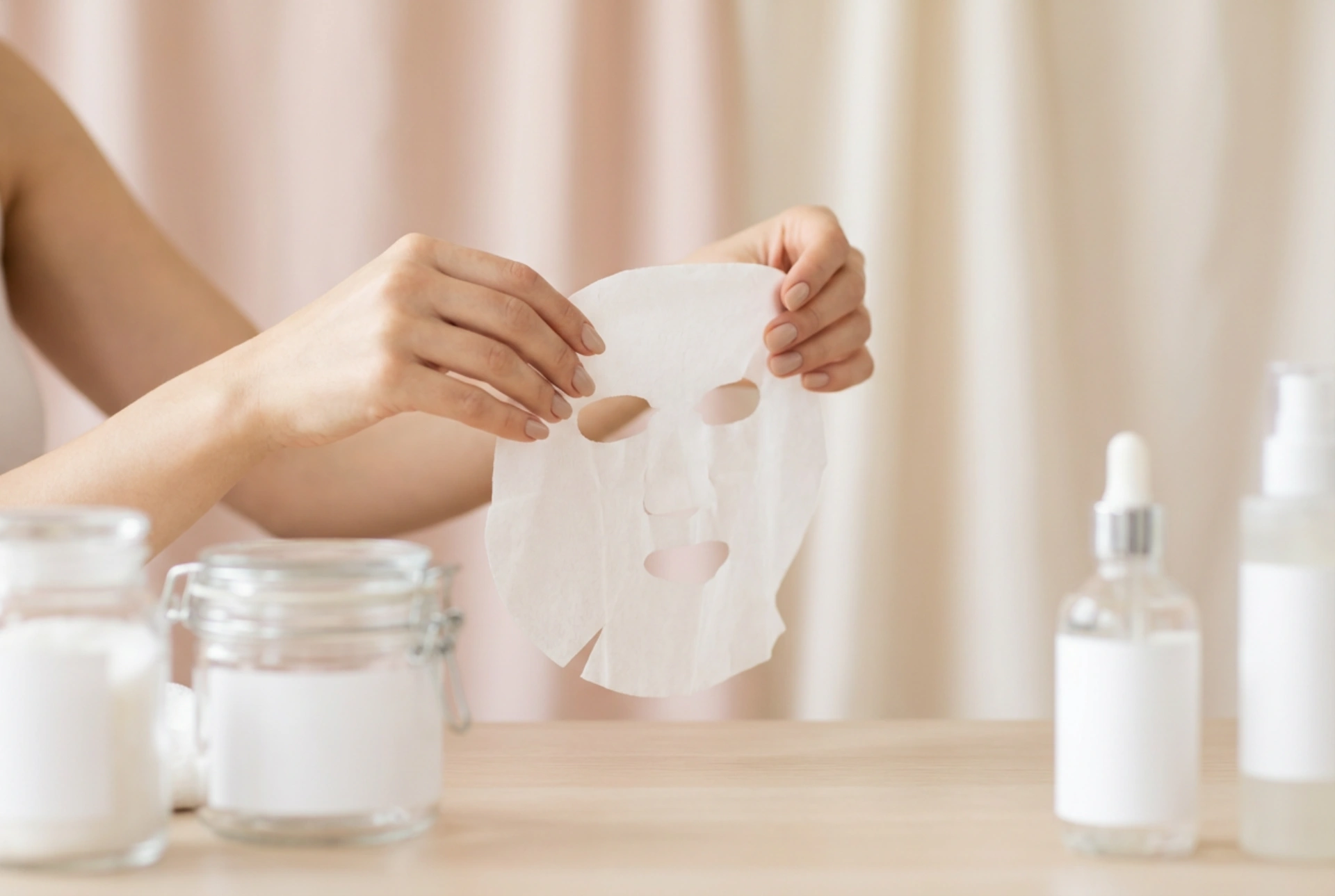
- Step 3: Unfold with Care. Gently take the mask out of its packaging and carefully unfold it. Sheet masks are delicate and can tear easily.
- Step 4: Align and Position. Place the mask onto your face, aligning the cut-outs with your eyes, nose, and mouth. Start from the forehead and work your way down.
- Step 5: Smooth it Out. Once positioned, gently press and smooth the mask across your face to ensure it adheres snugly to your skin. Eliminate any air bubbles to maximise contact between the mask and your skin.
Duration and Frequency: Getting the Timings Right
While it might seem that leaving a mask on for longer yields better results, this is not the case. Adhering to the recommended time is crucial for optimal efficacy. Most sheet masks are designed to be left on for 15 to 20 minutes. This is enough time for the skin to absorb a significant amount of the serum. Leaving a sheet mask on until it dries out can have the opposite effect; the dry sheet can start to draw moisture back out of your skin, a process known as reverse osmosis. Always check the instructions on the packaging. For frequency, using a sheet mask 1-2 times per week is a great way to maintain hydration. However, you can use them more often if your skin needs an extra boost.
What to Do After Removing the Mask
The skincare ritual doesn't end when you take the mask off. To lock in all the benefits, follow these final steps.
- Do Not Rinse. The leftover serum on your skin is packed with valuable ingredients. Rinsing your face would wash them all away.
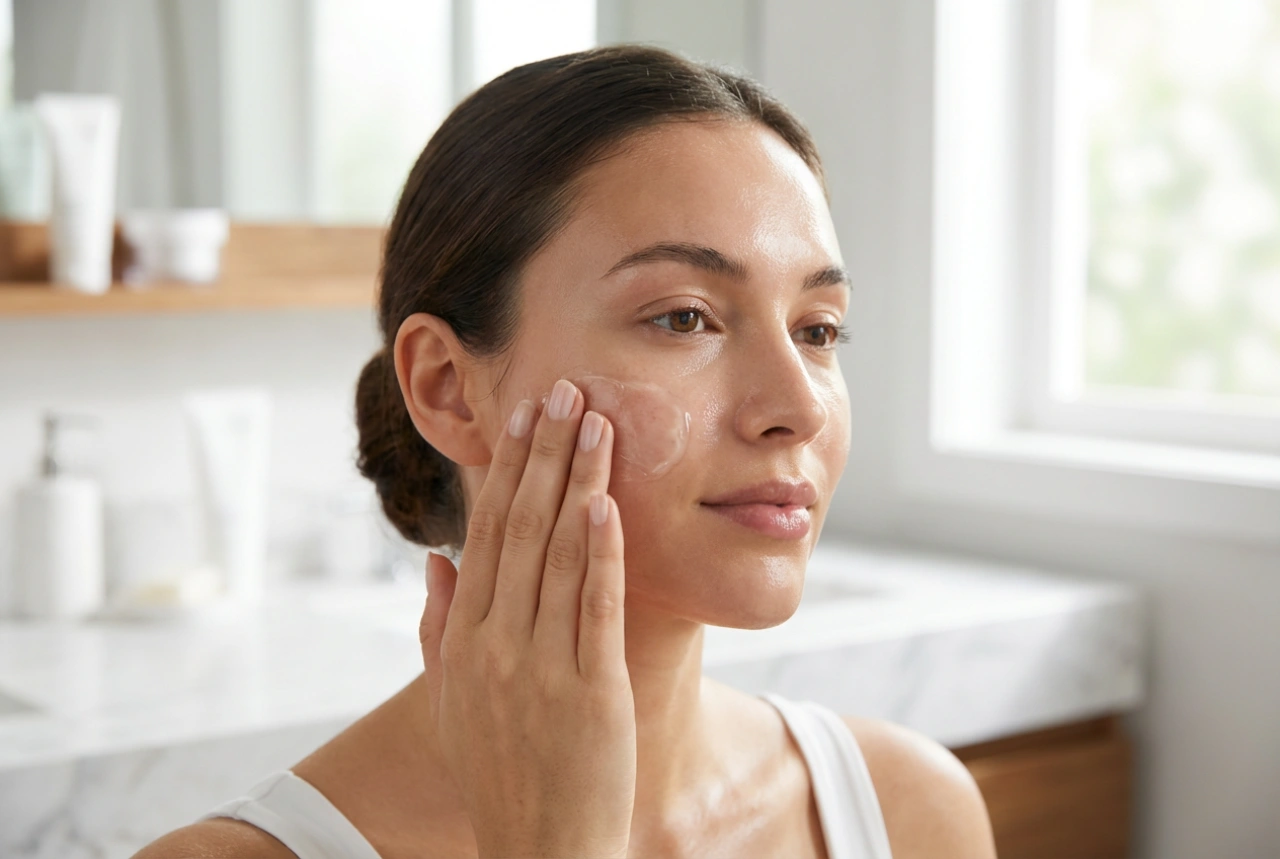
- Pat, Don't Rub. Gently pat the remaining essence into your skin using your fingertips. This aids absorption and stimulates circulation.
- Use the Excess. Don't let the extra serum in the packet go to waste! Apply it to your neck, décolletage, and even the backs of your hands.
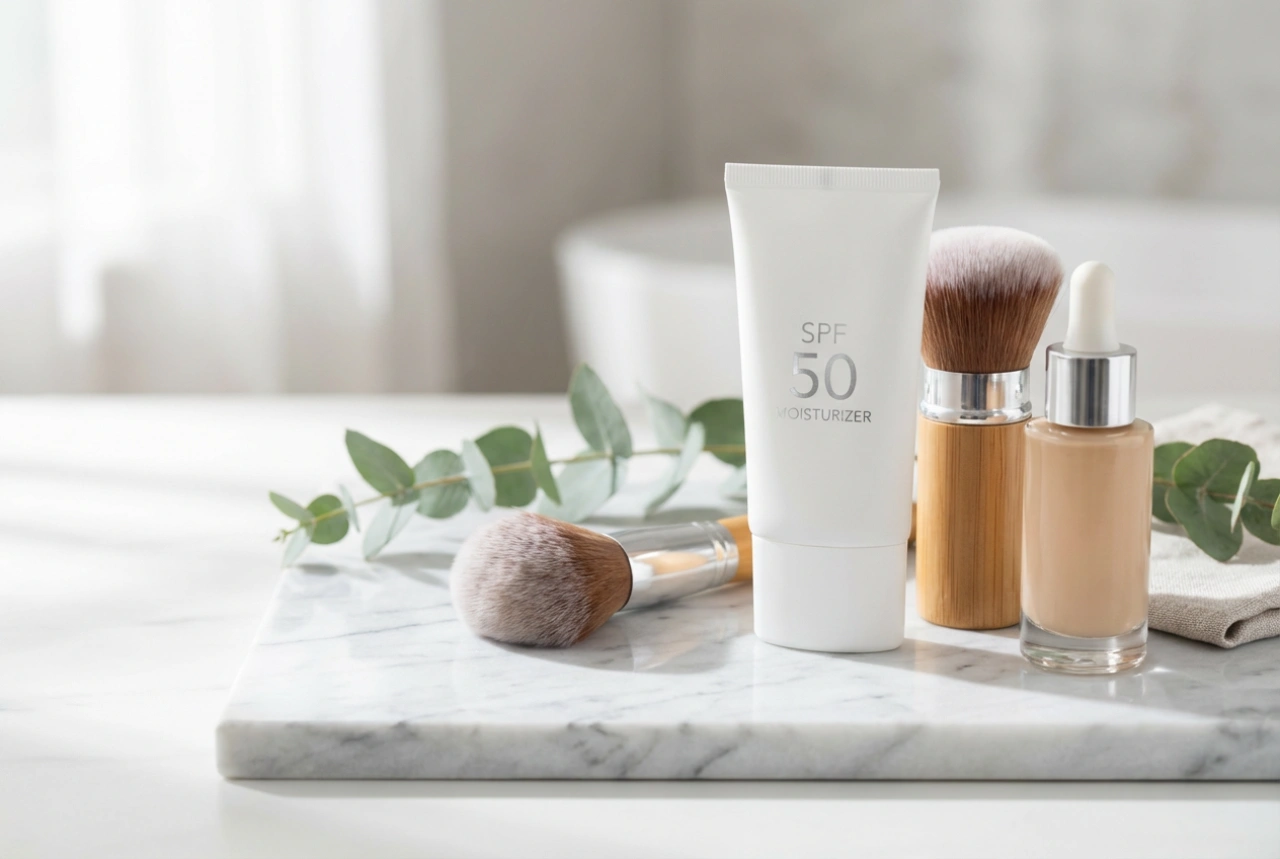
- Seal with a Moisturiser. Once the essence has been mostly absorbed, apply your favourite moisturiser. This creates a protective barrier on the skin's surface, sealing in the hydration from the mask and preventing moisture loss.
Incorporating sheet masks into your regular skincare routine is a wonderfully simple way to provide your skin with an intensive treatment. By choosing the right product for your needs and following the correct application and post-mask steps, you can easily achieve a refreshed, hydrated, and visibly glowing complexion.