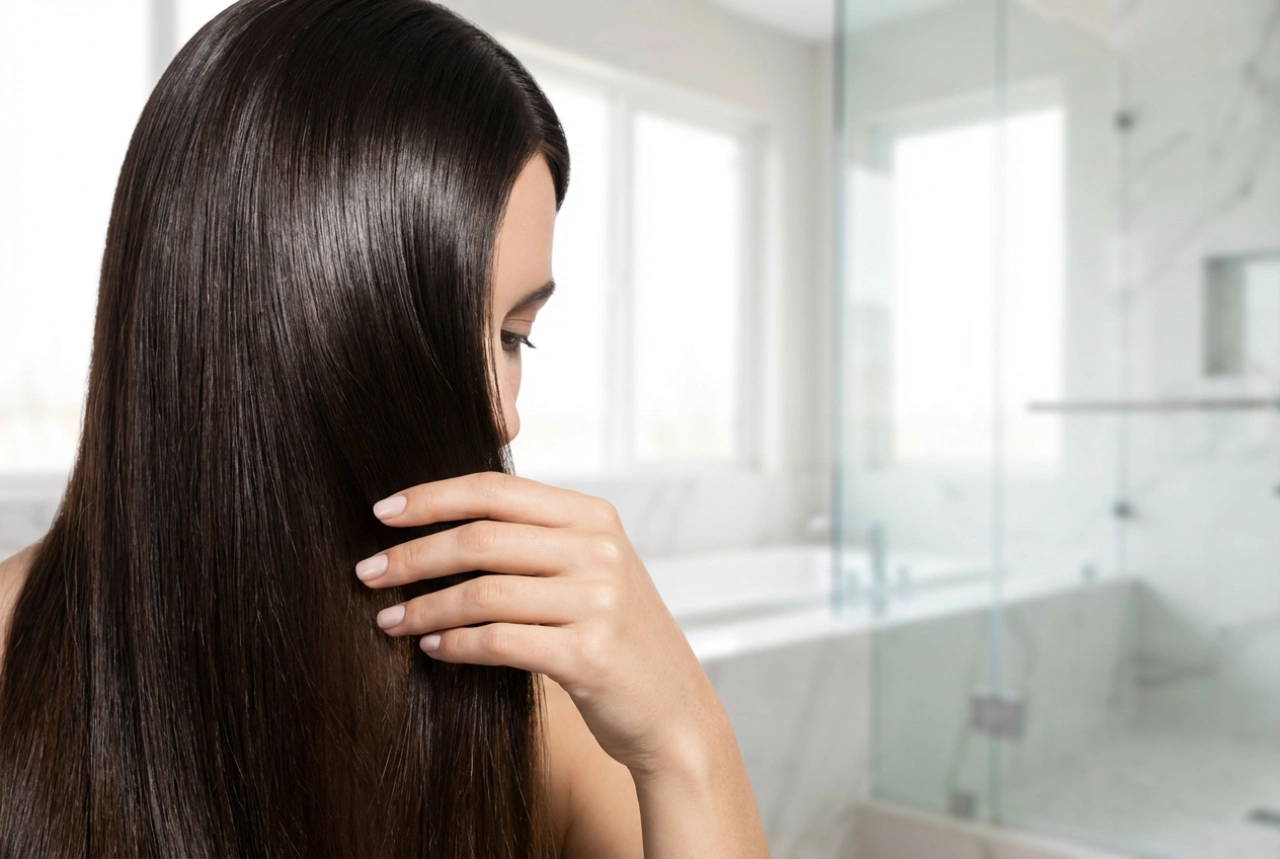


Achieving a sleek, smooth hairstyle is often a key goal in a beauty routine. One of the most popular tools for this task is the hair straightener, and models with ceramic plates are particularly favoured. Their ability to glide effortlessly through the hair, leaving behind a radiant shine, is down to the unique properties of the ceramic material. Understanding how they work can help you get the best results while keeping your hair looking healthy and vibrant.
The Science Behind Ceramic Plates
The primary advantage of ceramic straighteners lies in their exceptional heat conduction. Unlike some metals that can have 'hot spots' – areas that get significantly hotter than others – ceramic heats up uniformly across its entire surface. This even heat distribution is crucial for hair care. It ensures that every strand of hair passing between the plates receives the same amount of heat, allowing for effective straightening in a single pass. This reduces the need to go over the same section multiple times, which in turn minimises the hair's exposure to potentially damaging high temperatures.
Negative Ions for Frizz Control
Another significant benefit of ceramic is its ability to produce negative ions when heated. Hair naturally carries a positive charge, which can be exacerbated by washing and drying, leading to static and frizz as the hair cuticles lift. The negative ions emitted by the ceramic plates neutralise this positive charge. This process helps to seal the hair cuticles, locking in moisture and resulting in a smoother, shinier, and more manageable finish. This ionic technology is a key factor in achieving that coveted frizz-free look.
How to Use a Ceramic Straightener Effectively
To achieve professional-looking results and protect your hair, following the correct technique is essential. Here's a step-by-step guide to using your ceramic straightener:
- Start with Dry Hair: Never use a straightener on wet or damp hair. Hair is most fragile when wet, and the intense heat can cause significant damage. Ensure your hair is completely dry before you begin styling.
- Apply a Heat Protectant: This is a non-negotiable step. A good heat protectant spray or serum creates a barrier between your hair and the hot plates, reducing moisture loss and protecting the hair's integrity.
- Section Your Hair: Divide your hair into small, manageable sections. Working with smaller sections ensures that heat is applied evenly and allows you to straighten the hair from root to tip more effectively.
- Choose the Right Temperature: If your straightener has adjustable heat settings, use them wisely. Fine or colour-treated hair requires a lower temperature, while thicker, coarser hair may need a higher setting. Start low and only increase the heat if necessary.
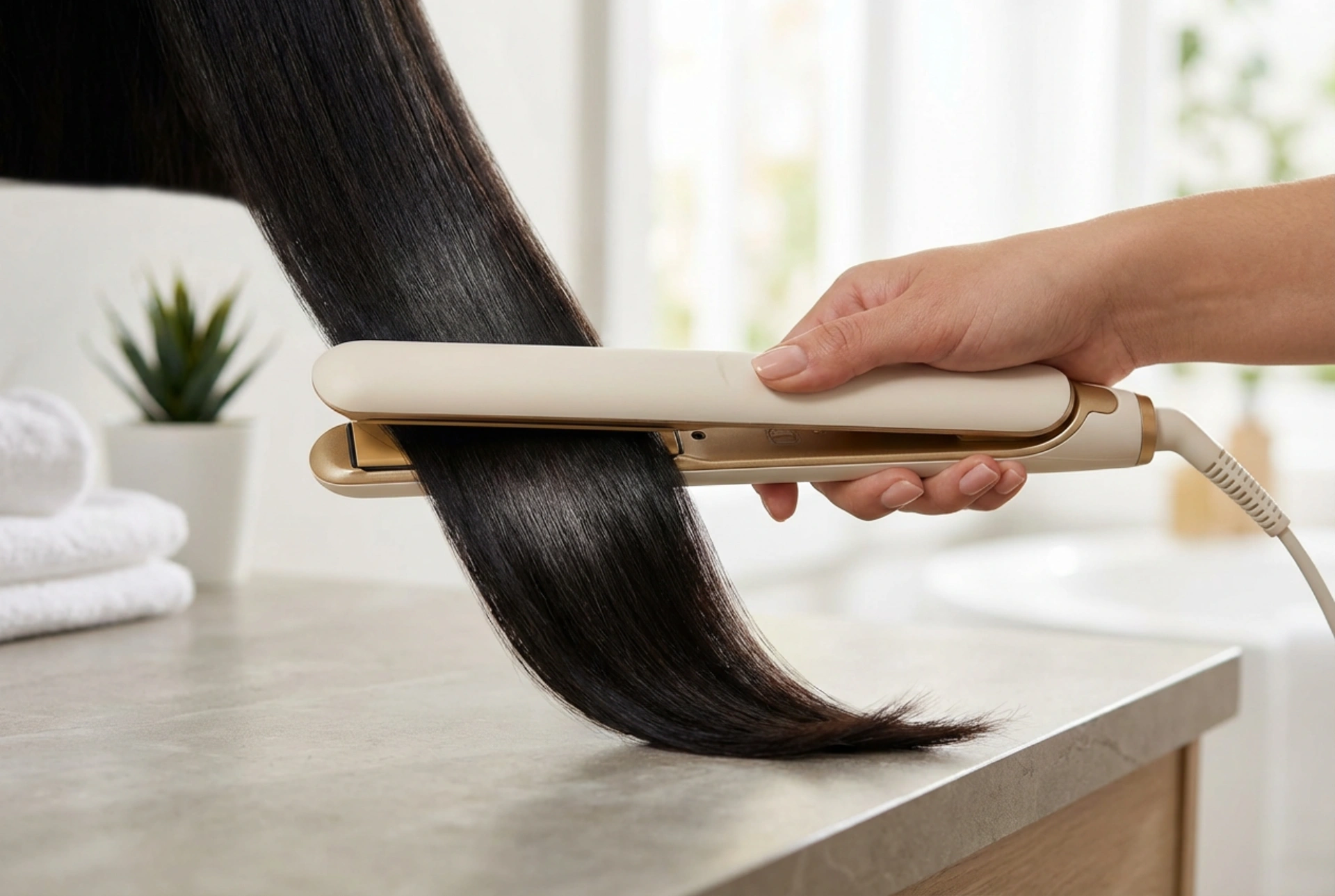
- Glide, Don't Clamp: Clamp the straightener at the root of a section and glide it smoothly and steadily down to the ends. Avoid stopping or holding the straightener in one spot, as this can cause creasing and heat damage.
Caring for Your Tool and Your Hair
Proper maintenance will prolong the life of your straightener and ensure it continues to perform well. Always unplug the tool and allow it to cool completely before cleaning. Use a soft, damp cloth to gently wipe any product residue from the ceramic plates. For your hair's health, incorporate regular deep conditioning treatments or hair masks into your routine to replenish moisture. It's also wise to give your hair a break from heat styling a few days a week to allow it to recover and maintain its natural strength and elasticity.