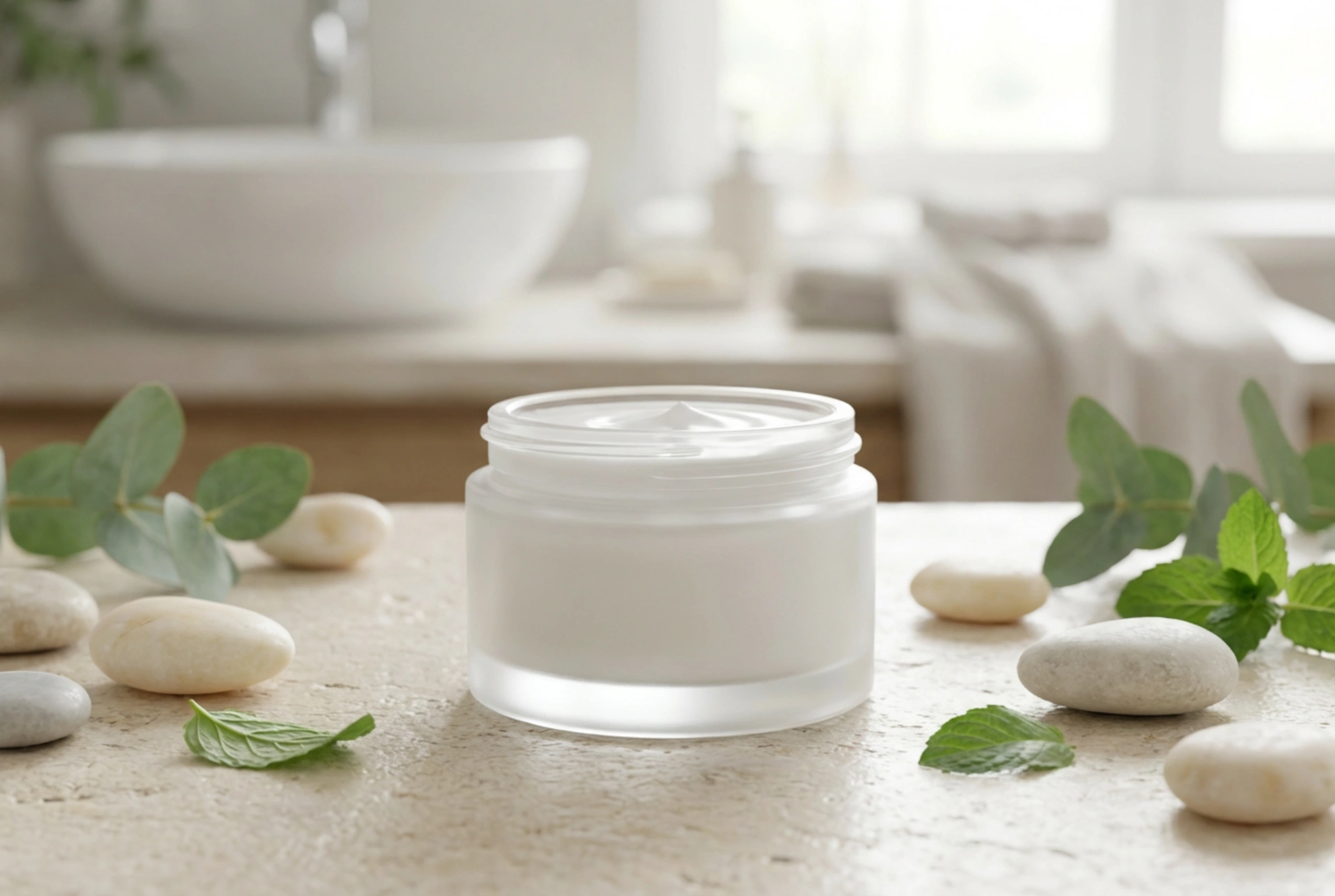


Caring for our feet is a fundamental aspect of overall body wellness, yet it is often overlooked in daily beauty routines. The skin on the soles of our feet is unique; it is naturally thicker and lacks the sebaceous glands that help keep other parts of our skin moisturised. This makes the heels particularly susceptible to dryness, roughness, and the tendency to develop hardened skin. Establishing a consistent and gentle care routine, centred around a nourishing cream, is key to maintaining soft, smooth, and healthy-looking feet.
Understanding the Causes of Dry Skin on Heels
Several factors contribute to the skin on our heels becoming dry and hard. Understanding these can help in creating an effective care strategy. The skin on the feet endures constant pressure from our body weight and friction from footwear. This continuous stress can lead to a process of excessive keratinisation, where the skin thickens as a protective response, often becoming hard and dry. Other contributing elements include frequent exposure to hot water, which can strip the skin of its natural lipids, insufficient hydration, and wearing open-backed shoes that don't provide support and allow the fat pad under the heel to expand sideways, increasing pressure on the skin.
Essential Ingredients for an Effective Foot Cream
When selecting a cream for dry heels, the formulation is paramount. Certain ingredients are particularly beneficial for hydrating, softening, and protecting the thick skin on the feet. Look for products that combine humectants, emollients, and occlusives for comprehensive care.
Key Moisturising Agents
- Urea: In cosmetic concentrations (typically up to 10%), urea is an excellent humectant. It draws moisture from the environment into the skin and helps to break down the hard, thickened layer of dead skin cells, making the skin feel softer and smoother.
- Glycerin: Another powerful humectant, glycerin helps to keep the skin hydrated by attracting and retaining water. It is gentle and effective for all skin types.
- Hyaluronic Acid: Known for its ability to hold a significant amount of water, hyaluronic acid provides deep hydration, helping to plump the skin from within.
Nourishing and Protective Components
- Shea Butter and Cocoa Butter: These natural fats are rich emollients. They soften and smooth the skin's surface while also forming a protective barrier that helps to prevent moisture loss. They are packed with vitamins and fatty acids that nourish the skin.
- Lanolin: A highly effective occlusive and emollient, lanolin mimics the skin's natural lipids. It creates a robust barrier to lock in moisture and protect the skin from environmental stressors.
- Ceramides: These are lipids that are naturally part of the skin barrier. Including them in a foot cream helps to replenish the skin's protective layer, strengthening it and reducing water loss.
A Simple and Safe Heel Care Routine
Consistency is more important than intensity when it comes to foot care. A gentle, regular routine will yield far better results than occasional, aggressive treatments.
Step 1: Soaking and Gentle Buffing
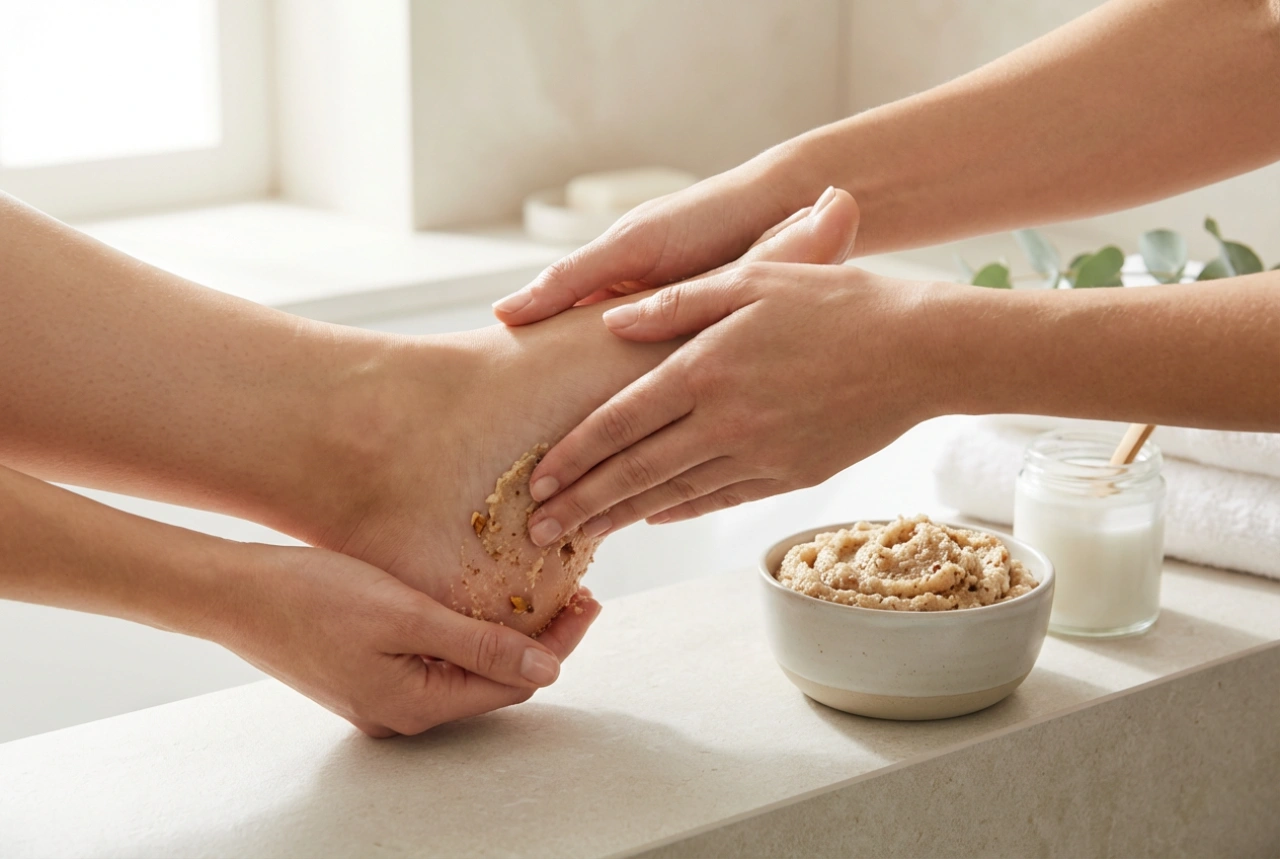
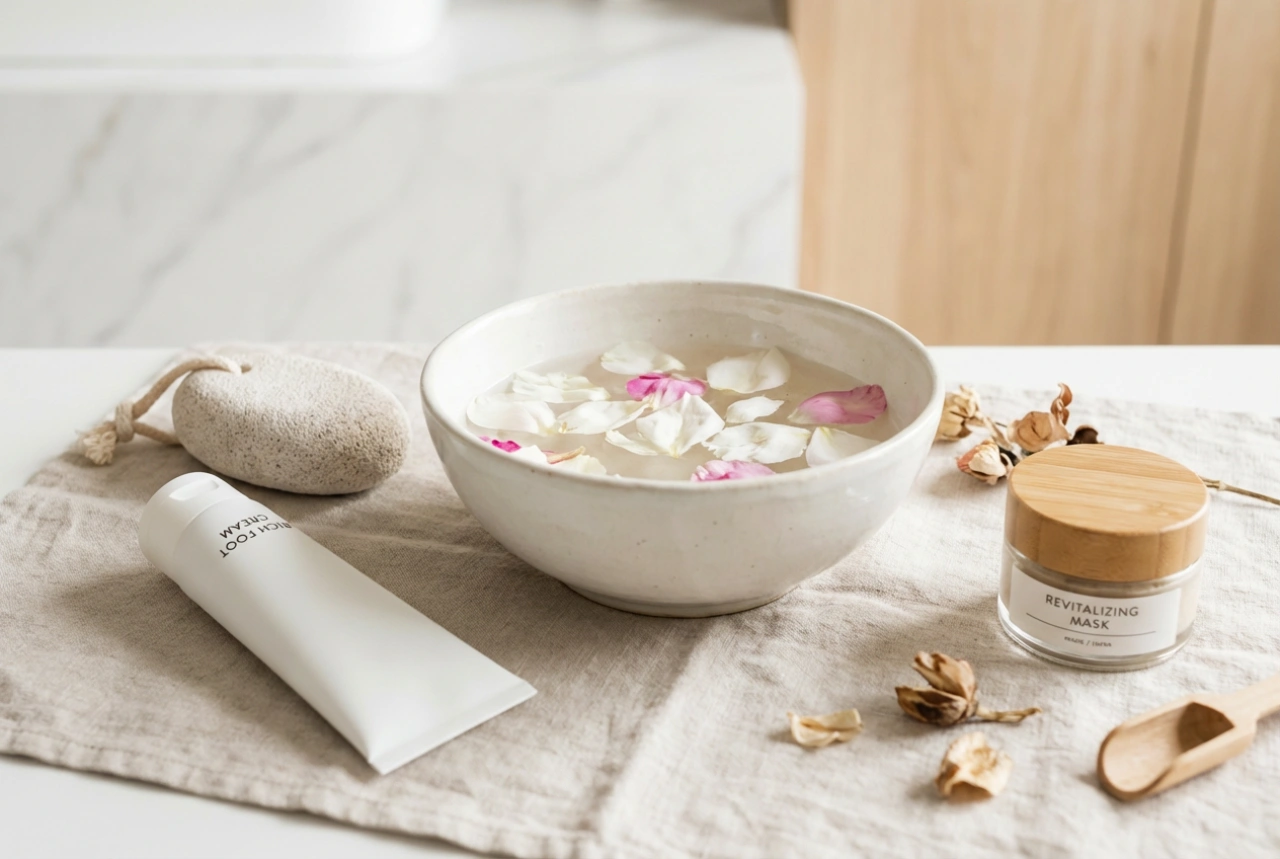
Begin by soaking your feet in lukewarm water for about 10-15 minutes. Avoid very hot water as it can be drying. This step helps to soften the hardened skin, preparing it for the next stage. After soaking, gently pat your feet dry and use a pumice stone or a fine-grit foot file on the slightly damp skin of your heels. Use light, even strokes to buff away the surface layer of dead skin. It's crucial not to be aggressive; the goal is to smooth the skin, not to remove thick layers at once, which can damage the skin barrier and lead to more problems.
Step 2: Deep Moisturization
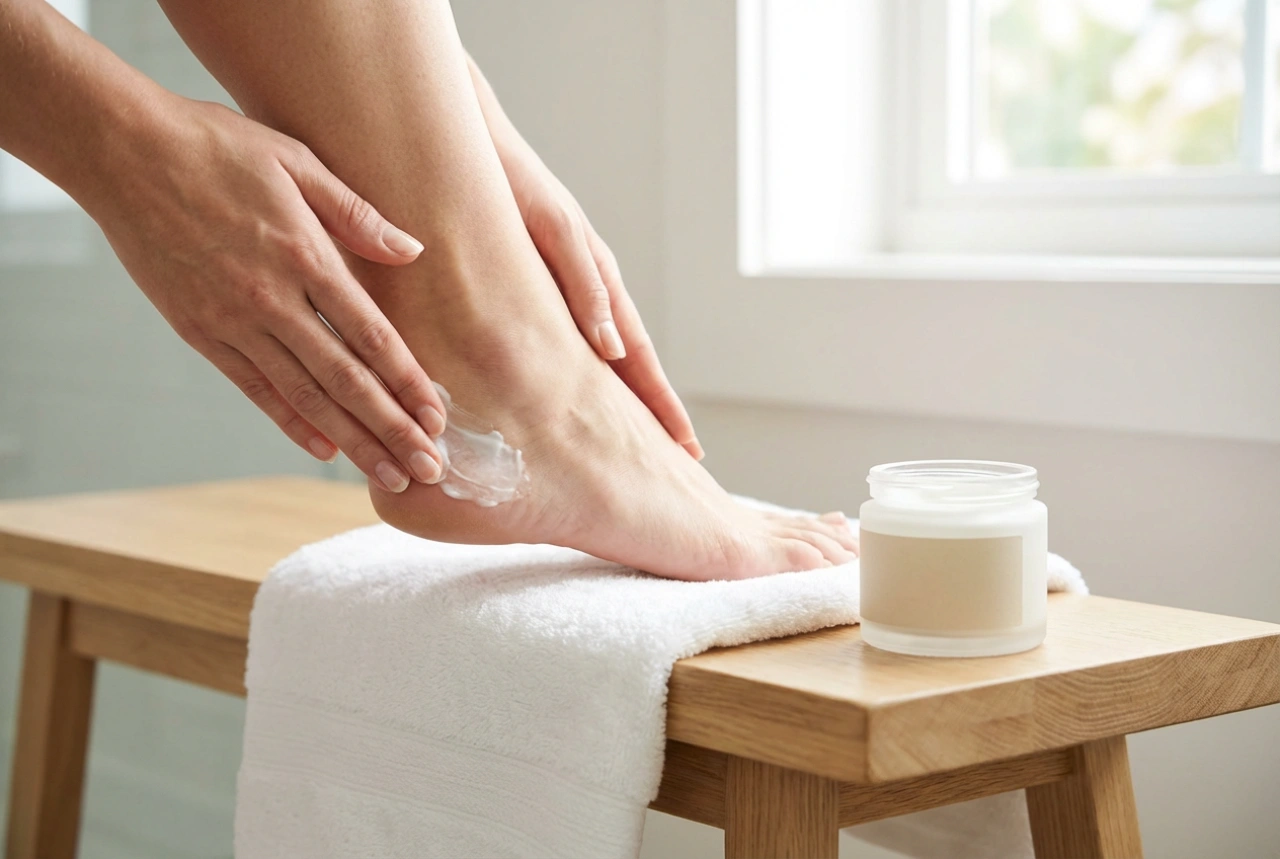
Immediately after buffing, apply a generous amount of a rich foot cream to your heels and the rest of your feet. Take a few minutes to massage the cream into the skin thoroughly, paying special attention to the driest areas. Massaging not only helps the product absorb but also improves circulation. For an intensive overnight conditioning, apply the cream before bed and wear a pair of clean cotton socks. The socks will help to lock in the moisture and protect your bedding, allowing the cream to work its magic while you sleep.
Daily Habits for Smooth Heels
Beyond a specific routine, incorporating a few simple habits into your daily life can make a significant difference in the health and appearance of your feet. Ensure you drink plenty of water throughout the day to keep your skin hydrated from the inside out. Choose comfortable, well-fitting shoes that provide adequate support and cushioning for your heels. Finally, make applying a small amount of foot cream a daily habit, just as you would moisturise your face or hands. This regular application maintains the skin's moisture levels and prevents dryness from building up in the first place.