

Stepping out of a warm shower leaves you feeling refreshed and clean, but this is only the first step in a complete body care ritual. The moments immediately following a bath or shower are a golden opportunity to provide your skin with the hydration it needs. A good quality moisturising body lotion is the key to locking in moisture, leaving your skin feeling soft, smooth, and comfortable all day long. Understanding the best way to apply it can transform its effectiveness and elevate your daily routine.
Why Applying Lotion After a Shower is a Game-Changer
You may have heard that the best time to moisturise is right after bathing, but why is this advice so prevalent? The reason lies in the way our skin behaves. Warm water and cleansers, while necessary for hygiene, can strip the skin of its natural protective oils. This process can leave the skin vulnerable to dryness and dehydration. Applying lotion to slightly damp skin helps to counteract this effect in several ways.
Firstly, when your skin is warm and damp, your pores are more open and receptive. This allows the moisturising ingredients in your lotion to penetrate more deeply and effectively. Secondly, applying lotion onto damp skin helps to trap that surface water, sealing in an extra layer of hydration that would otherwise evaporate. This 'lock-in' effect is crucial for maintaining a healthy skin barrier, which is your body's first line of defence against environmental aggressors. By making post-shower moisturising a habit, you are not just treating dryness, but actively preventing it.
The Correct Technique for Applying Body Lotion
Simply slathering on lotion is better than nothing, but adopting a specific technique can significantly enhance the benefits. The goal is to ensure even coverage and to stimulate circulation, which promotes healthy, glowing skin. Taking a few extra moments for mindful application can turn a daily chore into a relaxing, spa-like experience.
A Step-by-Step Guide to Effective Application
- Pat, Don't Rub: After your shower, gently pat your skin with a soft towel. Avoid vigorous rubbing, which can cause irritation and strip away moisture. Your skin should be left slightly damp, not completely dry.
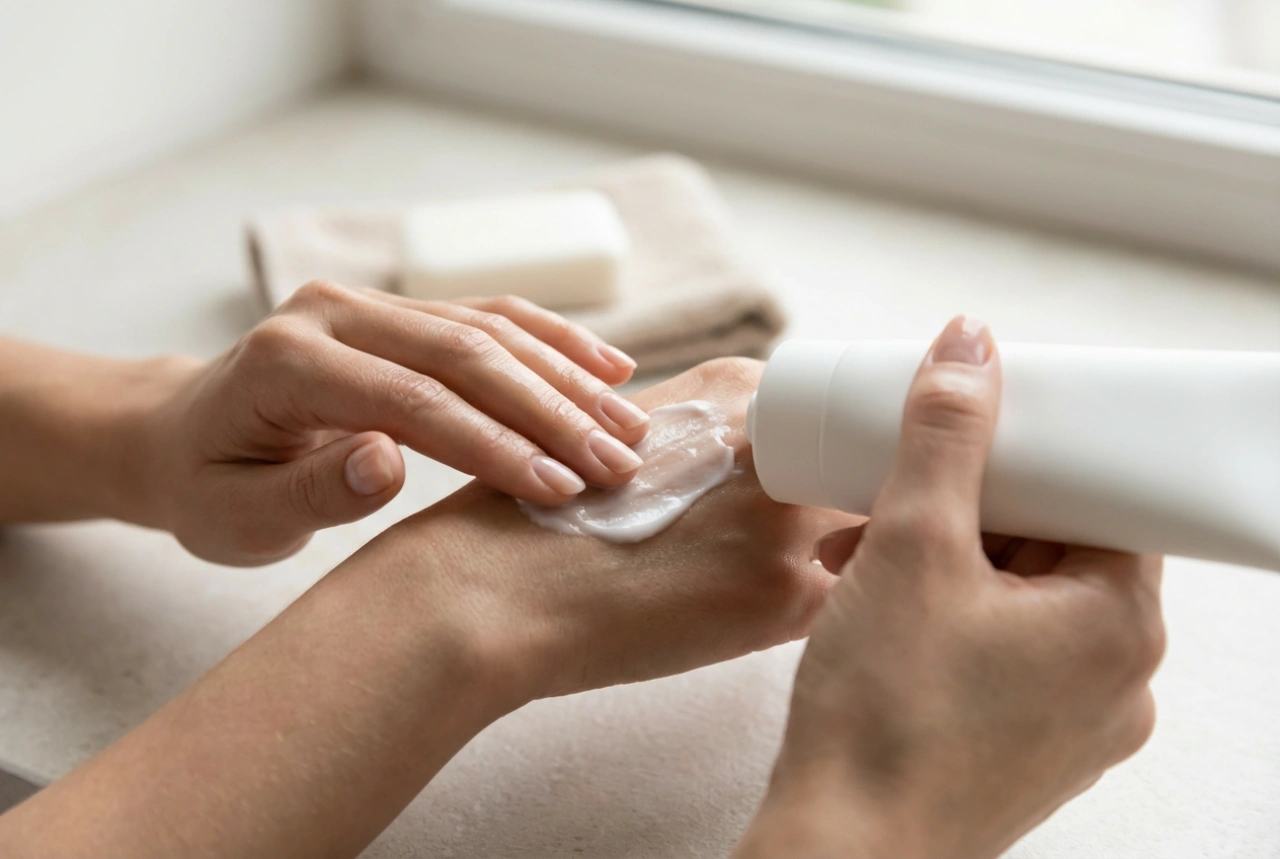
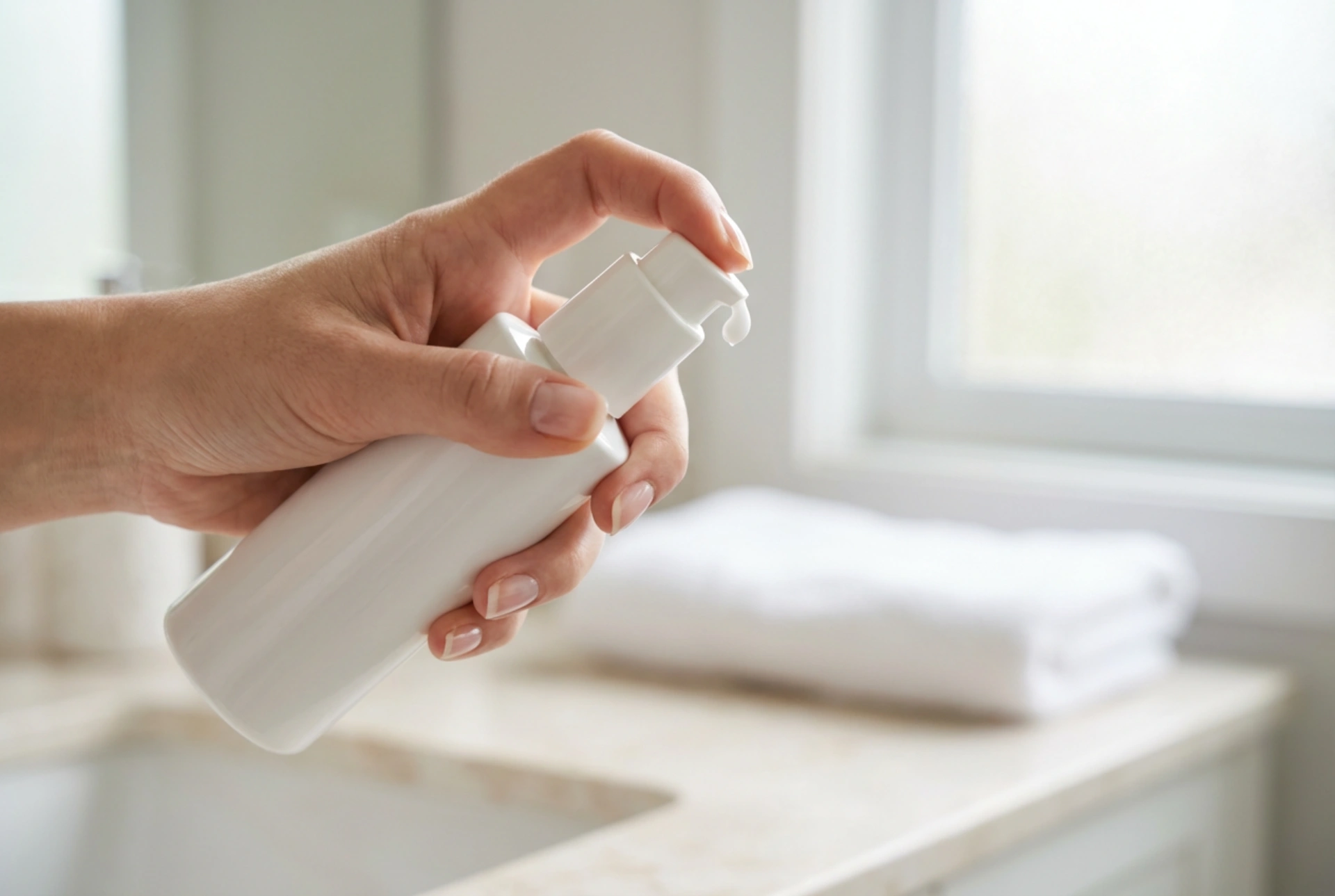
- Warm the Product: Dispense a suitable amount of lotion into the palm of your hand. Rub your hands together to slightly warm the product. This makes it easier to spread and helps it absorb more readily.
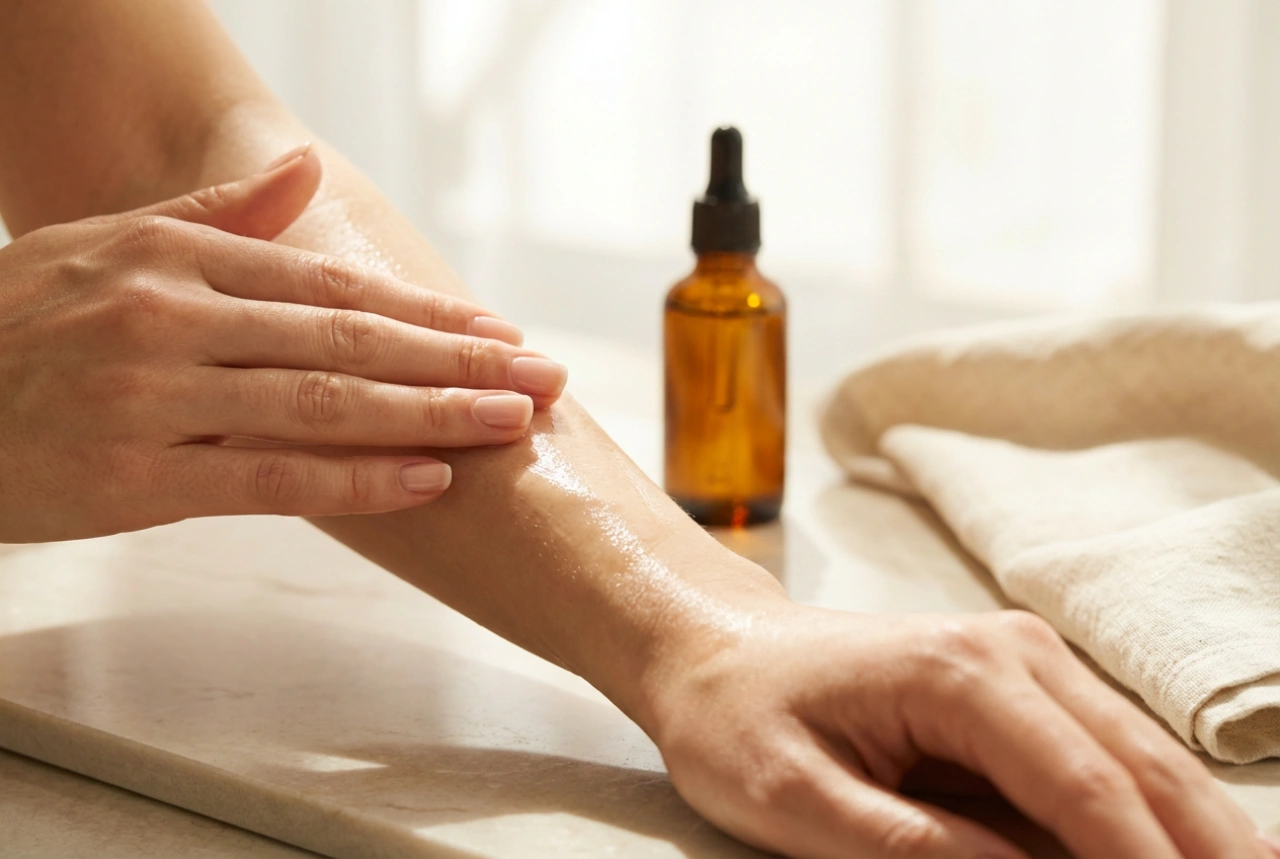
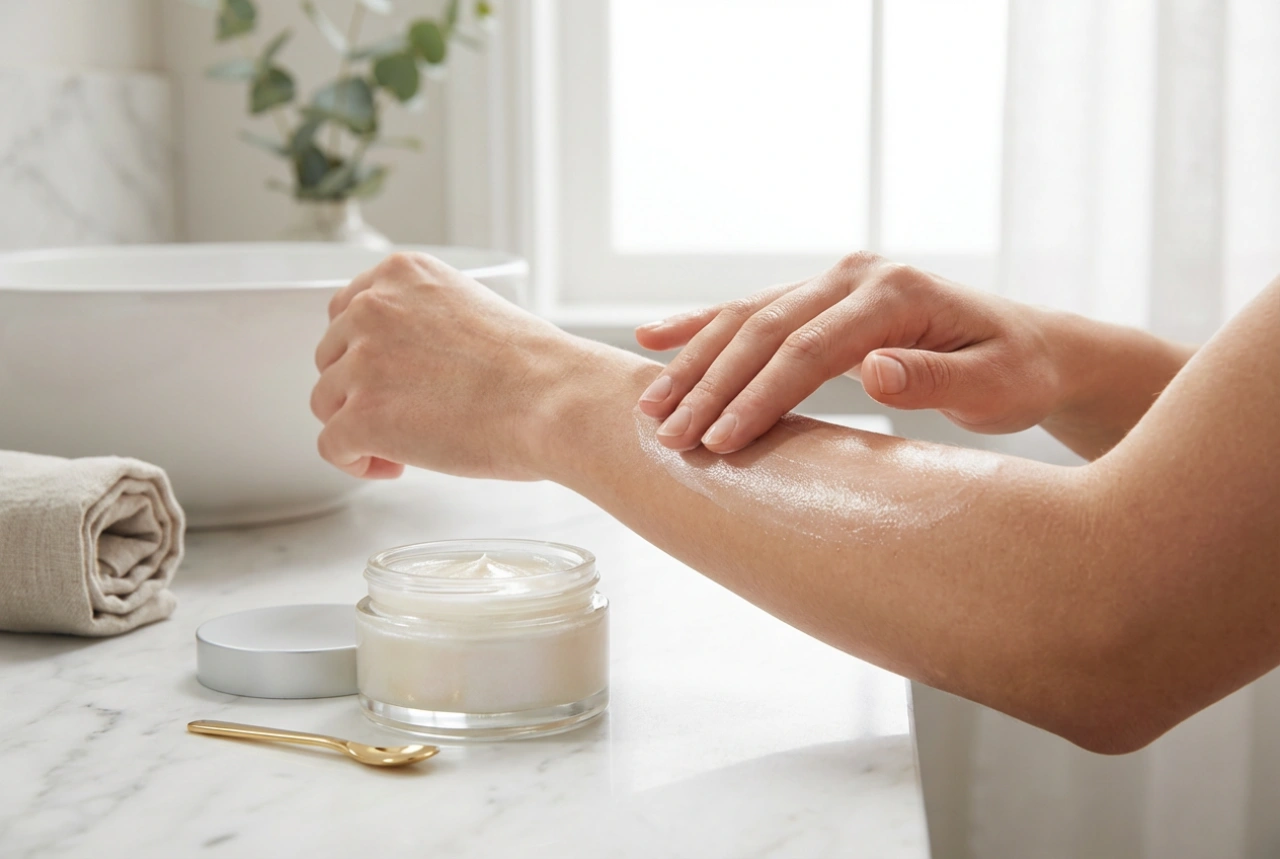
- Use Gentle, Upward Motions: Begin applying the lotion starting from your ankles and working your way up towards your heart. Use long, gentle, circular strokes. This massage technique not only ensures even distribution but can also help to boost circulation.
- Allow Time to Absorb: Give the lotion a few minutes to sink in completely before getting dressed. This prevents the product from simply rubbing off onto your clothes and gives it time to work its magic.
Focus on Areas Prone to Dryness
While moisturising your entire body is important, some areas require extra attention. Skin on the elbows, knees, and heels is often thicker and has fewer oil glands, making it more susceptible to dryness and roughness. Make sure to apply a little extra lotion to these spots, massaging it in thoroughly to soften and nourish the skin. The backs of your hands and your neck are also frequently exposed and can show signs of dryness, so don't forget to include them in your routine.
How Often Should You Moisturise Your Body?
For most people, a daily moisturising session is the ideal frequency. Making it a part of your routine after your daily shower is the easiest way to stay consistent. However, your skin's needs can change based on several factors, so it's important to listen to what it's telling you.
- Skin Type: Individuals with naturally dry or sensitive skin may find they benefit from moisturising twice a day, perhaps once in the morning and once before bed. Those with normal to oily skin may find once a day is sufficient.
- Season: Cold winter air and central heating can be incredibly drying, so you might need to apply lotion more frequently or switch to a richer formula during colder months. In the summer, while you might prefer a lighter lotion, don't skip it entirely, as sun exposure and air conditioning can also dehydrate the skin.
- Lifestyle: If you swim frequently in chlorinated pools or saltwater, or if you wash your hands often throughout the day, your skin will require more frequent hydration to replenish its protective barrier.
Ultimately, the best indicator is your skin itself. If it feels tight, itchy, or looks flaky, it's a clear sign that it needs a dose of moisture.