

Applying a body oil can be a moment of pure, mindful self-care, transforming a simple routine into a luxurious ritual. Beyond its sensory appeal, a good quality hydrating oil is a powerful tool for maintaining soft, supple, and radiant skin. It works by forming a protective barrier that locks in moisture, nourishes the skin with essential fatty acids and vitamins, and improves its overall texture and elasticity. Understanding how to choose the right formula and apply it effectively can unlock the full potential of this versatile skincare staple.
How to Choose the Right Body Oil?
Selecting the perfect body oil begins with understanding your skin's unique needs and becoming familiar with the properties of different ingredients. The goal is to find a formula that provides optimal hydration without feeling heavy or greasy.
Consider Your Skin Type
Your skin type is the most important factor in your decision. For those with dry or mature skin, richer oils that offer deep, lasting hydration are ideal. Look for formulations containing ingredients known for their emollient properties. If you have normal or combination skin, a lighter, fast-absorbing oil will provide moisture without overwhelming your skin. For sensitive skin, it is crucial to choose pure, gentle oils with minimal additives and no artificial fragrances to avoid potential irritation.
Key Ingredients to Look For
The efficacy of a body oil lies in its composition. Learning to read the ingredient list can help you make an informed choice. Here are some beneficial oils to look for:
- Jojoba Oil: Its structure is remarkably similar to the natural sebum produced by our skin, making it easily absorbed and highly compatible with all skin types. It helps to balance moisture levels without clogging pores.
- Sweet Almond Oil: Rich in Vitamin E, A, and essential fatty acids, this oil is an excellent moisturiser for dry skin. It's gentle, easily absorbed, and helps to soothe and soften the skin.
- Argan Oil: Often referred to as 'liquid gold', this oil is packed with antioxidants, fatty acids, and Vitamin E. It is known for its nourishing and conditioning properties, helping to improve skin elasticity.
- Grapeseed Oil: A very lightweight and non-greasy oil, making it perfect for normal, oily, or combination skin. It absorbs quickly and has a high concentration of linoleic acid, which helps to maintain the skin's barrier.
- Coconut Oil: A deeply hydrating oil that is particularly effective for very dry skin areas. Its high fatty acid content helps to lock in moisture for long-lasting softness.
The Best Way to Apply Body Oil
The technique you use to apply your body oil is just as important as the product itself. Proper application enhances absorption and maximises the hydrating benefits, leaving your skin feeling velvety smooth rather than slick.
Timing is Everything: Apply to Damp Skin
The golden rule of body oil application is to apply it to slightly damp skin. The best time is immediately after a warm bath or shower when your pores are open and your skin is still moist. The oil will trap the water on your skin's surface, sealing in hydration for a much more effective moisturising effect than when applied to dry skin.
The Warm-Up Technique
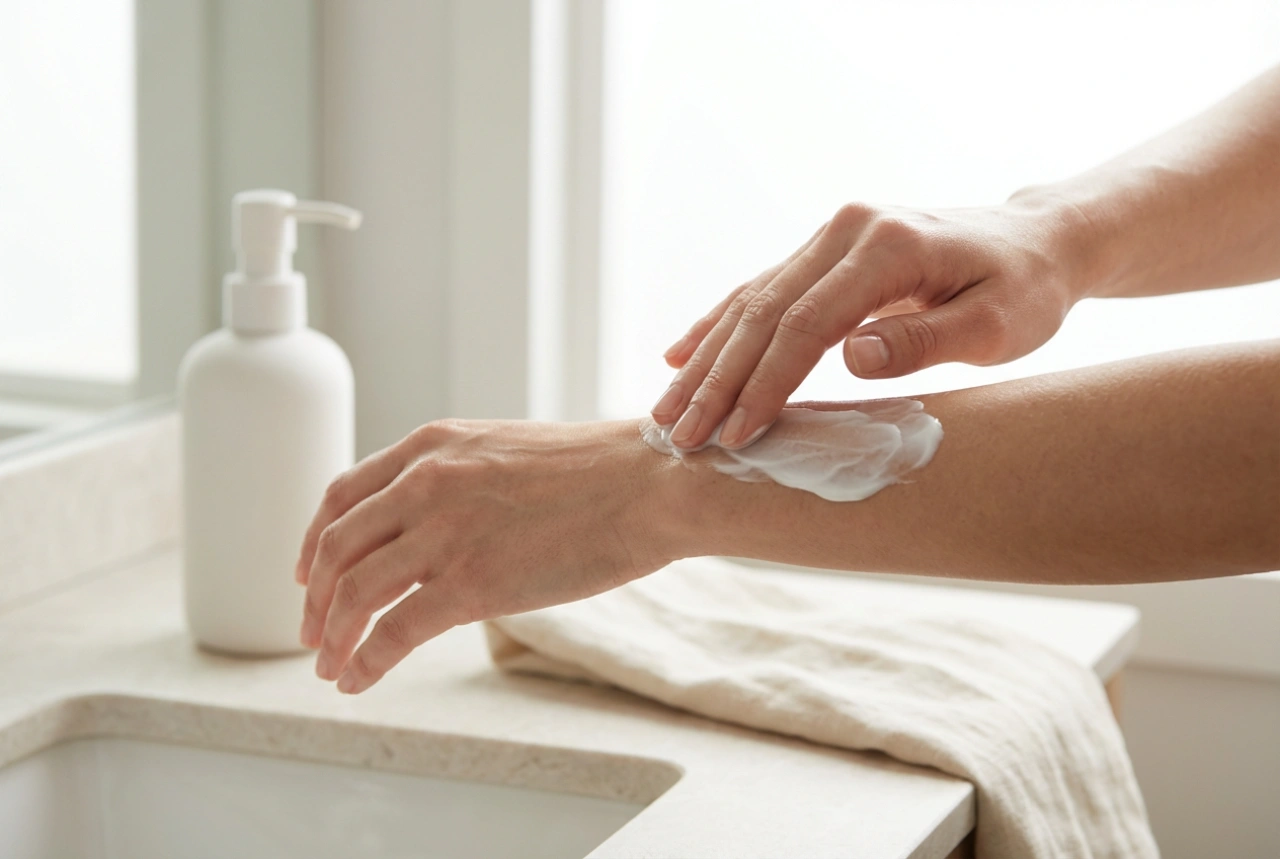
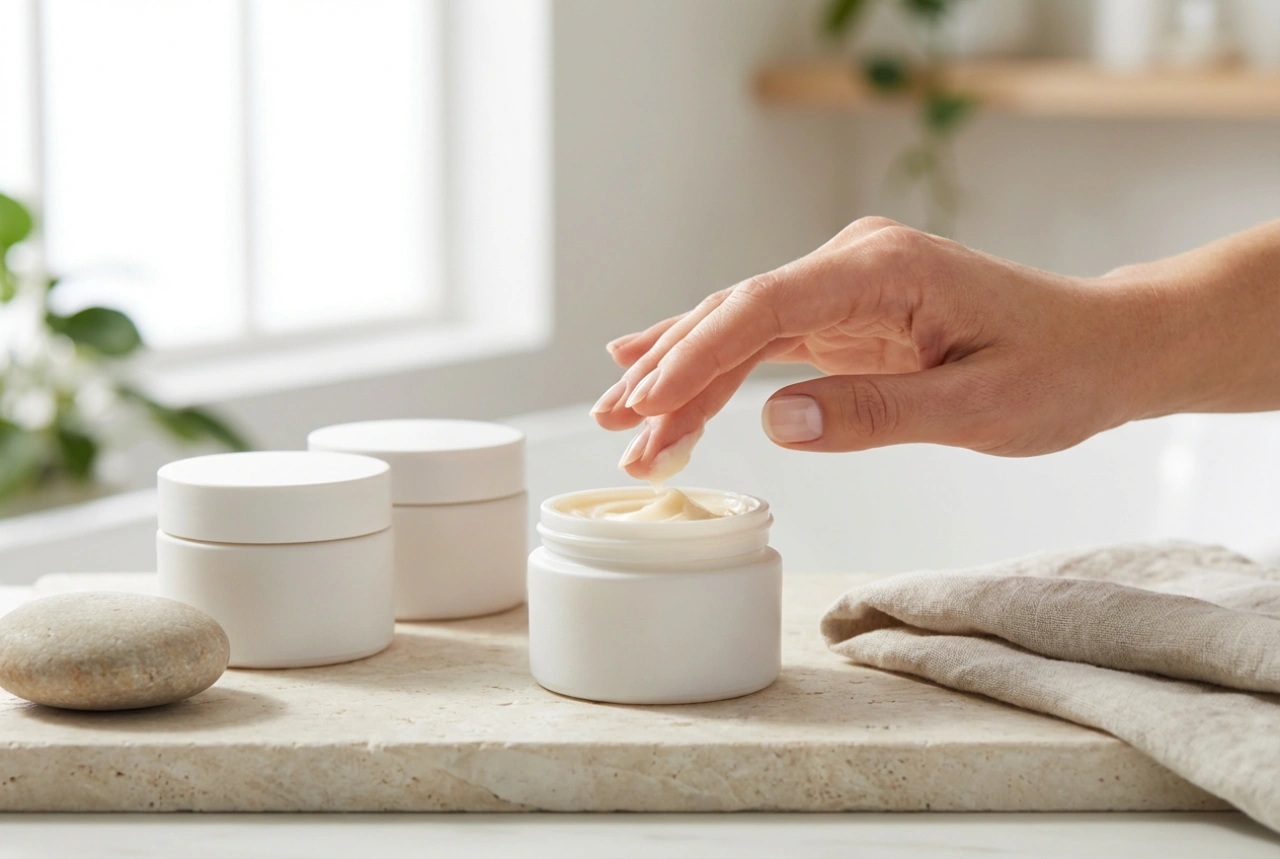
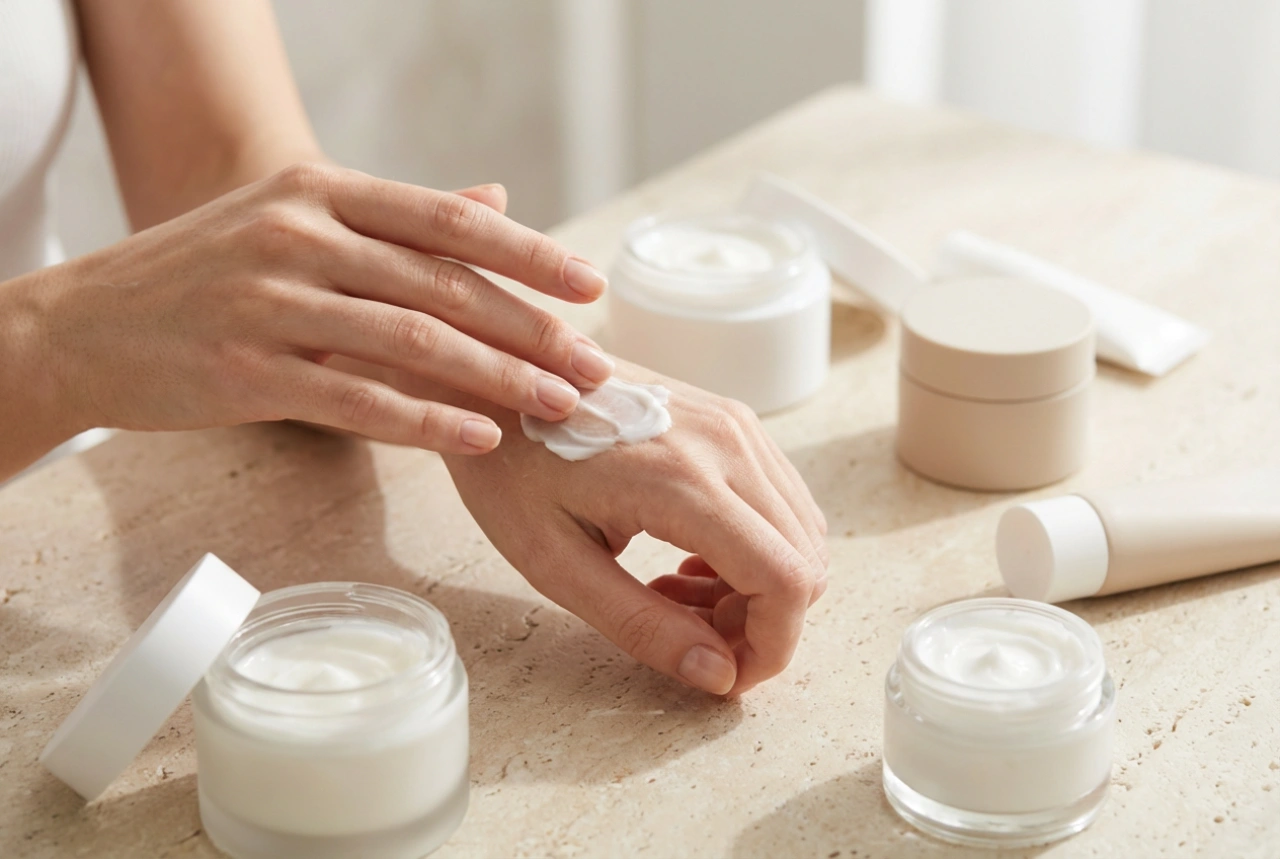
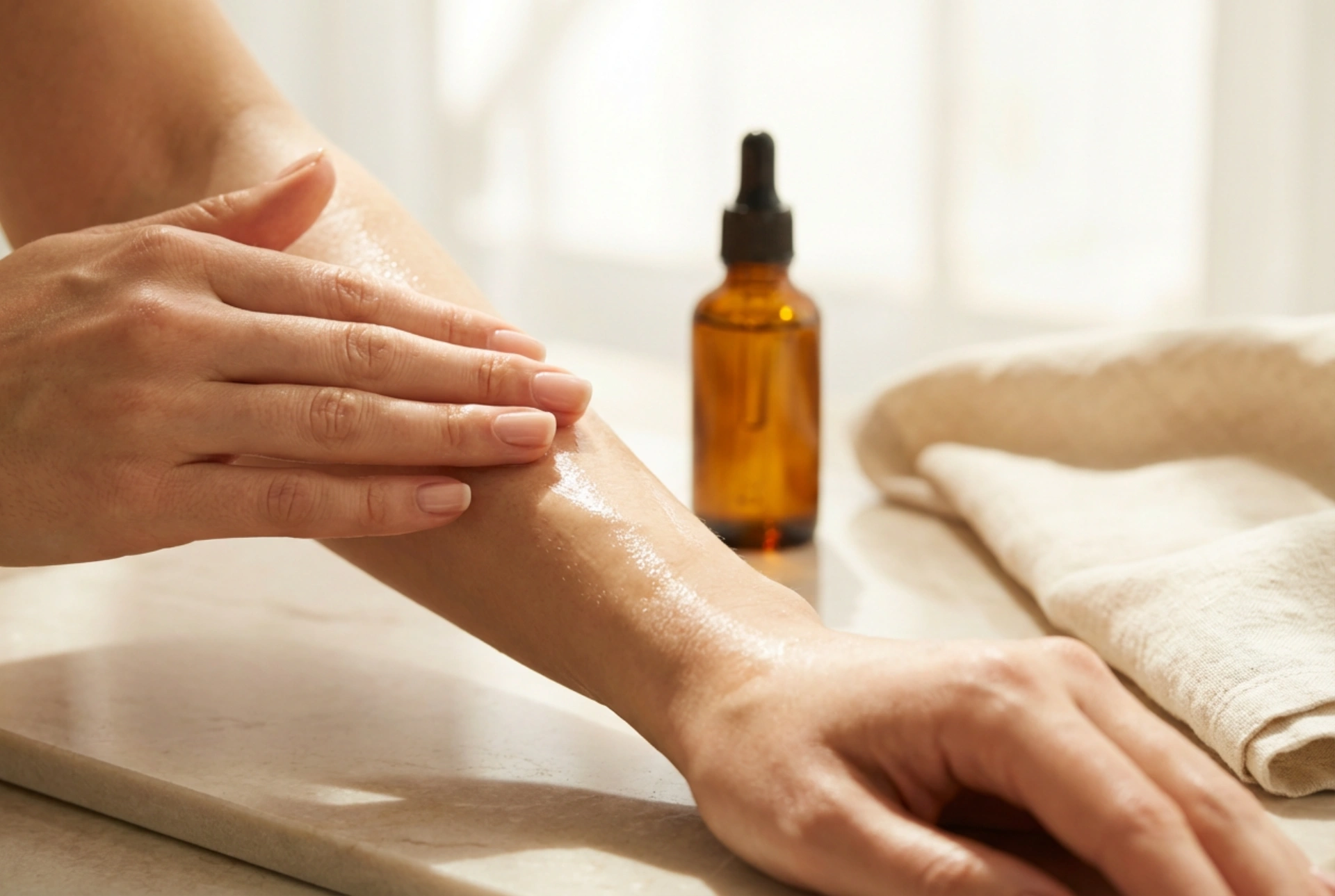
Before applying the oil to your body, pour a small amount into the palm of your hand. Rub your palms together for a few seconds to gently warm the oil. This simple step not only makes the application more pleasant but also helps the oil penetrate the skin more readily.
A Simple Self-Massage Routine with Body Oil
Incorporating a brief massage into your oil application routine can elevate the experience and offer additional benefits. Massage helps to stimulate blood circulation, promote lymphatic drainage, and relieve muscle tension, all while ensuring the oil is distributed evenly and absorbed deeply.
Step-by-Step Massage Guide
Use firm but gentle pressure as you work the warmed oil into your skin.
- Legs and Arms: Start from your ankles and work your way up your legs using long, sweeping strokes directed towards your heart. Do the same for your arms, starting at your wrists and moving towards your shoulders. This technique supports circulation.
- Torso and Abdomen: Massage your stomach and chest using wide, circular, clockwise motions. This can aid digestion and is a gentle way to connect with your body.
- Back and Shoulders: Reach as much of your back as you can. Pay special attention to your shoulders and neck, where tension often accumulates. Use smaller circular motions here.
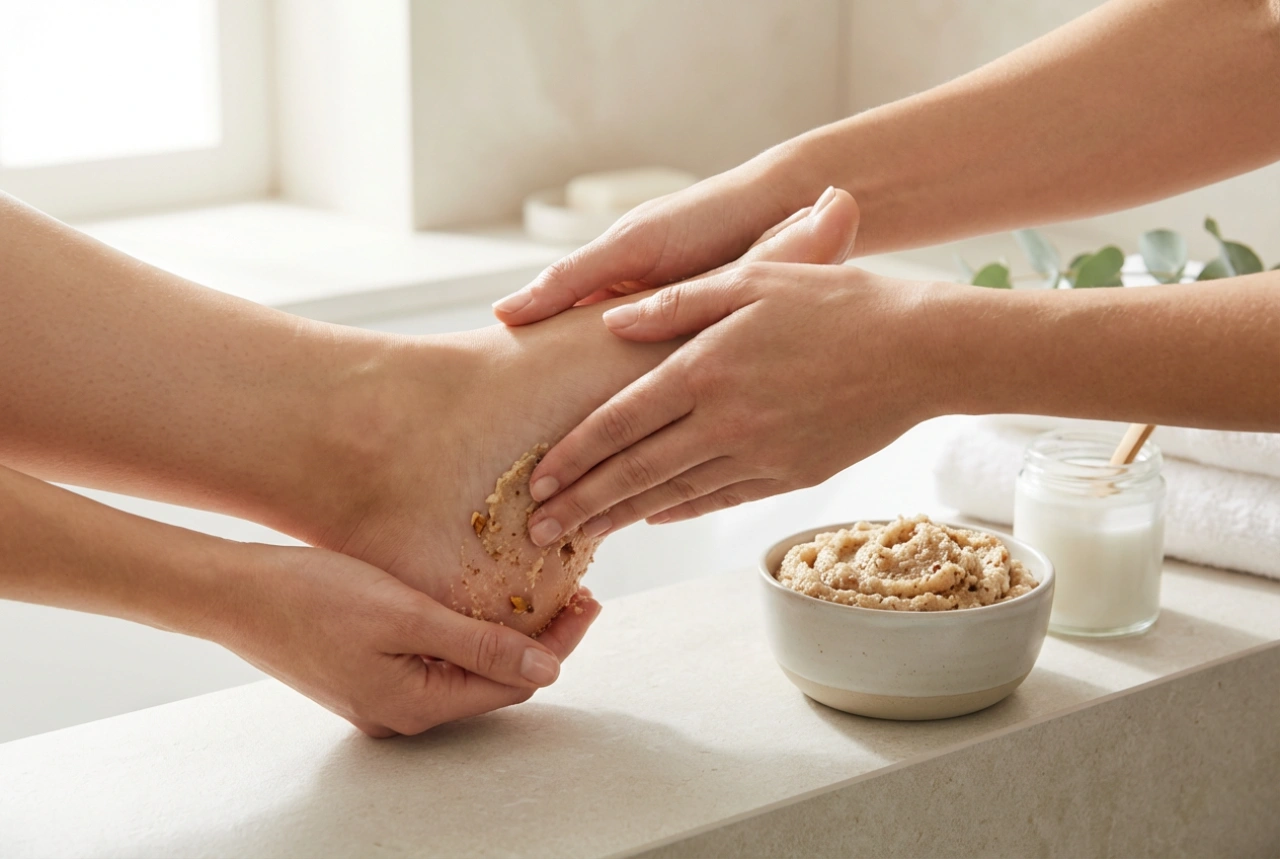
- Dry Areas: Give extra attention to typically dry areas like your elbows, knees, and heels. Massage a little extra oil into these spots to help soften and nourish them.
Integrating Body Oil into Your Daily Life
A hydrating body oil is more versatile than you might think. Beyond a post-shower moisturiser, it can be used in several other ways. Add a few drops to your running bath water for a deeply moisturising soak. Use it as a cuticle oil to keep your nails and hands healthy, or apply it to your feet before bed and cover with socks for an intensive overnight softening treatment. Consistent use is key to achieving and maintaining beautifully hydrated, healthy-looking skin.