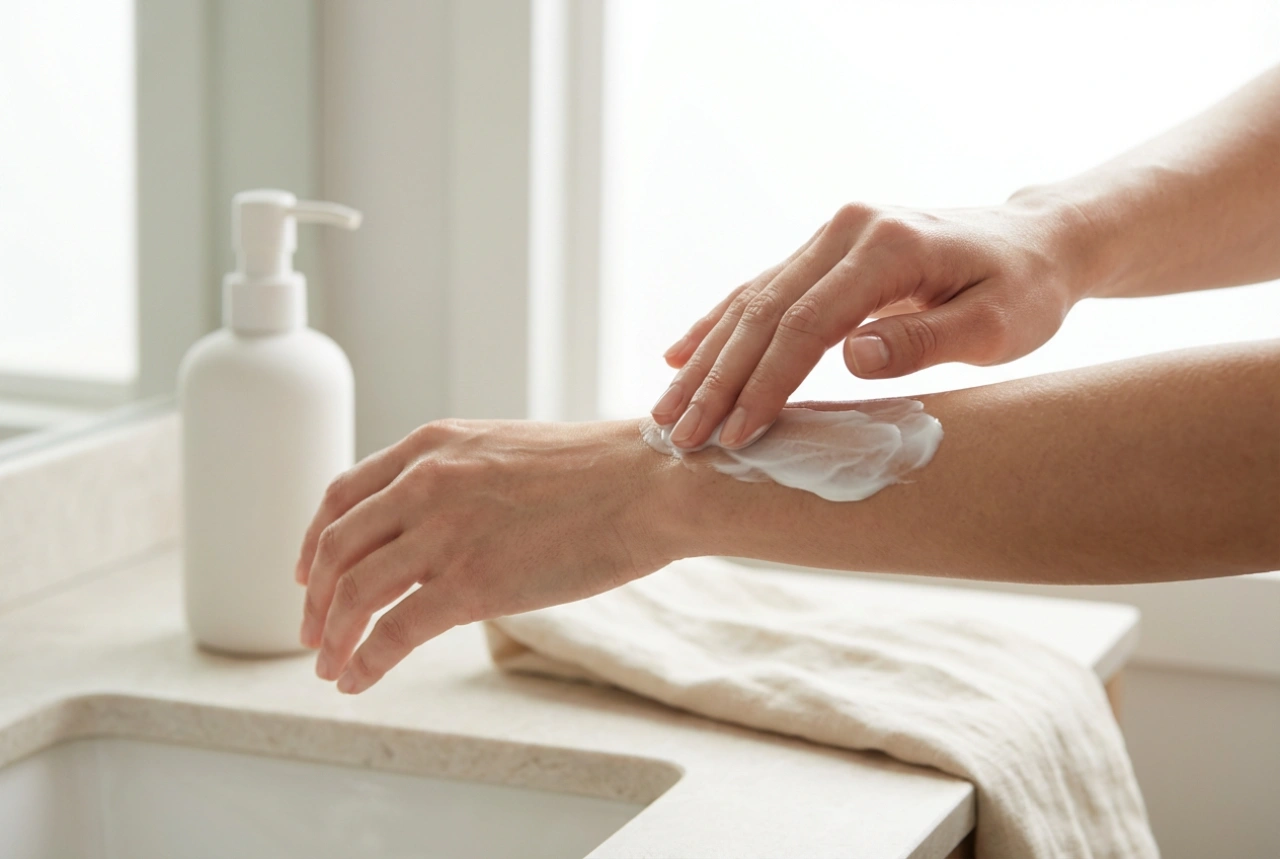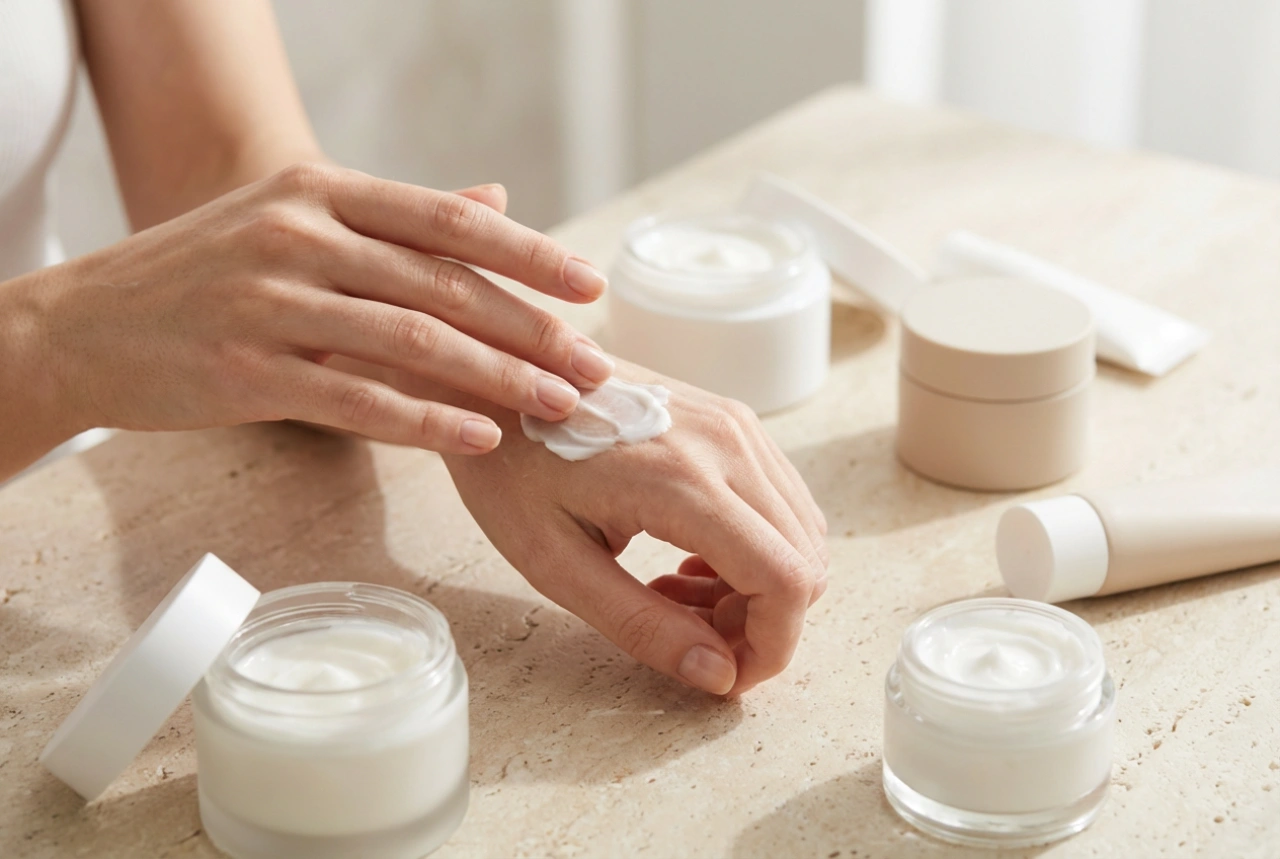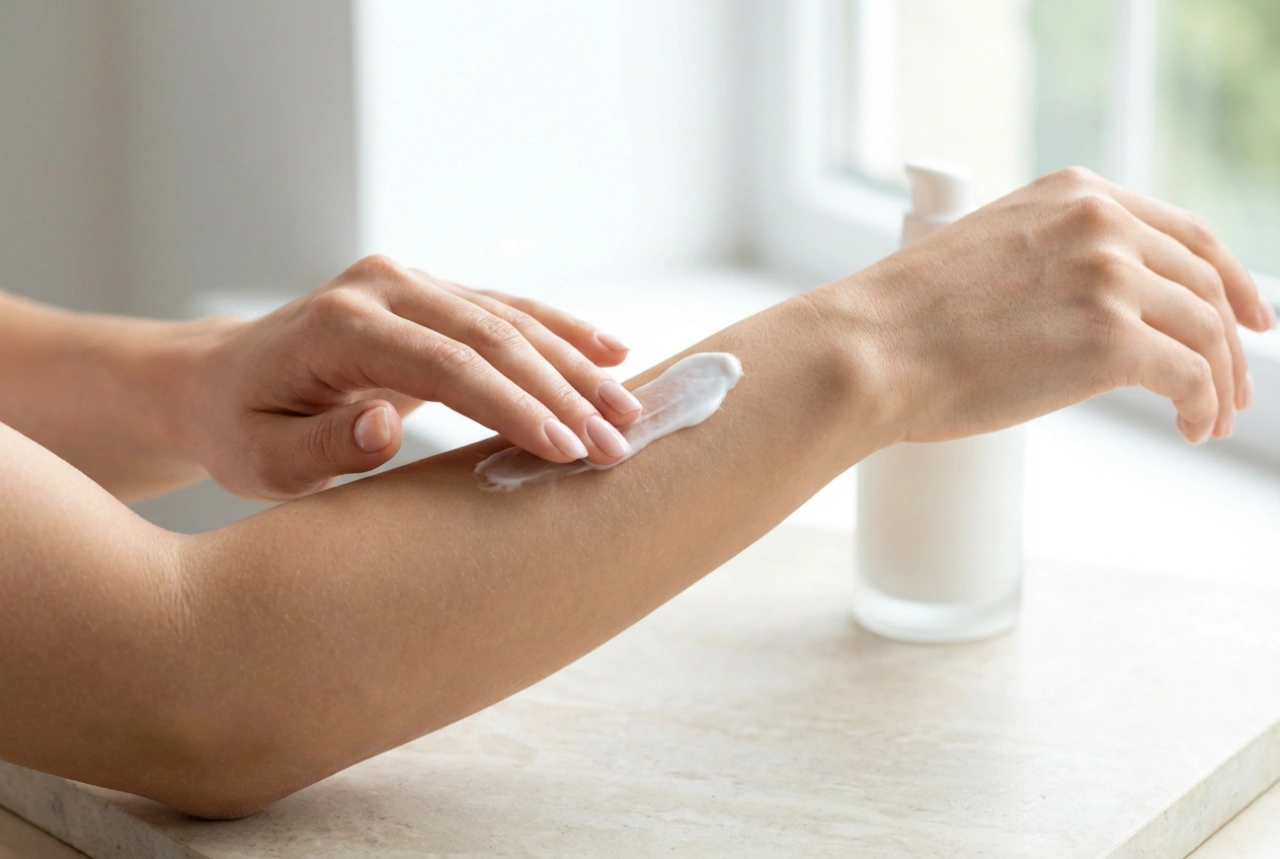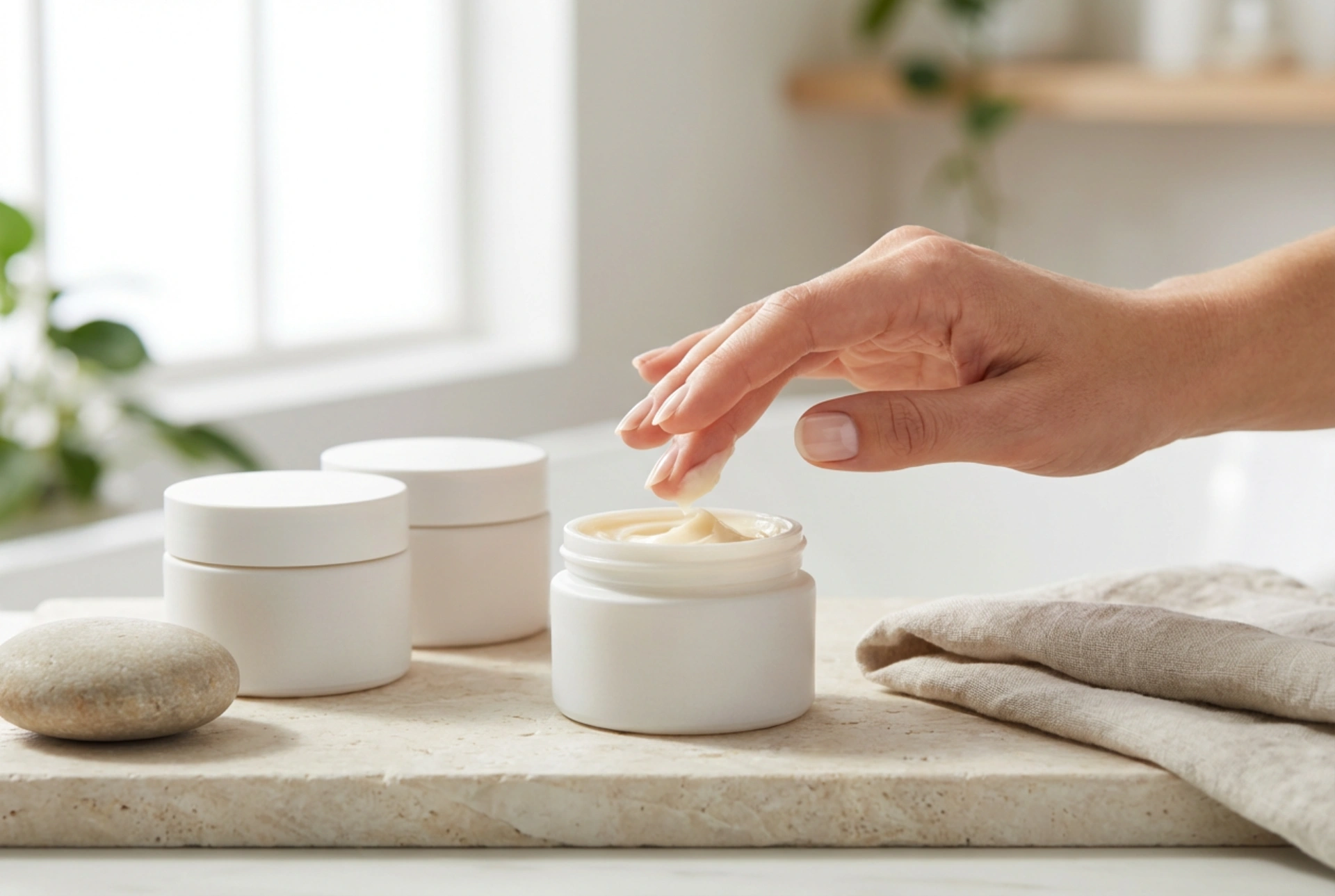


A tranquil moment of self-care often begins with the simple tactile experience of scooping a rich, velvety balm from a minimalist container. The soft texture melting under the warmth of your fingertips represents more than just routine moisturisation; it is an invitation to a mindful beauty ritual. Selecting the right natural balm and understanding how to apply it effectively can elevate your daily skincare routine, transforming dry, tired skin into a radiant, deeply nourished canvas.
Understanding Natural Balms and Their Benefits
Unlike water-based lotions that provide lightweight hydration, natural balms are typically anhydrous, meaning they contain no water. Instead, they are formulated with a concentrated blend of plant oils, butters, and waxes. This dense, water-free structure creates a protective barrier on the skin, sealing in moisture and preventing transepidermal water loss. This makes balms exceptionally effective for areas prone to extreme dryness, such as elbows, knees, heels, and hands.
By choosing natural formulations, you opt for products rich in essential fatty acids, vitamins, and antioxidants. These components work in harmony with the skin’s natural lipid barrier, supporting its resilience against environmental stressors like cold wind, central heating, and pollution. The absence of synthetic fillers means every single ingredient in a high-quality natural balm serves a specific purpose in nourishing and softening the skin.
Decoding the Ingredient List (INCI)
Reading cosmetic labels can often feel like deciphering a complex code. However, understanding the International Nomenclature of Cosmetic Ingredients (INCI) is the key to identifying truly natural and effective products. Ingredients are listed in descending order of concentration, meaning the components at the top of the list make up the majority of the product.
Identifying the Base Oils and Butters
In a genuine natural balm, the first few ingredients should always be plant-derived. Look for nourishing bases such as shea butter (Butyrospermum Parkii), cocoa butter (Theobroma Cacao), or coconut oil (Cocos Nucifera). High-quality liquid oils like jojoba seed oil (Simmondsia Chinensis), sweet almond oil (Prunus Amygdalus Dulcis), or argan oil (Argania Spinosa) are often blended in to adjust the texture and absorption rate.
Spotting Emollients and Waxes
Waxes give balms their characteristic solid yet melting texture. Candelilla wax (Euphorbia Cerifera) and carnauba wax (Copernicia Cerifera) are popular plant-based alternatives to beeswax (Cera Alba). These ingredients help to form a breathable, protective film over the skin surface. If you see synthetic mineral oils, petroleum jelly (petrolatum), or paraffinum liquidum high on the list, the product relies on petrochemical derivatives rather than natural plant lipids.
Natural Fragrances and Preservatives
Many natural balms obtain their subtle, soothing aromas from essential oils or botanical extracts. Look for terms like lavender oil (Lavandula Angustifolia) or chamomile extract (Anthemis Nobilis). Since anhydrous balms do not contain water, they are less prone to microbial growth. However, natural antioxidants like tocopherol (Vitamin E) or rosemary leaf extract (Rosmarinus Officinalis) are frequently added to prevent the delicate plant oils from oxidising and going rancid.
The Art of Mindful Balm Application
The efficacy of a natural balm depends heavily on how it is applied. Because these formulations are highly concentrated, a small amount goes a long way. Developing a mindful, structured application technique not only enhances the absorption of the active ingredients but also provides a serene, therapeutic experience for the mind.
Preparing the Skin for Better Absorption
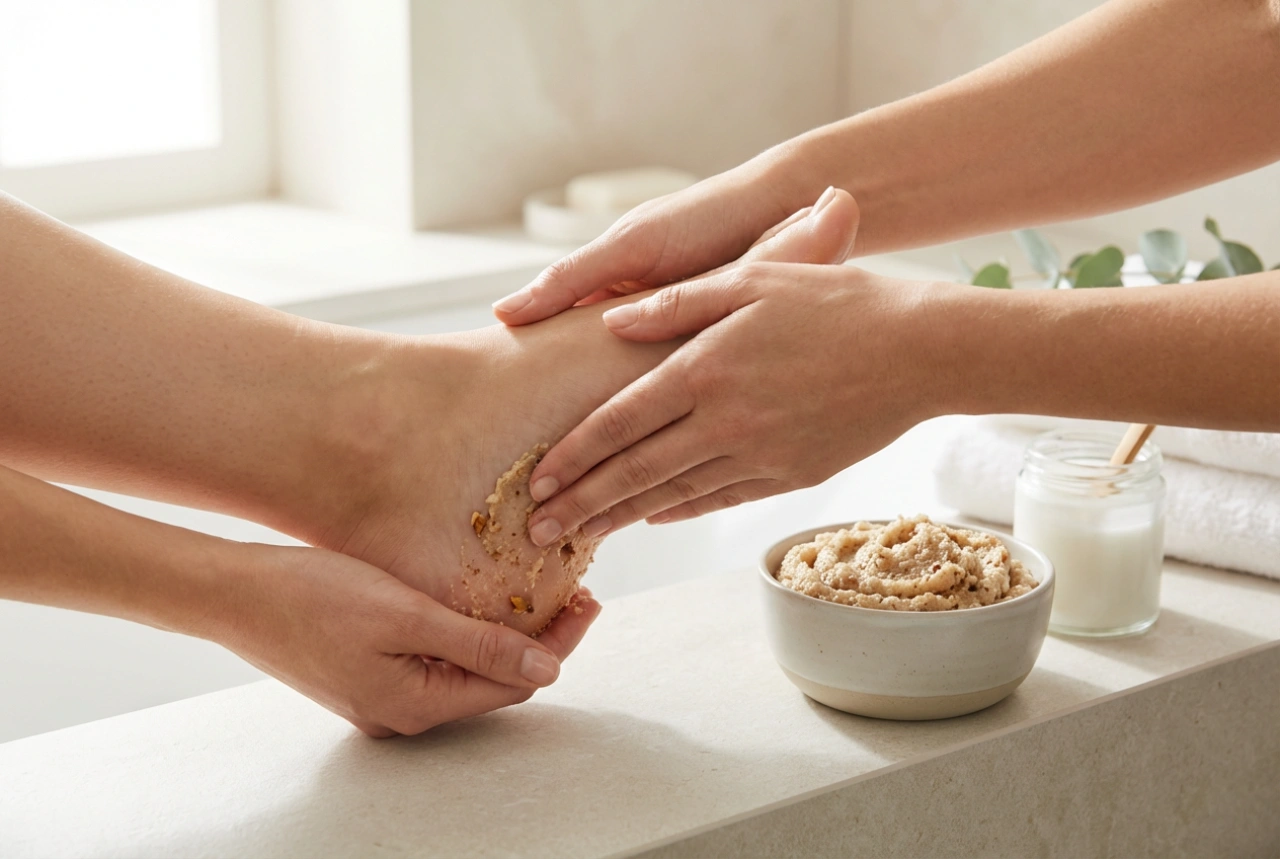
To get the most out of your natural balm, apply it to slightly damp skin. The best time is immediately after a warm bath or shower, when the pores are receptive and the skin still holds surface moisture. Applying the balm over this dampness helps trap the water molecules, significantly boosting hydration levels. Additionally, incorporating a gentle body scrub once or twice a week removes dead skin cells, allowing the rich plant butters to penetrate deeper without any barriers.
Choosing the Right Blend for Your Skin Type
While all natural balms offer excellent moisturisation, selecting a blend tailored to your skin’s specific needs can yield even better results. For those with highly sensitive skin, look for minimalist formulas that rely on soothing base ingredients like colloidal oat oil or calendula extract, and are completely free from essential oils to minimise any risk of irritation. If your skin is extremely dry and depleted, a heavier balm containing dense shea and cocoa butters will provide the intensive nourishment needed to restore suppleness. For normal or combination skin, lighter oils such as jojoba, sweet almond, or apricot kernel oil blended with a hint of floral wax offer balanced hydration without feeling overly heavy or greasy.
Massage Techniques for Deep Nourishment
- Warm the product: Scoop a small, pea-sized amount of balm using clean fingertips or a cosmetic spatula. Rub it between your palms for a few seconds. The friction and body heat will melt the solid waxes and butters into a smooth, silky oil.
- Gentle upward strokes: Begin applying the melted balm to your limbs using long, sweeping motions directed towards the heart. This classic technique supports natural circulation and encourages lymphatic drainage.
- Circular pressure: For drier, rougher areas such as knees, elbows, and ankles, use firm, circular motions with your thumbs. This helps to work the rich emollient deeply into the thickened skin layers.
- Mindful breathing: Take a moment to inhale the natural botanical aromas of the balm as you massage it in, allowing the sensory experience to calm your nervous system.
How to Store and Preserve Natural Formulations
Because natural balms are free from synthetic stabilizers and heavy chemical preservatives, they require a little extra care to maintain their integrity and texture. Store your balm containers in a cool, dry place away from direct sunlight and fluctuating temperatures. Exposure to high heat can cause the natural butters to melt and separate, sometimes resulting in a slightly grainy texture when they re-solidify. While this graininess does not affect the product's safety or efficacy, keeping it cool ensures a consistently smooth and luxurious application every time.
Always ensure your hands are clean and dry before scooping product directly from the jar, or use a clean wooden or metal spatula. This simple practice prevents water droplets and bacteria from entering the container, keeping your natural skincare fresh, pure, and effective down to the very last drop.