

Achieving a clear and radiant complexion is a common skincare goal. One effective way to work towards a more even skin tone is by incorporating a targeted face mask into your routine. With a thoughtful selection of ingredients and proper application, a mask can help diminish the appearance of dark spots and discolouration, revealing brighter, more luminous skin. This guide will walk you through choosing the right components and using them effectively for the best results.
Understanding the Nature of Skin Discolouration
Cosmetic skin discolouration refers to any areas where the skin tone appears uneven. This can manifest as darker patches or spots on the surface of the skin. Common causes include prolonged sun exposure without adequate protection, the natural aftermath of minor skin blemishes, and general environmental factors that can lead to a dull, patchy appearance. It's important to understand that addressing this cosmetically is a gradual process focused on improving the skin's overall radiance and uniformity, not on treating a medical condition. The goal is to gently exfoliate dull surface cells and support the skin's natural renewal process to promote a brighter look.
Key Ingredients for a Brighter-Looking Complexion
When selecting a mask to address discolouration, the ingredient list is paramount. Look for formulas that contain gentle yet effective components known for their ability to promote a more even and radiant skin tone. Avoid harsh or irritating substances, as they can sometimes worsen the appearance of unevenness.
Vitamin C and Its Derivatives
Vitamin C is a celebrated antioxidant in skincare. In face masks, stable derivatives of vitamin C are often used to help brighten the overall complexion and reduce the visibility of dark spots. These ingredients work by protecting the skin from environmental stressors that can contribute to a dull appearance and by supporting a more luminous, even tone over time.
Niacinamide (Vitamin B3)
Niacinamide is a versatile ingredient that offers multiple benefits. For those concerned with discolouration, it is particularly valuable. It helps to improve the skin's barrier function, which contributes to overall skin health. Furthermore, it can visibly reduce the appearance of dark spots and improve skin texture, leading to a smoother and more uniform complexion. It is generally well-tolerated by most skin types.
Gentle Exfoliants
Exfoliation is crucial for sloughing away dead, pigmented skin cells from the surface. For a mask, gentle is the operative word. Look for mild alpha-hydroxy acids (AHAs) like lactic acid or mandelic acid, which provide gentle exfoliation. Another excellent option is fruit enzymes, such as papain (from papaya) or bromelain (from pineapple). These enzymes work to dissolve the bonds holding dull skin cells together, revealing the fresher, brighter skin underneath without being overly abrasive.
Botanical Extracts
Many plant-derived extracts have been used for centuries to promote a brighter complexion. Ingredients like liquorice root extract, mulberry extract, and bearberry extract (which contains arbutin) are known for their ability to help even out skin tone. They work gently to reduce the appearance of existing discolouration and support a consistently radiant look.
How to Use a Brightening Mask Effectively
Simply applying a mask is not enough; a proper technique ensures you get the maximum benefit from your chosen product.
- Start with a Clean Canvas: Always begin by thoroughly cleansing your face to remove makeup, dirt, and excess oil. This allows the mask's active ingredients to penetrate the skin more effectively. Pat your skin dry with a soft towel.
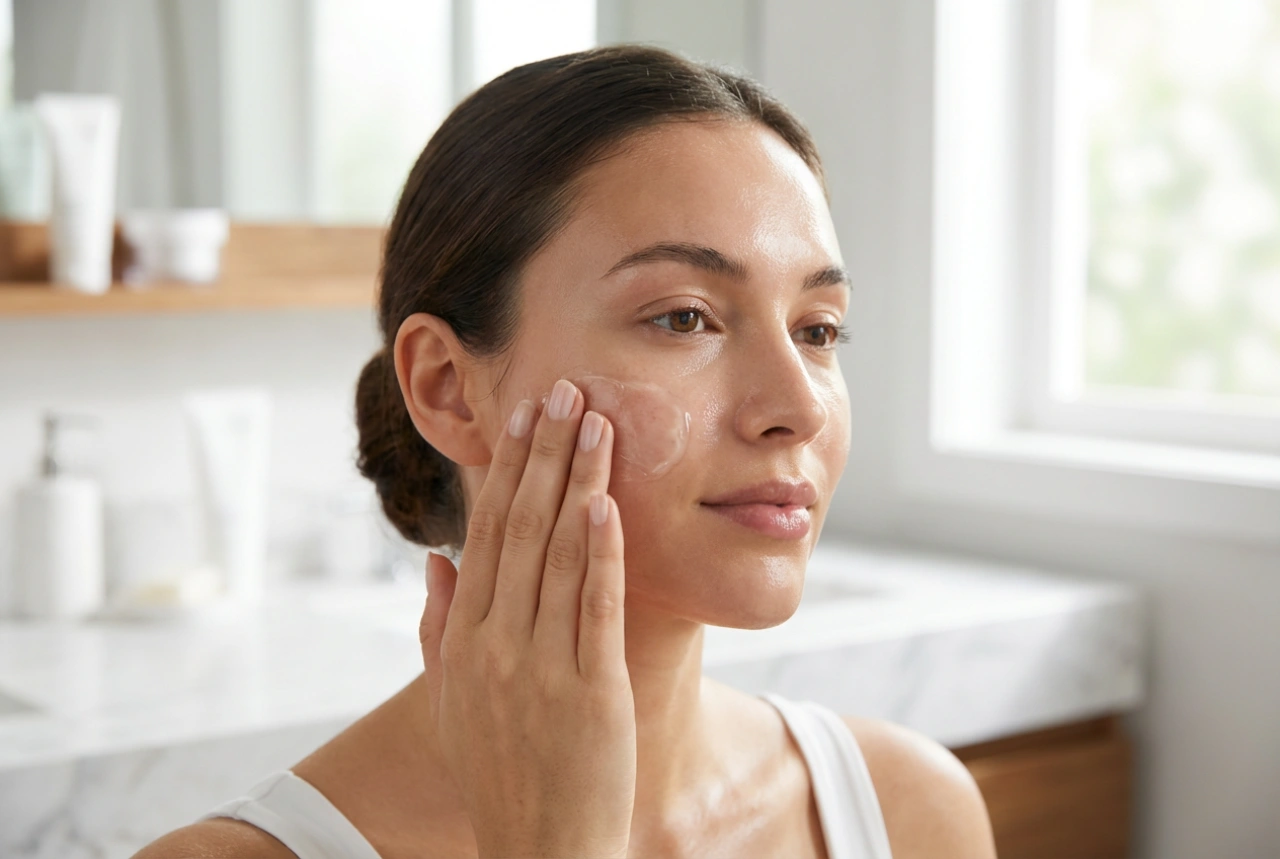
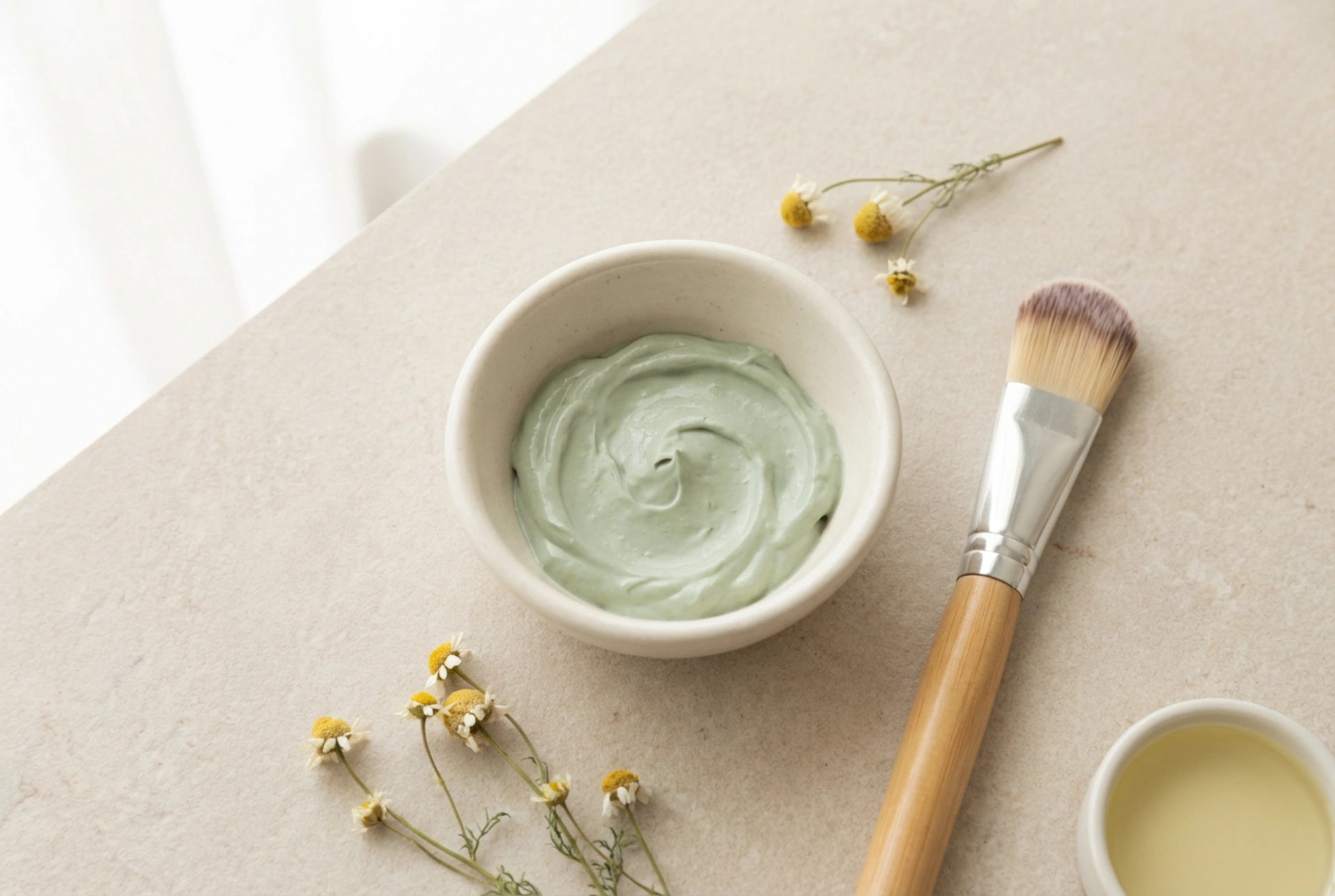
- Apply an Even Layer: Using a clean applicator brush or your fingertips, spread a uniform layer of the mask over your face. Be sure to avoid the delicate areas around your eyes and lips.
- Respect the Timing: Follow the product's instructions for how long to leave the mask on, which is typically between 10 to 20 minutes. Leaving it on for longer will not provide better results and may lead to irritation, especially with exfoliating ingredients.
- Rinse Thoroughly: Wash the mask off completely with lukewarm water. Avoid hot water, as it can strip the skin of its natural oils. Gently pat your skin dry.
- Follow Up Immediately: After rinsing, your skin is primed to absorb subsequent products. Immediately apply your favourite hydrating serum and moisturiser to lock in moisture and soothe the skin.
Supporting Your Routine for an Even Skin Tone
A face mask is a powerful booster, but consistency in your daily routine is what yields long-term results. To support your efforts in achieving an even complexion, integrate these habits into your everyday life.
Prioritise Sun Protection
This is the most critical step. Daily use of a broad-spectrum sunscreen with a high SPF is non-negotiable. Sun exposure is a primary cause of discolouration, and without protection, any progress made with masks or other treatments will be undone. Apply it generously every morning, even on cloudy days.
Be Consistent and Patient
Improving the appearance of discolouration takes time. Use your brightening mask consistently, about 1-2 times per week, as recommended. Cosmetic changes do not happen overnight. Patience and a steady, gentle approach will always be more effective and safer for your skin than attempting quick fixes with aggressive products.