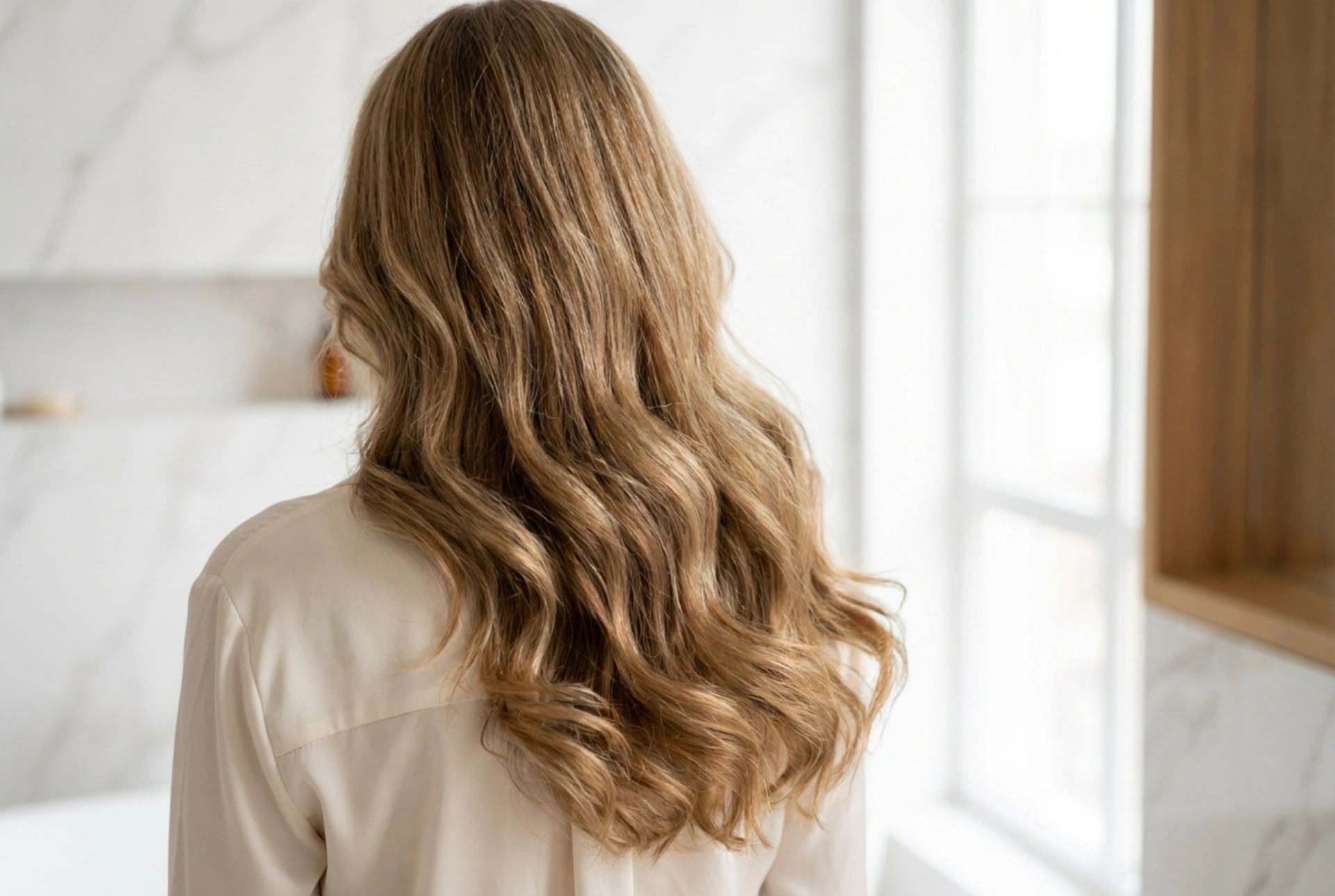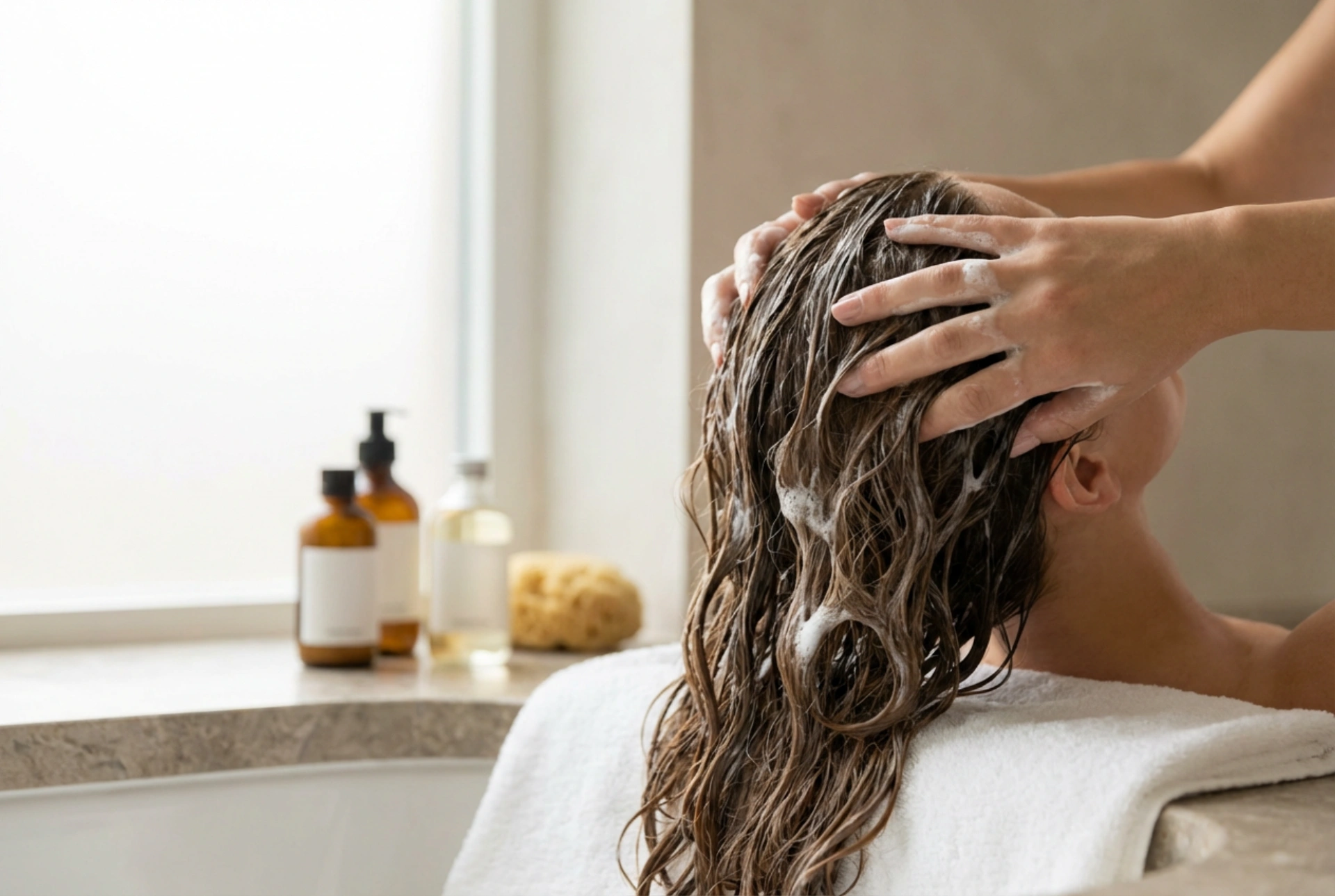


Wavy hair possesses a unique charm, occupying a beautiful middle ground between straight and curly textures. Proper care is essential to showcase its natural pattern, and this journey begins with the foundational step of your routine: washing. Choosing the right shampoo and adopting a gentle washing technique can transform undefined, frizzy hair into beautifully sculpted waves. A thoughtful approach to cleansing, as evoked by the gentle act of massaging shampoo into the hair, is the key to unlocking your waves' full potential and maintaining their health and vibrancy.
Understanding the Needs of Wavy Hair
Unlike straight hair, the S-shaped pattern of wavy hair makes it more difficult for the scalp's natural oils to travel down the hair shaft. This often leads to drier ends and a scalp that can feel oily more quickly. Furthermore, wavy hair is particularly susceptible to frizz, especially in humid conditions, and can be easily weighed down by heavy products, causing the waves to lose their shape and appear limp. The primary goals of a wavy hair care routine are therefore to provide adequate hydration, combat frizz, and enhance the natural wave pattern without sacrificing volume.
Choosing the Right Shampoo: What to Look For
The formulation of your shampoo plays a crucial role in achieving your hair goals. Reading the ingredient list can help you select a product that nourishes your waves rather than working against them.
Beneficial Ingredients for Hydration and Definition
To support your waves, look for shampoos with gentle cleansing agents and moisturising ingredients. These will help to cleanse the scalp effectively without stripping the hair of its necessary moisture.
- Humectants: Ingredients like glycerin, panthenol (pro-vitamin B5), and aloe vera are excellent for wavy hair. They attract moisture from the atmosphere and bind it to the hair shaft, promoting hydration and elasticity.
- Emollients: Natural oils and butters such as jojoba oil, argan oil, and shea butter act as emollients. They help to smooth the hair cuticle, seal in moisture, reduce frizz, and add shine.
- Lightweight Proteins: Components like hydrolysed wheat protein or silk amino acids can help to strengthen the hair's structure and improve its texture. They fill in gaps in the hair cuticle, which enhances definition without causing the stiffness that heavier proteins might.
Ingredients to Approach with Caution
Certain common shampoo ingredients can be counterproductive for wavy hair types, leading to dryness, build-up, and frizz.
- Harsh Sulphates: Strong detergents like Sodium Lauryl Sulphate (SLS) and Sodium Laureth Sulphate (SLES) can create a rich lather but may strip the hair of its natural oils, leading to dryness and increased frizz. Consider shampoos with milder surfactants or sulphate-free formulas for regular use.
- Heavy Silicones: Non-water-soluble silicones can provide temporary smoothness and shine, but they can accumulate on the hair over time. This build-up can weigh down your waves and prevent moisture from penetrating the hair shaft.
- Drying Alcohols: Be mindful of short-chain alcohols such as alcohol denat, which can be drying. In contrast, fatty alcohols like cetyl, stearyl, and cetearyl alcohol are beneficial as they have moisturising properties.
It can be beneficial to use a clarifying shampoo periodically, perhaps once or twice a month, to remove any build-up from products or hard water, giving your waves a fresh start.
The OMO Method: A Step-by-Step Guide for Wavy Hair
The OMO (Conditioner-Wash-Conditioner) method is a popular technique for those with textured hair. It’s designed to protect the fragile lengths and ends from the potentially stripping effects of shampoo while ensuring the scalp is thoroughly cleansed.
Step 1: O (First Conditioner)
Before you introduce shampoo, apply a light conditioner or a cleansing conditioner to the lengths and ends of your dry or damp hair. This initial layer acts as a protective shield for the more vulnerable parts of your hair.
Step 2: M (Wash)
Without rinsing out the first conditioner, wet your hair and apply your chosen shampoo directly to the scalp. Focus on massaging the shampoo into your roots with your fingertips to lift away oil and dirt. When you rinse, the suds that run down the hair are enough to gently cleanse the lengths without harsh friction.
Step 3: O (Second Conditioner)
After thoroughly rinsing out the shampoo and the first conditioner, apply a more nourishing and hydrating conditioner from the mid-lengths to the ends. Use this opportunity to gently detangle your hair with your fingers or a wide-tooth comb. Let the conditioner sit for a few minutes to allow it to penetrate the hair shaft before rinsing, preferably with cool water to help seal the cuticles and lock in moisture.
Post-Wash Care for Beautiful Waves
Your hair care doesn't end with the final rinse. To enhance your natural waves, avoid vigorously rubbing your hair with a standard towel. Instead, gently squeeze out excess water using a microfibre towel or a soft cotton T-shirt to minimise friction and frizz. Apply your styling products, such as a lightweight leave-in conditioner or a wave-enhancing cream, to damp hair and scrunch upwards to encourage wave formation. Finally, let your hair air-dry or use a diffuser on a low heat and speed setting to define your waves beautifully.