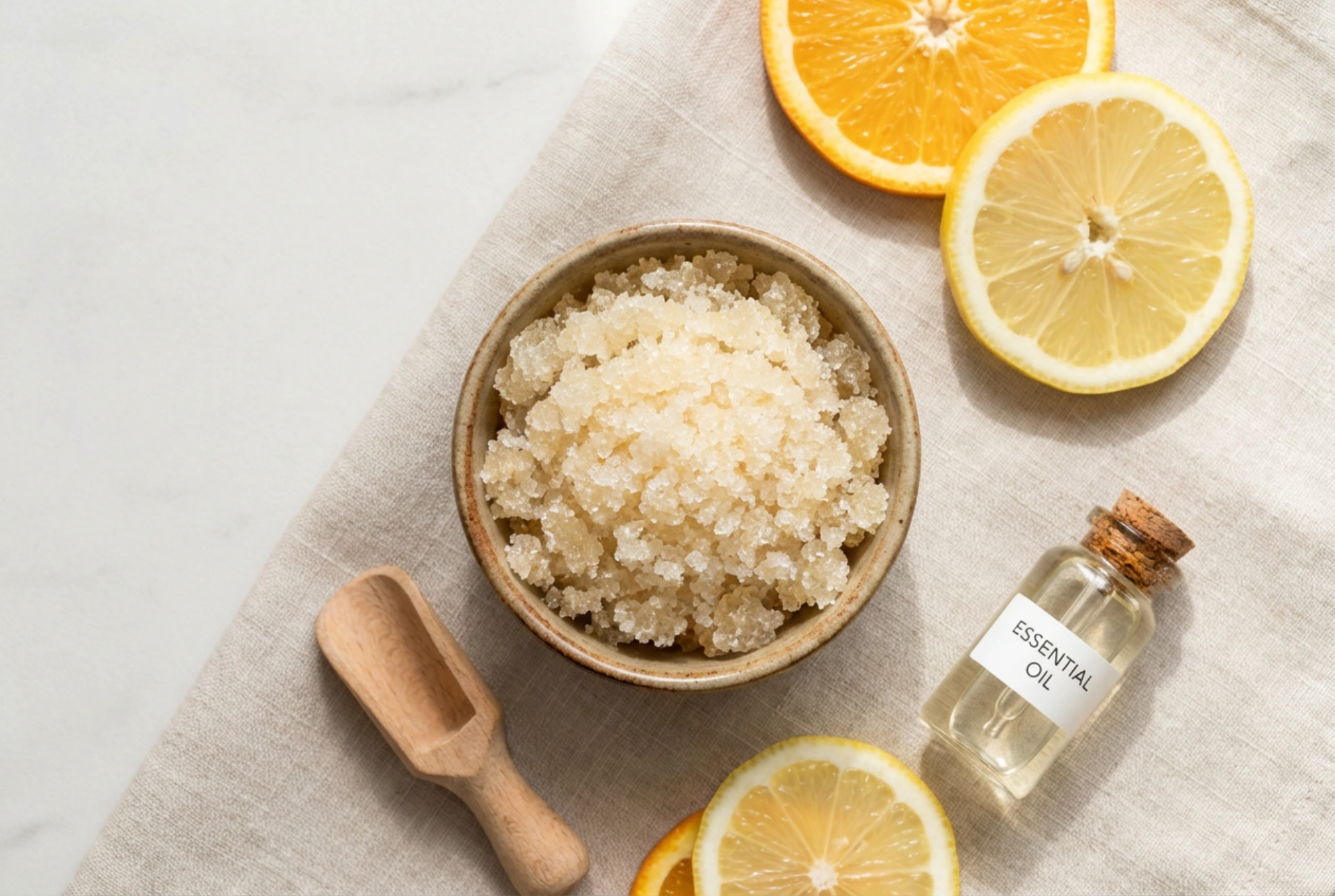


Achieving smooth, radiant skin doesn't always require complex products. A simple, homemade sugar scrub, created with ingredients likely already in your kitchen, can be a delightful and effective way to exfoliate your skin. This gentle approach to skincare helps to remove dull surface cells, leaving your body feeling soft and revitalised. Let's explore how to create and use your very own sugar scrub for a touch of home-spa luxury.
The Gentle Power of Sugar Exfoliation
Sugar is a natural source of glycolic acid, an alpha-hydroxy acid (AHA) that helps to break down the bonds between skin cells, encouraging cell turnover and revealing fresher skin underneath. As a physical exfoliant, the small sugar crystals are effective at sloughing away dead skin without being overly harsh, as they dissolve with water and gentle pressure. This makes them a suitable choice for many skin types when used correctly.
Key Benefits for Your Skin
- Reveals Brighter Skin: By removing the outermost layer of dead skin cells, a sugar scrub can help your skin appear brighter and more luminous.
- Improves Skin Texture: Regular exfoliation helps to smooth rough patches, resulting in skin that feels noticeably softer to the touch.
- Boosts Circulation: The massaging action required to apply the scrub helps to stimulate blood flow to the skin's surface, which can contribute to a healthy glow.
- Enhances Moisturiser Absorption: With the layer of dead cells removed, your body lotions and oils can penetrate more effectively, making them work better.
Essential Ingredients for Your Homemade Scrub
The beauty of a DIY sugar scrub lies in its simplicity. You only need two main components to get started, with plenty of room for customisation.
The Exfoliant: Sugar
You can use different types of sugar depending on your needs. Brown sugar is generally softer and gentler, making it a good option for more sensitive skin or even for a delicate facial scrub. White granulated sugar has slightly larger crystals, offering a more robust exfoliation that is ideal for the body, especially on areas like feet and elbows.
The Carrier: Oil
An oil is necessary to bind the sugar and provide moisture, allowing the scrub to glide over the skin while deeply nourishing it. Common choices include coconut oil, which is rich in fatty acids; olive oil, which is very moisturising; sweet almond oil, which is light and rich in Vitamin E; or jojoba oil, which closely mimics the skin's natural sebum.
A Simple Recipe for a Basic Sugar Scrub
This foundational recipe can be made in minutes and is easy to adapt.
What You Will Need
- 1 cup of brown or white granulated sugar
- 1/2 cup of your chosen carrier oil (e.g., melted coconut oil, sweet almond oil)
- A clean, airtight container for storage
- Optional: 5-10 drops of a skin-safe essential oil for fragrance
Step-by-Step Instructions
- If you are using a solid oil like coconut oil, gently melt it until it is in a liquid state, then allow it to cool slightly so it is warm, not hot.
- In a medium-sized mixing bowl, add the sugar.
- Pour the oil over the sugar and mix thoroughly with a spoon or spatula until the mixture has the consistency of wet sand. Adjust the amount of oil if the mixture feels too dry or too runny.
- If you're adding them, stir in a few drops of your favourite essential oil. Lavender is calming, while citrus oils like lemon or sweet orange are uplifting.
- Carefully transfer your finished scrub into an airtight jar or container.
How to Use Your Sugar Scrub Effectively
To get the most out of your homemade scrub, proper application is key.
- Use the scrub in the shower or bath. Apply it to damp skin, as this helps it spread more easily and prevents abrasion.
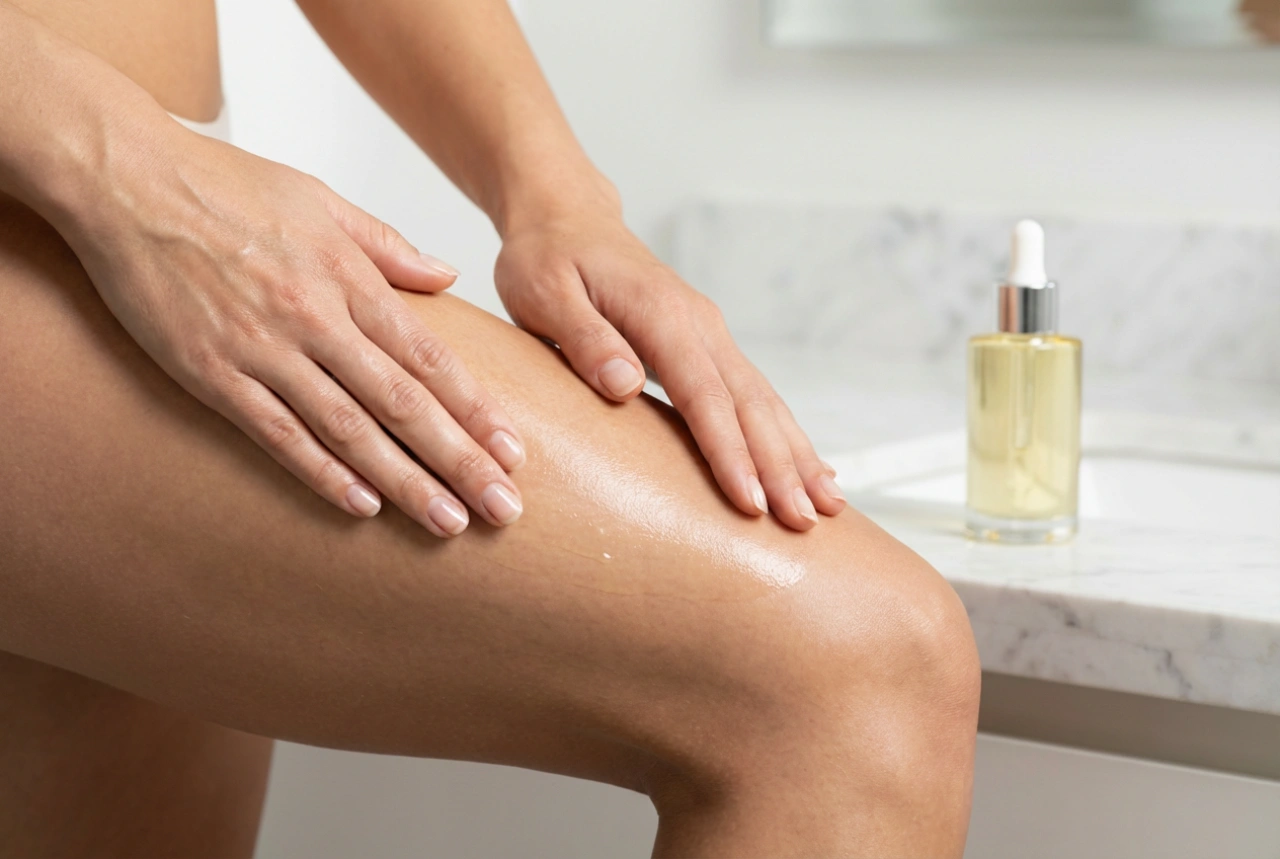
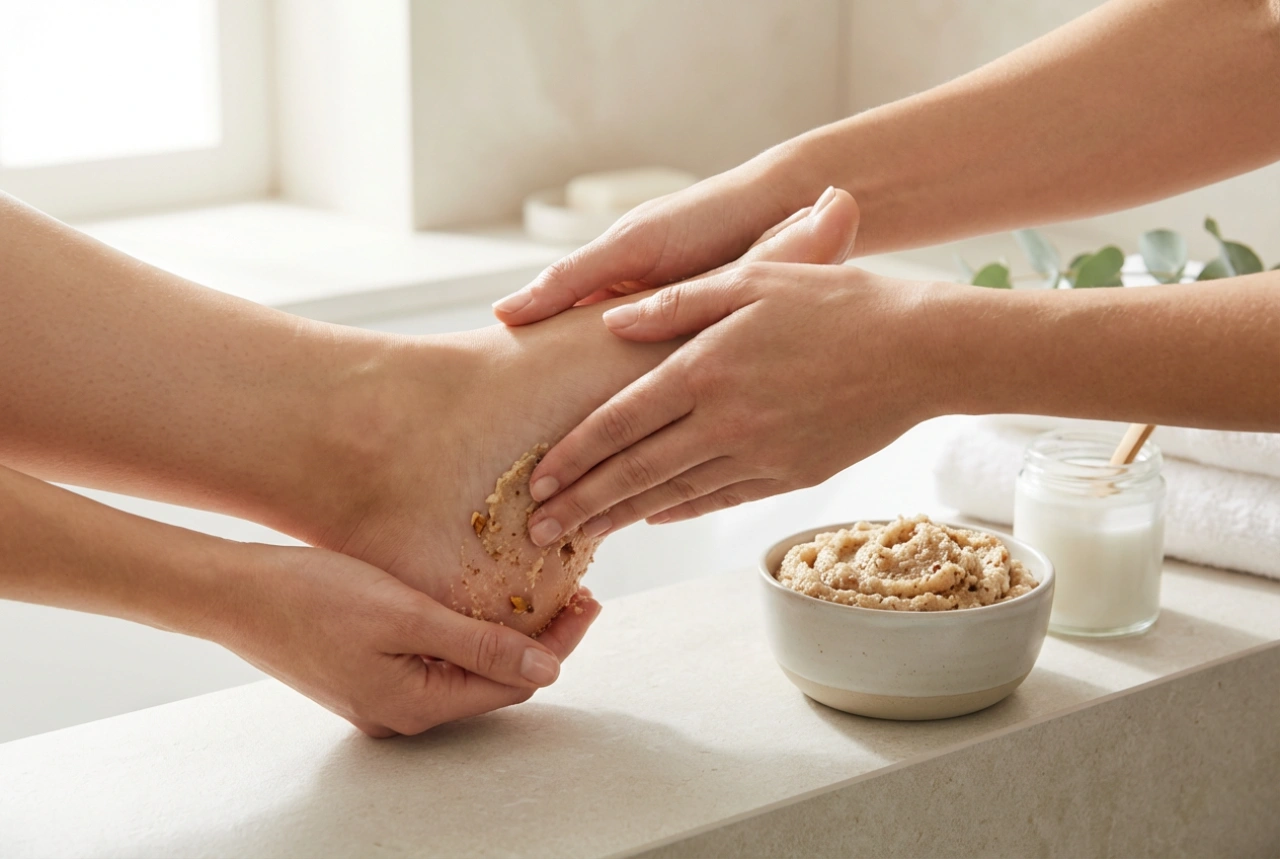
- Take a scoop of the scrub and apply it to your body using gentle, circular motions. Pay extra attention to rough areas like elbows, knees, and heels.
- Be gentle with your skin. You don't need to apply a lot of pressure; let the sugar crystals do the work. Avoid using the scrub on irritated, sunburnt, or broken skin.
- Rinse the scrub off thoroughly with warm water. You will notice a light, moisturising film of oil left on your skin.
- Gently pat your skin dry with a towel. There is often no need to apply a separate moisturiser immediately afterwards.
- Limit use to one to two times per week to avoid over-exfoliating, which can lead to irritation.