

Caring for a sensitive scalp requires a delicate touch, much like the pure and gentle elements of nature. If you experience discomfort, tightness, or dryness, your choice of shampoo could be a crucial factor. Opting for a formulation designed for sensitivity can make a significant difference, helping to restore balance and comfort. Understanding what to look for, and what to avoid, is the first step towards a healthier-feeling scalp and beautiful hair.
Understanding Common Shampoo Ingredients
Many standard shampoos contain ingredients that, while effective at cleaning, can be too harsh for delicate skin. Two of the most commonly discussed are SLS/SLES and parabens. Knowing their roles can help you make an informed choice.
SLS (Sodium Lauryl Sulfate) and SLES (Sodium Laureth Sulfate)
These are surfactants, or cleansing agents, responsible for the rich lather many people associate with a deep clean. They are very effective at removing dirt and oil. However, for a sensitive scalp, this powerful action can be stripping, removing too much of the natural sebum that protects the skin. This can disrupt the scalp's hydrolipidic barrier, leading to dryness, a feeling of tightness, and potential irritation.
Parabens
Parabens are a group of preservatives used to prevent the growth of bacteria and mould in cosmetic products, extending their shelf life. While they are effective in this role, some individuals prefer to avoid them due to concerns about potential sensitivity. For those with easily irritated skin, choosing a paraben-free product is a way to minimise exposure to unnecessary synthetic ingredients.
Why a Gentle Shampoo Benefits a Sensitive Scalp
A sensitive scalp is one whose natural defence mechanisms are compromised. It reacts more strongly to external factors, including harsh chemicals. Using a gentle, specifically formulated shampoo helps to maintain the scalp's natural equilibrium. By avoiding strong detergents like SLS, you help preserve the protective lipid layer, which is essential for retaining moisture and preventing irritants from penetrating the skin. A milder cleansing routine leads to a calmer, more comfortable scalp, reducing the likelihood of itchiness and flaking associated with dryness.
What to Look For in a Shampoo for Sensitive Skin
When selecting a shampoo, reading the ingredients list is more important than relying on marketing claims. Look for products that prioritise gentle, soothing components.
- Mild Cleansing Agents: Instead of SLS or SLES, look for gentler surfactants derived from natural sources like coconut or sugar. Ingredients such as Coco-Glucoside, Decyl Glucoside, or Sodium Cocoyl Isethionate clean the hair and scalp effectively without being overly stripping.
- Soothing Ingredients: Many botanicals are known for their calming properties. Look for shampoos containing ingredients like aloe vera, chamomile extract, oat extract, or calendula. These can help to soothe the skin and reduce feelings of discomfort.
- Minimalist Formulas: Often, less is more. Shampoos with shorter ingredient lists, free from common irritants like artificial fragrances, colourants, and harsh alcohols, are generally a safer bet for sensitive skin.
Best Practices for Gentle Hair Washing
How you wash your hair is just as important as what you use. Adopting a gentle technique can prevent unnecessary aggravation of a sensitive scalp.
- Use Lukewarm Water: Hot water can strip natural oils and increase sensitivity. Always wash and rinse your hair with lukewarm water.
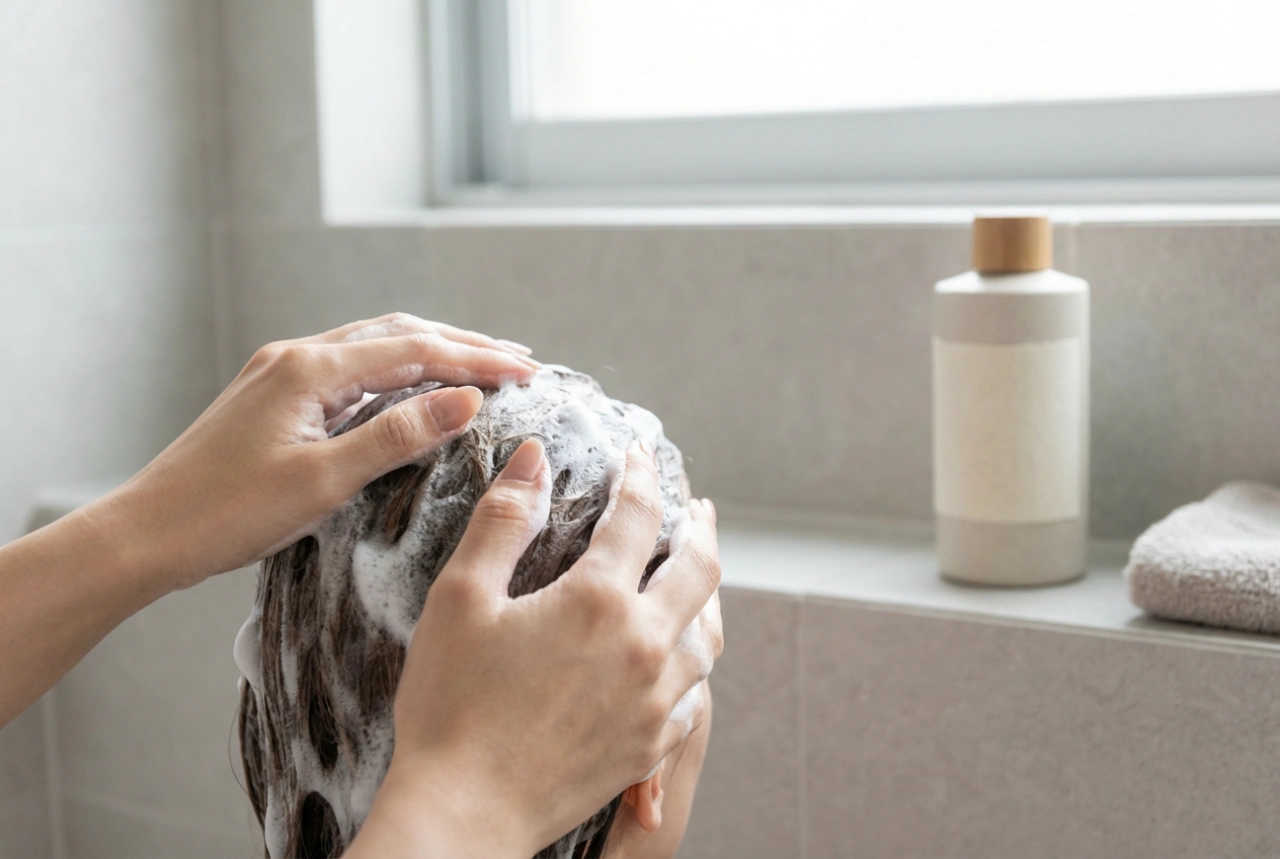
- Apply Shampoo Correctly: Don't apply shampoo directly to your scalp. Instead, lather a small amount in your wet hands first, then gently distribute it through your hair and over your scalp.
- Massage, Don't Scrub: Use your fingertips (not your nails) to gently massage the shampoo into your scalp in circular motions. This stimulates circulation without causing abrasion.
- Rinse Thoroughly: Ensure all product residue is rinsed away, as leftover shampoo can be a source of irritation.
- Limit Washing Frequency: If your hair doesn't get excessively oily, try to extend the time between washes to every other day or a few times a week to allow your scalp to maintain its natural oils.
By choosing products with care and adopting a gentle hair care routine, you can effectively manage a sensitive scalp. Prioritising mild, soothing ingredients and proper washing techniques will help you maintain a healthy, comfortable scalp and leave your hair looking its best.