

A styling comb is one of the most fundamental yet versatile tools in any hair care collection. While often associated with simple detangling, its potential extends far into the realm of sophisticated styling, shaping, and finishing. Mastering the use of a comb can elevate your daily look from simple to polished, allowing you to achieve clean lines, add volume, and create a flawless finish. Whether you have straight, wavy, or curly hair, understanding how to wield this simple instrument effectively can revolutionise your styling routine.
Choosing the Right Styling Comb
Not all combs are created equal. The type of comb you choose will significantly impact your results. Selecting the right one for the task at hand is the first step towards achieving your desired hairstyle.
Key Types of Combs and Their Uses
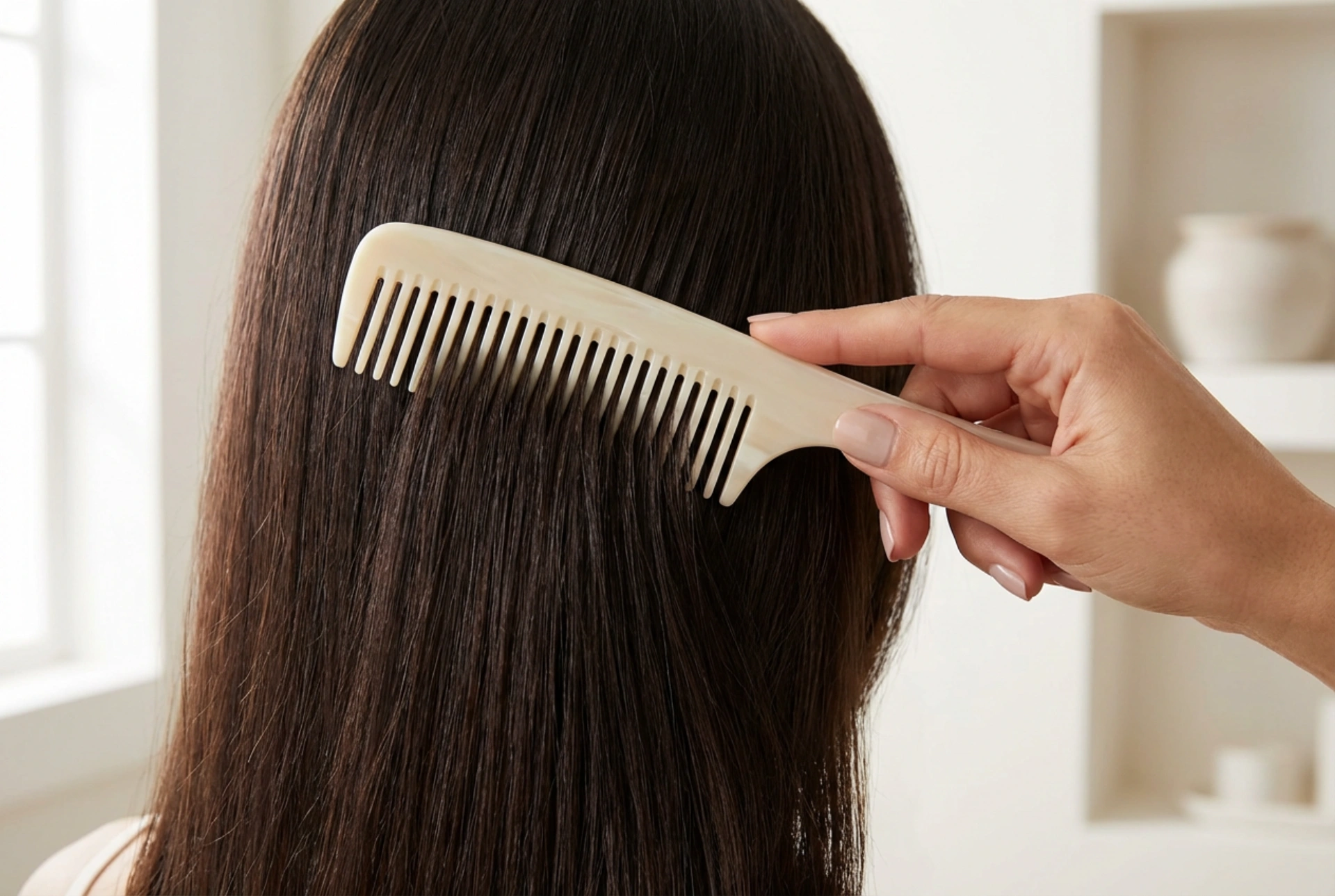
- Wide-Tooth Comb: This is your go-to tool for detangling, especially on wet or damp hair. The wide spacing between the teeth allows it to glide through strands with minimal friction, reducing the risk of breakage and preserving natural curl patterns. It's also excellent for evenly distributing conditioning treatments.
- Fine-Tooth Comb: With teeth set closely together, this comb is ideal for creating ultra-smooth, sleek finishes. It is perfect for taming flyaways, creating sharp partings, and achieving a polished look on straight hair. Use it on dry hair for best results.
- Pintail Comb: Characterised by its long, thin handle (the 'tail'), this comb is a precision tool. The tail is perfect for creating precise sections, clean partings (zigzag, straight, or curved), and lifting small sections of hair during intricate styling, such as braiding or creating updos. The comb part itself is usually fine-toothed for smoothing.
- Teasing Comb/Backcombing Comb: This comb often features a mix of bristle lengths or a specific tooth pattern designed to gently push hair towards the root, creating lift and volume. It's essential for building height in styles like ponytails, buns, or bouffants.
Fundamental Styling Techniques with a Comb
Once you have the right tool, you can begin exploring fundamental techniques that form the basis of many great hairstyles. These skills are easy to learn and will instantly improve your styling capabilities.
Creating a Flawless Parting
A crisp, clean parting can define your entire look. A pintail comb is the best tool for this. To create a straight parting, place the tip of the tail on your hairline where you want the parting to begin. Pressing gently, draw a straight line back across your scalp. Use the comb side to separate the hair neatly on either side. For a zigzag parting, simply move the tail from side to side as you draw it back.
Adding Volume at the Roots
For a boost of volume without excessive heat, a teasing comb is invaluable. The technique, known as backcombing, involves sectioning the hair and gently pushing the comb down towards the roots. To do this correctly:
- Take a small section of hair from the crown and hold it straight up.
- Place the comb a few inches from the root and gently push down towards the scalp in two or three short strokes.
- Lay the backcombed section down and lightly smooth over the top layer of hair with a fine-tooth comb to hide the teased texture while retaining the volume underneath.
Smoothing and Polishing
For a sleek, high-shine finish, a fine-tooth comb is essential. After blow-drying or straightening, lightly mist your hair with a finishing spray. Then, run the comb through your hair from roots to ends. For extra control over flyaways, you can spray a small amount of product directly onto the comb before passing it through your hair. This ensures even distribution and a perfectly smooth surface.
Advanced Modelling and Finishing Touches
With the basics mastered, you can use a comb for more advanced modelling and detailing, giving your hairstyles a professional-looking edge.
Defining Waves and Curls
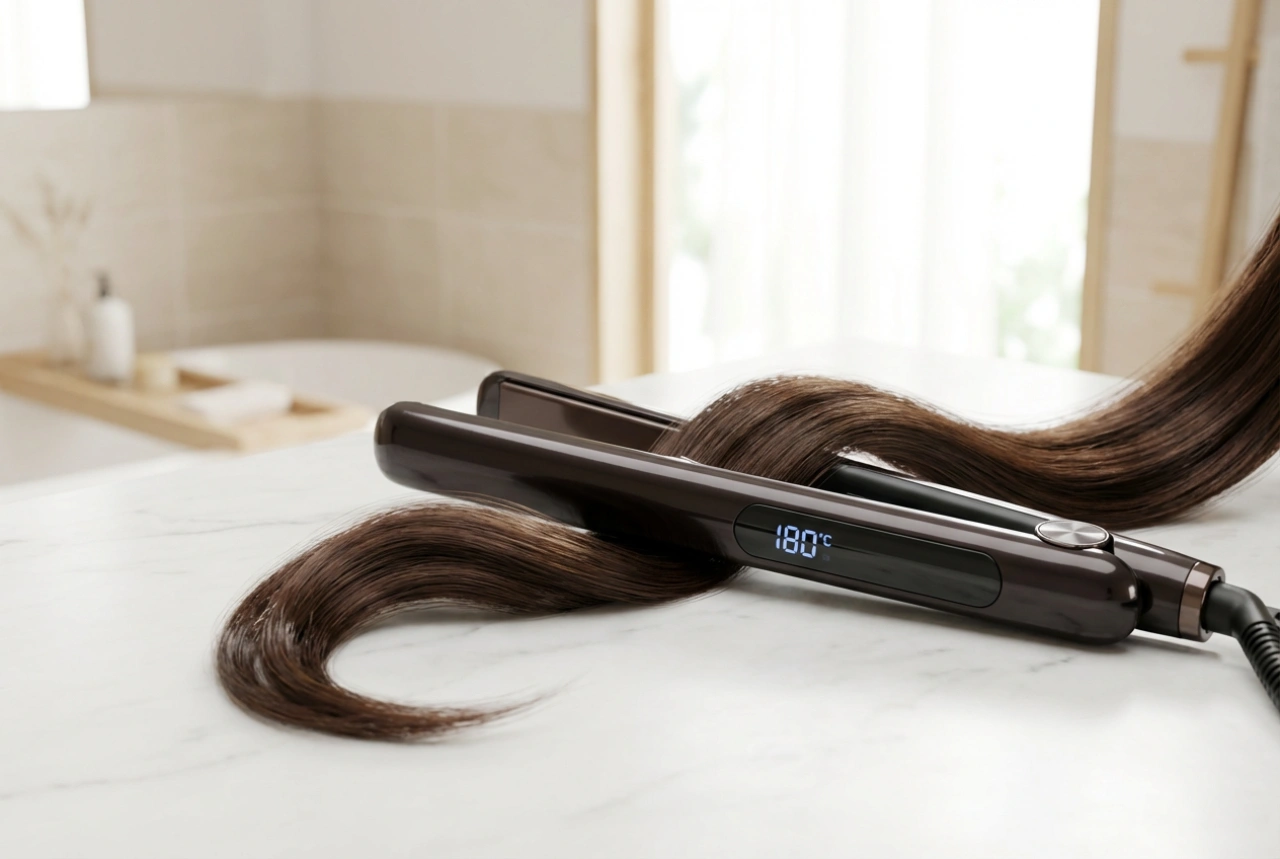
After creating waves with a styling tool, using a wide-tooth comb is a great way to soften and separate them for a more natural, uniform look. Gently comb through the waves once they have completely cooled. This breaks them up without causing frizz or completely pulling them out. For naturally curly hair, a wide-tooth comb can be used in the shower to detangle and help form curl clumps when applying conditioning products.
Sculpting and Securing Updos
The pintail comb is a stylist's best friend when creating updos. Use the tail to section hair precisely, create clean lines for twists or braids, and tuck away stray ends for a neater finish. You can also use the tail to gently lift sections at the crown to add height and softness to a tight bun or ponytail, preventing the style from looking too severe.