

Achieving beautiful, lasting volume in your hair can seem like a challenge, but it's often simpler than you think. One of the most classic and effective methods is backcombing, also known as teasing. When done correctly, this technique can add incredible lift and body to any hairstyle, creating a fuller look that lasts. With just a few simple tools and the right technique, you can master the art of backcombing to elevate your everyday styles or prepare a base for more elaborate updos. This guide will walk you through the process, ensuring you create volume safely and effectively.
Preparation: The Foundation for Great Volume
Before you begin, gathering the right tools and preparing your hair is essential for the best results and to minimise potential damage. Rushing this step can lead to a less effective style and make the process harder on your hair.
- Start with Dry Hair: Backcombing should always be done on completely dry hair. Attempting to tease wet or damp hair can cause significant stretching and breakage. For best results, work with second-day hair, as the natural oils provide a bit more grip than freshly washed, silky strands.
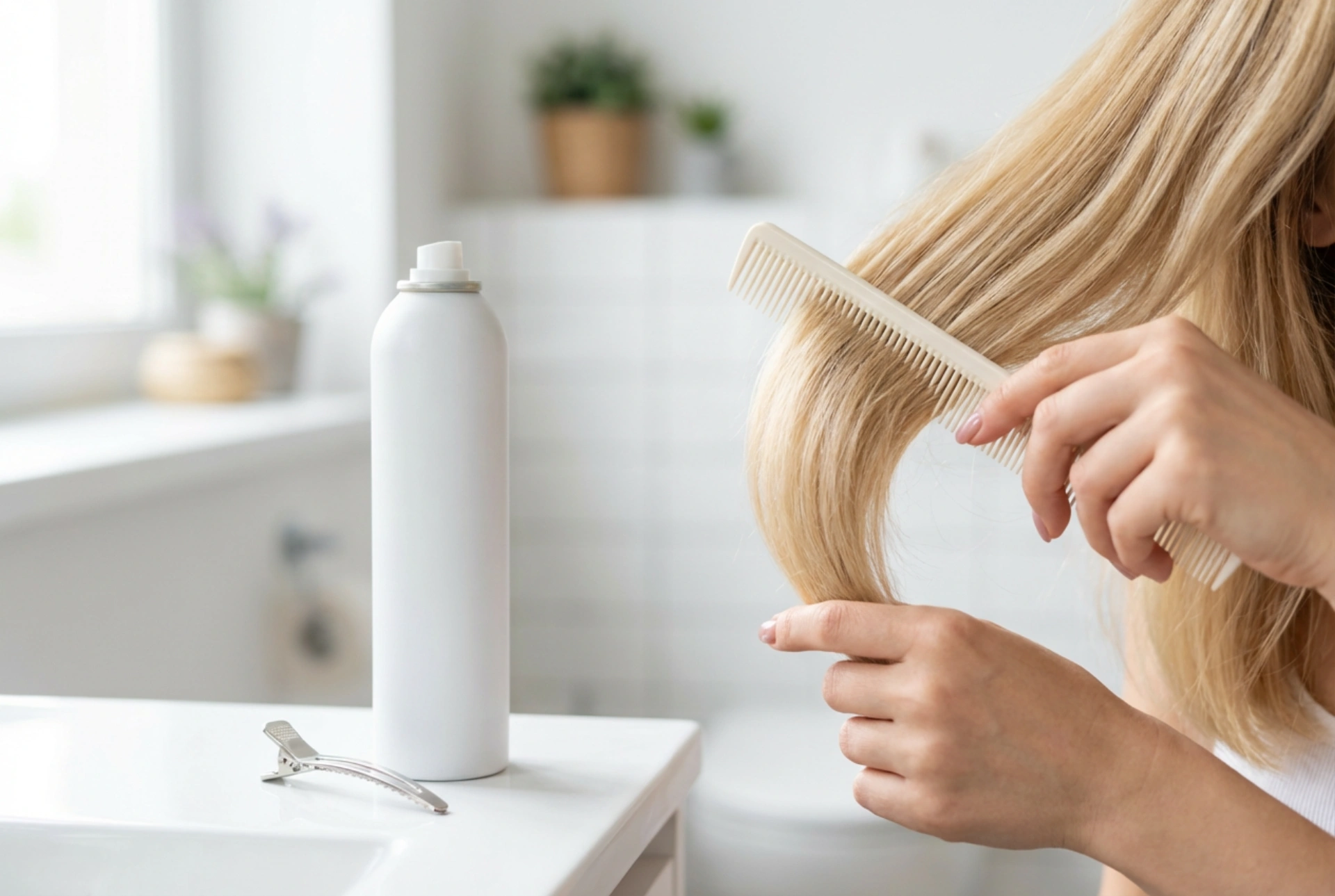
- Choose Your Tools: You will need a specific comb for this task. A fine-tooth comb, often called a rat-tail comb, is a popular choice. Specialised backcombing brushes or combs, which have varying bristle lengths, are also excellent as they create a soft, dense cushion at the roots. You will also need sectioning clips to keep your work tidy and a flexible-hold hairspray to set your style without making it stiff.
- Be Gentle: The key to successful and safe backcombing is a gentle hand. Aggressive combing can damage the hair cuticle, leading to frizz and breakage. The goal is to create a soft, tangled cushion at the root, not a matted knot.
The Backcombing Technique: A Step-by-Step Guide
Once you are prepared, you can begin the backcombing process. Work methodically, section by section, to build controlled volume exactly where you want it. The crown of the head is the most common area to backcomb for an overall lift.
Step 1: Section Your Hair
Begin by separating the top layer of hair where you want the final style to look smooth. This is your 'veil', which will be used to cover the backcombed sections later. Clip it out of the way. Then, working behind that section, take a horizontal slice of hair about 1-2 inches thick. The smaller the section, the more control you will have.
Step 2: Create the Cushion
Hold the section of hair straight up from your head, pulling it taut. Place your comb into the hair, a few inches away from the scalp. Gently push the comb down towards the roots in one or two short, deliberate strokes. This motion pushes the shorter hairs down, creating the volume-boosting cushion. Remove the comb and repeat the process two or three times on the same section until you have a soft, dense pad at the base. Avoid long, sawing motions, which can be damaging.
Step 3: Build the Volume
Release the first backcombed section and pick up the next horizontal section behind it. Repeat the backcombing process. Continue working your way down or back, depending on your desired hairstyle. For all-over volume, you might backcomb several sections around the crown. If you're creating an updo, you might tease the hair at the nape of the neck as well to provide an anchor for pins.
Finishing and Smoothing the Look
Creating the volume is only half the battle; the final steps are crucial for ensuring your style looks polished and lasts throughout the day.
Step 4: Set with Hairspray
After you have backcombed all the desired sections, lightly mist the root area with a flexible-hold hairspray. This will help to lock the teased cushion in place without creating a hard, crunchy texture. Hold the can about 10-12 inches away from your head for an even, light application.
Step 5: Smooth the Top Layer
Now, gently release the 'veil' section you clipped away at the beginning. Drape it over the backcombed areas. Use your comb or a soft bristle brush to very lightly smooth the surface of this top layer, concealing all the teasing underneath. Be careful not to press down or comb too deeply, as this will flatten the volume you've just created. The goal is a smooth, polished surface with a voluminous foundation underneath.
How to Safely Remove Backcombing
At the end of the day, it's vital to remove the backcombing correctly to prevent tangles and breakage. Never try to brush or comb it out dry. Instead, apply a generous amount of conditioner or a detangling hair oil to the teased areas before you get in the shower. Let it sit for a few minutes to soften the hair. Then, using your fingers or a wide-tooth comb, gently work through the tangles, starting from the ends and moving slowly up towards the roots. Once the major knots are gone, you can wash and condition your hair as usual.