

Well-cared-for feet are a foundation of overall comfort and confidence. A key step in any effective foot care routine is regular exfoliation, which removes rough, dry skin and prepares it for deep hydration. Paired with a powerful moisturising ingredient like urea, exfoliation can transform the look and feel of your feet. Understanding how to choose the right method and combine these steps correctly is essential for achieving beautifully smooth, soft skin that feels as good as it looks.
Why is Regular Foot Exfoliation So Important?
The skin on our feet is naturally thicker than on most other parts of the body and is constantly under pressure from walking and standing. This can lead to a rapid build-up of dead skin cells, forming calluses and rough patches, especially on the heels and balls of the feet. Regular exfoliation offers several key benefits. It sloughs away this dead layer, revealing the fresher, softer skin underneath. This not only improves the texture and appearance of your feet but also helps prevent the formation of very thick, uncomfortable calluses over time. Furthermore, removing the barrier of dead cells allows moisturisers and creams to penetrate more effectively, making your hydration efforts far more successful.
Types of Foot Exfoliation: Finding Your Perfect Match
There are two main categories of exfoliation: mechanical and chemical. The best choice for you depends on your skin's condition, your time commitment, and your personal preference. Many people find that alternating between the two methods yields the best long-term results.
Mechanical Exfoliation
This method involves physically buffing or scrubbing away dead skin cells using an abrasive tool or product. It provides immediate results and allows you to control the intensity. Common options include:
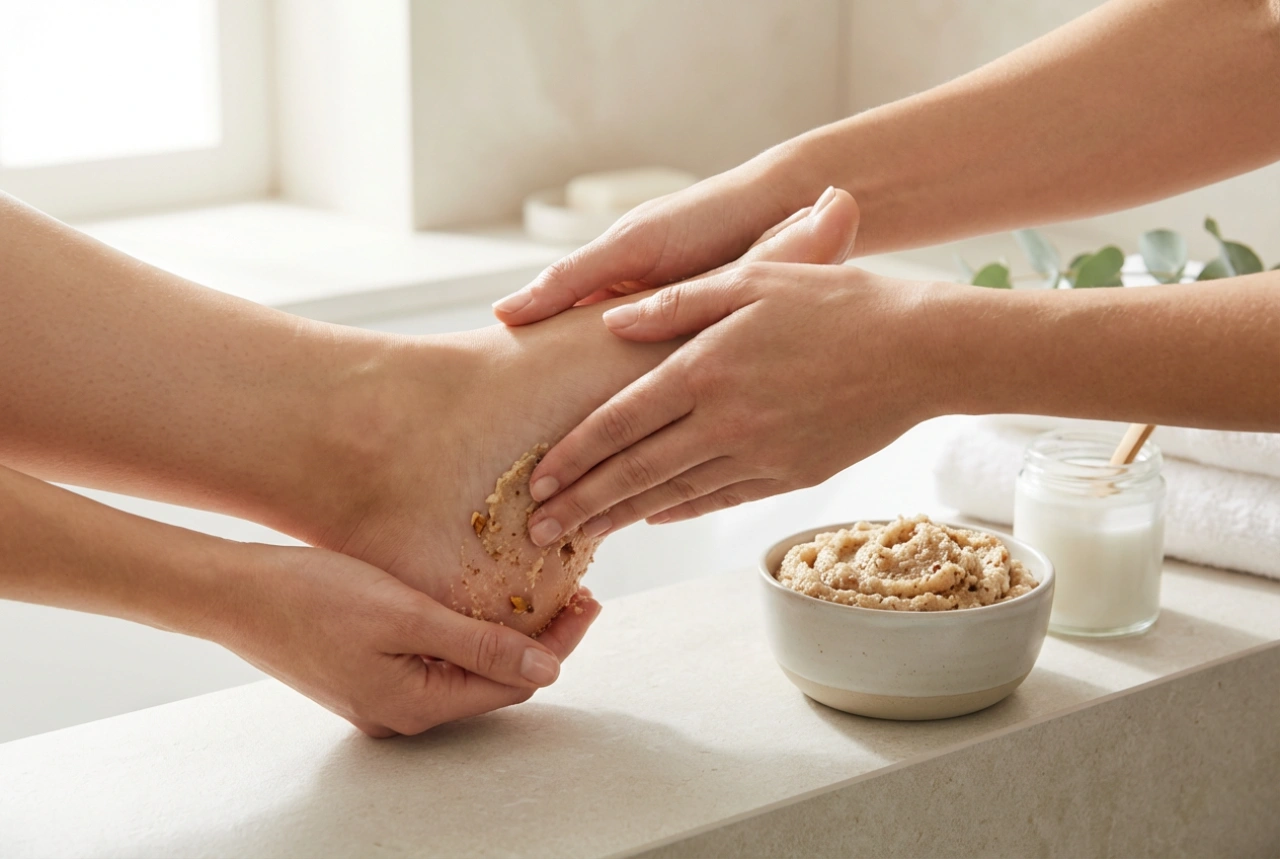
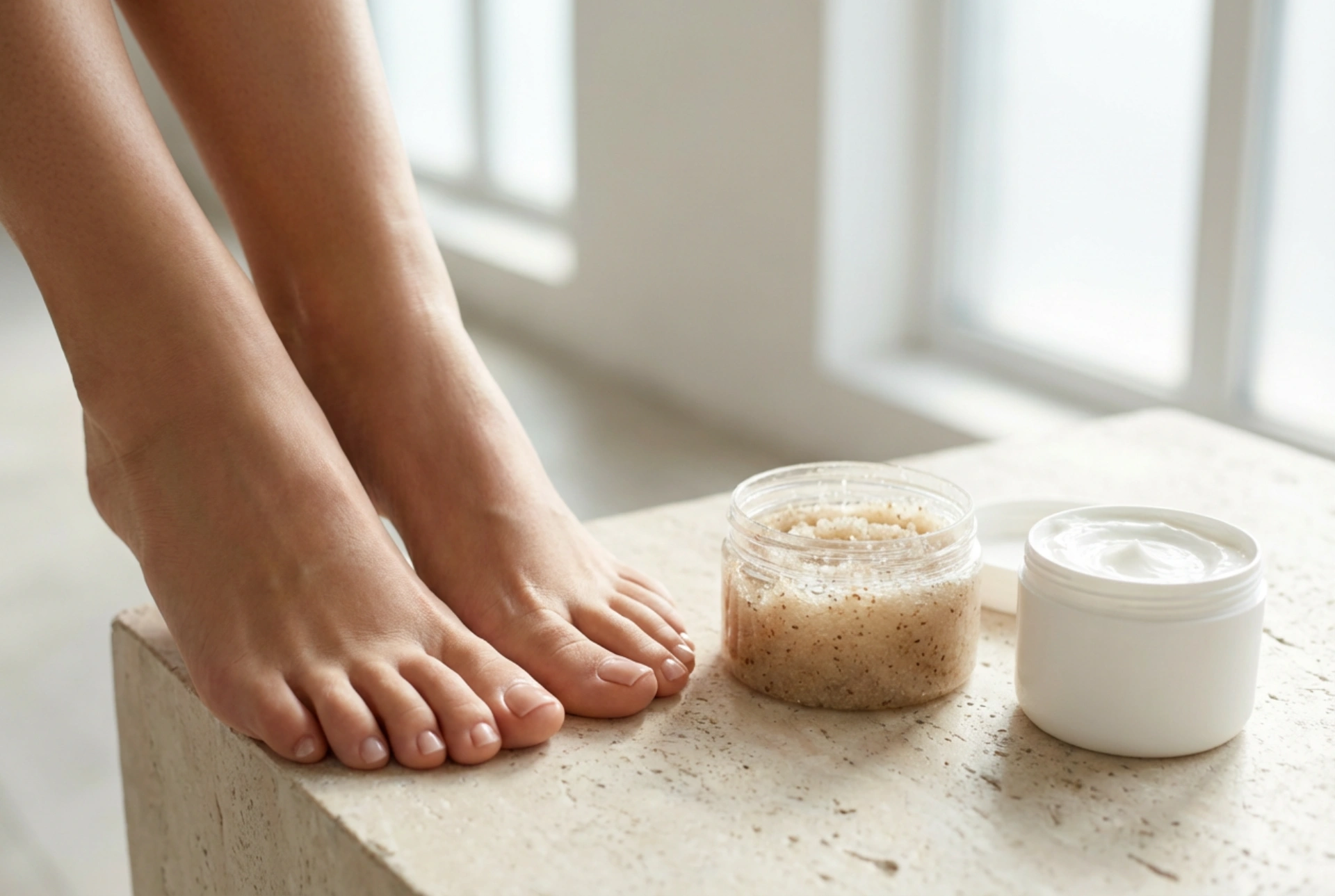
- Foot Scrubs: These contain small, grainy particles (like sugar, salt, or ground pumice) suspended in a creamy or oily base. They are best for mild roughness and general maintenance, providing a gentle polish.
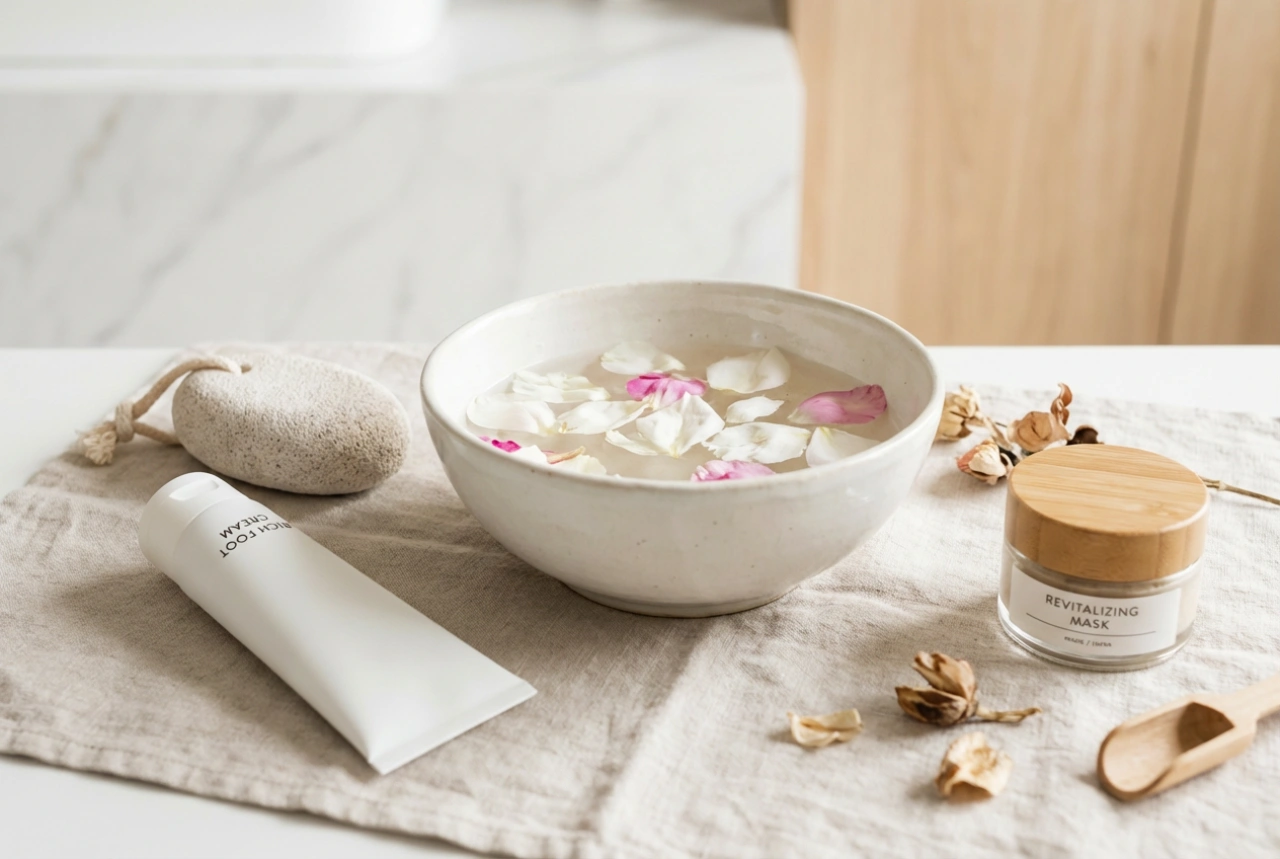
- Pumice Stones & Foot Files: These are classic tools used on damp skin to manually file down calluses and rough areas. They offer more targeted and intensive exfoliation than a scrub.
- Electric Foot Files: These battery-operated devices use a rotating roller with an abrasive surface to buff away hard skin quickly and with minimal effort. They are very effective for moderate to thick calluses.
Chemical Exfoliation
This approach uses gentle acids (such as AHAs like glycolic or lactic acid) or enzymes to dissolve the bonds holding dead skin cells together, causing them to shed naturally over several days. The most popular format is the exfoliating sock. You wear plastic booties filled with an exfoliating solution for a set amount of time (usually 60-90 minutes), then rinse your feet. The peeling process doesn't start immediately; typically, the dead skin begins to flake and peel away 3 to 7 days later, revealing very soft, new skin underneath. This method is ideal for a more intensive, less frequent treatment to tackle significant hard skin build-up.
The Powerful Role of Urea in Foot Care
Urea is a hero ingredient in foot care for its unique dual-action properties. It is a humectant, meaning it draws moisture from the air and locks it into the skin, providing intense hydration. At the same time, it has keratolytic properties, which means it helps to break down the protein (keratin) that makes up the thick, outer layer of dead skin. In lower concentrations (around 5-10%), urea is primarily a powerful moisturiser. In higher concentrations (20% and above), its exfoliating properties become more prominent, making it excellent for softening stubborn calluses. This makes it the perfect partner to any exfoliation routine.
How to Combine Exfoliation with a Urea-Based Cream
Timing is everything when it comes to combining these two powerful steps for maximum benefit. The correct approach depends on which type of exfoliation you've performed.
After Mechanical Exfoliation
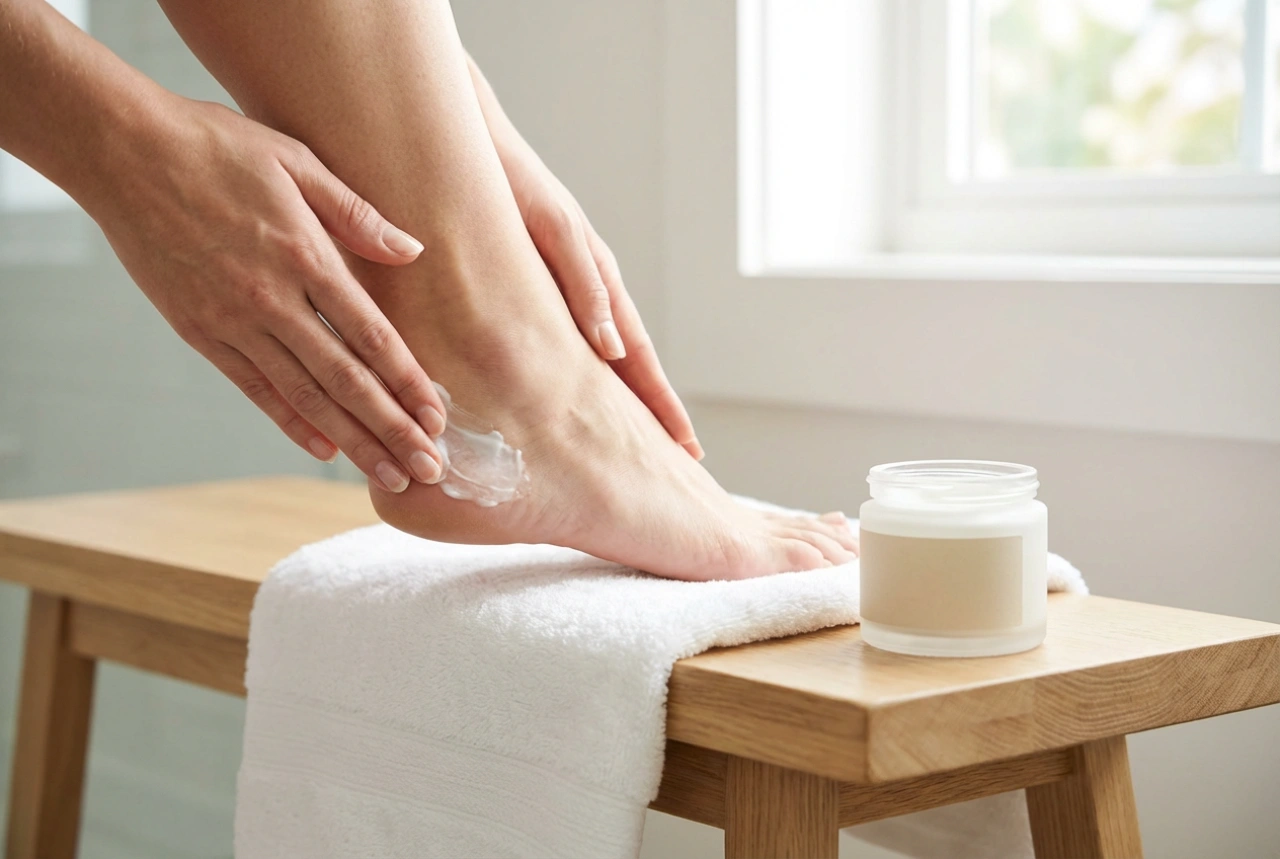
Immediately after using a foot scrub, file, or pumice stone, your skin is perfectly primed for hydration. Once you have rinsed and thoroughly dried your feet, apply a generous layer of a foot cream containing a low-to-medium concentration of urea. The freshly exfoliated skin will absorb the moisturiser deeply, and the urea will help to hydrate the new skin cells and keep them soft. Making this a daily habit, especially before bed, will help maintain smoothness and prevent calluses from returning quickly.
After a Chemical Peel (Exfoliating Socks)
The rules here are different. During the days when your feet are actively peeling after using exfoliating socks, it's best to be gentle. Avoid using any active or rich creams. Simply wash your feet gently each day and allow the shedding process to complete naturally. Do not pull or pick at the peeling skin. Once the peeling has finished completely (usually after 7-10 days) and your feet are smooth, you can begin a maintenance routine. Start applying a urea-based foot cream daily to nourish the new skin, maintain its softness and elasticity, and prevent the rapid build-up of hard skin in the future.