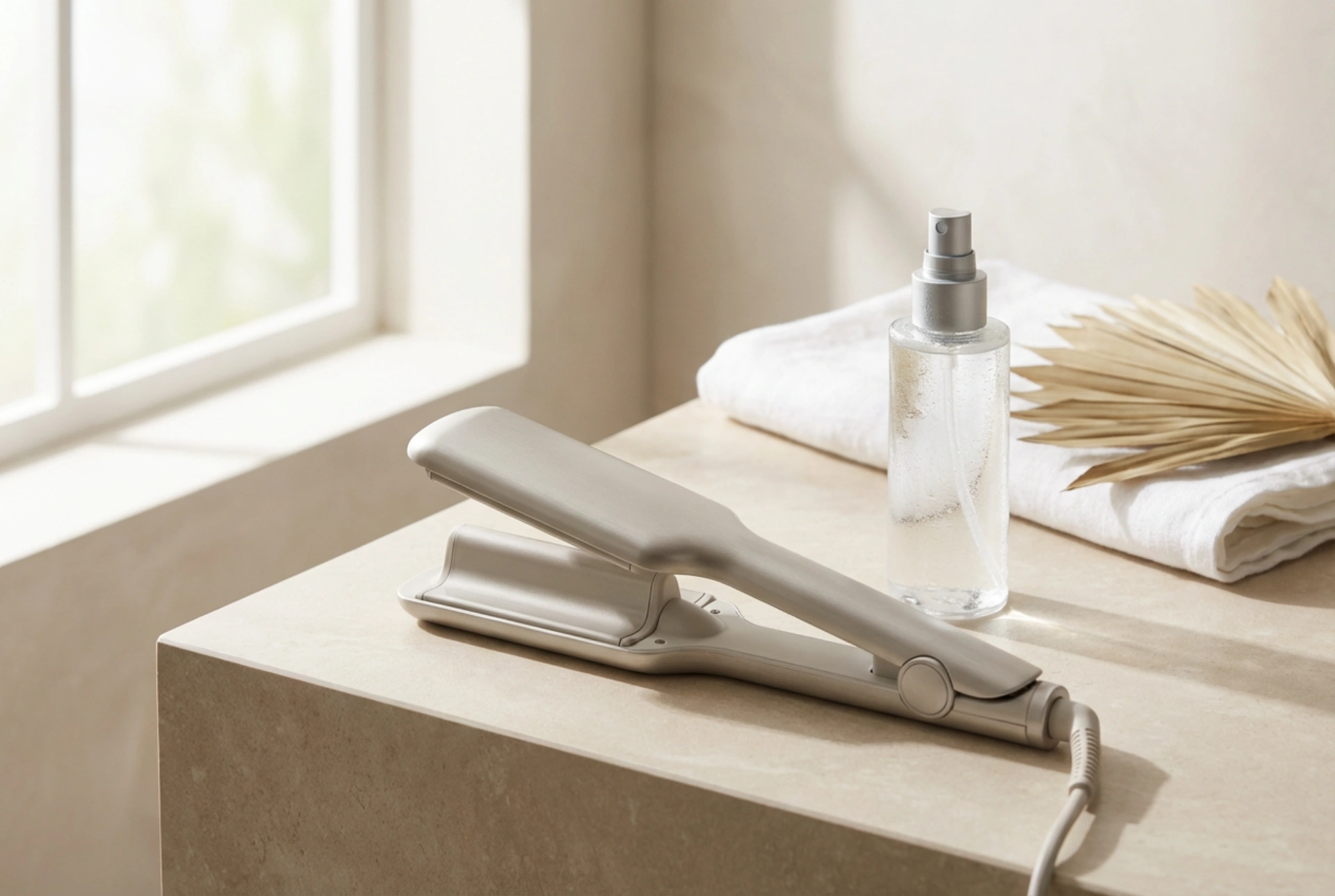


Creating beautiful, beachy waves isn't just for those with long hair. With the right tool, like a hair waver, and the correct technique, you can achieve a chic, textured look on shorter styles too. It's a fantastic way to add volume and movement to a bob, lob, or even a longer pixie cut. The key to success lies in preparation, temperature control, and a gentle touch. This guide will walk you through the steps to get flawless waves while keeping your short hair healthy and protected.
Preparing Your Hair for Styling
Proper preparation is the foundation of any successful hairstyle, especially when heat is involved. It ensures the style holds better and protects your strands from potential damage. Before you even plug in your hair waver, follow these essential preliminary steps.
- Start with Dry Hair: Always ensure your hair is 100% dry before using a hot styling tool. Using a waver on damp hair can cause significant damage to the hair cuticle as the water inside the hair shaft turns to steam.
- Apply a Heat Protectant: This is a non-negotiable step. A good heat protectant spray creates a protective barrier over your hair, minimising moisture loss and reducing the risk of heat damage. Mist it evenly throughout your hair, from roots to ends, and comb through to ensure full coverage.
- Section Your Hair: Even with short hair, sectioning makes the process much more manageable. Use clips to divide your hair into smaller, more controllable sections. A common method is to create a top and bottom section, and then divide those into left and right sides. This prevents you from going over the same strands multiple times and ensures an even wave pattern.
Choosing the Right Temperature
Selecting the appropriate heat setting is crucial for protecting the integrity of your hair. Short hair, particularly if it's fine or has been chemically treated, is more vulnerable to heat. Using a temperature that is too high can lead to dryness, brittleness, and breakage.
Temperature Guidelines
Most modern hair wavers come with adjustable temperature settings. As a general rule, it's best to start with the lowest setting and only increase it if you find the waves aren't holding. For different hair types, consider the following:
- Fine or Damaged Hair: Opt for a lower temperature range. This provides enough heat to shape the hair without overwhelming the delicate strands.
- Normal, Healthy Hair: A medium heat setting is usually sufficient to create defined, lasting waves.
- Thick or Coarse Hair: You may need a slightly higher temperature to effectively create the wave pattern, but still proceed with caution and never use the absolute maximum setting unless necessary.
The goal is to hold the waver on the hair for only a few seconds. If you need to hold it for a long time to create a wave, your temperature might be too low. Conversely, if you smell burning or see steam, the heat is definitely too high.
Mastering the Waving Technique for Short Hair
The technique for waving short hair is slightly different from that for long hair due to the limited length. Precision and careful placement are key.
- Start Near the Root: Take a small section of hair (about one to two inches wide). Open the waver and clamp it down near the root, being careful not to touch your scalp. Hold it in place for about 3-5 seconds. The shorter you hold it, the looser the wave will be.
- Create a Continuous Pattern: Release the clamp and move the waver down the hair shaft. To create a seamless, flowing wave, align the top barrel of the waver with the last indentation you just made. This overlapping technique is crucial for a natural look.
- Handle the Ends with Care: On short hair, you might only be able to clamp the waver two or three times down the hair shaft. When you get to the ends, you have a couple of options. For a modern, undone look, you can leave the last inch or so straight. Alternatively, you can gently clamp the very tips for a more polished, uniform wave.
- Address Short Layers: For very short layers, especially around the face or at the nape of the neck, a large three-barrel waver might be too bulky. You can try using just one or two of the barrels at an angle to create a subtle bend rather than a full wave. This helps blend the shorter pieces into the overall style.
Aftercare and Finishing Touches
Once you've waved all sections of your hair, the finishing touches will help define the style and ensure it lasts.
First, allow your hair to cool down completely. This is a critical step, as it helps the waves to set properly. If you touch or brush them while they are still warm, they are likely to fall flat. Once cool, gently run your fingers through the waves to separate them. This breaks up the uniform pattern and creates a softer, more effortless finish. Avoid using a brush, which can pull out the waves and create frizz.
To enhance texture and hold, you can use a finishing product. A light-hold hairspray will lock the style in place without making it feel stiff or crunchy. For a more piece-y, textured look, apply a small amount of texturising spray or a matte pomade to the mid-lengths and ends.