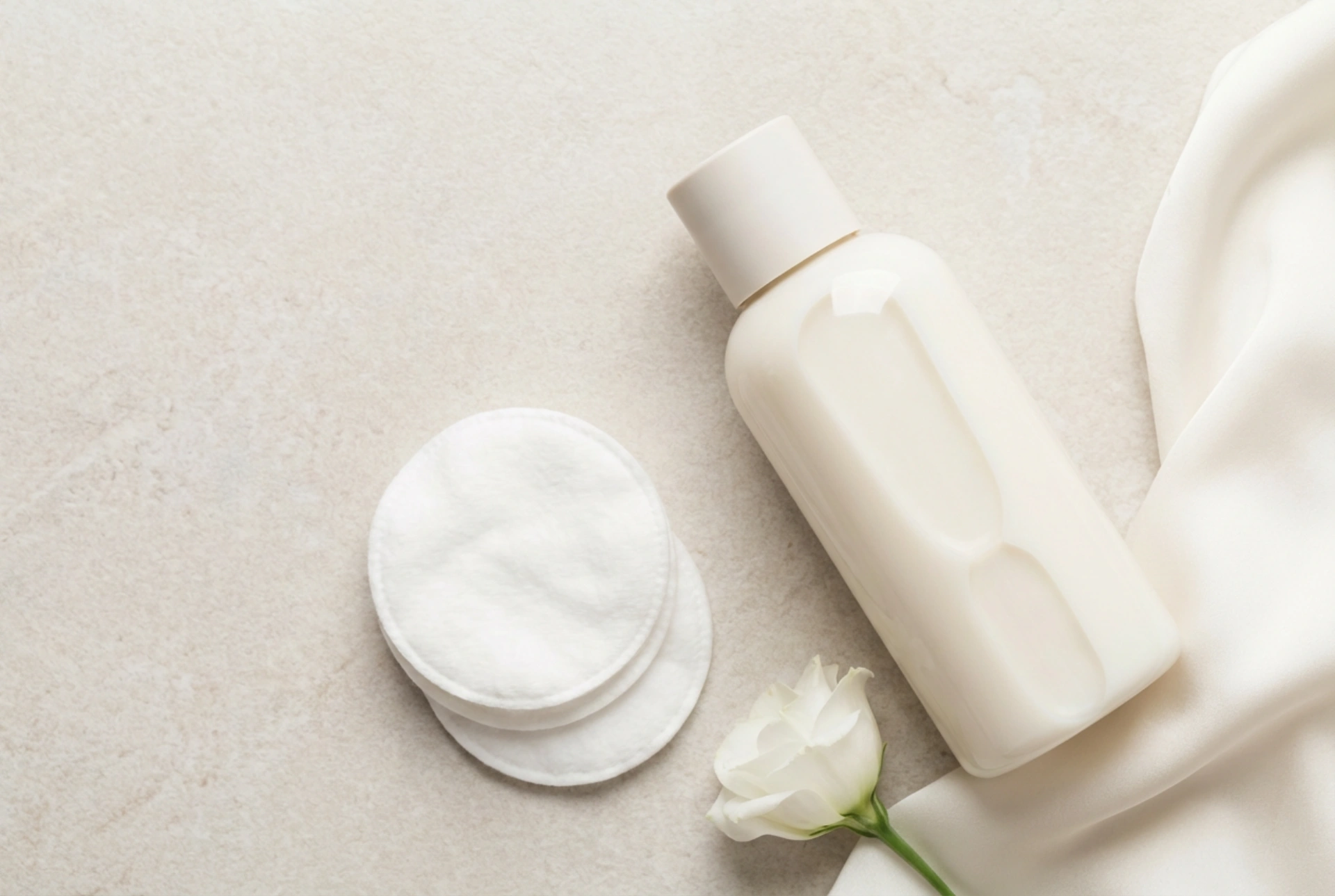


Cleansing milk offers a wonderfully gentle and effective way to begin your skincare ritual, melting away makeup and daily impurities without stripping the skin. Its creamy, soothing texture makes the process feel like a moment of calm self-care. However, to truly benefit from this classic cleanser, it's essential to use the correct technique. Mastering the application and understanding common pitfalls can transform your cleansing experience and significantly improve your skin's health and appearance.
What is Cleansing Milk and Who is it For?
Cleansing milk is an emulsion of fats and water. Unlike foaming cleansers that can sometimes dry out the skin, its primary role is to dissolve makeup, sebum, and dirt in a gentle, hydrating manner. The formulation is typically rich and lotion-like, designed to comfort the skin while it cleanses. This makes it an excellent choice for individuals with specific skin needs. It is particularly well-suited for those with dry or very dry skin, as it helps to replenish lipids and prevent the tight feeling that can follow cleansing. It is also ideal for sensitive skin, which can react to harsher surfactants, and for mature skin, which often benefits from extra nourishment and a non-stripping approach to maintain its delicate moisture barrier.
The Correct Technique for Makeup Removal with Cleansing Milk
Achieving a perfect cleanse with milk requires a specific method that differs from other types of cleansers. Following these steps will ensure you effectively remove all traces of makeup without causing irritation.
Step 1: Start with a Dry Face
One of the most crucial rules is to apply cleansing milk to a completely dry face. Applying it to wet skin will dilute the product, preventing its oil-based components from effectively breaking down and lifting oil-based makeup and sebum. Always begin with dry hands and a dry face for maximum efficacy.
Step 2: Warm and Massage
Dispense a generous amount of cleansing milk into the palms of your hands and gently rub them together to warm the product slightly. Apply it all over your face, including the eye area if you are removing eye makeup. Use your fingertips to massage the milk into your skin with gentle, circular motions for about 30-60 seconds. This massaging action not only helps to dissolve impurities but also stimulates circulation. Be especially delicate around the eye area, using your ring finger for the lightest touch.
Step 3: Remove Gently
There are two main ways to remove the cleansing milk. You can either use soft, dry or damp cotton pads to gently wipe the product away, or you can use a soft, damp cloth (like a muslin or microfibre cloth) rinsed in lukewarm water. Wipe upwards and outwards, avoiding any harsh rubbing or pulling on the skin. You may need several pads to remove everything completely. Alternatively, some lighter formulations can be rinsed off with lukewarm water, though wiping first often yields a cleaner result.
Step 4: Consider a Second Cleanse
For a truly thorough clean, especially if you wear heavy makeup or have combination to oily skin, it is often recommended to follow up with a water-based cleanser (like a gel or light foam). This two-step process, known as double cleansing, ensures that any remaining residue from the milk and dissolved makeup is washed away, leaving your pores perfectly clean and ready for the next steps in your skincare routine.
Common Mistakes to Avoid
Using cleansing milk incorrectly can reduce its effectiveness and even lead to clogged pores or breakouts. Be mindful to avoid these common errors:
- Applying to Wet Skin: As mentioned, water acts as a barrier and prevents the milk's oils from properly dissolving makeup. Always apply to dry skin.
- Using Too Little Product: Skimping on the amount of cleanser can cause your fingers to drag and pull at the skin, leading to irritation. Be generous to ensure a smooth, gentle glide.
- Rubbing Too Harshly: The skin on your face, particularly around the eyes, is delicate. Aggressive rubbing can cause redness and damage over time. Let the product do the work.
- Not Removing It Thoroughly: Leaving a residue of cleansing milk and dissolved makeup on your skin can lead to clogged pores. Ensure you wipe or rinse until your skin feels clean and soft, with no greasy film left behind.
- Skipping the Second Cleanse: While not always necessary for very dry skin, most skin types benefit from a second, water-based cleanse to ensure all impurities and product residue are gone.