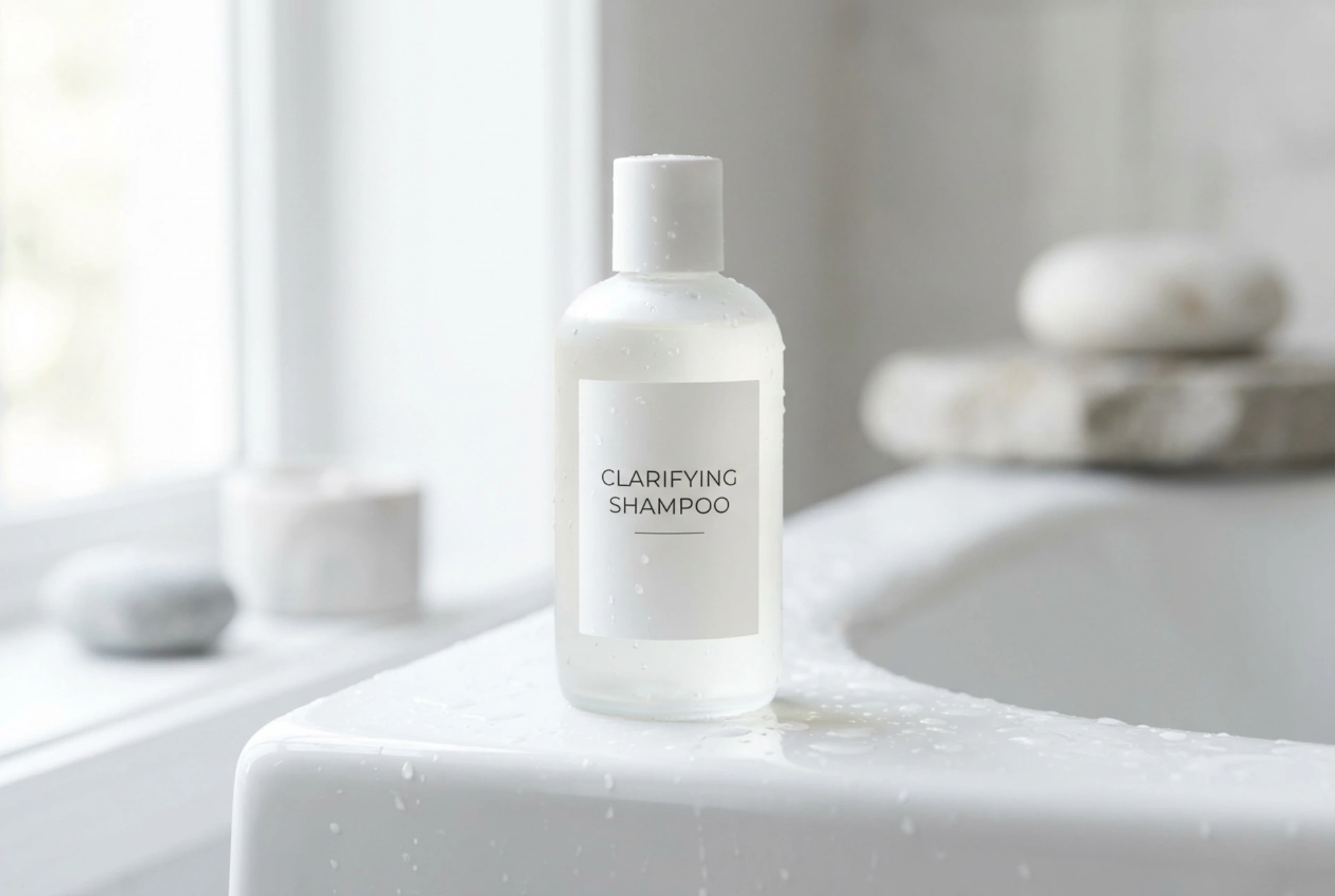


Over time, our hair can accumulate residues from styling products, natural oils, and even minerals from hard water. This buildup can leave your locks feeling heavy, looking dull, and becoming less responsive to your usual care routine. When your regular shampoo no longer seems to do the trick, it might be time for a reset. A clarifying shampoo acts as a powerful deep-cleansing treatment, effectively washing away stubborn buildup to restore your hair's natural lightness and shine, providing a clean slate for your other hair care products to work their magic.
What is a Clarifying Shampoo?
Think of a clarifying shampoo as a 'detox' for your hair. It is formulated with stronger cleansing agents than a typical daily shampoo. Its primary function is to cut through and remove residues that regular shampoos might leave behind. These residues can come from various sources:
- Styling Products: Waxes, silicones, mousses, and hairsprays can build up on the hair shaft.
- Hard Water: Tap water, especially in certain areas, contains minerals like calcium and magnesium that can deposit on the hair, making it feel stiff and look lacklustre.
- Environmental Factors: Pollutants and impurities from the air can also settle on your hair.
- Natural Oils: Even your scalp's own sebum can build up, particularly if you have an oily hair type.
By effectively removing this accumulation, a clarifying shampoo helps to 'reset' your hair and scalp, leaving them feeling exceptionally clean and refreshed. It is not designed for daily use, as its powerful action can be stripping if overused.
Signs Your Hair Needs a Deep Cleanse
How do you know when it's time to reach for a clarifying shampoo? Your hair will often give you clear signals. If you notice one or more of the following, a deep cleanse could be beneficial:
- Dullness and Lack of Shine: If your hair has lost its natural lustre and appears coated or matte, it's a classic sign of buildup.
- Hair Feels Heavy or Greasy: Even after a fresh wash, your hair may feel weighed down, limp, or even slightly greasy at the roots and lengths.
- Styling Products Are Ineffective: You might find that your favourite conditioners, masks, or styling aids no longer deliver the same results. Buildup can create a barrier that prevents these products from penetrating the hair shaft.
- Loss of Volume: Hair that is normally bouncy and full may suddenly appear flat and lifeless due to the weight of accumulated residues.
- Scalp Feels Clogged: A scalp that doesn't feel truly clean after washing could be suffering from product and oil buildup, leading to discomfort.
How to Use a Clarifying Shampoo Correctly
Using a clarifying shampoo is straightforward, but following the correct steps is key to achieving the best results without causing dryness. The goal is to cleanse thoroughly while preparing the hair for much-needed hydration.
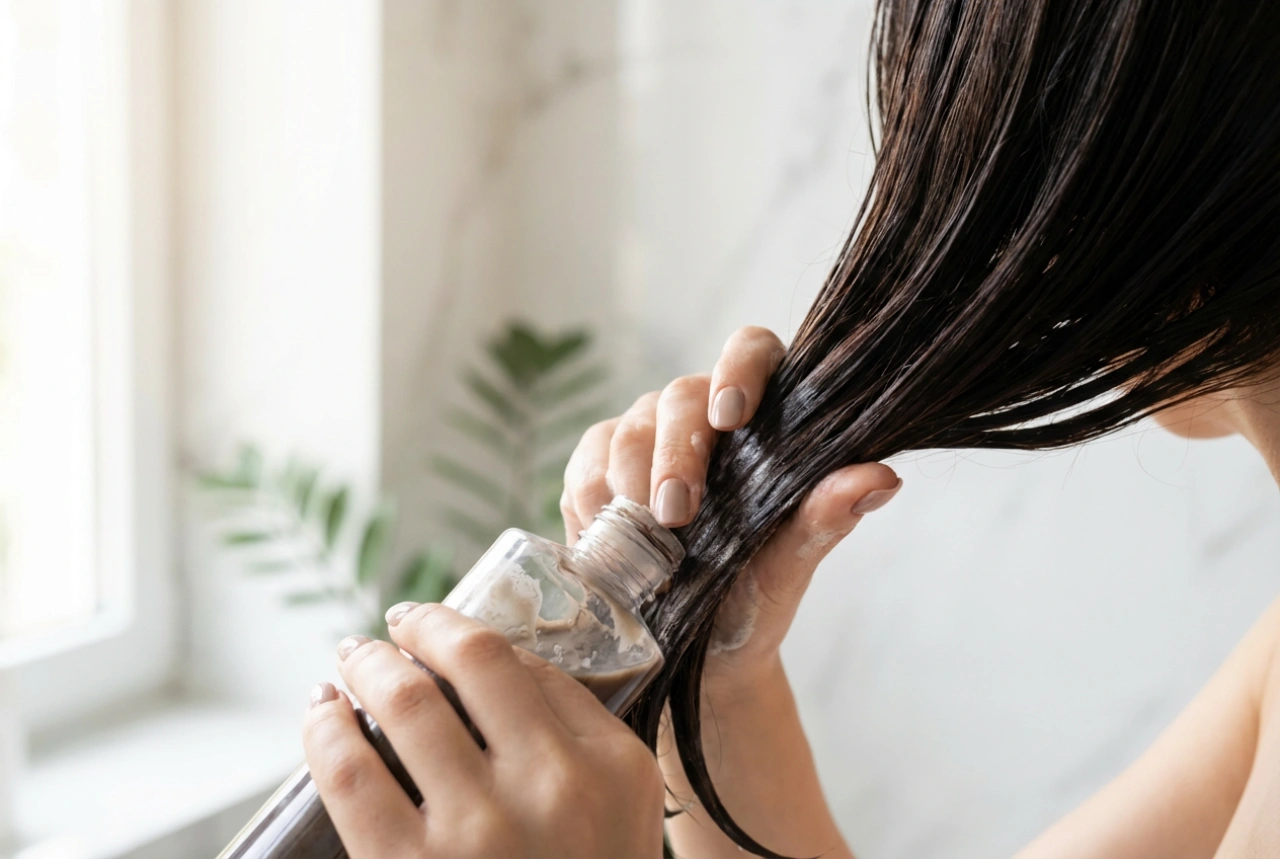
First, wet your hair thoroughly with warm water. Apply a small amount of the clarifying shampoo, concentrating primarily on the scalp and roots where buildup is most likely to occur. Gently massage it into your scalp with your fingertips to create a rich lather. Work the lather down the lengths of your hair, but avoid vigorous scrubbing of the ends, which are typically drier and more fragile. Allow the shampoo to sit for a minute or two to let its cleansing agents dissolve the residues effectively.
Rinse your hair extremely well with lukewarm water, ensuring all traces of the shampoo are gone. Your hair may feel squeaky clean, which is a sign that the buildup has been removed. Because clarifying shampoos are so effective at cleansing, they can also remove some of your hair's natural oils. Therefore, the next step is non-negotiable: follow up immediately with a deeply hydrating conditioner or a nourishing hair mask. Apply it generously, focusing on the mid-lengths and ends, and leave it on for at least 5-10 minutes to replenish moisture and restore smoothness and elasticity.
How Often Should You Clarify?
The frequency of using a clarifying shampoo depends entirely on your hair type, lifestyle, and how many styling products you use. Overuse can lead to dryness and strip the hair of its essential moisture, so it's important to find the right balance for your needs.
- For most hair types: Using a clarifying shampoo once a month is a good general guideline to maintain a clean base without causing irritation.
- For heavy product users or oily hair: If you use a lot of styling products like waxes, serums, or dry shampoo daily, or if your hair gets greasy quickly, you might benefit from clarifying every two weeks.
- For dry, delicate, or colour-treated hair: These hair types should clarify less often, perhaps once every 6-8 weeks. The potent cleansing can be harsh on fragile strands or cause colour to fade more quickly. It's always wise to use a nourishing mask afterwards and pay close attention to how your hair responds.
Ultimately, listening to your hair is the best approach. When it starts to show signs of buildup, it's time for a clarifying treatment. Integrating this simple step into your routine can make a significant difference, leaving your hair feeling lighter, looking shinier, and responding better to all your favourite products.