

Achieving soft, smooth feet is a key part of any self-care routine, making us feel comfortable and confident. A home pedicure often starts with addressing hard, dry skin, and for this, a foot file is an indispensable tool. However, with various options available, choosing the right one can be confusing. The most common types are metal and glass files, each offering distinct advantages. Understanding their differences is the first step towards selecting the perfect tool for your specific foot care needs.
Why Use a Foot File?
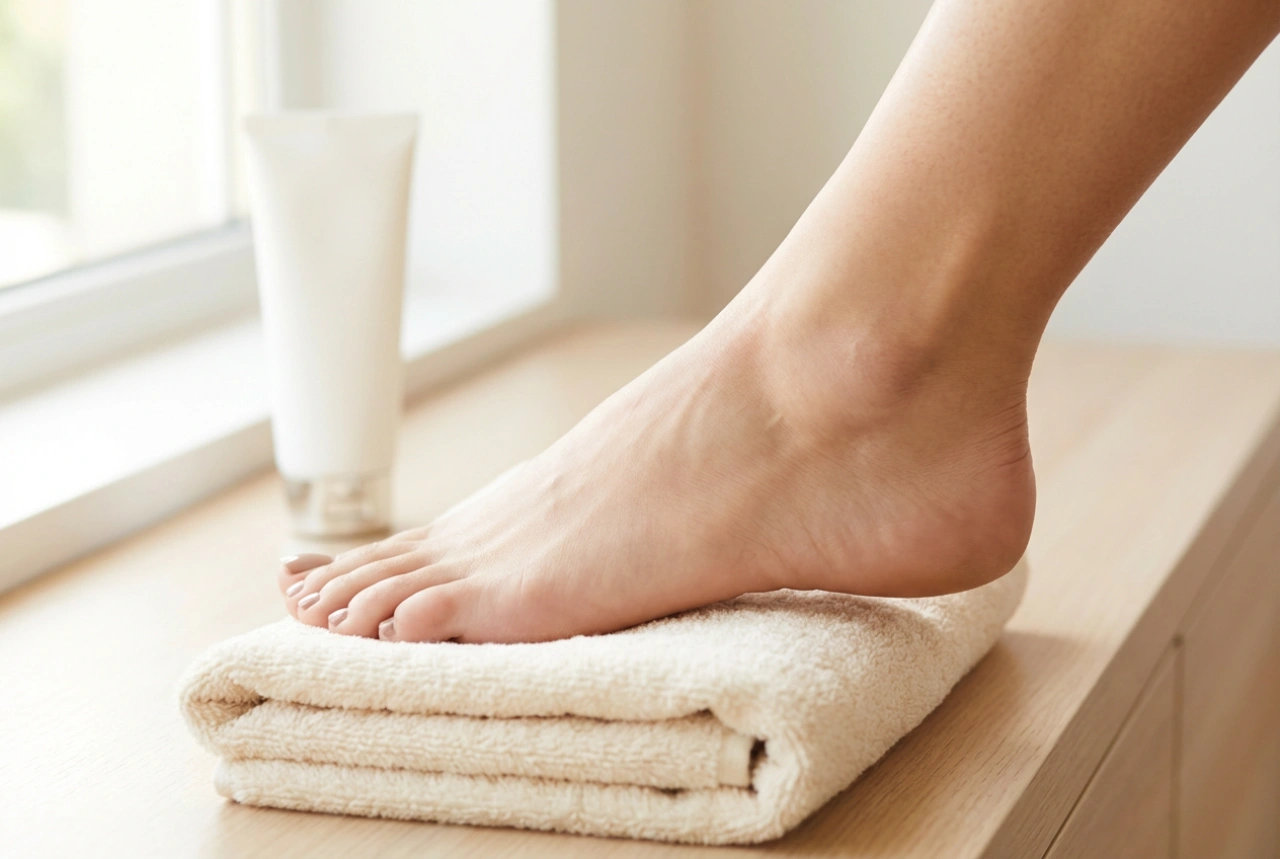
A foot file, also known as a foot rasp, is a cosmetic tool designed to gently exfoliate and remove hardened, dead skin from the soles of the feet. Over time, pressure and friction from walking and standing can cause the skin, particularly on the heels and balls of the feet, to thicken and form calluses. While calluses are a natural protective response, they can become uncomfortably thick, dry, and cracked, affecting the appearance of your feet. Using a foot file helps to manage this build-up, buffing away the rough layers to reveal the softer, healthier-looking skin underneath. Regular, gentle filing helps maintain skin smoothness and can prevent the excessive build-up of hard skin.
The Metal Foot File: For Tougher Tasks
Key Characteristics
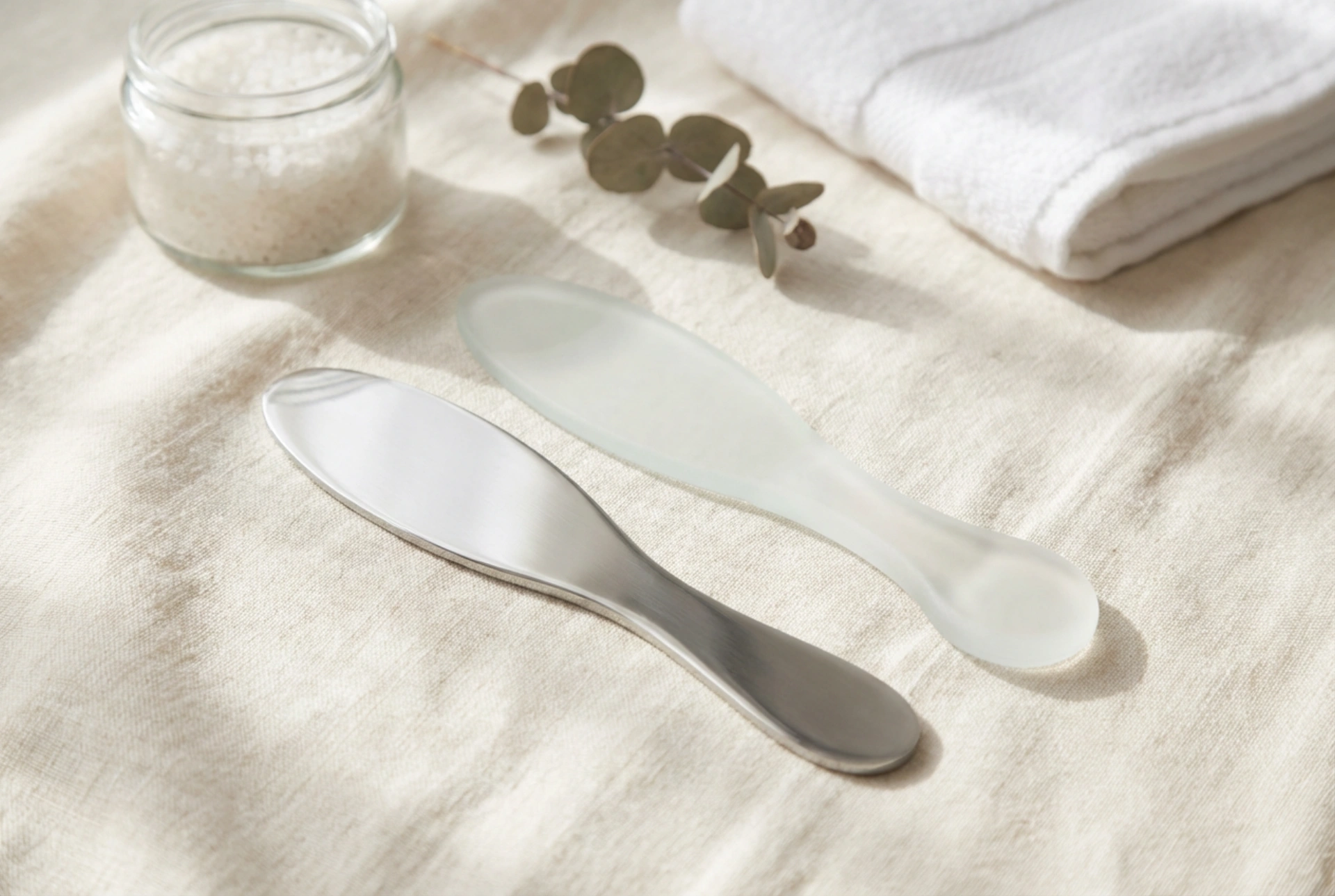
Metal foot files are typically crafted from stainless steel and feature a more abrasive surface. This surface might be created through chemical etching to form a fine, gritty texture, or it may have a grater-like design with small, raised blades. Due to their robust nature and higher level of abrasiveness, metal files are highly effective at tackling thick, stubborn calluses and significant areas of hard skin. They are built for durability and can last a very long time if cared for properly. Their sturdy construction makes them a powerful tool for those who need more intensive exfoliation.
Best Practices for Use
Given their abrasive power, it is crucial to use metal foot files with care to avoid irritating the skin. It is generally recommended to use them on dry feet before showering, as this allows you to see exactly which areas need attention and prevents you from removing too much skin. When filing, use light to moderate pressure and move the file in a single, gentle direction rather than sawing back and forth. This technique helps to prevent micro-tears in the skin. After use, it's essential to clean the file thoroughly with soap and water to remove skin particles and allow it to dry completely to maintain hygiene. A metal file is best suited for individuals with significant hard skin build-up who need a tool that can provide noticeable results quickly.
The Glass Foot File: The Gentle Smoother
Key Characteristics
Glass foot files, sometimes called crystal files, are made from tempered glass with a finely textured surface created through an etching process. This surface is uniform and much less abrasive than that of a typical metal file. The main advantage of a glass file is its ability to file the skin smoothly without causing roughness or snagging. It works by gently sloughing off dead skin cells while sealing the keratin edges, leaving the skin exceptionally smooth. Because glass is non-porous, these files are incredibly hygienic. They do not absorb water or harbour bacteria, and they can be easily washed and sanitised after each use.
Best Practices for Use
A glass foot file is versatile and can be used on either wet or dry feet. Many people find it works wonderfully as a finishing tool after using a coarser file, or for regular maintenance to keep feet smooth between more intensive treatments. Its gentle nature makes it an excellent choice for individuals with sensitive skin or those who only have a mild build-up of dry skin. The filing motion should still be gentle, but you can work in multiple directions without the same risk of skin damage associated with more aggressive files. Due to their delicate nature, they should be stored carefully to prevent chipping or breaking.
Choosing and Using Your Foot File Safely
Which One Is Right for You?
The choice between a metal and glass foot file ultimately depends on your skin's condition and your personal preference. If you have very thick, tough calluses, a metal file might be the more effective tool for the initial removal of hard skin. A glass file, on the other hand, is perfect for those with sensitive skin, for light maintenance, or for achieving a perfectly smooth finish. Many find that owning both is the ideal solution: using the metal file for occasional heavy-duty work and the glass file for regular upkeep and polishing.
A Guide to Safe At-Home Foot Filing
Regardless of the type of file you choose, following the correct procedure is key to achieving beautiful feet without causing harm. Here are some universal tips for safe and effective foot filing:
- Start with Clean Feet: Always work on clean skin to prevent pushing dirt into freshly exfoliated areas.
- File Gently: Never apply excessive pressure. The goal is to remove thin layers of dead skin, not healthy tissue. Let the tool do the work.
- Be Patient: It is better to file a small amount regularly (e.g., once a week) than to try and remove everything in one go, which can lead to soreness and sensitivity.
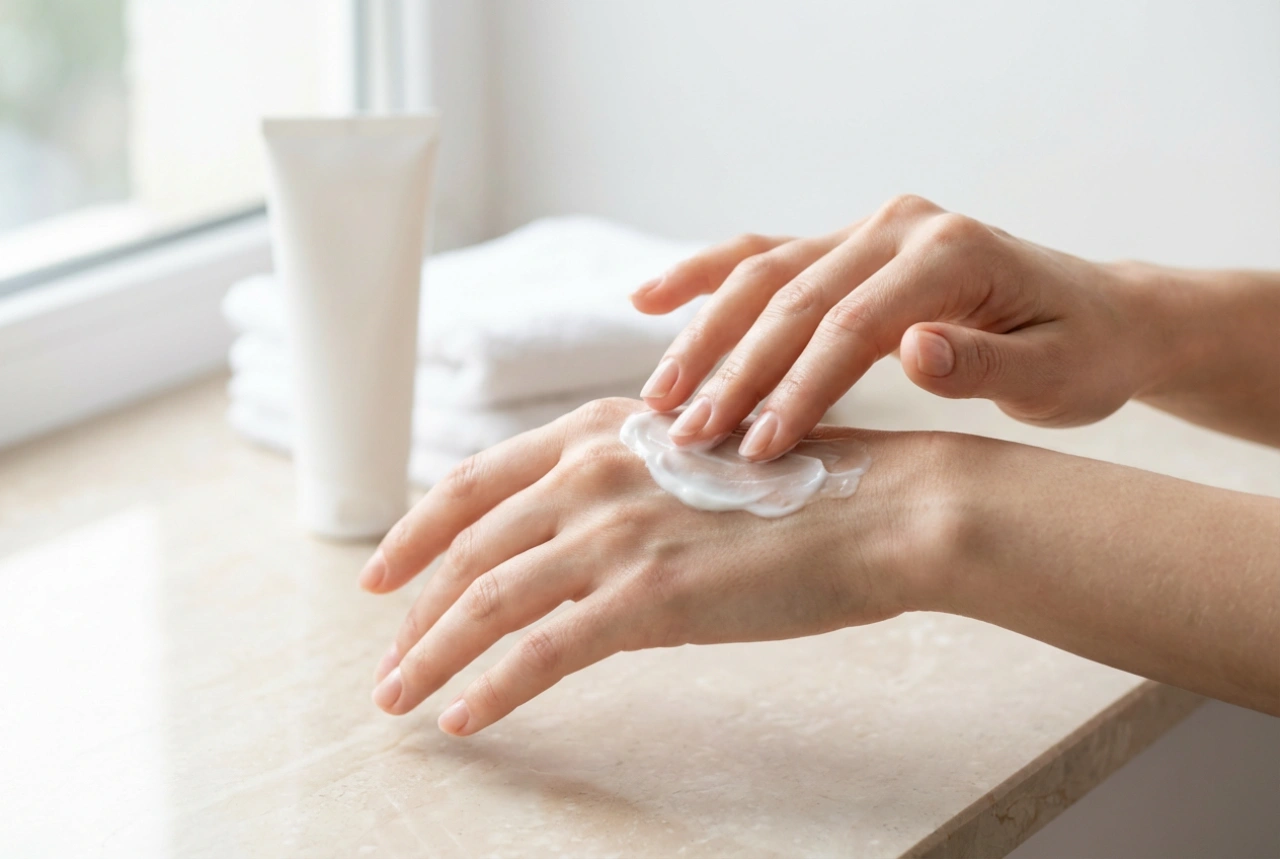
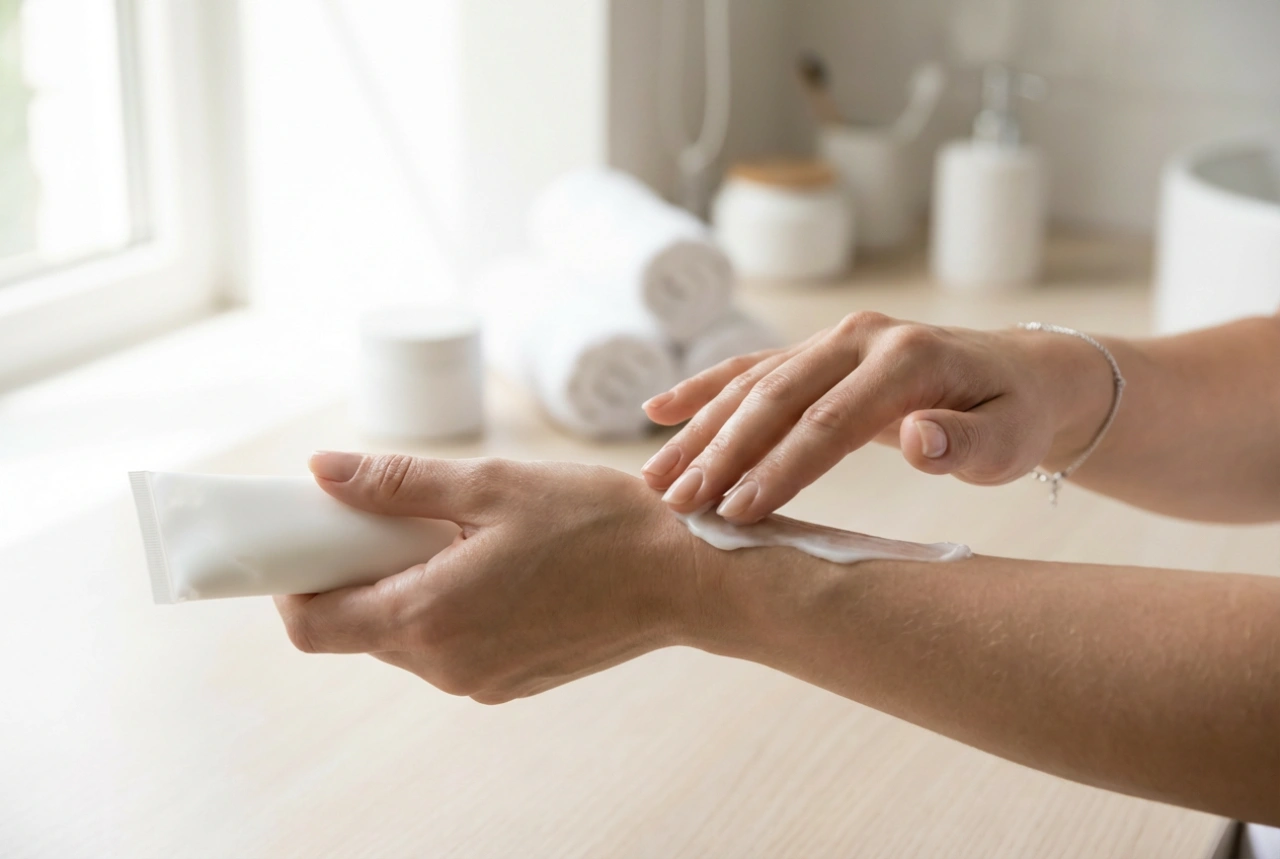
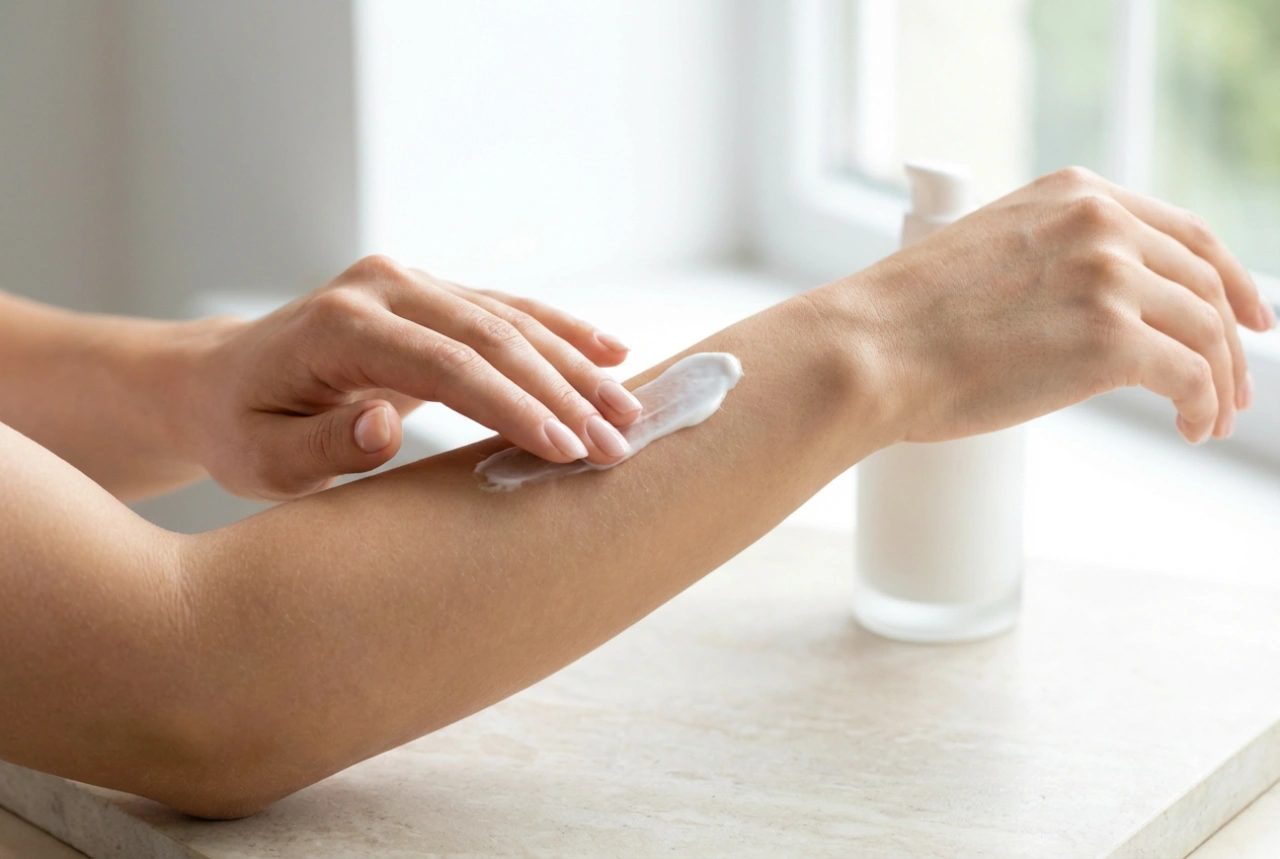
- Moisturise Generously: After filing, always rinse your feet and apply a rich, nourishing foot cream. This replenishes moisture and keeps the skin soft and supple.
- Clean Your Tools: Hygiene is paramount. Wash your file with soap and warm water after every use and let it air dry completely.
By incorporating these simple steps into your routine, you can safely maintain soft, callus-free feet. The right tool, combined with the right technique, can elevate your home pedicure and contribute to the overall health and appearance of your feet.