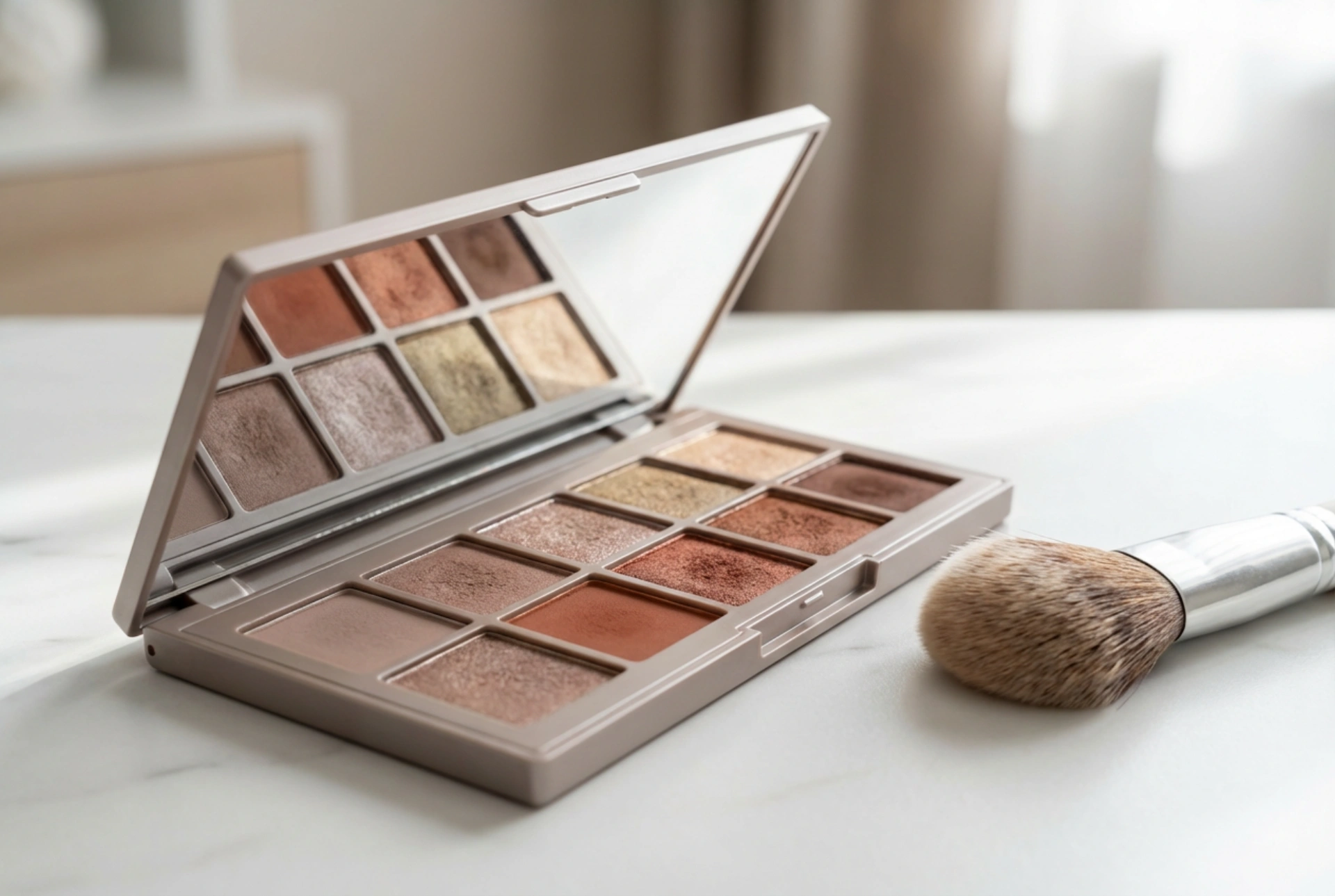


An eyeshadow palette filled with a variety of shades and finishes is a true gem in any makeup collection. It offers endless creative possibilities, allowing you to craft looks that range from subtly natural to dramatically bold. The key to unlocking its full potential lies in understanding how to combine different colours and textures effectively. Whether you're getting ready for a day at the office or a special evening out, a single versatile palette can be your greatest ally. This guide will walk you through the fundamentals of using your palette to create beautiful, cohesive eye makeup for any situation.
Understanding the Components of Your Palette
A well-curated palette is designed to be a complete toolkit for your eyes. The shades are typically arranged to work harmoniously, but knowing the specific role of each type of shadow is crucial for seamless application.
Base and Transition Shades
Most palettes include light, neutral shades, often in a matte finish. These are your base colours, perfect for applying all over the eyelid from lash line to brow bone. They create a smooth, even canvas for other colours and help them blend more easily. Transition shades are usually mid-tone mattes, a few shades darker than your skin tone. Their job is to bridge the gap between light and dark colours, creating a soft gradient in the crease of the eye. They add dimension without harsh lines.
Definition and Accent Shades
The darkest colours in the palette, like deep browns, charcoals, or burgundies, are your definition shades. Used sparingly, they add depth and intensity to the outer corner of the eye or along the lash line as a soft eyeliner. Accent shades are the fun, eye-catching colours. These can be vibrant mattes, dazzling shimmers, metallics, or glitters. They are perfect for adding a pop of colour to the centre of the lid, the inner corner, or the lower lash line to make your eyes stand out.
Creating a Polished Daytime Look
For a natural, everyday look, the goal is to enhance your eyes subtly. This is where the neutral and matte shades in your palette shine. The focus should be on gentle definition and soft blending for a look that is appropriate for work, school, or casual outings.
- Start by applying a light, matte base shade all over the eyelid to neutralise any discolouration and create a smooth surface.
- Next, take a matte transition shade on a fluffy blending brush and sweep it through your crease using windshield-wiper motions. This will add soft depth.
- For a touch more definition, apply a slightly deeper matte shade to the outer third of your eyelid and blend it gently into the crease.
- If you wish, you can pat a light satin or subtle shimmer shade onto the centre of your eyelid with your fingertip to add a hint of brightness.
- Finish by ensuring all edges are well-blended. The key to a natural look is the absence of any harsh lines.
Transitioning from Day to Night
One of the best features of a versatile palette is the ability to build upon your daytime makeup to create a more glamorous evening look. This saves time and allows for a seamless transformation. The process involves deepening the colours and introducing more dramatic textures.
- Begin by intensifying the outer corner of your eye. Use one of the darkest matte or satin shades from your palette, packing it onto the outer 'V' of your eye and blending it into the crease.
- Elevate the look by applying a bold metallic or shimmer shade all over the movable part of your eyelid. Using your finger will provide the most intense colour payoff.
- Use a small, angled brush to apply the darkest shade in your palette along your upper lash line, creating the effect of an eyeliner. Smudge it slightly for a smoky finish.
- Add a pop of a bright, light shimmer to the inner corner of your eye and just under the arch of your brow. This highlighting technique makes the eyes appear larger and more awake.
- Feel free to sweep some of the crease or definition colour along your lower lash line to balance the look.
Tips for Combining Different Finishes
Mixing different eyeshadow finishes is what creates a truly multi-dimensional and professional-looking result. Understanding how textures interact is key to mastering eye makeup artistry.
Matte for Structure, Shimmer for Focus
A classic and foolproof technique is to use matte shades to build structure and depth, and shimmer shades to draw light and attention. Mattes are perfect for the crease and outer corner because they absorb light and create the illusion of shadow, which sculpts the eye shape. Shimmers, on the other hand, reflect light, making them ideal for the centre of the eyelid, the inner corner, and the brow bone to create a focal point and add a touch of glamour.
Achieving a Balanced Look
While an all-matte look can be very chic and an all-shimmer look can be fun and bold, a combination of the two often yields the most balanced and sophisticated result. When using multiple shimmers, try to stick to a similar undertone (e.g., all warm golds and bronzes) to keep the look cohesive. When blending a shimmer into a matte, use a clean blending brush to soften the edges where the two finishes meet, ensuring a smooth transition rather than a stark line.