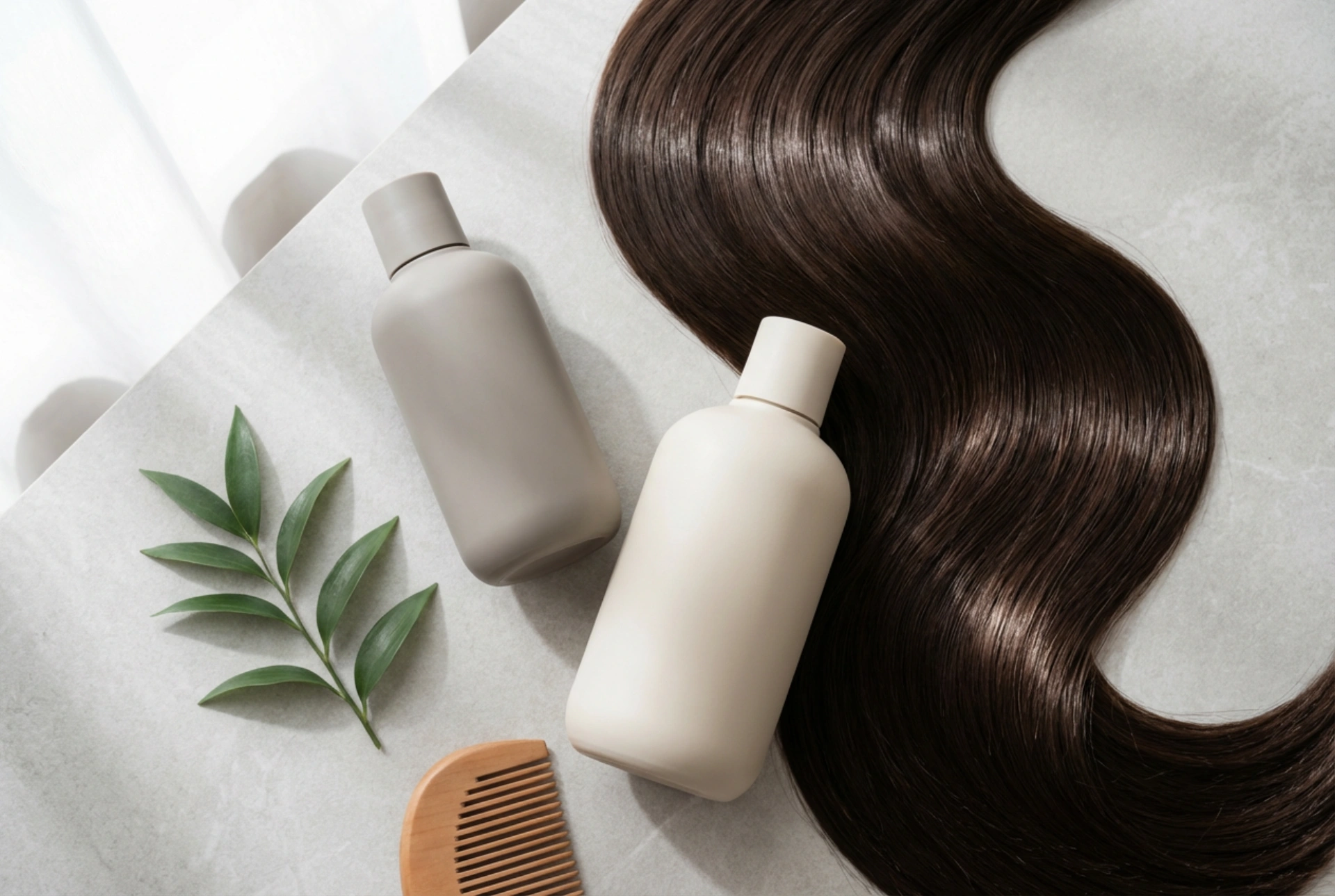


A keratin straightening treatment can leave your hair looking incredibly smooth, sleek, and shiny. To maintain these beautiful results for as long as possible, a proper aftercare routine is essential, and it all starts with the right shampoo. Using an unsuitable product can strip the keratin coating from your hair, diminishing the effects of the treatment prematurely. This guide will help you understand how to choose the best type of shampoo and how to correctly care for your newly smoothed hair.
Why Specialised Hair Care After Keratin Straightening is Crucial
A keratin treatment works by smoothing down the cells that overlap to form your hair strands. A layer of protein is sealed around the hair cuticle, which eliminates frizz and adds a glossy shine. However, this coating is not permanent. Certain ingredients commonly found in regular shampoos, as well as improper washing techniques, can break down this protein layer, causing the smoothing effect to fade much faster than it should. Thoughtful aftercare, centred around a gentle shampoo, is your best strategy for protecting your investment and enjoying sleek hair for weeks or even months.
Choosing the Right Shampoo: What to Look For
The key to longevity for your keratin treatment lies in the ingredients list of your haircare products, especially your shampoo. Your primary goal is to cleanse your scalp and hair gently without stripping away the protective keratin layer.
Key Ingredients to Avoid
Reading the label is paramount. Certain cleansing agents and additives are too harsh for keratin-treated hair and should be avoided at all costs. Pay close attention to the following:
- Sulphates (Sulfates): Specifically, Sodium Lauryl Sulphate (SLS) and Sodium Laureth Sulphate (SLES). These are powerful detergents that create a rich lather but are known for stripping natural oils and, in this case, the applied keratin treatment from the hair shaft.
- Sodium Chloride: This is essentially table salt, often used as a thickener in shampoos and conditioners. Salt can dissolve the keratin coating and will significantly shorten the lifespan of your treatment.
Beneficial Ingredients to Seek Out
Conversely, look for shampoos formulated with gentle, nourishing ingredients that support and replenish your hair. A 'sulphate-free' label is the first good sign. Additionally, formulas containing the following are excellent choices:
- Gentle Cleansing Agents: Look for cleansers derived from coconut or corn, which are much milder than sulphates and effectively clean the hair without being abrasive.
- Hydrolysed Proteins: Ingredients like hydrolysed keratin, silk, or wheat protein can help to reinforce the hair structure and supplement the treatment.
- Amino Acids: As the building blocks of protein, amino acids help to strengthen hair fibres from within.
- Natural Oils and Butters: Ingredients such as argan oil, jojoba oil, coconut oil, and shea butter provide moisture, enhance shine, and help to keep the hair cuticle smooth and sealed.
The Correct Washing Technique for Keratin-Treated Hair
How you wash your hair is just as important as what you wash it with. Following the correct procedure will help preserve your smooth results.
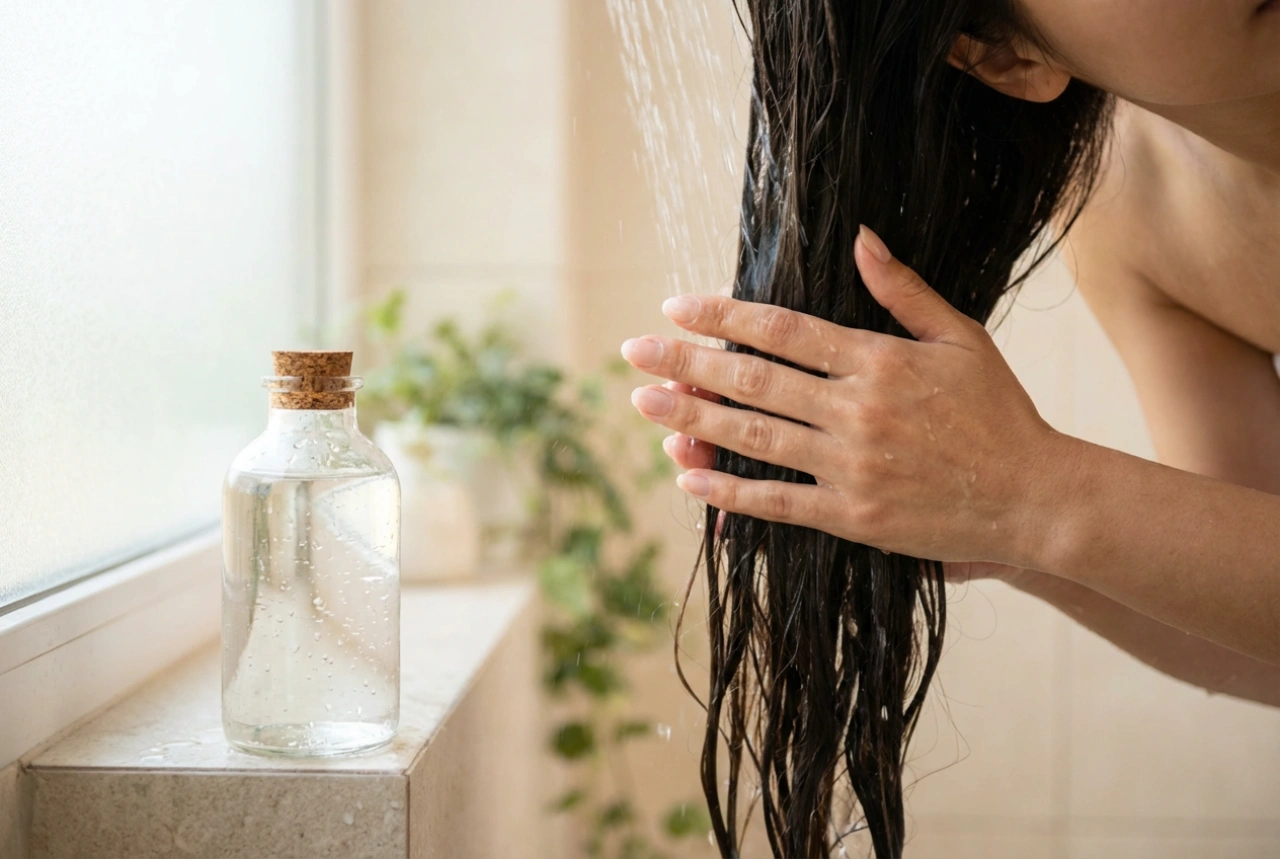
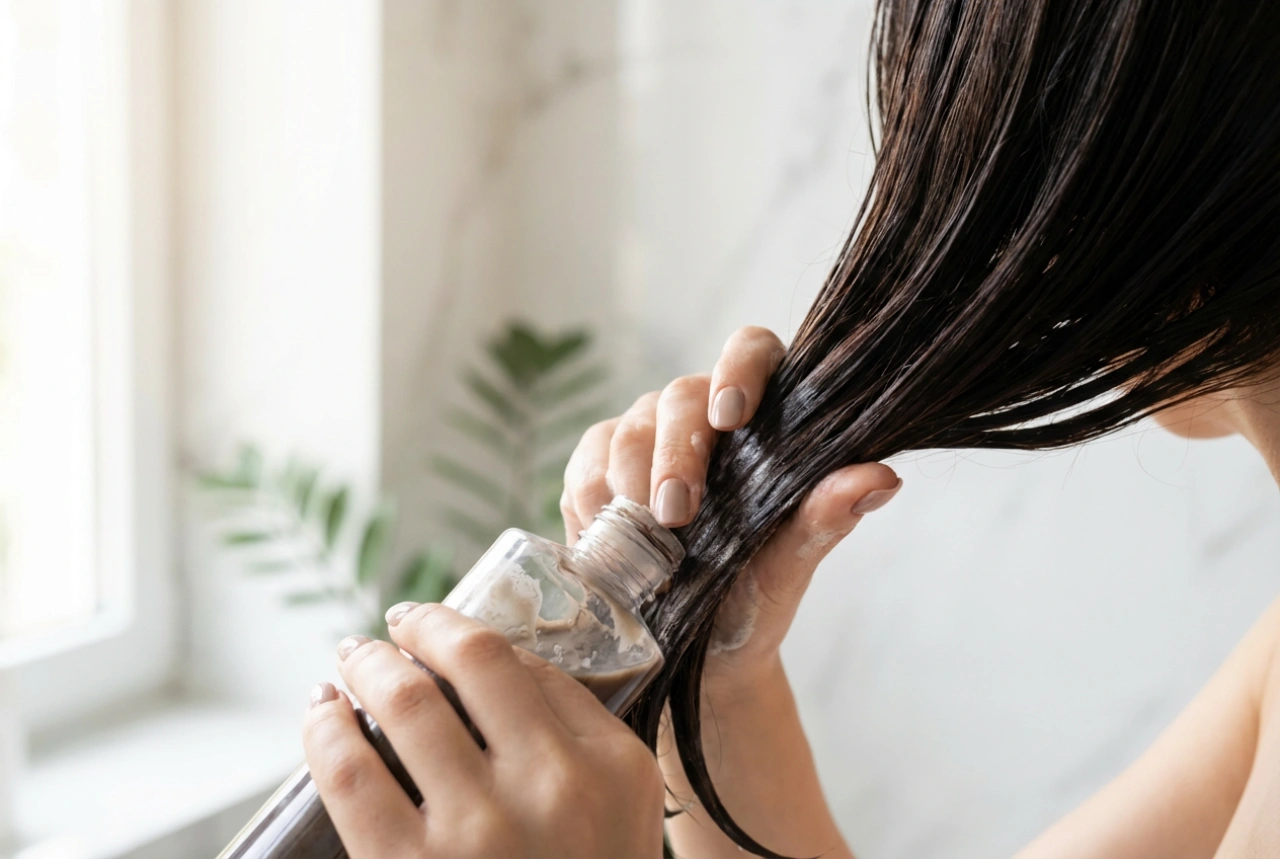
First, it's generally advised to wait about 72 hours after your treatment before the first wash. This allows the keratin to fully bond with the hair. When you are ready to wash, use lukewarm water, as very hot water can open the hair cuticle and allow the keratin to escape. Apply a small amount of your chosen sulphate-free shampoo and focus on massaging it gently into your scalp with your fingertips. There is no need to vigorously scrub the lengths of your hair; simply allow the lather to rinse down through the strands. Rinse thoroughly to ensure no product residue is left behind. Always follow with a complementary conditioner, also free from sulphates and sodium chloride, applying it from the mid-lengths to the ends and avoiding the roots. Let it sit for a few minutes before rinsing with cool water to help seal the cuticle.
Extending the Life of Your Treatment
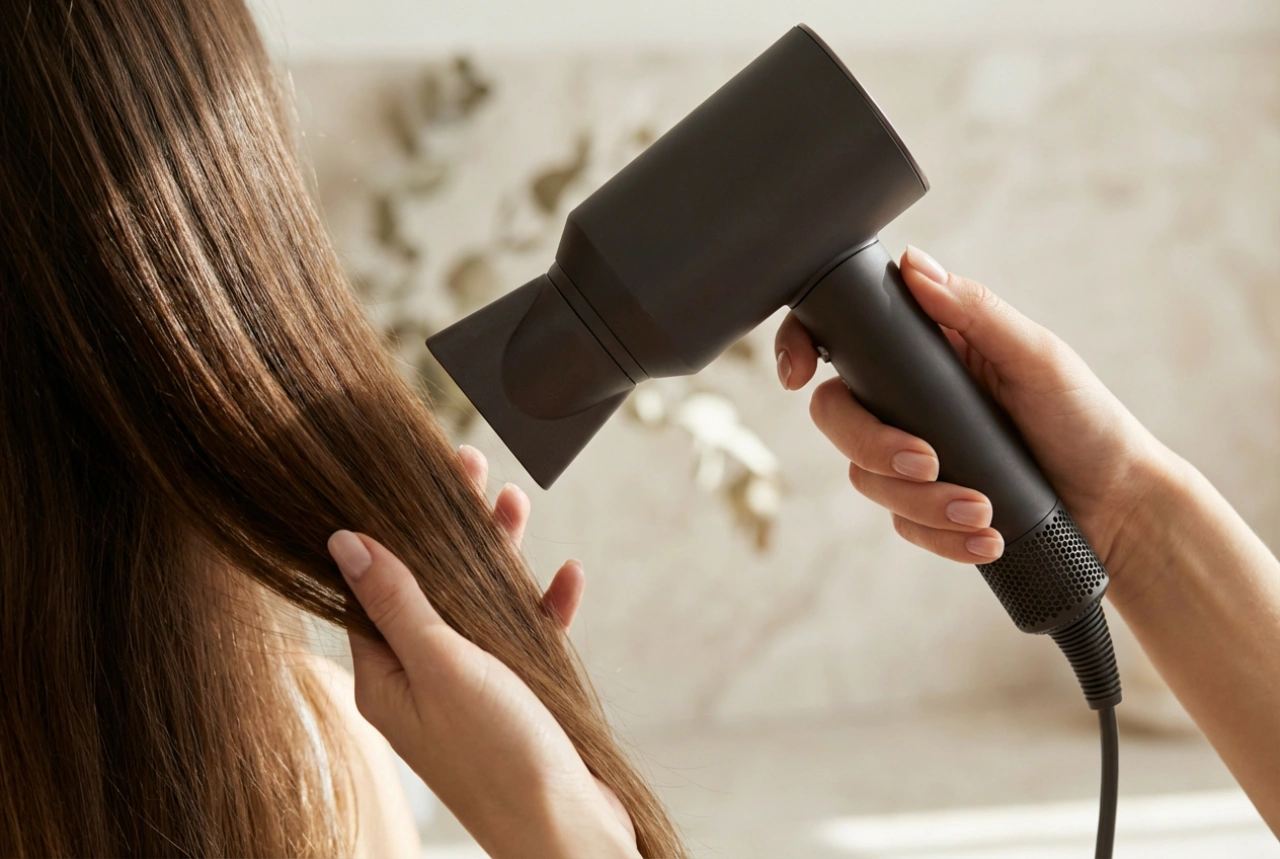
Beyond washing, a few extra steps can help maintain your sleek hair. Minimise the use of heat styling tools and always apply a heat protectant spray if you do. When swimming, protect your hair from chlorine and saltwater by wearing a swimming cap or applying a leave-in conditioner beforehand and rinsing your hair immediately after. Consider using a deep conditioning mask once a week, specifically one designed for treated hair, to provide an extra boost of moisture and protein.