

Choosing a hairstyle is about more than just following trends; it's about finding a look that harmonises with your unique features. A well-chosen haircut can beautifully frame the face, creating a sense of balance and highlighting your best attributes. For those with an oblong face shape, the goal is often to create an illusion of width to balance the length. With the right techniques and styles, you can achieve a look that is both flattering and perfectly suited to you.
Understanding the Oblong Face Shape
Before diving into specific hairstyles, it's helpful to identify the characteristics of an oblong face, which is also sometimes referred to as a long face shape. Typically, this shape is longer than it is wide, with a forehead, cheekbones, and jawline that are of a similar width. The chin may be pointed or rounded, but the overall impression is one of length. The key to styling hair for this face shape is to avoid adding more height and instead focus on creating volume and interest at the sides.
Key Principles for Flattering Hairstyles
When selecting a haircut, there are a few guiding principles that can help create visual balance for a longer face. By keeping these in mind, you can adapt many different styles to suit your features perfectly.
- Add Width, Not Height: The primary goal is to make the face appear wider. This can be achieved with styles that have volume around the cheekbones. Avoid too much volume or height at the crown, as this can elongate the face further.
- Embrace the Fringe: A fringe is one of the most effective tools for visually shortening the face. It breaks up the length of the forehead and draws attention to the eyes.
- Consider the Parting: A centre parting can sometimes emphasise length. An off-centre or deep side parting can be more flattering, as it creates an asymmetrical line that breaks up the vertical orientation of the face.
- Focus on Texture: Waves and curls are excellent for adding horizontal volume. If you have naturally straight hair, consider adding soft waves with styling tools to create more width.
Hairstyle Ideas to Consider
Armed with these principles, you can explore a variety of haircuts. The best style for you will also depend on your hair type, texture, and personal preferences. Here are some universally flattering ideas.
Medium-Length Cuts with Layers
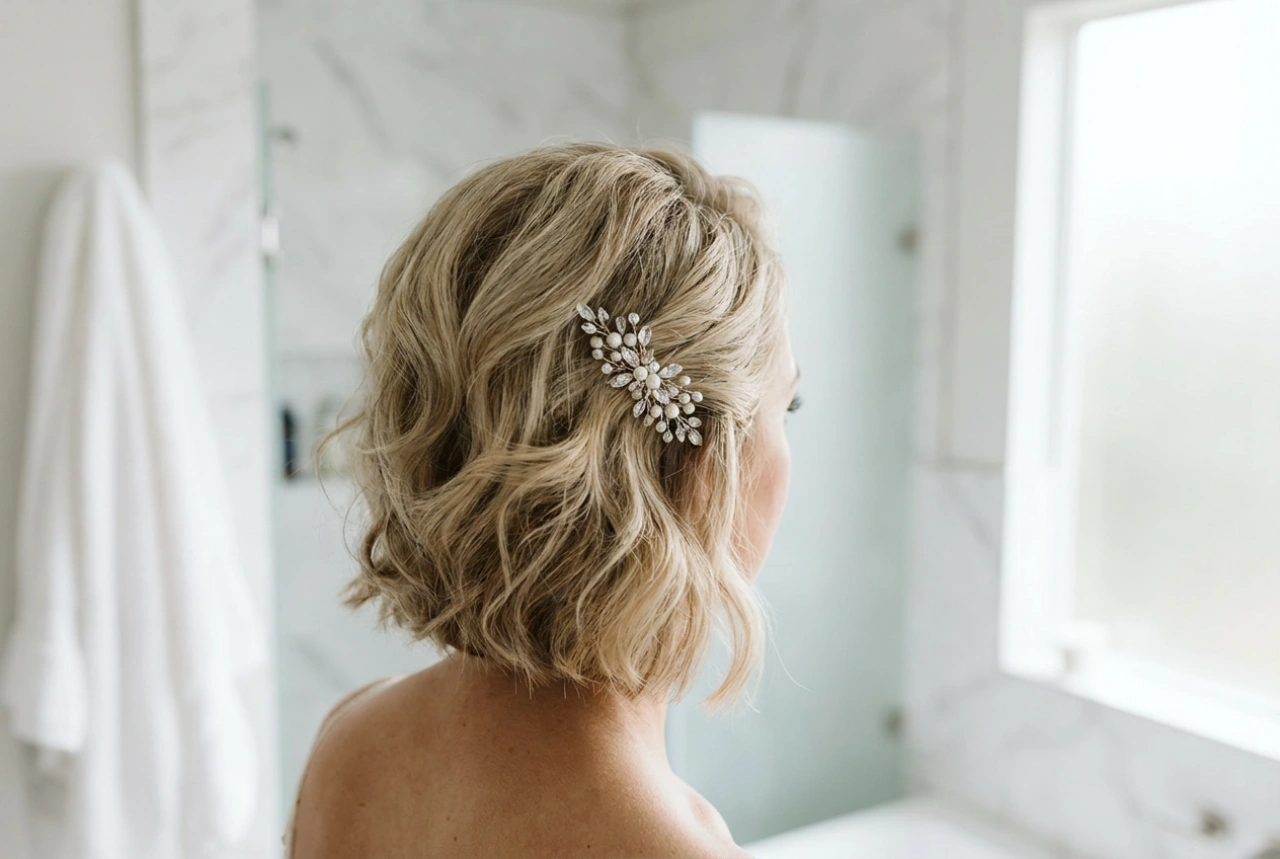
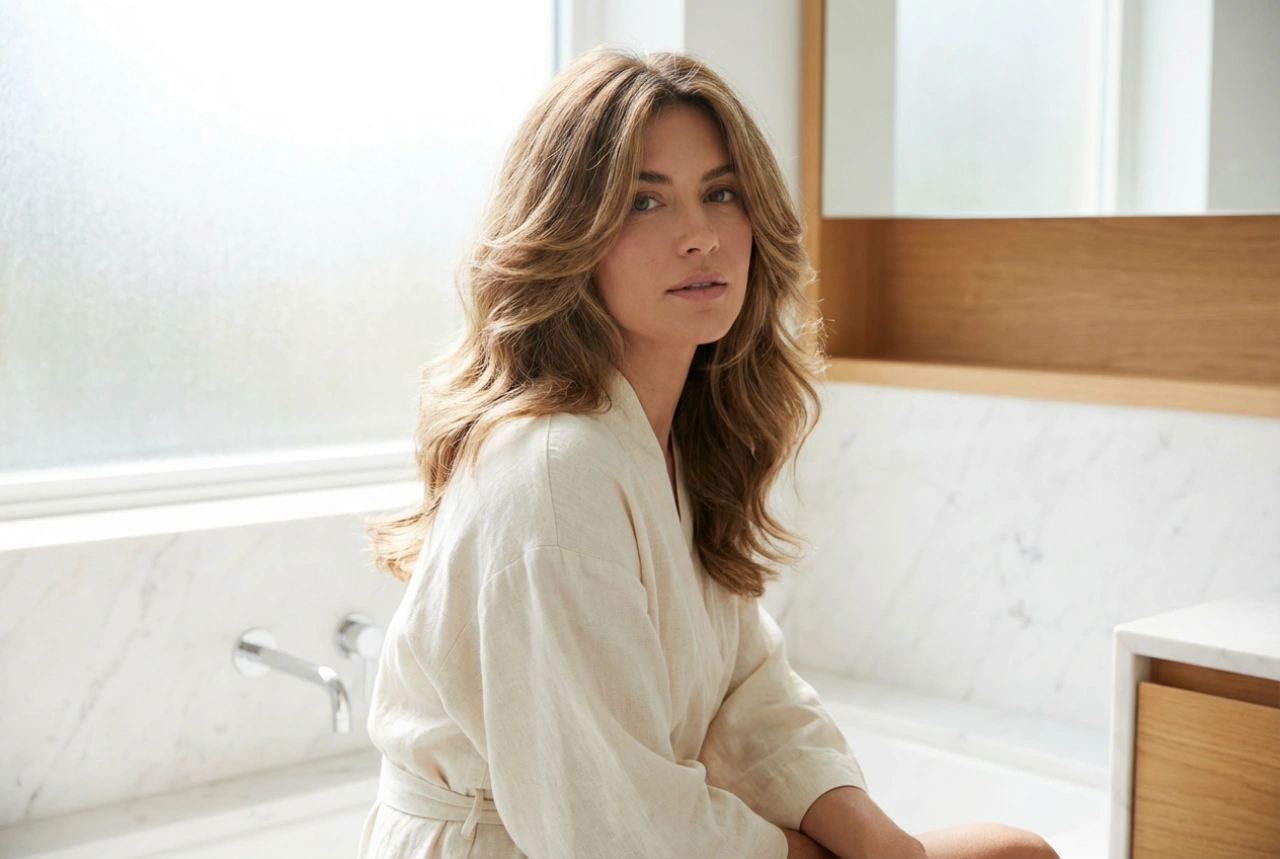
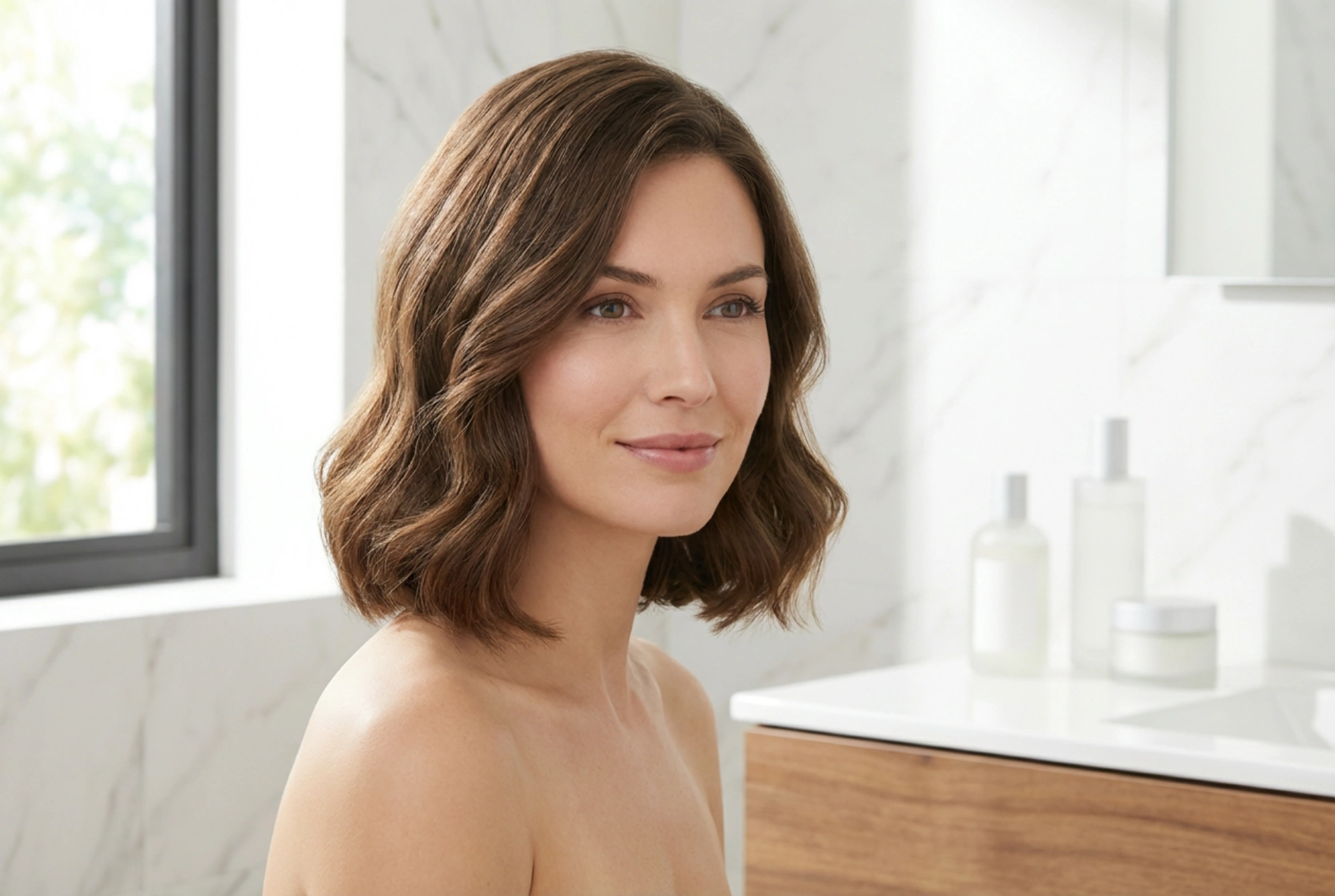
Hair that falls anywhere between the chin and the shoulders is often considered the sweet spot for oblong faces. A shoulder-length cut, a long bob (lob), or a chin-length bob can be incredibly flattering. The key is to incorporate layers that start around the cheekbones. These layers will kick out to the sides, creating the desired width. Ask your stylist for soft, blended layers rather than sharp, vertical ones to build horizontal volume and movement.
The Transformative Power of a Fringe
A fringe can dramatically change the proportions of your face. There are several styles to choose from:
- Blunt Fringe: A full, straight-across fringe that sits just at or above the eyebrows is a classic choice for shortening the face.
- Side-Swept Fringe: A softer, more versatile option that sweeps across the forehead, breaking up the length without being as bold as a blunt fringe.
- Curtain Fringe: This popular style is parted in the middle and swept to each side, framing the face beautifully and adding softness around the cheekbones.
Wavy and Curly Textures
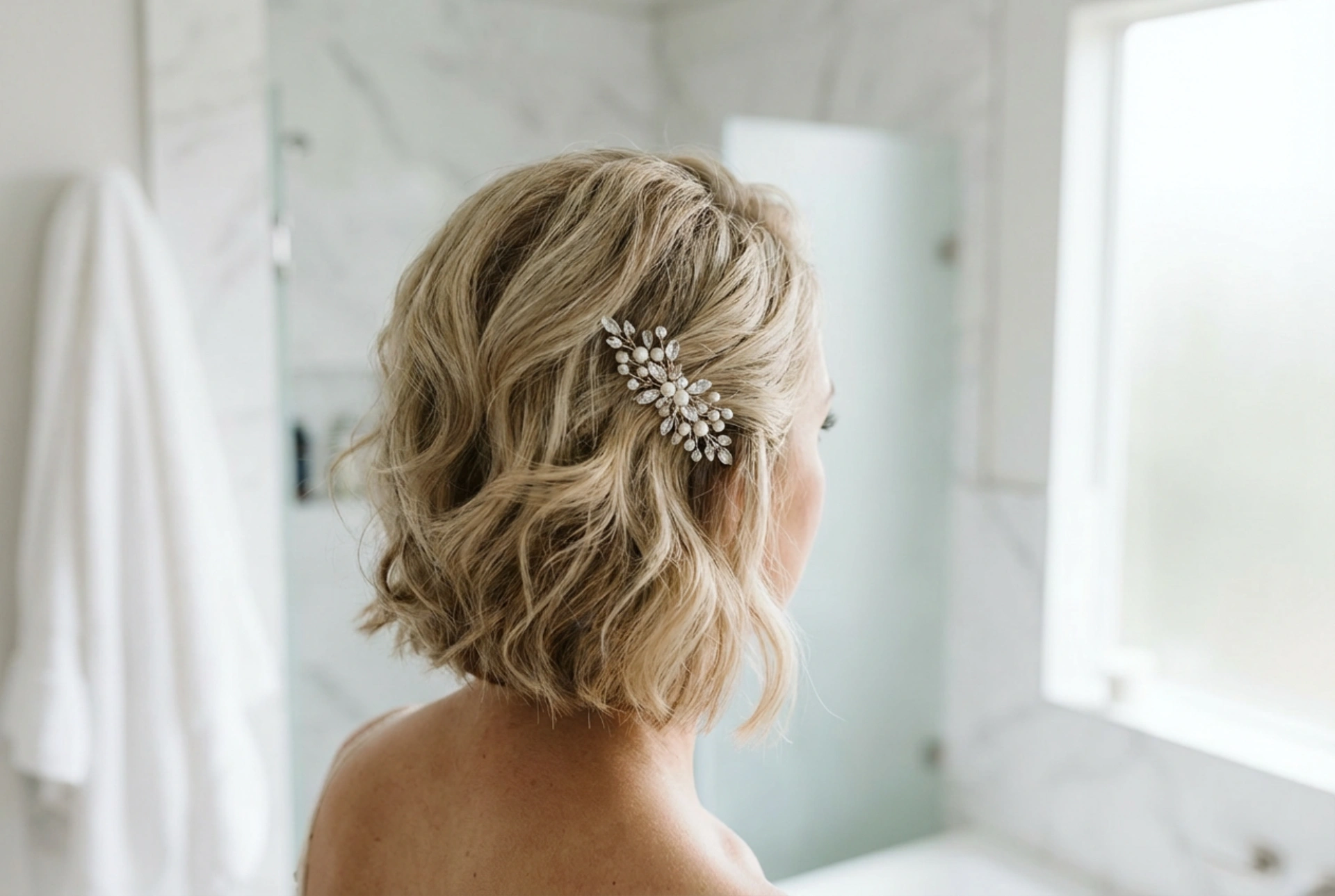
If you have naturally wavy or curly hair, embrace it! The natural volume and body of textured hair are perfect for adding width to the sides of the face. To make the most of your texture, opt for a cut with layers that will enhance your curl pattern and prevent the hair from weighing itself down. If your hair is straight, you can easily create soft waves using a curling wand or by braiding damp hair. This added texture will instantly create a fuller, wider look.
Styling Approaches to Be Mindful Of
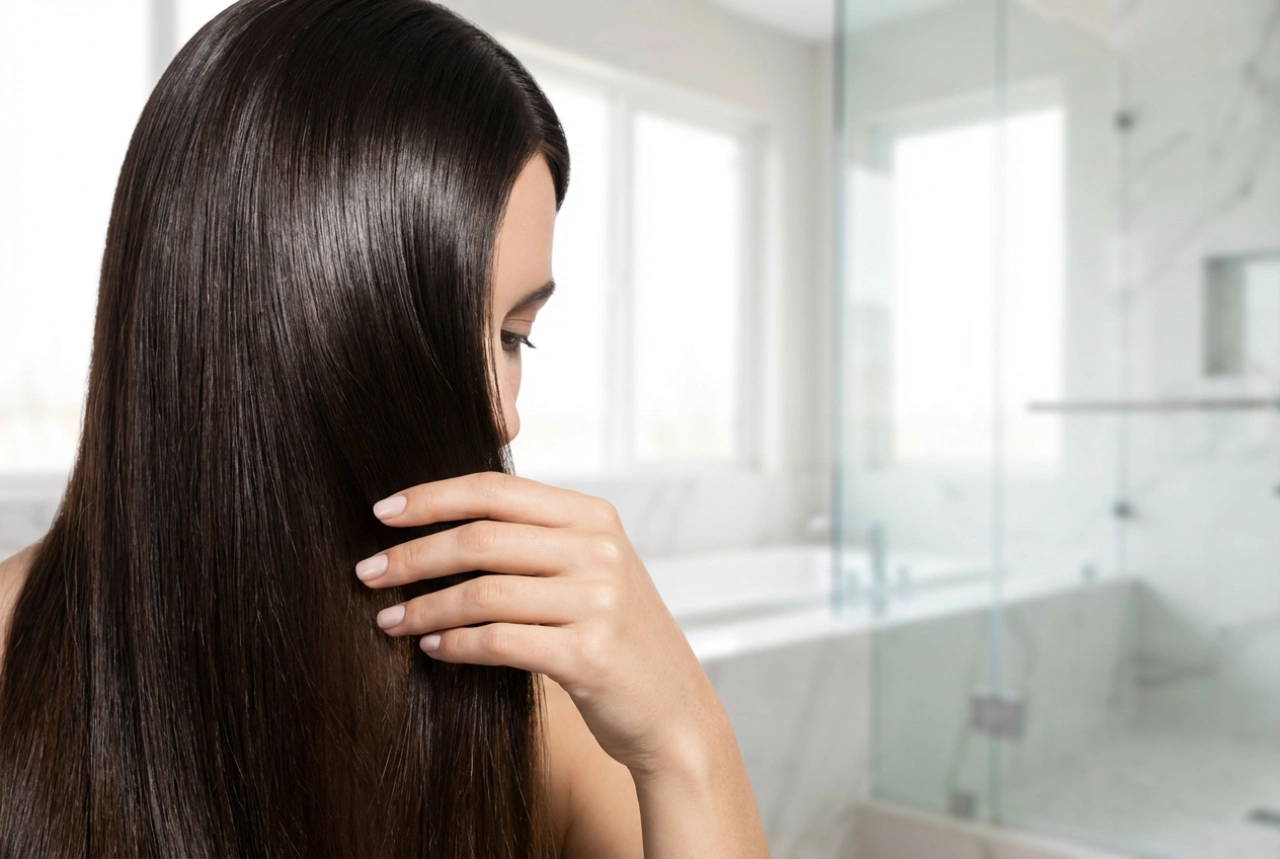
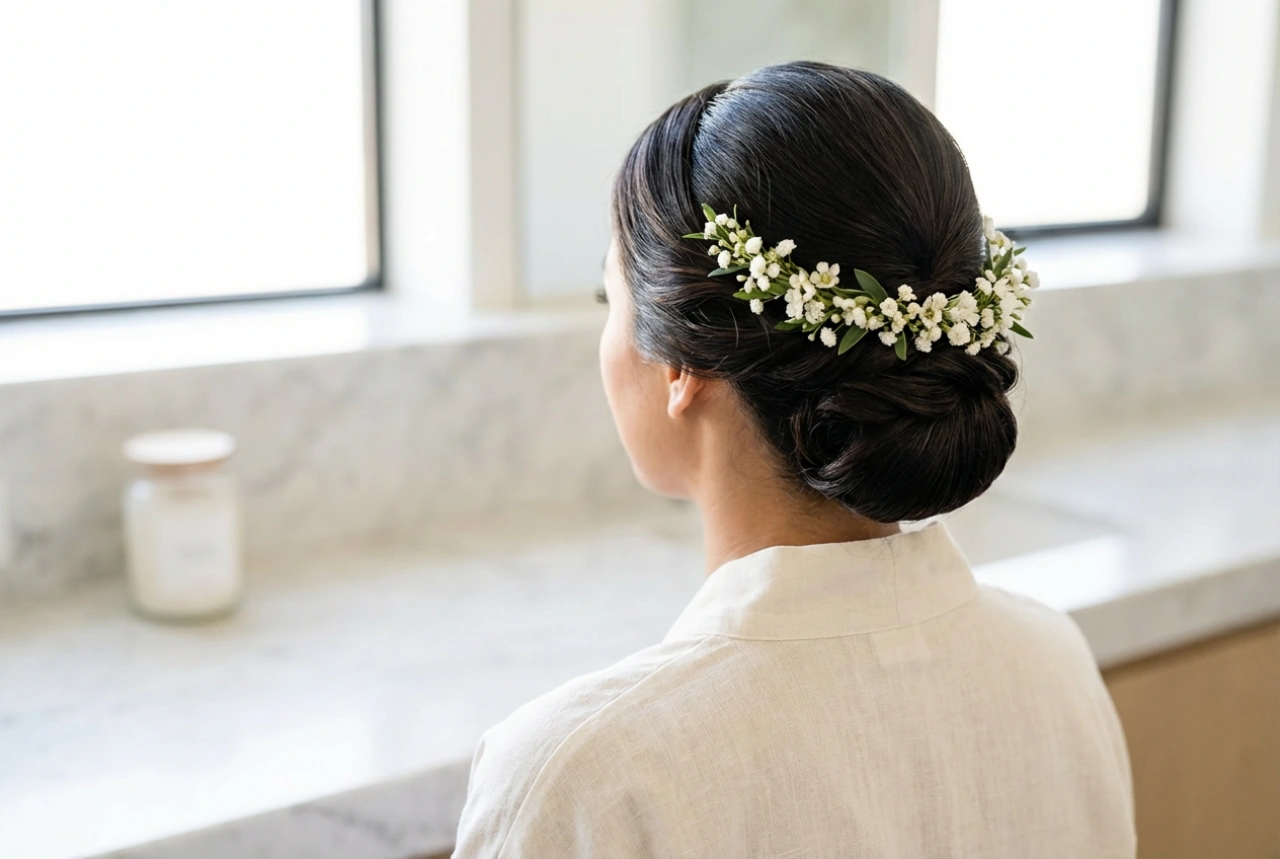
While most styles can be adapted, some looks can be less flattering for an oblong face if not executed carefully. Very long, one-length straight hair can sometimes drag the face down and emphasise its length. Similarly, styles that feature a lot of volume directly on top of the head, like a high ponytail or a top knot without any softness around the face, can add unwanted height. This doesn't mean you must avoid these styles entirely, but rather adapt them. For example, if you love long hair, incorporate long layers and some soft waves. When wearing an updo, pull out a few face-framing tendrils or pair it with a fringe to maintain balance.