

The art of crafting an intricate evening hairstyle is a true measure of a hairdresser's skill, combining precision, creativity, and technical knowledge. For those preparing for professional qualifications, such as a journeyman or craft exam, mastering these elaborate updos is paramount. Success isn't just about the final look; it's about demonstrating a profound understanding of the foundational techniques that ensure the style is both beautiful and structurally sound. This guide explores the essential skills and classic styles that form the core of any hairdressing examination focused on evening wear.
The Foundation: Hair Preparation is Key
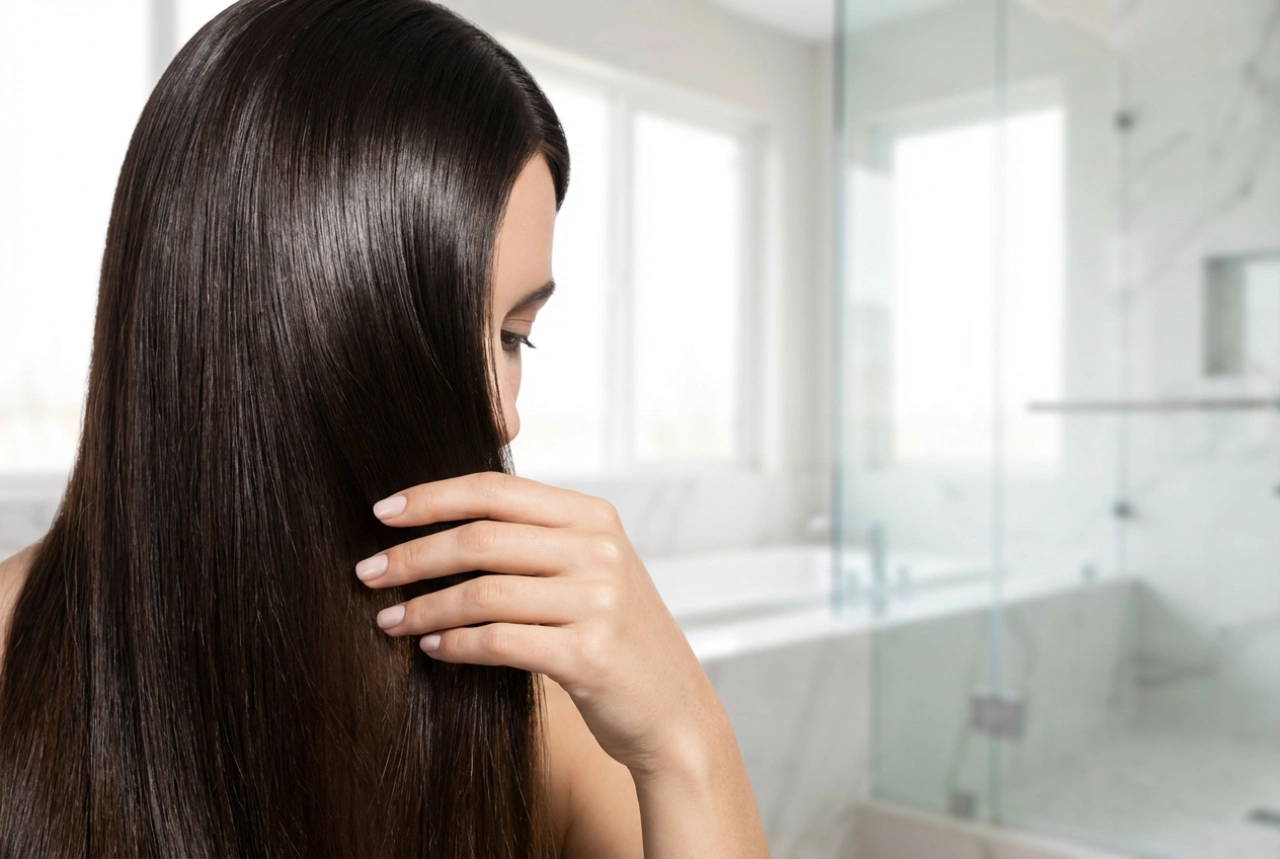
Before a single pin is placed, the success of an evening hairstyle is determined by the preparation of the hair. Examiners look for a solid foundation, which shows foresight and technical understanding. The hair must be prepared in a way that provides the ideal texture, volume, and hold for the intended design. This typically involves several steps. Firstly, ensuring the hair is clean and completely dry is non-negotiable. Depending on the desired outcome, you might blow-dry the hair using a round brush to create volume at the roots and smoothness through the lengths. For sleeker styles, using straightening irons can create a polished, glossy base. For styles requiring more texture and lasting curl, setting the hair on rollers or using a curling wand is essential. This pre-styling phase is not just about creating curls or waves; it's about changing the hair's fabric to make it more pliable and capable of holding a complex shape for hours.
Core Techniques for Building an Updo
Once the hair is prepped, the construction of the updo begins. A successful style relies on a combination of core techniques that must be executed with precision and confidence. These are the building blocks that examiners will be assessing closely.
Pinning and Securing
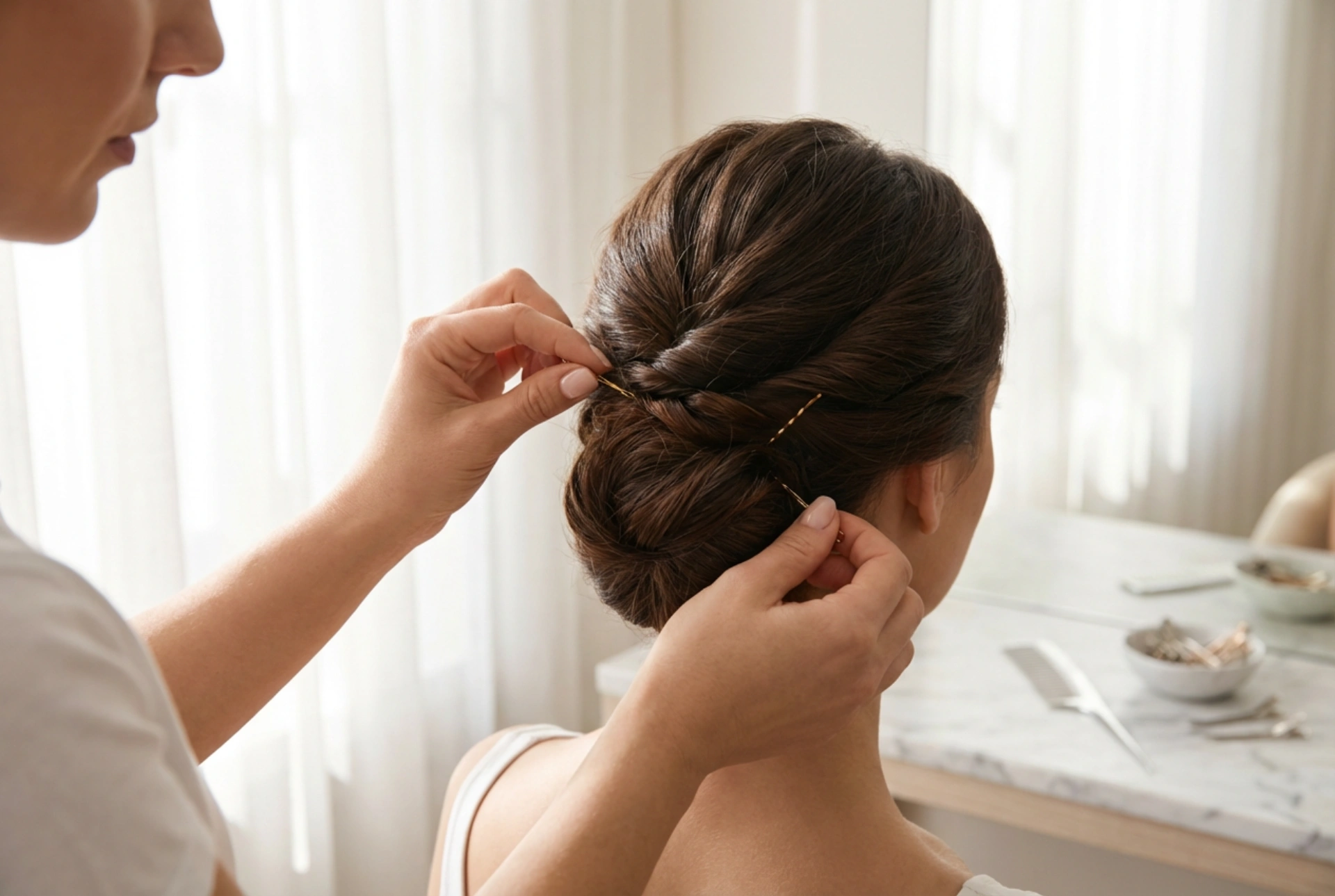
One of the most fundamental skills is the ability to secure the hair effectively and invisibly. This involves more than just randomly inserting pins. It's about creating strong anchor points and using grips and pins strategically. For example, creating a small, secure ponytail or a base of interlocked hairpins can serve as an anchor from which the rest of the style is built. Hairpins should be used to secure shapes, while grips are better for fastening sections of hair flat against the head. The goal is a style that feels secure to the client without being tight or uncomfortable, with all mechanics hidden from view.
Creating Shape and Volume
Volume is often central to an evening look. The classic technique for this is backcombing or teasing. This must be done methodically, taking small sections and gently pushing the hair towards the scalp with a fine-toothed comb to create a cushion of volume. Crucially, the top layer of the section should be left smooth to cover the backcombed base, resulting in a seamless finish. In some cases, hair padding (often called a 'donut' or 'sausage') may be used to create a defined shape, such as a large bun or a retro-inspired roll. Skill is demonstrated in how well this padding is concealed within the natural hair.
Twisting, Braiding, and Rolling
These elements add texture, detail, and elegance to an updo. Examiners will want to see proficiency in a variety of techniques. Simple twists, French twists, and rope braids can be used to sweep hair away from the face or create interesting patterns. Classic braids, such as the three-strand, fishtail, or Dutch braid, can be incorporated into an updo or be the main feature. The French pleat, a timeless vertical roll, is a common exam piece as it requires immense control over tension and smoothness to achieve a perfect, clean line.
Classic Styles to Master
While creativity is encouraged, exams often centre on the execution of classic styles that showcase a range of techniques. Mastering these demonstrates your versatility and technical depth.
The Chignon
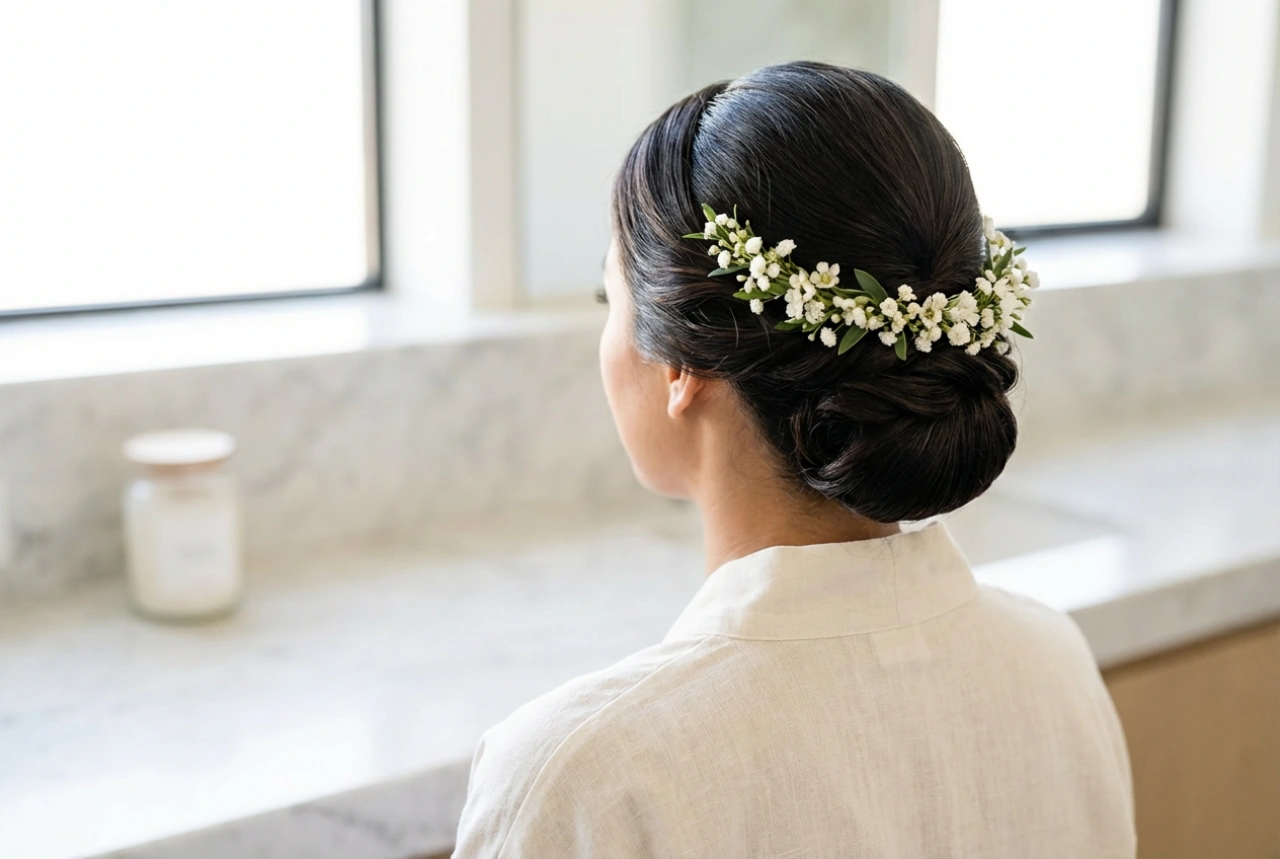
A chignon is a type of bun, typically worn low at the nape of the neck or to the side. It can be sleek and smooth for a minimalist look, or soft and textured for a more romantic feel. A perfect chignon demonstrates skills in smoothing hair, creating a secure base, and pinning the shape neatly. It’s a test of precision and clean work.
The French Pleat
As mentioned, this is a staple of hairdressing education. It requires creating a smooth, vertical roll at the back of the head. The challenge lies in maintaining even tension, keeping the shape uniform from top to bottom, and ensuring there are no visible pins. It is a pure demonstration of control and elegance.
Complex Braided Updos
A more modern but equally challenging task involves creating an updo where braids are the central feature. This could involve combining multiple braid types, or 'pancaking' a braid (pulling the edges to make it look wider and flatter) to create a softer, more intricate effect. These styles showcase creativity alongside technical braiding and pinning skills.
Finishing and Final Presentation
The final stage is just as important as the first. A beautiful style can be let down by a poor finish. Examiners look for a flawless, polished appearance. This means ensuring there are no flyaway hairs; a light mist of finishing spray and a gentle smoothing with the side of a can or your palm can help. The overall shape must be balanced and harmonious from all angles. Check the silhouette in the mirror from the front, back, and sides. The finished style should look effortless, durable, and perfectly suited to an evening occasion, reflecting the high standards of a qualified professional.