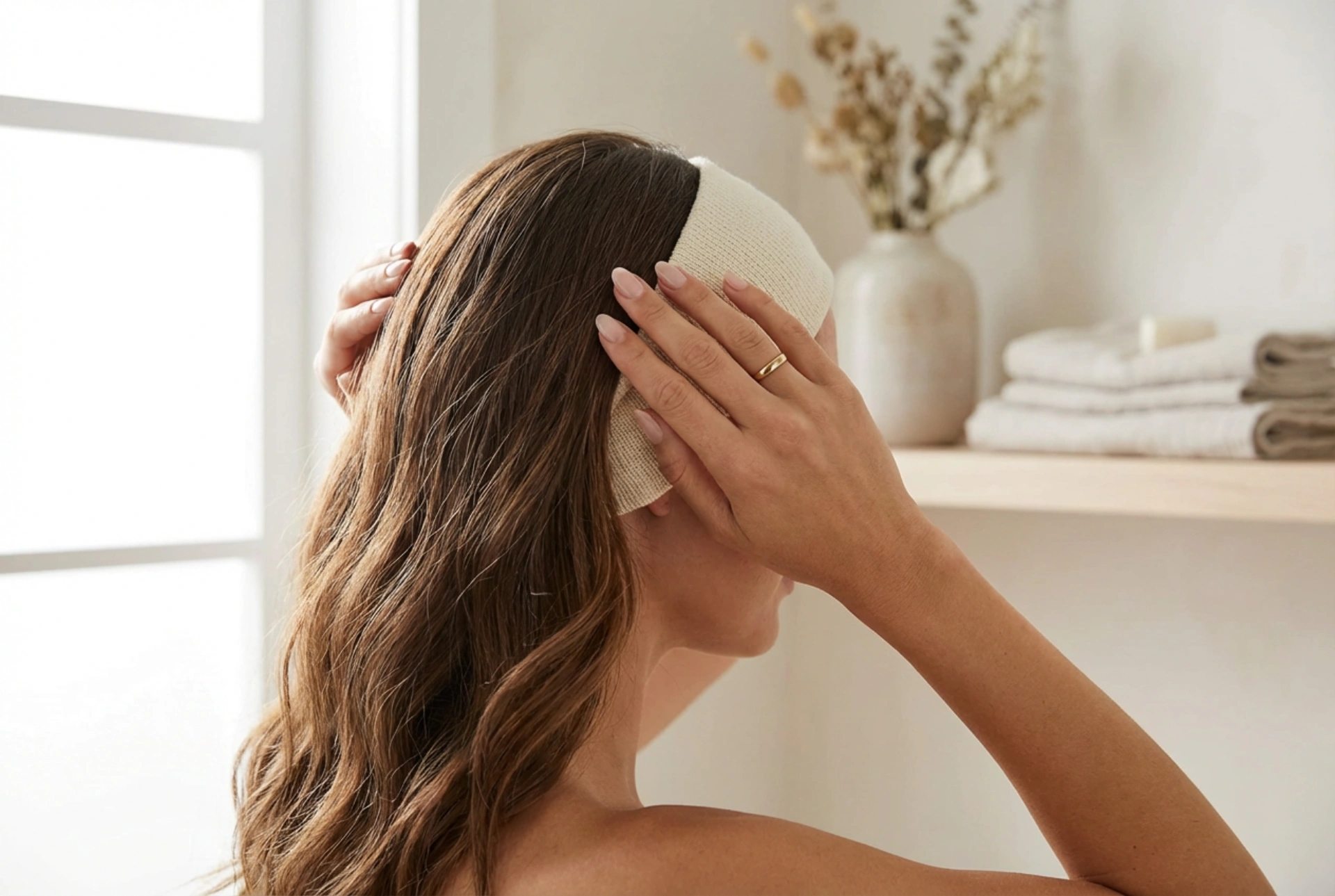


Headbands are a wonderfully versatile accessory, capable of elevating a simple hairstyle, keeping hair out of your face, or adding a pop of colour to your look. However, many of us have experienced the downsides: the dreaded hair dent after removal, a feeling of tightness, or even a headache from prolonged wear. The good news is that with the right choice of headband and a few simple techniques, you can enjoy all the style benefits without any of the discomfort. This guide will walk you through how to wear a headband for a look that is both chic and completely comfortable.
Choosing the Right Headband for Maximum Comfort
The foundation of a pain-free headband experience starts with your selection. Not all headbands are created equal, and the material, width, and elasticity play crucial roles in how they feel and perform throughout the day.
Focus on Soft, Gentle Materials
Opt for headbands made from soft, pliable fabrics that are kind to both your hair and skin. Materials like cotton jersey, silk, satin, or velvet are excellent choices. They have a natural give and are less likely to snag or pull on hair strands. Hard plastic headbands, especially those with built-in teeth, are notorious for digging into the scalp and creating pressure points. A fabric-covered band is a much gentler alternative if you prefer a more structured shape.
Consider the Width and Stretch
Wider headbands are often more comfortable because they distribute pressure over a larger area of your head, reducing the risk of a concentrated ache. Look for a band that is at least an inch wide. Furthermore, pay close attention to the elasticity. The headband should be snug enough to stay in place without slipping, but not so tight that it feels restrictive. If a headband leaves a red mark on your skin after just a few minutes of wear, it's too tight and will likely cause discomfort later on.
Preparation: Setting Your Hair Up for Success
Before you even slide on the headband, a little bit of hair prep can make a significant difference in preventing dents and ensuring the style holds beautifully.
Always Start with Dry Hair
Placing a headband on wet or damp hair is a guaranteed way to create a deep, stubborn crease. Hair is most malleable when wet, and as it dries in a compressed state under the band, it sets into that shape. Ensure your hair is completely dry before styling with a headband to keep it smooth and dent-free.
Add a Touch of Texture
If your hair is very fine or silky, a headband might have a tendency to slip backwards throughout the day, tempting you to wear a tighter one. To counteract this, add some light grip to your hair. A spritz of a texturising spray or a light dusting of dry shampoo at the roots, especially around the area where the headband will sit, can provide just enough friction to keep it securely in place without needing excessive pressure.
The Art of Placement: Technique Matters
How you put the headband on is just as important as the headband itself. A gentle and strategic approach is key to avoiding pressure points and that flattened look.
Positioning for a Pain-Free Fit
Avoid placing the headband directly on your hairline, as this can create tension and pressure on a sensitive area. Instead, position it about an inch or two back from your forehead. Slide it on gently from the front, over your head, and settle it into place behind your ears. Make sure it doesn't press down too hard on the delicate skin behind your ears, which is a common source of discomfort. Adjust it until it feels secure but not tight.
Create a Soft Frame
To avoid a harsh line and prevent a major dent, you can create a softer transition. After placing the headband, gently pull out a few small strands of hair from the front to frame your face. This not only softens the overall look but also breaks up the solid line of pressure from the band.
Boost the Volume
One of the main complaints about headbands is that they can flatten the hair at the crown. To prevent this, once the headband is in place, use your fingers or the tail end of a comb to gently lift the hair at the crown just behind the band. This small adjustment reintroduces volume and creates a more balanced, flattering silhouette, preventing your hair from looking plastered to your head.
By selecting the right materials and using these simple application techniques, you can transform the headband from a source of potential discomfort into your favourite go-to accessory. Enjoy the perfect blend of effortless style and all-day comfort, no matter the occasion.