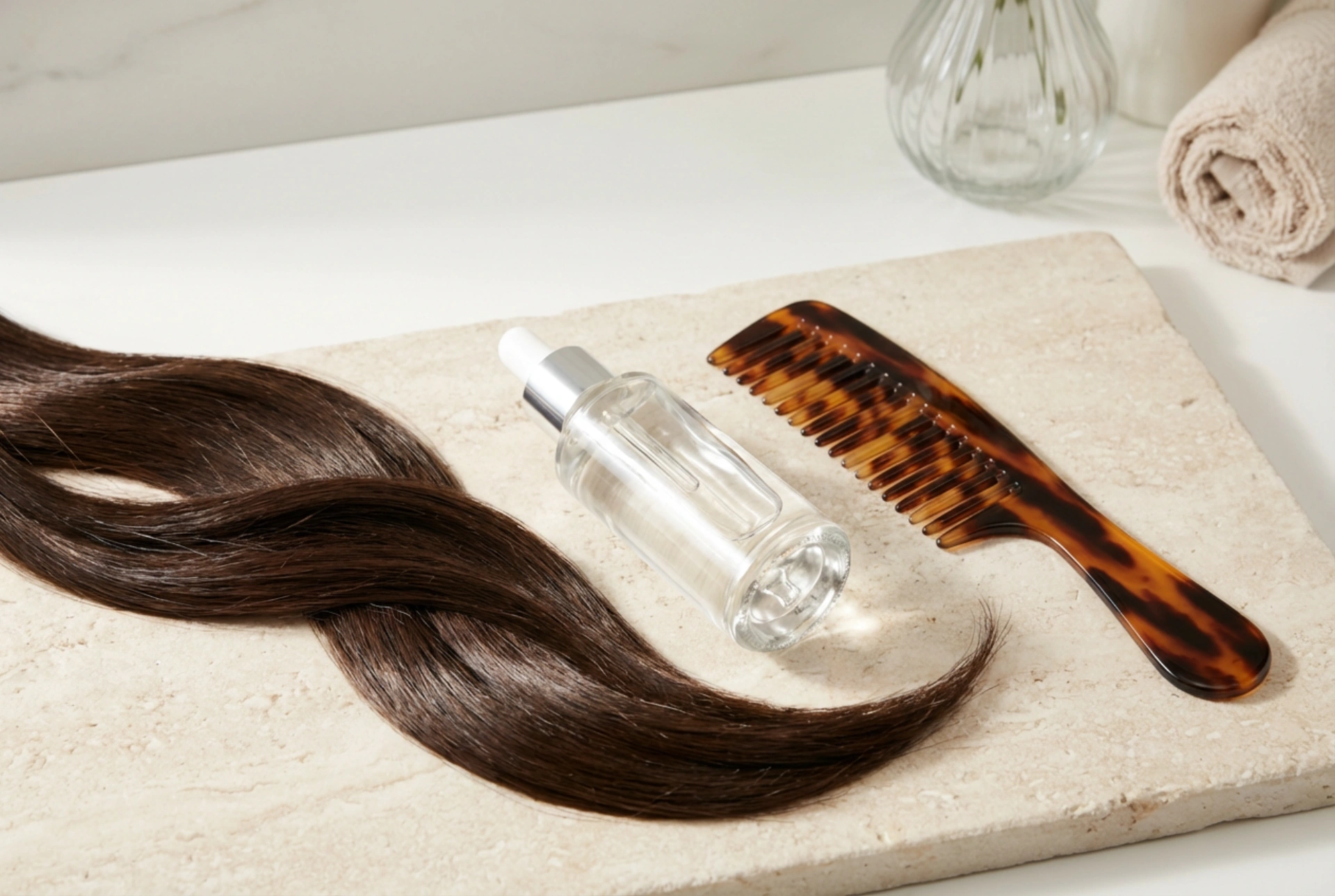


The quest for smooth, glossy hair, free from flyaways and frizz, is a common beauty goal. Frizz can affect any hair type, turning a sleek style into a fluffy halo, especially in humid conditions. However, achieving that polished, salon-quality finish at home is entirely possible with the right knowledge and techniques. Understanding the cause of frizz is the first step towards taming it, paving the way for a routine that nourishes the hair and seals its surface for a lasting sleekness. This guide will walk you through the essential steps, from washing to styling, to help you control frizz and reveal beautifully smooth hair.
Understanding the Root Causes of Frizzy Hair
Frizz is essentially a cry for moisture. The outer layer of the hair shaft, known as the cuticle, is made up of overlapping scales. When hair is healthy and hydrated, these scales lie flat, creating a smooth, reflective surface. However, when hair is dry or damaged, these cuticles lift and open up. This allows moisture from the air to penetrate the hair shaft, causing it to swell and appear frizzy and unruly. Several factors contribute to this condition:
- Lack of Moisture: Dry hair is the primary cause of frizz. Over-washing, using harsh shampoos, and insufficient conditioning can strip the hair of its natural oils.
- Humidity: In humid environments, dry hair absorbs excess moisture from the atmosphere, causing the hair shaft to swell unevenly and the cuticles to lift.
- Damage: Heat styling, chemical treatments, and even friction from brushing or towels can damage the hair cuticle, making it more prone to frizz.
- Hair Type: While all hair types can experience frizz, curly and wavy hair are naturally more susceptible because their structure makes it harder for natural scalp oils to travel down the hair shaft.
A Gentle Hair Care Routine for Smoothness
Controlling frizz begins in the shower. A gentle and hydrating hair care routine is fundamental to keeping your hair cuticles sealed and smooth. It’s not just about the products you use, but also how you use them.
Washing and Conditioning
Start by choosing a shampoo that is free from harsh sulphates, which can strip away natural moisture. Look for formulas labelled as 'hydrating', 'moisturising', or 'smoothing'. Always follow up with a conditioner, applying it generously from the mid-lengths to the ends, where hair is typically the driest. Conditioner is crucial as it helps to replenish moisture and smooth down the hair cuticle. Let it sit for a few minutes before rinsing. A final rinse with cool water can help to further seal the cuticles, locking in moisture and boosting shine.
Drying Techniques
How you dry your hair is just as important as how you wash it. Aggressively rubbing your hair with a standard cotton towel creates friction that ruffles the cuticles and leads to immediate frizz. Instead, gently squeeze out excess water using a soft microfibre towel or even a clean cotton t-shirt. Pat your hair dry rather than rubbing it. When using a hairdryer, always attach the concentrator nozzle. Direct the airflow downwards along the hair shaft, from root to tip. This encourages the cuticles to lie flat, resulting in a smoother finish. Always use a heat protectant spray beforehand to shield your hair from potential damage.
Essential Smoothing Products and Tools
The right post-wash products and styling tools act as a barrier against humidity and provide the finishing touches for a sleek look.
Leave-In Treatments and Stylers
After gently towel-drying, it's time to apply products that will help keep frizz at bay throughout the day. A good leave-in conditioner adds an extra layer of moisture. Following this, an anti-frizz serum or hair oil is your best friend. Look for products containing silicones, which are not harmful in moderation; they create a protective, water-repellent coating around the hair shaft, blocking humidity and adding slip and shine. Apply a small amount to damp hair, focusing on the mid-lengths and ends.
The Right Tools for the Job
Using the correct tools can make a significant difference. When your hair is wet, use a wide-tooth comb to detangle it gently, starting from the ends and working your way up to the roots to prevent breakage. For blow-drying, a round brush with boar bristles can help to grip the hair and create tension, pulling it smooth as you dry. Boar bristles also help to distribute your scalp’s natural oils down the hair shaft, which is a natural way to fight frizz.
At-Home Habits for Frizz-Free Hair
Beyond your styling routine, a few simple habits can contribute to smoother hair over time. Incorporate a deep conditioning mask or hair treatment into your routine once a week. These intensive formulas provide a deep dose of hydration and nourishment that regular conditioners can't match. Look for ingredients like shea butter, argan oil, or keratin to repair and moisturise. Another simple yet highly effective change is to switch your cotton pillowcase for one made of silk or satin. These materials create less friction as you toss and turn at night, meaning you'll wake up with smoother hair and less tangling.