

Discover the simplicity of a home-based beauty ritual with a DIY rice mask. This gentle cosmetic has been a staple in various beauty traditions for generations, valued for its straightforward preparation and the feeling of refreshment it provides. Using simple ingredients, you can create a smooth, creamy mask that fits seamlessly into your regular skincare routine, offering a moment of calm and self-care. Let's explore how to prepare, apply, and use this classic homemade treatment for a fresh-faced feeling.
The Appeal of Rice in Skincare
Rice, particularly in the form of rice flour or rice water, is known for its gentle properties, making it a popular choice for homemade cosmetics. The fine texture of rice flour acts as a very mild exfoliant, helping to slough away dull surface cells without being harsh on the skin. This process can contribute to a smoother skin texture and a more radiant-looking complexion. It contains compounds that are appreciated in skincare for their ability to help maintain an even skin tone and support the skin's natural barrier. A homemade rice mask is an excellent way to incorporate these benefits into your routine in a simple and accessible manner.
How to Prepare a Simple Homemade Rice Mask
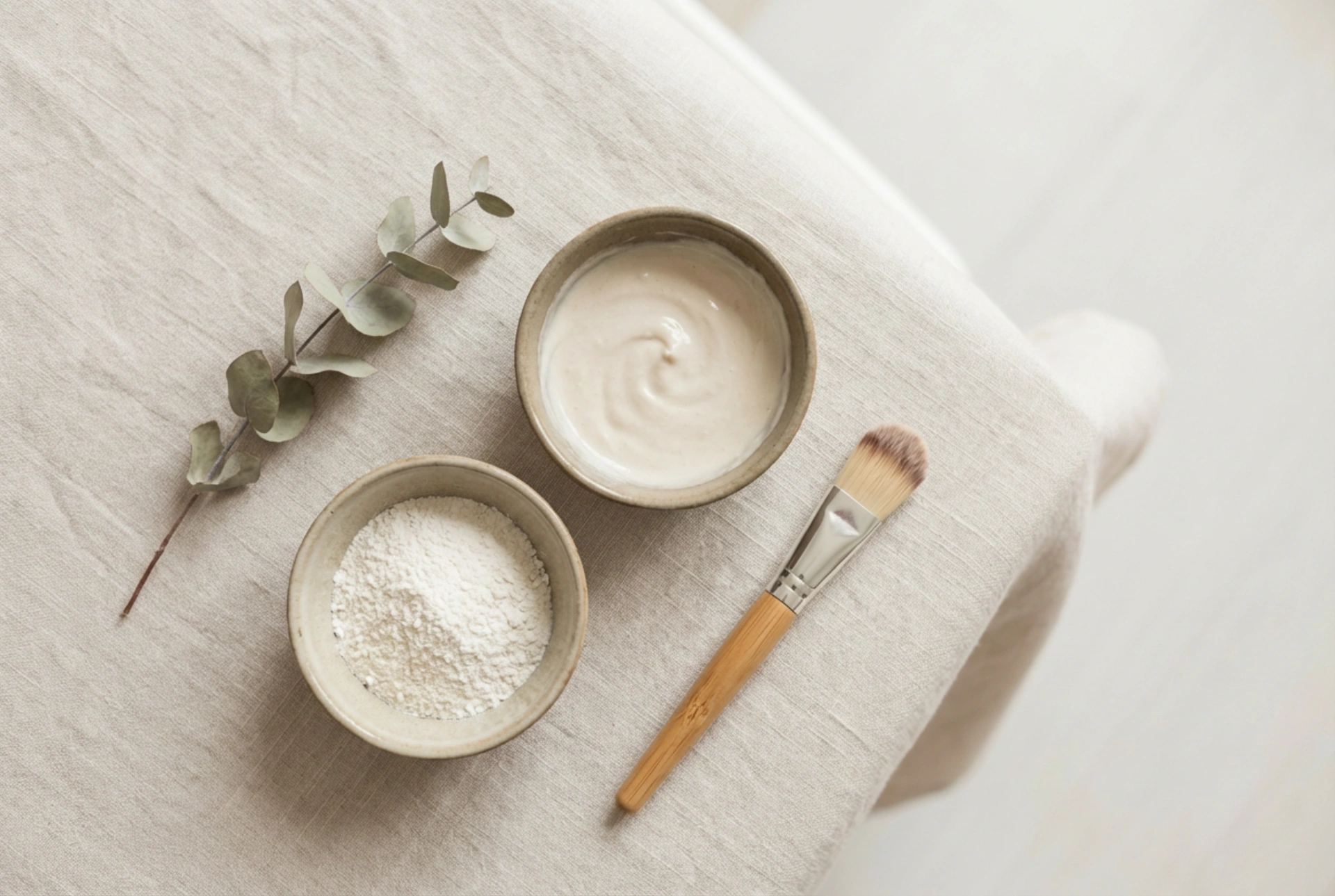
Creating your own rice mask is incredibly easy and requires only a few basic ingredients. The key is to achieve a smooth, paste-like consistency that is easy to spread on the face and will not drip.
Basic Recipe
This foundational recipe is suitable for most skin types and can be customised with other ingredients.
- Ingredients: 3 tablespoons of finely ground rice flour (you can make your own by grinding uncooked rice in a clean coffee grinder) and 2-3 tablespoons of water or milk.
- Step 1: Place the rice flour in a small, clean bowl.
- Step 2: Slowly add the liquid (water or milk) to the flour, stirring continuously with a spoon or a small whisk.
- Step 3: Mix until you have a completely smooth paste, free of lumps. The consistency should be similar to thick yoghurt. If it's too thick, add a few more drops of liquid. If it's too runny, add a little more rice flour.
Optional Additions for Enhanced Care
You can enhance your basic mask with other natural ingredients to better suit your skin's current needs.
- For extra hydration: Add one teaspoon of honey to the mixture. Honey is a natural humectant, meaning it helps draw moisture to the skin, leaving it feeling soft and supple.
- For a soothing effect: Add one teaspoon of cooled green tea instead of some of the water. Green tea is known for its calming properties and can be a wonderful addition for skin that feels tired or stressed.
- For a richer texture: Add a teaspoon of a plain, natural yoghurt. The lactic acid in yoghurt provides very gentle exfoliation, while its creamy texture adds moisture.
Application and Removal: A Step-by-Step Guide
Proper application ensures you get the most out of your homemade mask. Always perform a patch test on a small area of your skin 24 hours before applying any new homemade preparation to your entire face.
- Cleanse your face: Start with a clean, dry face. Use your regular cleanser to remove any makeup, dirt, and oil. Pat your skin dry with a soft towel.
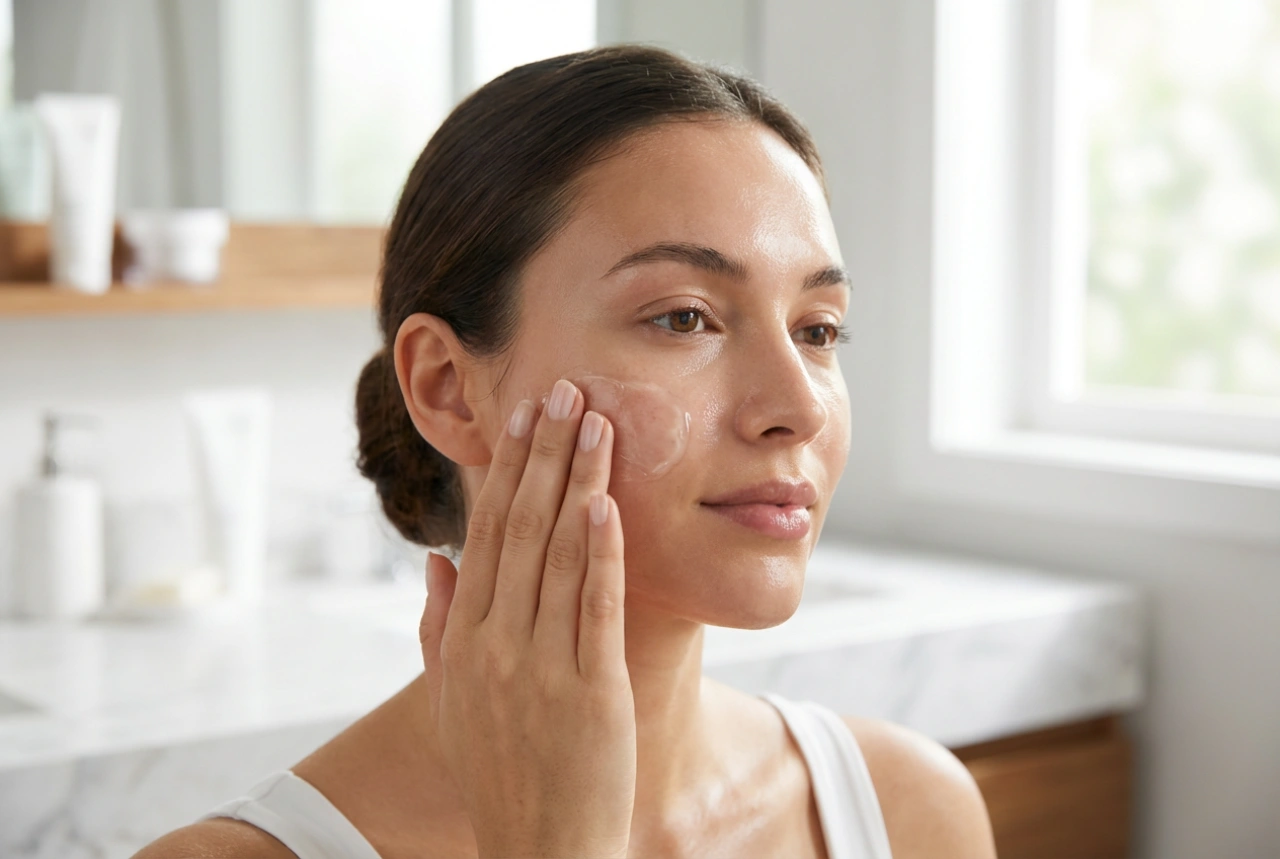
- Apply the mask: Using your fingertips or a clean, soft brush, apply an even layer of the rice mask to your face. Avoid the delicate areas around your eyes and mouth.
- Relax and wait: Let the mask sit on your skin for about 15 to 20 minutes. You may feel it start to tighten as it dries. This is a good time to lie back and relax.
- Rinse off: To remove the mask, do not scrub it off while it is completely dry. Instead, wet your fingertips with lukewarm water and gently massage your face in circular motions. This will loosen the mask and provide a final, gentle exfoliation. Continue rinsing with lukewarm water until all traces of the mask are gone.
- Follow up: Pat your face dry and apply your favourite serum and moisturiser to lock in hydration.
How Often Should You Use a Rice Mask?
A homemade rice mask is gentle enough for regular use, but moderation is key. For most skin types, using the mask once or twice a week is sufficient to help maintain a smooth and radiant appearance without over-exfoliating. Listen to your skin; if you notice any signs of dryness or irritation, reduce the frequency. Consistency over time is more effective than frequent, intensive treatments. Integrating this simple ritual into your weekly routine can be a wonderful way to dedicate time to self-care and promote healthy-looking skin.