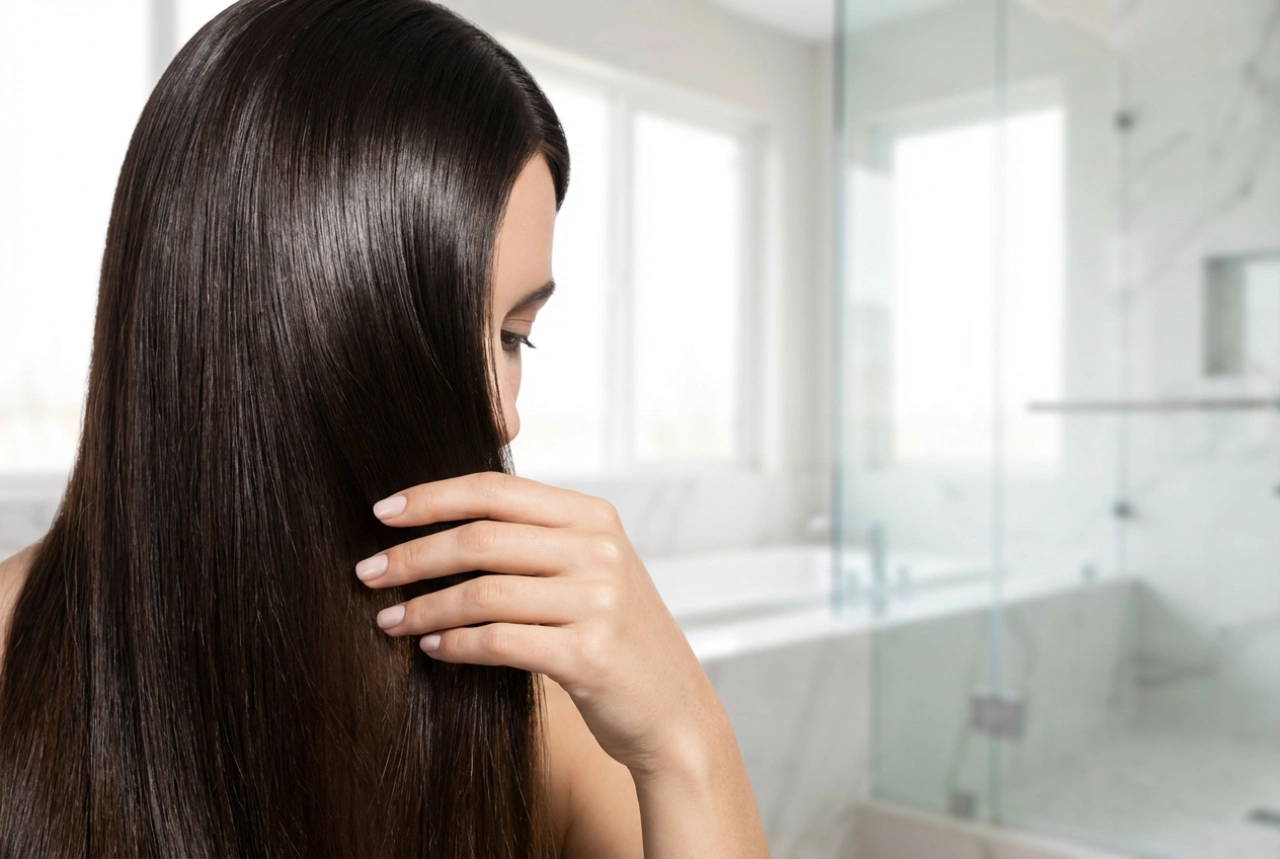


Achieving sleek, glossy, and perfectly straight hair is a common beauty goal, and modern styling tools have made it more accessible than ever. Among the latest innovations are infrared hair straighteners, which promise effective results with a gentler approach. Unlike traditional straighteners that heat the hair's surface, this technology works differently to minimise potential damage and enhance shine. Understanding how it functions and adopting safe styling practices are key to keeping your hair healthy while enjoying a beautifully smooth finish.
What is an Infrared Hair Straightener?
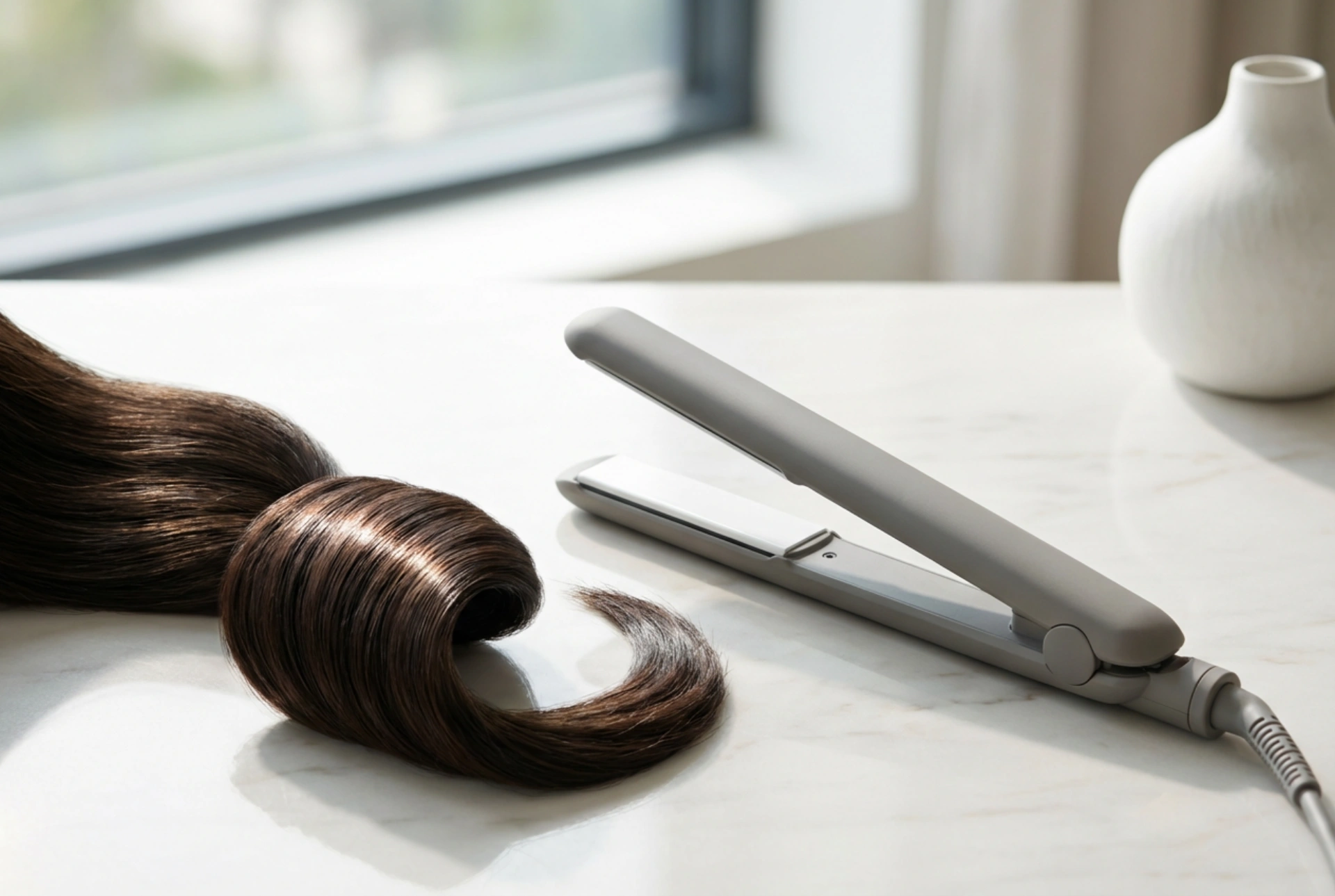
An infrared hair straightener is a styling tool that uses a specific type of electromagnetic radiation—infrared rays—to heat the hair. While traditional straighteners rely on heated plates that transfer thermal energy directly to the hair's outer cuticle, infrared technology takes a different path. The plates on these tools emit far-infrared wavelengths that penetrate deeper into the hair structure, heating it gently and evenly from the inside out. This fundamental difference in how heat is delivered is what sets this technology apart and provides its unique benefits.
How Does Infrared Technology Work on Hair?
When you clamp an infrared straightener onto a section of hair, the rays permeate the hair cortex without having to overheat the outer layer. This internal heating method helps to preserve the hair's natural moisture, which is often stripped away by conventional high-heat tools. By heating the hair shaft uniformly, it reduces the risk of 'hot spots' that can cause damage, breakage, and dryness. The result is a smoother, more lustrous finish, as the sealed-in moisture reflects light, giving the hair a healthy, radiant sheen. This method also helps to seal the hair cuticle, reducing frizz and protecting it from environmental humidity.
The Key Benefits of Using an Infrared Straightener
Choosing an infrared straightener can offer several advantages for your hair's health and appearance. The unique heating mechanism provides a more considerate way to style, which is particularly beneficial for those who regularly use heat tools.
- Gentler on Hair: By heating from within, the tool minimises direct, intense heat on the fragile outer cuticle. This can lead to less surface damage, fewer split ends, and overall healthier-looking hair over time.
- Moisture Retention: Infrared heat helps to lock in the hair's natural hydration. This prevents the dry, brittle feeling that can sometimes result from heat styling and contributes to a softer, more supple texture.
- Faster and More Efficient Styling: The deep-penetrating heat works efficiently, often requiring fewer passes to achieve the desired straightness. This not only saves time but also reduces the hair's total exposure to heat.
- Longer-Lasting Results: Because the style is set from deep within the hair shaft and the cuticle is effectively sealed, straightened styles tend to hold up better against humidity and last longer throughout the day.
- Suitable for Various Hair Types: This technology is adaptable. For fine or delicate hair, it offers a gentler option. For thick or coarse hair, its efficient heating can effectively smooth the texture without excessive passes.
A Guide to Safe Hair Straightening
Regardless of the tool you use, proper technique is essential for protecting your hair from damage. Following a few simple steps will ensure you get the best results while prioritising your hair's health.
Preparation is Key
Always begin with hair that is 100% dry and clean. Using a straightener on damp or wet hair can boil the water within the hair shaft, causing irreversible damage. Before applying any heat, generously spritz a quality heat protectant spray from roots to ends and comb it through to ensure even distribution. This product creates a protective barrier between your hair and the hot plates, significantly reducing the risk of heat damage.
Choosing the Right Temperature
One of the biggest mistakes in heat styling is using a temperature that is too high for your hair type. Start with the lowest effective setting and only increase it if necessary. For fine, colour-treated, or fragile hair, a lower temperature (around 150-170°C) is usually sufficient. Medium or normal hair can typically handle temperatures in the range of 170-190°C. For very thick, coarse, or resistant hair, you might need to go higher, but try to stay below 210°C to avoid damage.
The Correct Straightening Technique
To ensure even and efficient styling, divide your hair into manageable sections using clips. Work with small sections, about 1-2 inches wide. Place the straightener close to the roots and glide it down the hair shaft in one smooth, continuous motion. Do not pause or hold the straightener in one spot, as this concentrates heat and can cause damage. With an effective tool like an infrared straightener, a single pass should be enough for most hair types.
Aftercare for Straightened Hair
Once you have finished styling, your aftercare routine is just as important. Allow your hair to cool down completely before touching it or brushing it. This helps the style to set properly. Once cool, you can apply a small amount of anti-frizz serum or a lightweight hair oil to the mid-lengths and ends. This will add extra shine, tame any flyaways, and provide a polished, smooth finish. To help maintain your style for longer, consider sleeping on a silk or satin pillowcase, which reduces friction and helps prevent frizz and kinks from forming overnight.