

Long hair offers a fantastic canvas for creativity, allowing for a multitude of styles that can transform your look from everyday casual to exceptionally elegant. The beauty of having long tresses lies in their versatility, whether you prefer them flowing freely or styled into an intricate updo. Mastering a few key techniques can unlock a world of hairstyling possibilities, enabling you to create stunning looks for any occasion right from the comfort of your home. This guide explores classic and contemporary styles, from sophisticated buns to glamorous waves and artistic braids.
The Timeless Elegance of Buns
The bun is a quintessential updo, celebrated for its simplicity and sophistication. It can be adapted to suit any event, from a professional meeting to a formal gala. The key is in the placement and finish.
The Sleek High Bun
A high bun, positioned at the crown of the head, creates a polished and striking silhouette. It's a style that exudes confidence and poise. To achieve this look, start by gathering your hair into a high ponytail, ensuring it's smooth and free of bumps. You can use a brush to smooth the hair as you gather it. Secure the ponytail tightly with a hair tie. Next, twist the ponytail around its base, coiling it into a bun shape. Secure the bun with bobby pins, tucking them underneath to keep them hidden. For an extra sleek finish, you can use a fine-mist hairspray to tame any flyaways.
The Romantic Low Bun
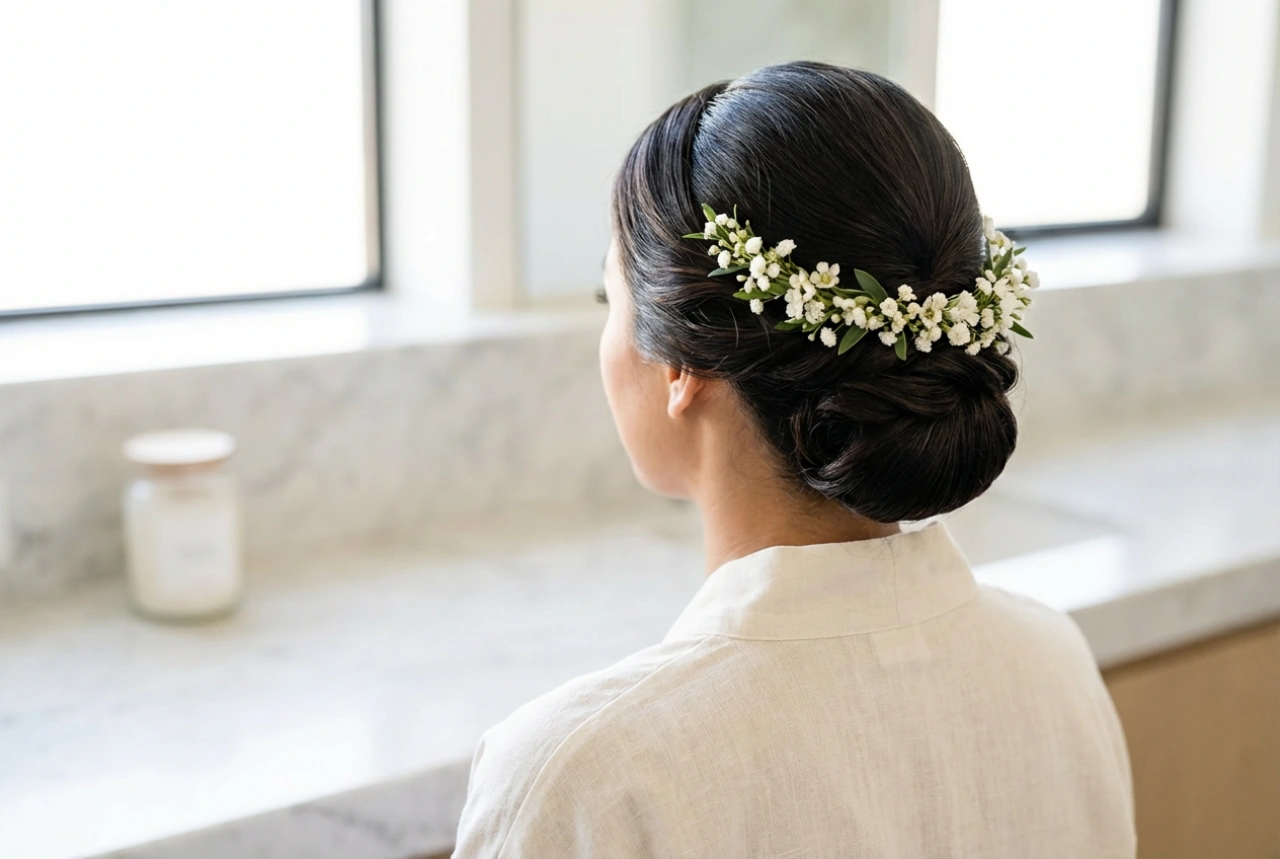
For a softer, more romantic feel, the low bun is an excellent choice. It can be positioned at the nape of the neck or slightly to one side. This style works beautifully with a few loose tendrils framing the face. To create it, loosely gather your hair at the back of your neck. You can create a simple ponytail first or directly twist the hair. For a fuller look, gently tease the ponytail before twisting it into a bun. Pin it in place, allowing for a slightly less structured finish. Pull out a few small sections of hair around your face and ears to enhance the soft, effortless aesthetic.
Channeling Old-School Glamour with Hollywood Waves
Hollywood waves are characterised by their deep, uniform 'S' shape and incredible shine. This style is perfect for making a statement and adding a touch of vintage glamour to your appearance. While it looks complex, it can be achieved with the right tools and technique.
Creating the Signature Wave
The key to Hollywood waves is creating a consistent wave pattern. You can use a large-barrel curling tong or a hair straightener. Start with clean, dry hair and apply a heat protectant. Divide your hair into sections. Take a section of hair, about two inches wide, and wrap it around the curling tong. Ensure you wrap all sections in the same direction. Hold for a few seconds before releasing. An alternative method with a straightener involves clamping the hair near the root, turning the straightener 180 degrees, and gliding it down the hair shaft, creating a smooth curl. Repeat this process for all sections, always curling in the same direction.
Setting and Finishing
Once all your hair is curled, the next step is crucial for creating the 'wave' effect. Let the curls cool down completely. Then, use a soft-bristle brush or a wide-tooth comb to gently brush through the curls. This will cause the individual curls to merge into a seamless, flowing wave. You can use clips to help define the 'S' shape of the waves as they set. Place the clips in the hollows of the waves and leave them in for a few minutes. Finish with a light-hold hairspray or a shine serum to add lustre and keep the style in place without making it stiff.
The Artistry of Braids and Weaves
Braids are not just for schoolyards; they are a sophisticated and versatile element in modern hairstyling. From simple plaits to complex weaves, they add texture, interest, and a touch of bohemian or classic charm to any look.
Classic Braiding Techniques
Two foundational braids are the French braid and the Dutch braid. A French braid is created by crossing the side strands over the middle strand, incorporating new hair into each side strand as you go. This creates a smooth, flat braid that lies against the head. The Dutch braid, often called a 'reverse French braid', involves crossing the side strands under the middle strand. This technique makes the braid pop out from the scalp, giving it a more prominent, 3D effect.
The Intricate Fishtail Braid
The fishtail braid looks incredibly intricate but is surprisingly simple to create. Divide your hair into two large sections. Take a small piece of hair from the outside of one section, cross it over the top, and add it to the inside of the other section. Then, repeat on the opposite side. Continue this pattern all the way down the length of your hair. For a more relaxed, bohemian look, you can gently pull on the sides of the finished braid to 'pancake' it, making it appear thicker and more textured.
Combining Braids with Updos
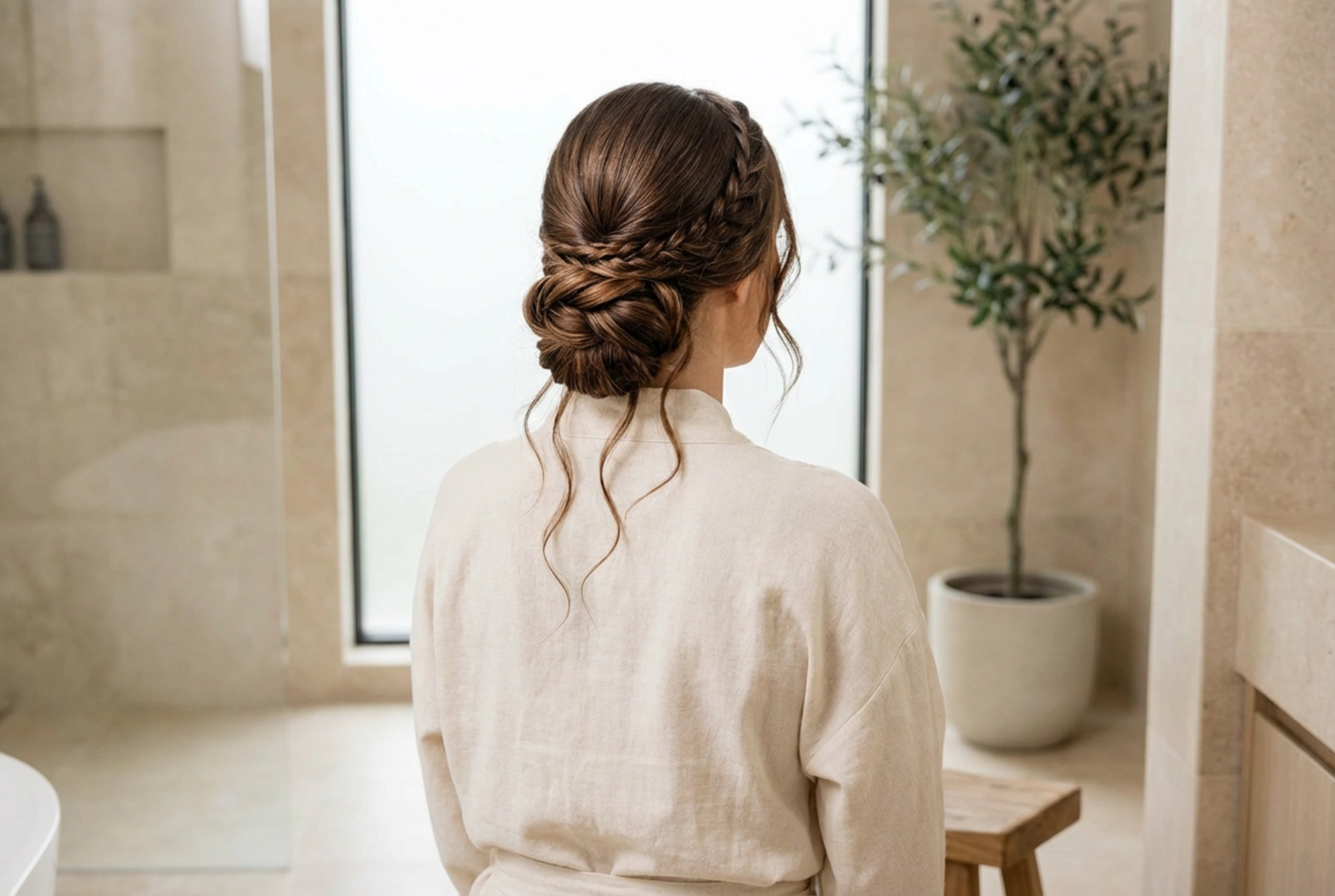
Braids can be beautifully integrated into other styles. Try creating a French braid on one side of your head and gathering the rest of your hair into a side bun. Another idea is to create a 'braided crown' by making two braids and pinning them across the top of your head. You can also braid your ponytail before twisting it into a bun to add beautiful texture and detail to a classic updo.
Essential Tips for Healthy Styling
Maintaining the health of your long hair is paramount to achieving beautiful styles. Healthy hair is more manageable, holds styles better, and has a natural shine.
Preparation is Key
Always start with hair that is properly cleansed and conditioned for your hair type. Before using any heat styling tools, a heat protectant spray or cream is non-negotiable. It creates a barrier between your hair and the heat, minimising potential damage. For updos that require more grip, styling on second-day hair can often be easier than on freshly washed, slippery hair.
Using the Right Tools
Invest in good quality tools. A mix of bobby pins and U-shaped hairpins can help secure updos more effectively. Clear elastics are great for discreetly tying off braids or small sections. A soft-bristle brush is ideal for smoothing hair into ponytails and buns, while a wide-tooth comb is best for detangling wet hair or brushing out waves.