

Deciding to grow out a short haircut is the beginning of a journey that requires both patience and creativity. While the prospect of long locks is exciting, the process can involve some challenging in-between stages. The key to a successful transition lies in smart styling, strategic trims, and excellent hair care. Instead of hiding your hair for months, you can learn to embrace and style it at every length, turning the dreaded 'awkward phase' into an opportunity for experimentation. This guide will walk you through the process, helping you manage your hair as it grows from short to medium length.
The Initial Phase: From Cropped to Chin-Length
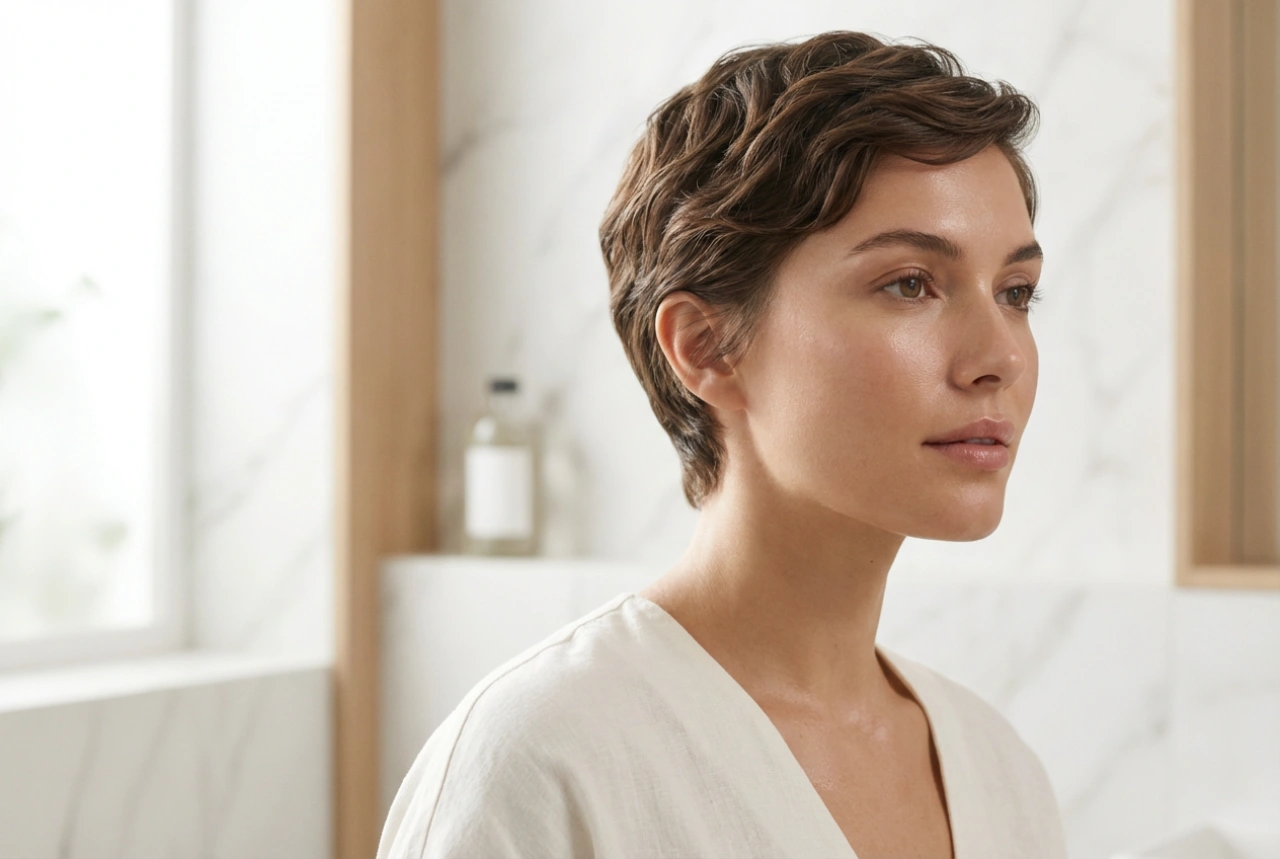
The very first stage of growing out a short cut, like a pixie, can be the most testing. The different sections of your hair will grow at different rates, which can lead to an unbalanced shape. The primary goal during this time is to allow the top layers to catch up with the sides and back.
- Strategic Trims are Key: It may seem counterintuitive, but getting regular trims is crucial. Ask your stylist to trim the nape and around the ears while leaving the top layers to grow. This helps prevent the dreaded 'mullet' shape and maintains a clean, intentional style, slowly guiding your hair towards a bob shape.
- Embrace Styling Products: Texture is your best friend. Use texturising sprays, waxes, or pomades to create definition and volume. These products can help you shape your hair, manage unruly pieces, and create a stylish, piecey look.
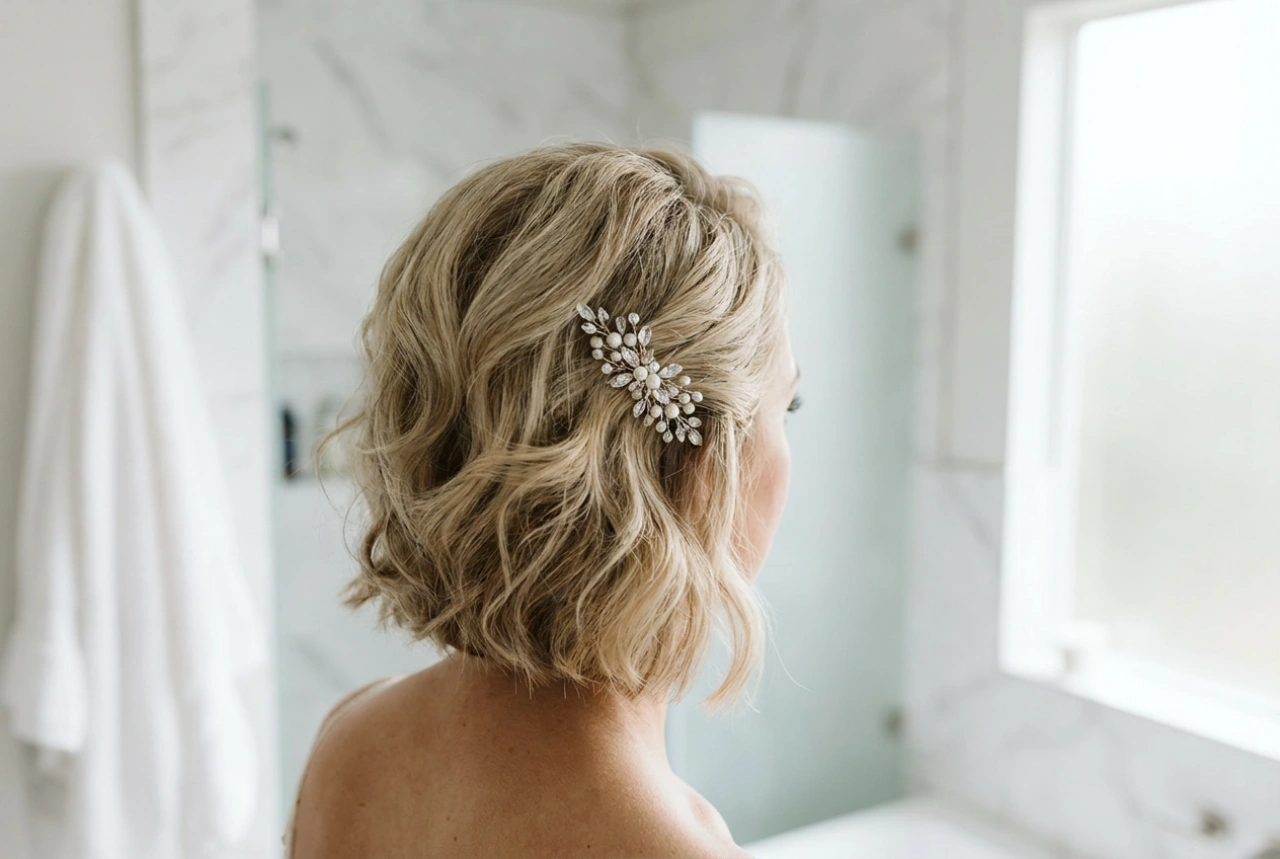
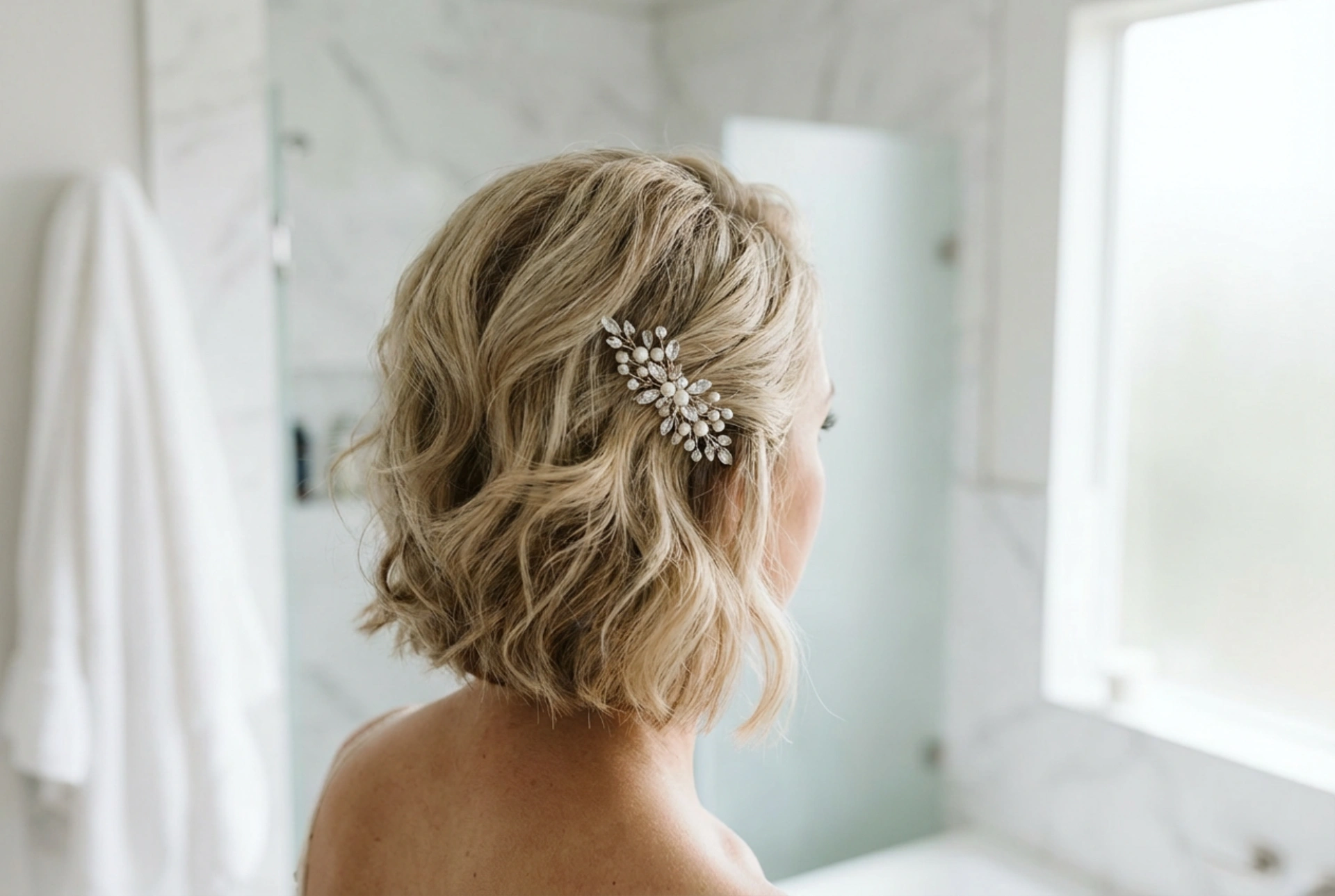
- Accessorise Creatively: Headbands, clips, barrettes, and even silk scarves can be lifesavers. They are perfect for pinning back sections that are not yet long enough to be tied up and can add a touch of elegance or fun to your look.
Navigating the Awkward Stage with Style
The 'awkward stage' typically occurs when your hair is too long to be considered a pixie but too short to tie into a ponytail. It’s that in-between length that can feel unmanageable. However, with a few styling tricks, you can navigate this phase with confidence.
Experiment with Your Parting
Simply changing your hair parting can dramatically alter your look. A deep side part can create the illusion of volume and sweep hair across your forehead, elegantly disguising uneven lengths. A centre parting can work well as the hair gets closer to a bob, creating a sleek and modern look.
Play with Texture
This is the perfect time to experiment with your hair's natural texture or create new ones. If your hair is naturally wavy, use a sea salt spray to enhance it for a beachy, effortless vibe. If it's straight, you can use a flat iron to create soft waves or a perfectly sleek, tucked-behind-the-ears style. A slicked-back look, achieved with a strong-hold gel or mousse, is another chic option that keeps all hair neatly away from the face.
Styling Tricks for Emerging Medium Lengths
As your hair passes your chin and approaches your shoulders, your styling possibilities expand significantly. You've successfully navigated the most difficult parts of the journey, and now you can enjoy more versatility.
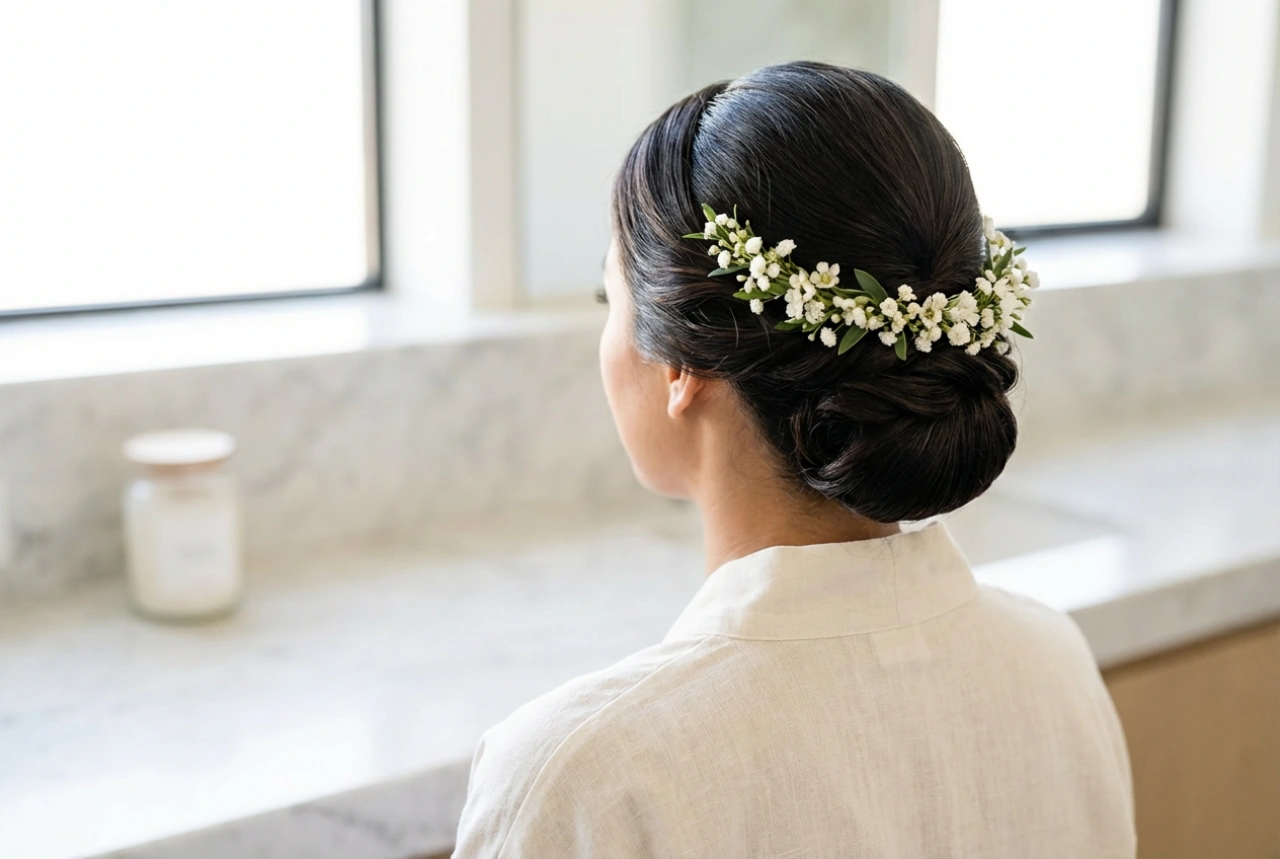
- The Mini Ponytail or Bun: You might not have enough length for a high ponytail, but a low pony at the nape of the neck is a chic and professional option. A low, messy bun is another easy and stylish choice. Let a few strands fall around your face for a softer look.
- Half-Up, Half-Down: This classic style is perfect for medium-length hair. It keeps hair out of your face while showcasing the length you've worked so hard to achieve. You can secure the top section with a clip, elastic, or even twist it into a small top knot.
- Braids and Twists: Even small sections of hair can be braided or twisted. A small braid along your hairline or twisting back the side sections can add intricate detail and keep flyaways under control.
Essential Hair Care for Healthy Growth
While clever styling gets you through the day, a solid hair care routine is what ensures your hair grows out strong and healthy. Damaged, brittle hair is more prone to breakage, which will only slow down your progress.
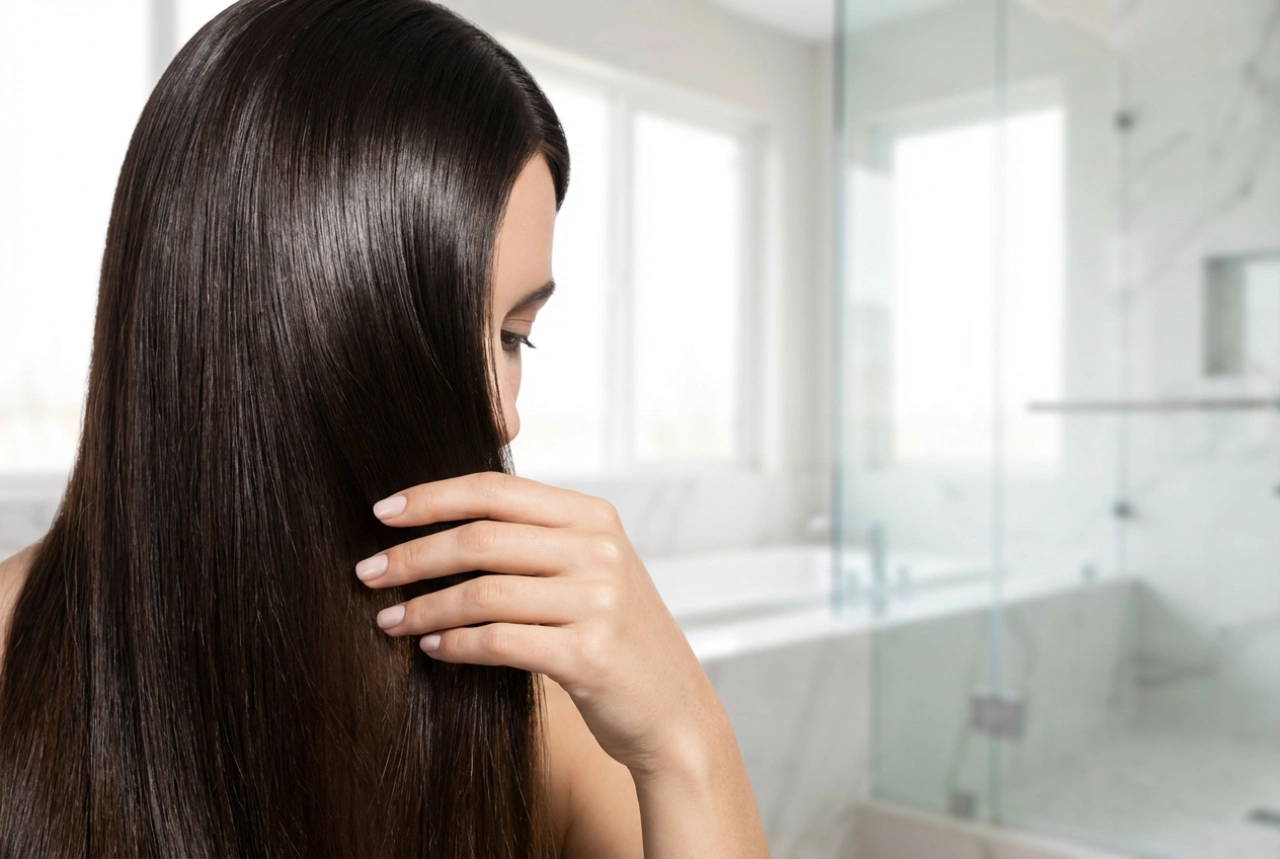
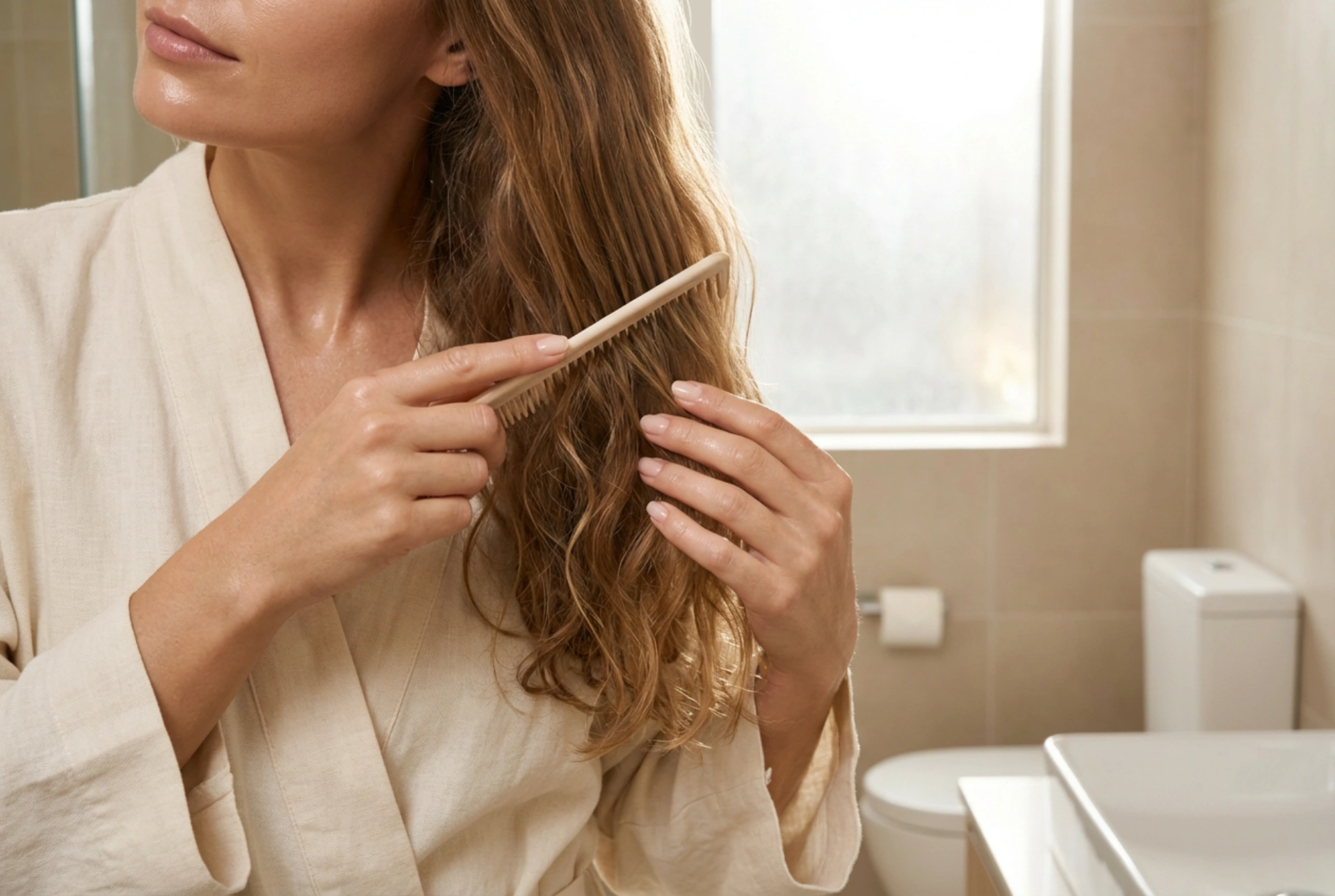
Focus on a gentle care routine. Use a sulphate-free shampoo to cleanse your scalp and hair without stripping natural oils. Always follow up with a hydrating conditioner, concentrating on the mid-lengths and ends. Once a week, treat your hair to a deep conditioning mask to replenish moisture and improve elasticity. To promote a healthy scalp, which is the foundation for hair growth, incorporate regular scalp massages to stimulate blood flow. Finally, protect your ends from split ends and breakage by applying a small amount of hair oil or serum daily and minimising heat styling whenever possible.