

Achieving soft, smooth feet is a cornerstone of a complete self-care routine. While often hidden away, our feet bear our weight all day, and this constant pressure can lead to hard, calloused skin. A gentle, modern approach to foot care, focusing on safe exfoliation and deep nourishment, can transform rough skin, leaving your feet feeling comfortable and looking beautiful. This guide will walk you through the steps to safely manage calloused skin at home.
Understanding Why Skin on the Feet Hardens
The development of calluses is a natural protective response. When your feet are subjected to repeated pressure and friction—from ill-fitting shoes, standing for long periods, or certain physical activities—the skin thickens to protect the underlying tissues. While this is a normal process, excessive build-up can become uncomfortable and aesthetically displeasing. Other contributing factors include a lack of moisture, which leads to dry, cracked skin, and the natural decrease in skin elasticity as we age.
Safe Exfoliation Techniques for Home Use
The key to removing hard skin is gentle and consistent exfoliation. Aggressive methods can damage the skin and lead to more problems. Always start by preparing your feet for the treatment.
Step 1: The Preparatory Foot Soak
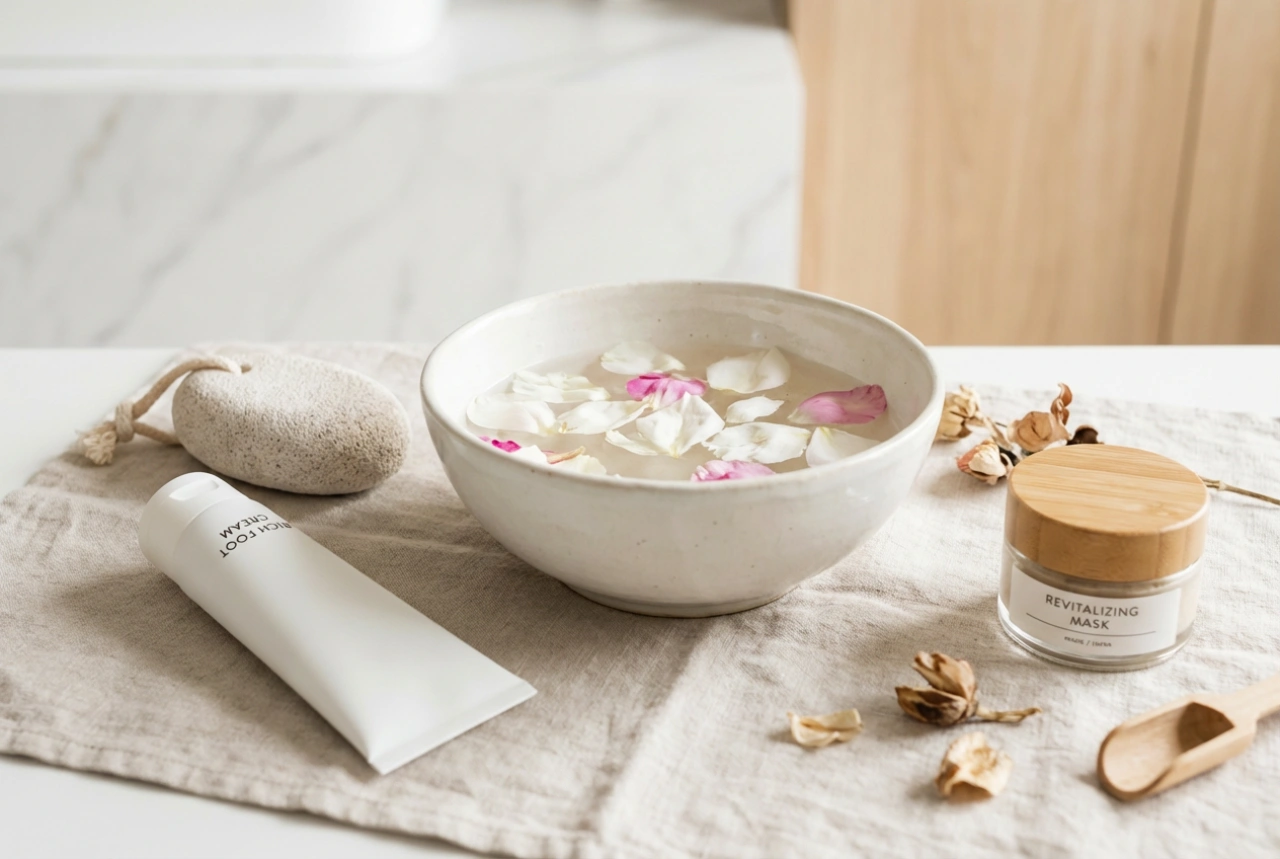
Begin by soaking your feet in warm water for 10-15 minutes. This is a crucial step as it softens the tough outer layers of the skin, making them much easier and safer to remove. You can enhance your foot bath by adding Epsom salts, which can help soothe tired feet, or a few drops of a gentle, hydrating bath oil. Avoid using water that is too hot, as this can strip the skin of its natural oils and lead to further dryness.
Step 2: Gentle Manual Exfoliation
Once the skin is softened, you can proceed with one of the following manual exfoliation methods. Remember to be gentle and never try to remove all the hard skin in one session.
- Pumice Stone: This natural lava rock is a classic tool for foot care. After soaking, gently rub the stone over the calloused areas using circular or sideways motions. Apply light pressure and let the texture of the stone do the work. Rinse your foot and the stone periodically.
- Foot File: A manual foot file is another effective option. Use it on slightly damp or dry (but softened) skin. File in one direction, avoiding a harsh back-and-forth sawing motion, which can tear the skin. Focus only on the thickened areas.
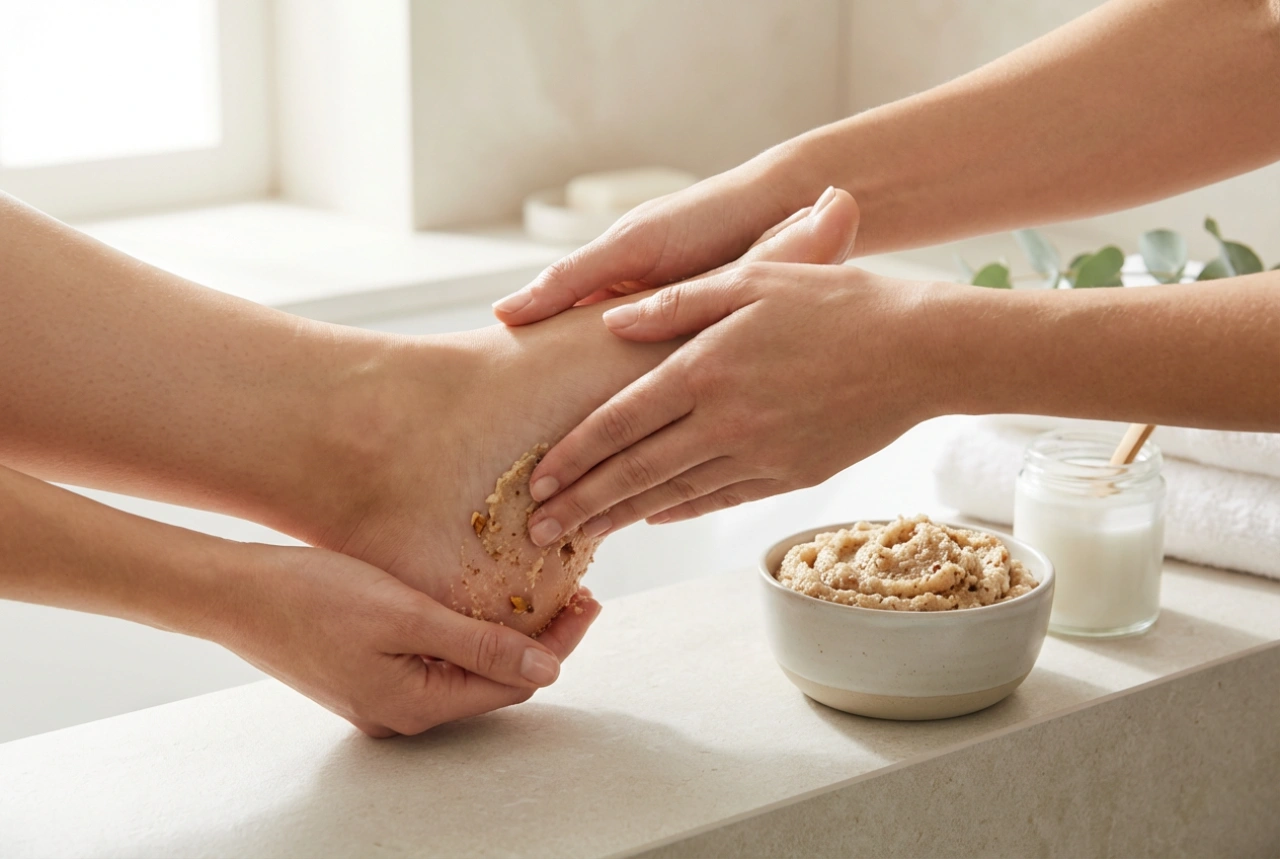
- Exfoliating Scrub: A foot scrub containing natural abrasives like sugar, salt, or ground coffee can help polish the skin and remove milder areas of roughness. Massage the scrub into damp skin, paying special attention to heels and the balls of your feet, then rinse thoroughly.
It is vital to stop if you feel any pain or irritation. The goal is gradual improvement, not immediate removal.
The Crucial Role of Deep Moisturisation
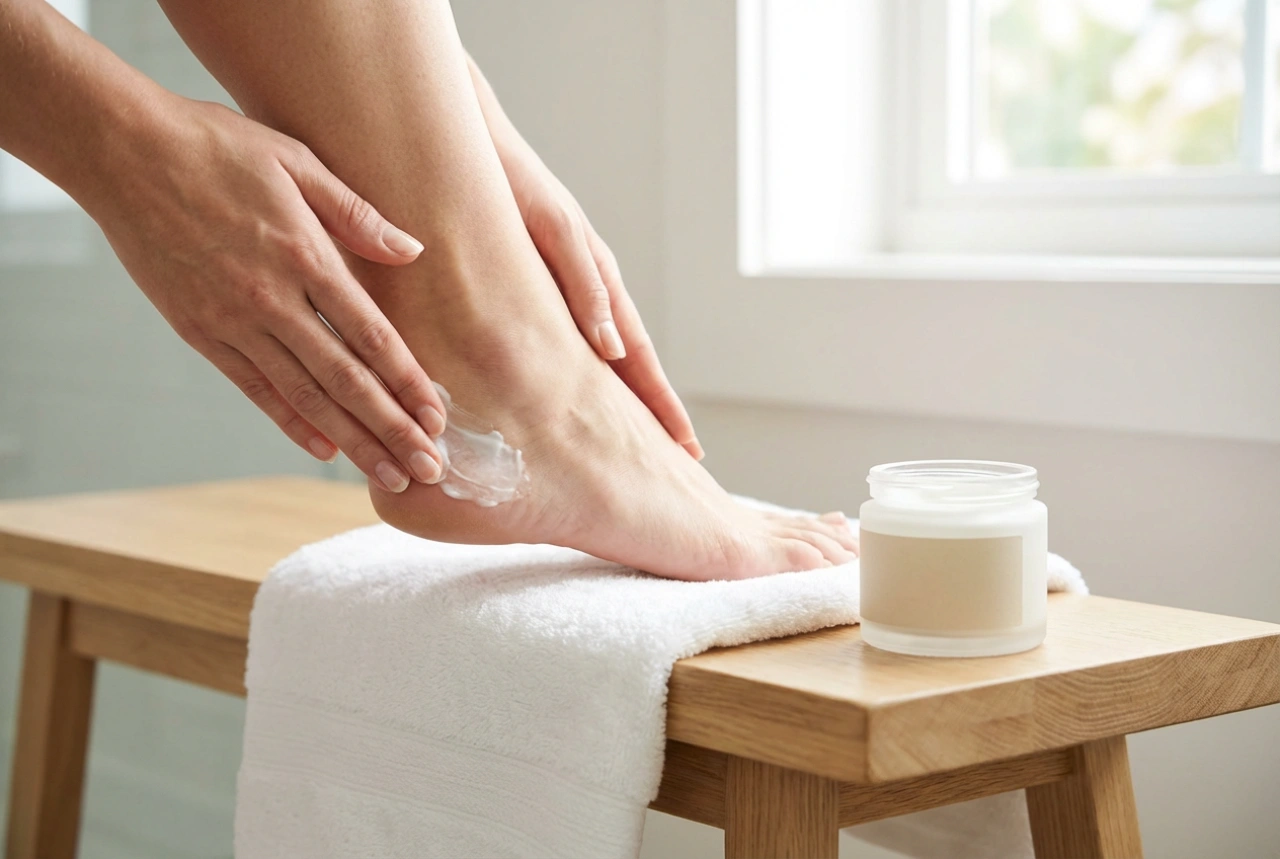
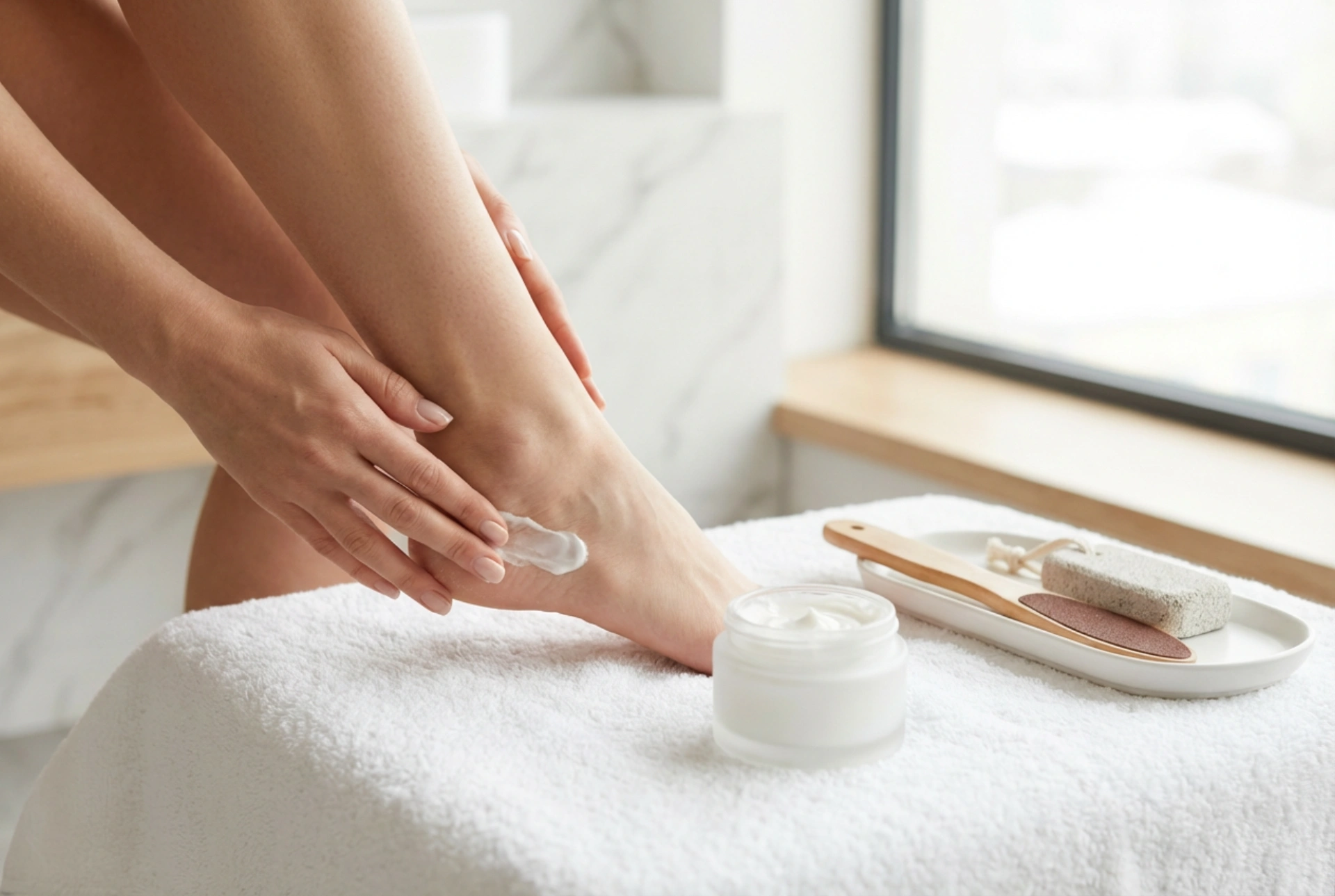
Exfoliation is only half the process. To keep your feet soft and prevent calluses from quickly returning, you must follow up with deep moisturisation. Freshly exfoliated skin is more receptive to hydrating ingredients.
Choosing the Right Ingredients
Look for foot creams specifically formulated for very dry, thick skin. These often contain powerful ingredients that help to both hydrate and gently break down hard skin over time. Key ingredients to look for include:
- Urea: An excellent humectant and keratolytic agent, meaning it both draws moisture into the skin and helps to dissolve the protein that holds thick, dead skin cells together.
- Lactic Acid or Glycolic Acid (AHAs): These alpha-hydroxy acids provide a gentle chemical exfoliation, promoting cell turnover and revealing softer skin underneath.
- Shea Butter, Cocoa Butter, and Natural Oils: These emollients provide intense hydration and create a protective barrier on the skin to lock in moisture and prevent water loss.
- Glycerin and Hyaluronic Acid: Powerful humectants that attract and hold water in the skin, keeping it plump and hydrated.
An Intensive Overnight Treatment
For an extra boost of hydration, try an overnight treatment once or twice a week. Apply a thick, generous layer of your chosen foot cream to your feet just before bed. Then, pull on a pair of clean cotton socks. The socks help to lock in the cream, allowing it to penetrate deeply into the skin while you sleep. You'll wake up to noticeably softer feet.
Establishing a Consistent Care Routine for Prevention
The secret to long-lasting soft feet is consistency. A daily and weekly routine will help maintain your results and prevent severe callus build-up.
- Daily: Wash and dry your feet thoroughly, especially between the toes. Apply a good quality foot cream every day, preferably in the evening.
- Weekly: Dedicate time for a full foot care session. Perform a foot soak followed by gentle exfoliation of any rough patches. Finish with an intensive moisturising treatment.
- General Prevention: Wear comfortable, well-fitting shoes that don't pinch or rub. Alternate your footwear to avoid constant pressure on the same spots. Whenever possible, give your feet a chance to rest and elevate them to improve circulation.
By integrating these simple, gentle practices into your regular beauty regimen, you can safely manage calloused skin and enjoy the confidence that comes with having healthy, soft, and well-cared-for feet.