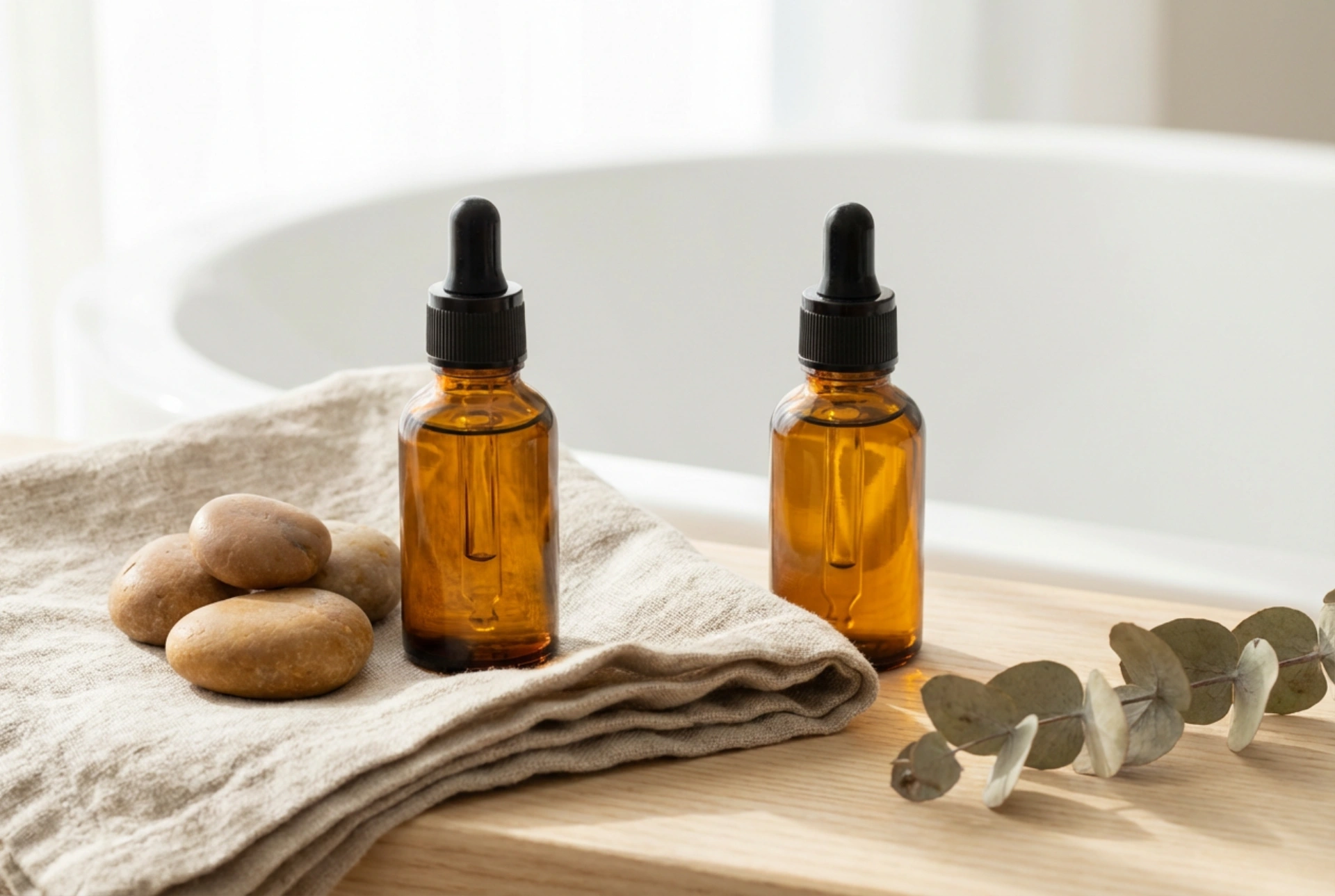


A soothing massage can be a wonderful way to unwind, ease muscle tension, and reconnect with your body. Incorporating a warming massage oil can elevate this experience, creating a comforting sensation of deep relaxation. These oils are specially formulated to generate a gentle heat upon application, enhancing the feeling of comfort and care. However, to fully enjoy their benefits without any unwelcome skin reactions, it's crucial to know how to use them correctly.
Understanding Warming Massage Oils
Warming massage oils derive their unique property from specific natural ingredients that stimulate circulation in the top layers of the skin, which the body perceives as warmth. This is not a chemical heat reaction but rather a sensory one. The sensation can help muscles feel more relaxed and make the massage experience even more pleasant.
Common Warming Ingredients
When you look at the labels of these products, you'll often find a blend of a carrier oil with various essential oils. Common ingredients that provide the warming effect include:
- Ginger extract: Known for its stimulating and warming properties.
- Black pepper oil: Creates a gentle warming sensation and helps to invigorate the skin.
- Cinnamon oil: Offers a sweet, spicy aroma and a noticeable warming effect.
- Camphor and Menthol: While sometimes associated with cooling, in certain formulations they can create a complex warm-cool sensation that many find soothing.
These active ingredients are diluted in a base, or carrier oil, such as sweet almond, jojoba, coconut, or grapeseed oil, which helps to moisturise the skin and allows for a smooth glide during the massage.
How to Choose a Gentle Warming Oil
The key to a positive experience is selecting a product that is compatible with your skin. Since warming ingredients are by nature very active, paying close attention to the formulation is essential. Always read the ingredient list before purchasing. Look for products with simple, recognisable ingredients and high-quality carrier oils. If you have sensitive skin, you might want to start with oils that have a lower concentration of warming agents or are specifically marketed for sensitive skin types.
Understanding your own skin's tendencies is vital. If you know you react to certain plant extracts or fragrances, be sure to avoid oils containing them. Opting for products free from synthetic fragrances, colourants, and harsh preservatives can also reduce the likelihood of a reaction. A good quality oil will feel nourishing, not aggressive, on the skin.
Safe Application: The Key to a Soothing Experience
Once you've chosen your oil, proper application is the next step to ensure a comfortable and irritation-free massage. Never apply a new product all over your body without testing it first.
Always Perform a Patch Test
A patch test is a non-negotiable first step. It helps you determine if your skin will react to the oil before you use it on a larger area. Here's how to do it correctly:
- 1. Choose a small, discreet patch of skin, such as your inner forearm or behind your ear.
- 2. Apply a tiny amount of the warming oil to the area.
- 3. Leave it on for at least 24 hours without washing it off.
- 4. Monitor the area for any signs of irritation, such as redness, itching, swelling, or a rash.
If you notice any adverse reaction, no matter how mild, wash the area thoroughly with soap and water and do not use the product. If your skin shows no reaction, the oil is likely safe for you to use.
Best Practices for Application
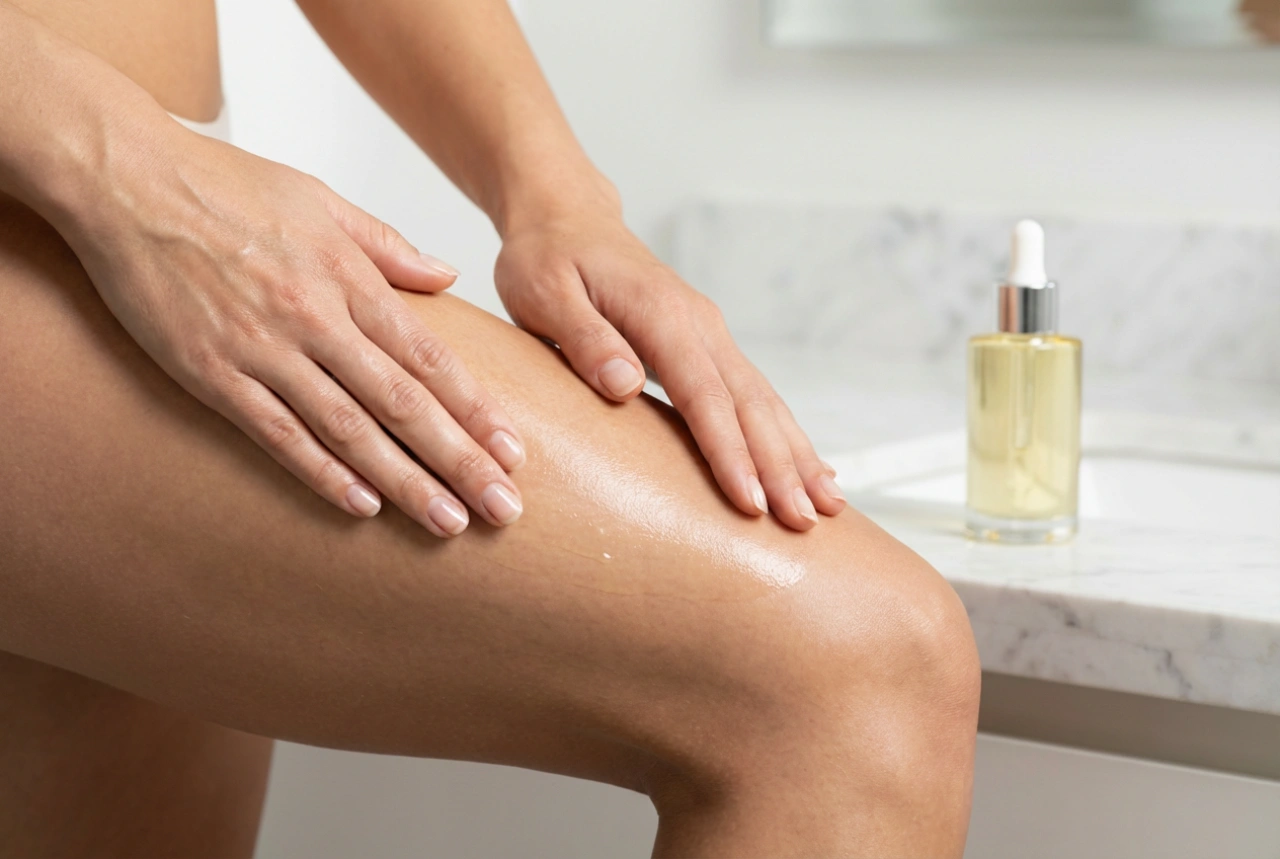
When you're ready for your massage, start with a small amount of oil. You can always add more if needed. Pour the oil into your palms first and rub them together to warm it up to body temperature. This makes the initial contact much more pleasant. Apply the oil using smooth, gentle strokes, spreading it evenly over the desired area. Avoid applying warming oils to the face, broken or inflamed skin, and other particularly sensitive areas of the body. The warming sensation should feel gentle and pleasant, not hot or burning.
Caring for Your Skin After the Massage
Your skin care doesn't end when the massage is over. To keep your skin comfortable, it's helpful to know what to do afterwards. Most high-quality massage oils are designed to be absorbed, leaving the skin soft and hydrated. You can allow the oil to soak in for 15-20 minutes after the massage for maximum moisturising benefits.
If you feel there is excess oil on your skin, you can gently pat it away with a soft, clean towel. It's generally best to avoid taking a very hot shower or bath immediately after using a warming oil, as the hot water can intensify the warming sensation to an uncomfortable level. If you do wish to wash, opt for a lukewarm shower and use a mild body cleanser. This helps to maintain the skin's balance and prevents any potential for irritation from the combined heat of the oil and water. Warming massage oils can be a luxurious addition to your self-care routine, offering enhanced relaxation and comfort. By choosing a suitable product, always performing a patch test, and applying it with care, you can safely enjoy the soothing warmth without fear of skin irritation. Listening to your body and prioritising gentle care are the most important steps in turning a simple massage into a truly restorative ritual.