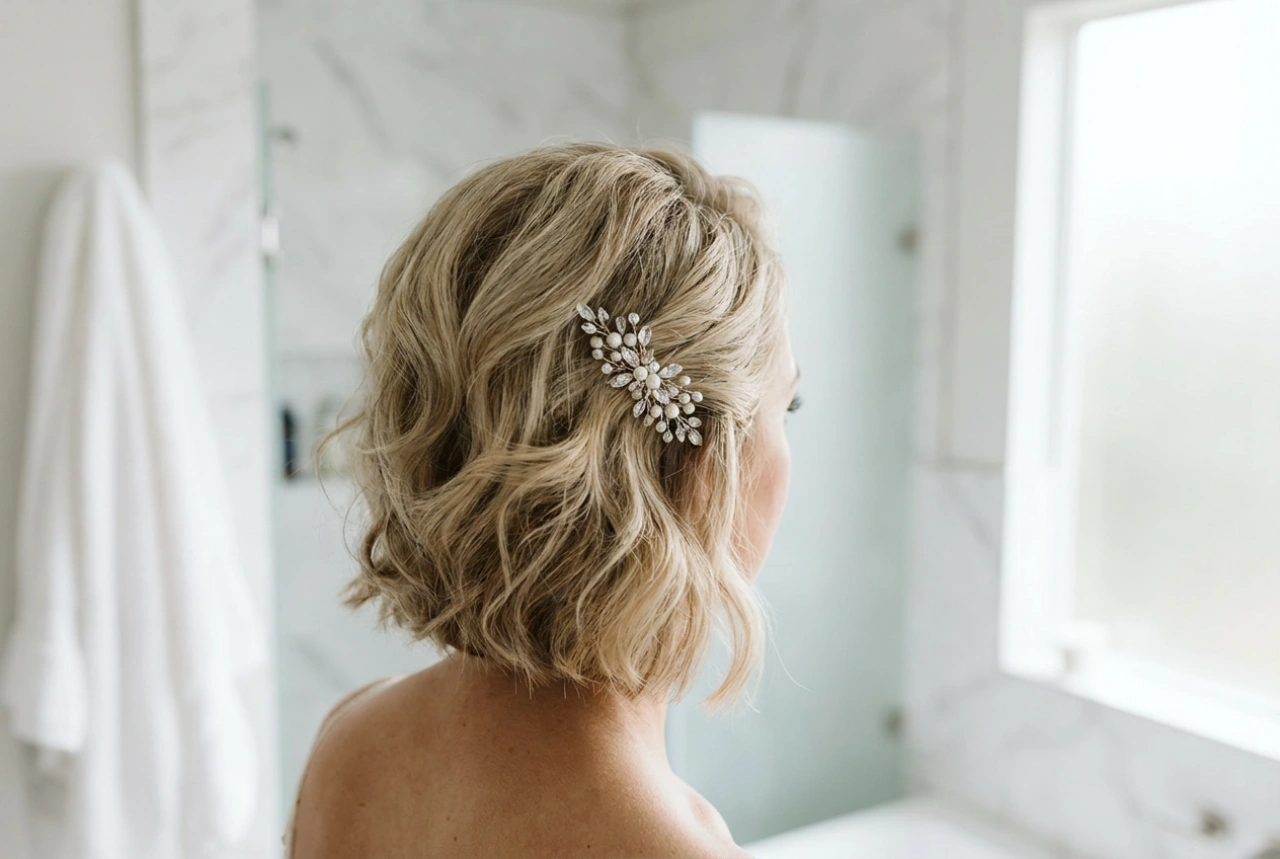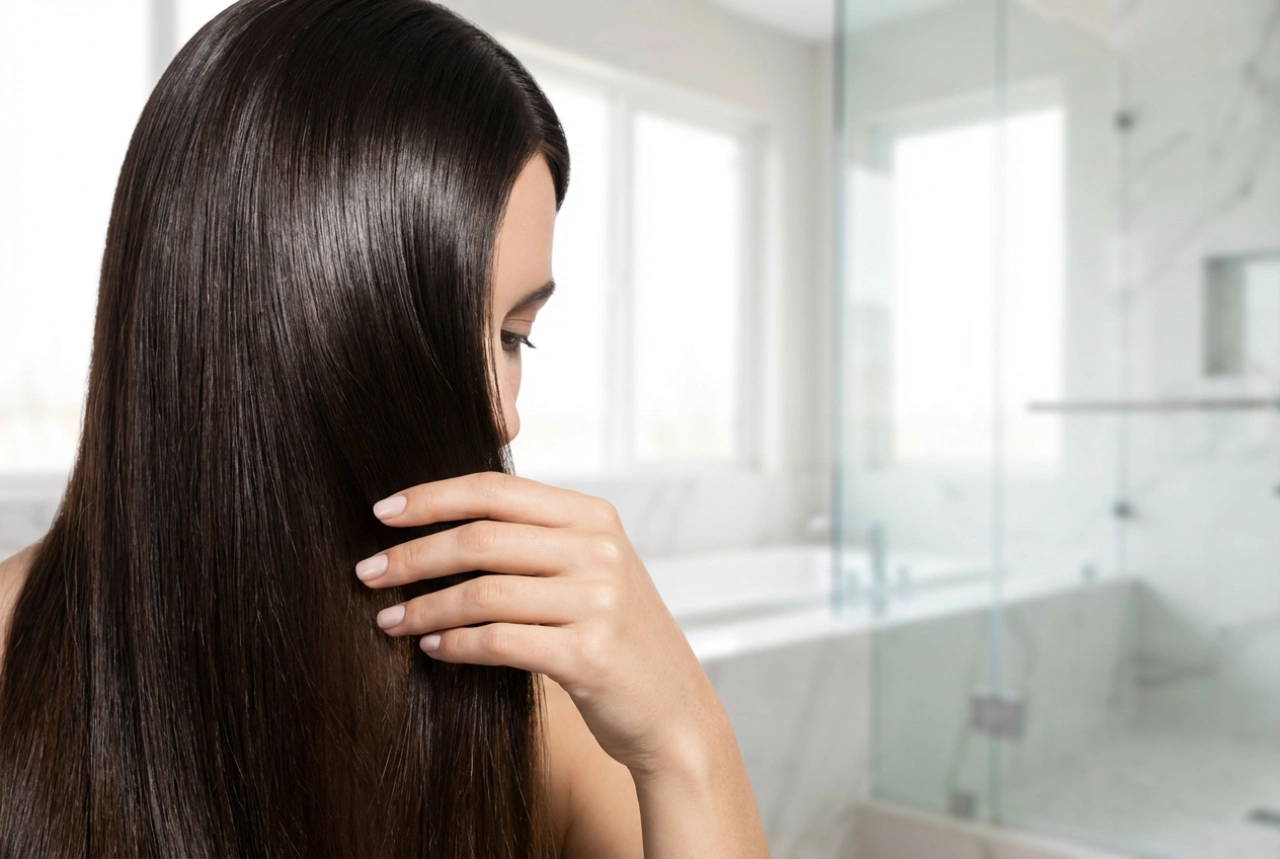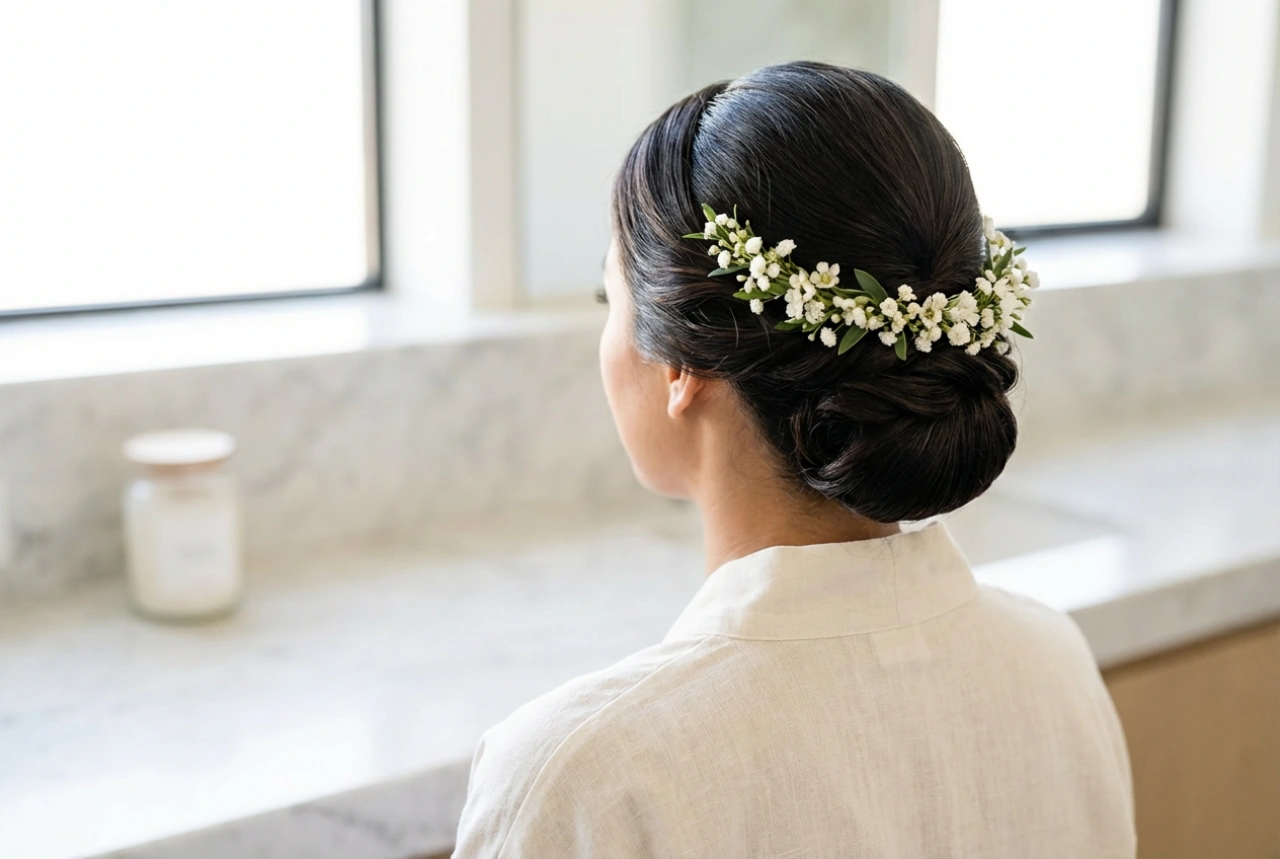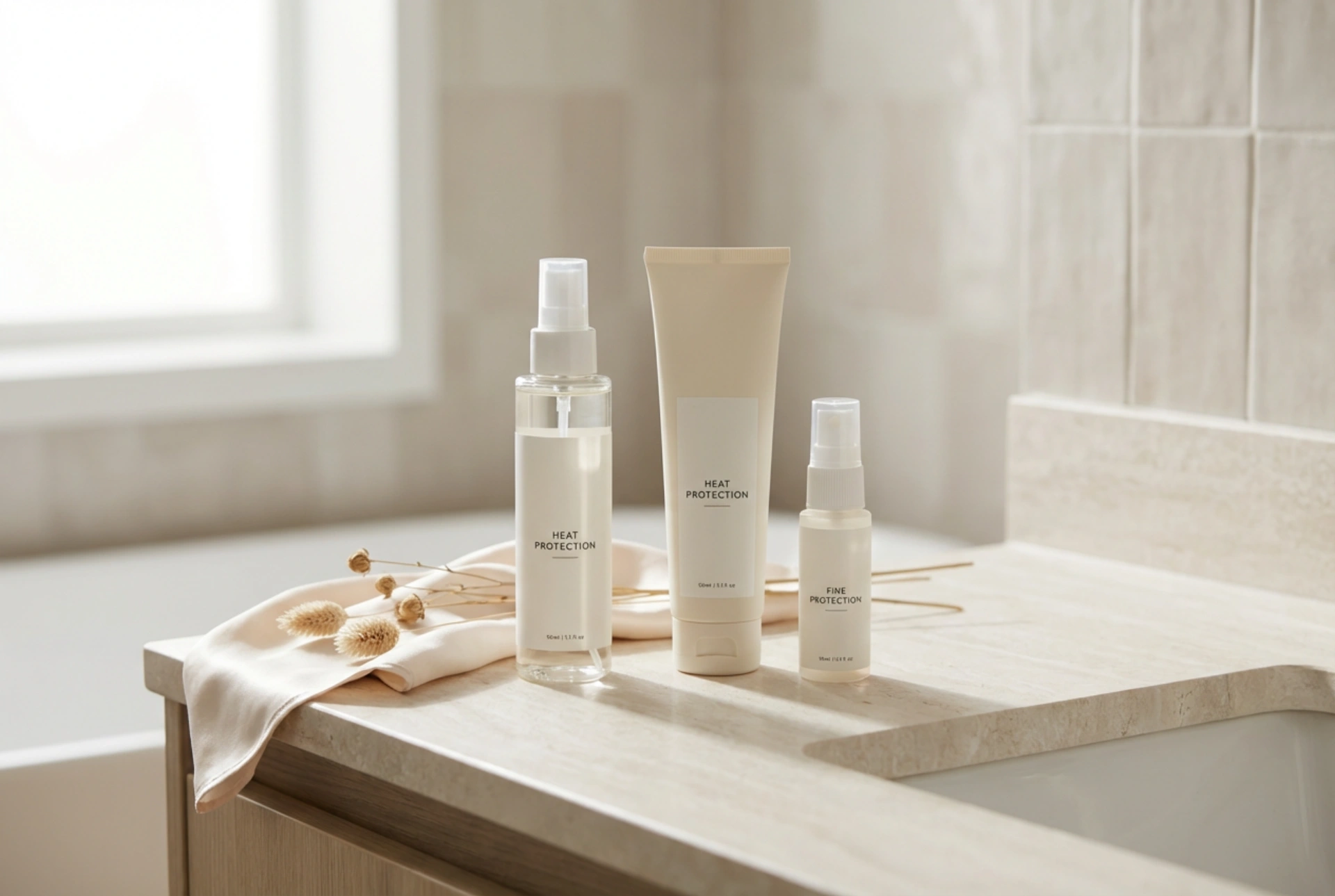


Using heat to style our hair is a common part of many daily beauty routines. Whether it's a quick blow-dry in the morning or careful styling with straighteners, our hair is frequently exposed to high temperatures. Protecting it is not just for special occasions; it's a crucial step for maintaining healthy, vibrant hair every day. Just as seen in an artfully arranged collection of care products, incorporating a heat protectant into your daily regimen is an act of essential self-care for your locks.
Why is Daily Heat Protection So Important?
High temperatures from styling tools can strip the hair of its natural moisture and damage the protective outer layer, known as the cuticle. When the cuticle is compromised, it lifts and becomes rough, leading to several undesirable effects. This includes increased frizz, split ends, and a dull, lifeless appearance. Over time, this cumulative damage can cause the hair strands to become weak and prone to breakage. For those with colour-treated hair, heat can also cause the colour to fade much faster. Using a heat protectant creates a barrier between your hair and the tool, helping to distribute heat more evenly and slow down heat conduction, which significantly reduces damage.
Choosing Your Shield: Types of Heat Protectants
Heat protectants come in various formulations, each suited to different hair types and styling needs. Understanding the differences will help you choose the most effective product for your routine.
Heat Protection Sprays
Sprays are the most common type of heat protectant. They are typically lightweight and easy to apply, making them an excellent choice for most hair types, especially fine or normal hair that can be easily weighed down. They can be applied to damp hair before blow-drying or to dry hair before using straighteners or curling tongs. Their main function is to coat the hair shaft with a protective film without adding excess weight or residue.
Heat Protection Creams and Lotions
Creams and lotions offer a richer, more conditioning formula. These are ideal for individuals with thick, coarse, dry, or damaged hair that needs extra moisture and smoothing. In addition to providing thermal protection, these products often contain nourishing ingredients that help to tame frizz, add softness, and improve manageability. They are best applied to damp hair from the mid-lengths to the ends, as applying too much near the roots can make the hair feel greasy.
Heat Protection Mists
Mists are the most lightweight option, delivering a superfine, almost imperceptible layer of protection. They are perfect for very fine hair that cannot tolerate any weight, or for refreshing a style on the second day. A light mist can be spritzed over dry hair before a quick touch-up with a hot tool, providing protection without disrupting your existing style. They often add a touch of shine as a bonus.
How to Apply Heat Protectant for Maximum Effect
Getting the most out of your heat protectant relies on proper application. Simply spraying it randomly won't provide adequate coverage. Follow these steps for the best results:
- Start with damp, towel-dried hair. Squeeze out excess water gently; do not rub the hair with a towel as this can cause frizz and damage.
- Section your hair into several manageable parts. This ensures that you can apply the product evenly from root to tip.
- Apply the product to each section. If using a spray, hold the bottle about 6-8 inches away and spritz evenly. If using a cream or lotion, work a small amount through each section, focusing on the mid-lengths and ends.
- Comb your hair with a wide-tooth comb. This helps to distribute the product thoroughly and detangle the hair before styling.
- Allow the product a moment to be absorbed before you begin applying heat. Never apply hot tools to soaking wet hair that has just been sprayed, as this can cause sizzling and damage.
Extra Tips for Minimising Heat Damage
While a good heat protectant is your first line of defence, other habits can also contribute to healthier hair. Try to use your styling tools on the lowest effective heat setting for your hair type. Whenever possible, let your hair air-dry partially before finishing with a blow-dryer to reduce the time it's exposed to heat. Finally, give your hair regular breaks from all heat styling to allow it to rest and recover. Incorporating a weekly deep conditioning mask can also help replenish moisture and repair the cuticle.