

Winter often brings a familiar discomfort: dry, tight, and sometimes even chapped hands. As we reach for a nourishing cream to soothe them, it's worth understanding why our hands are so vulnerable during the colder months. The key lies in the skin's protective shield, the hydrolipidic barrier, which is easily compromised by harsh winter conditions. Restoring this barrier is fundamental to achieving soft, comfortable, and healthy-looking hands throughout the season.
Understanding Why Hands Become Dry in Winter
Our hands are constantly exposed to environmental factors, and winter exacerbates this. Several elements conspire to strip the skin of its natural moisture. The cold air outside holds less humidity than warm air, and when combined with biting winds, it creates a powerful dehydrating effect. Indoors, central heating systems further reduce air humidity, meaning our skin receives no respite. Frequent hand washing, often with hot water to warm up, also plays a significant role. Soaps and high temperatures can strip away the natural oils that are essential for a healthy skin barrier, leading to a cycle of dryness and irritation.
The Crucial Role of the Hydrolipidic Barrier
To effectively care for dry hands, it's essential to understand the structure you are trying to support. The hydrolipidic barrier is your skin's first line of defence.
What Is the Hydrolipidic Barrier?
Imagine a very fine, protective film covering the outermost layer of your skin. This film is the hydrolipidic barrier, an emulsion of water (hydro) and fats (lipids). The water component comes from sweat, while the lipids are produced by the sebaceous glands. Together, they create a slightly acidic environment that is crucial for skin health, helping to keep it supple and resilient.
Why Is It So Important?
This barrier serves two primary functions. Firstly, it acts as a natural moisturiser, locking in hydration and preventing transepidermal water loss (TEWL), which is the process of water evaporating from the skin's surface. Secondly, it protects the skin from external aggressors such as pollutants, bacteria, and allergens. When this barrier is weakened or damaged, the skin loses moisture rapidly and becomes more susceptible to irritation, redness, and a feeling of tightness.
A Gentle Routine to Restore and Protect
Rebuilding a compromised hydrolipidic barrier requires a consistent and gentle approach. The focus should be on minimising damage while providing the skin with the components it needs to repair itself.
Mindful Cleansing
The way you wash your hands matters immensely. Opt for lukewarm water instead of hot, as high temperatures can be overly stripping. Choose a mild, soap-free, or pH-balanced cleanser designed for sensitive skin. After washing, avoid rubbing your hands vigorously with a towel. Instead, gently pat them dry, leaving them slightly damp. This prepares them for the next crucial step: moisturising.
Consistent Moisturising
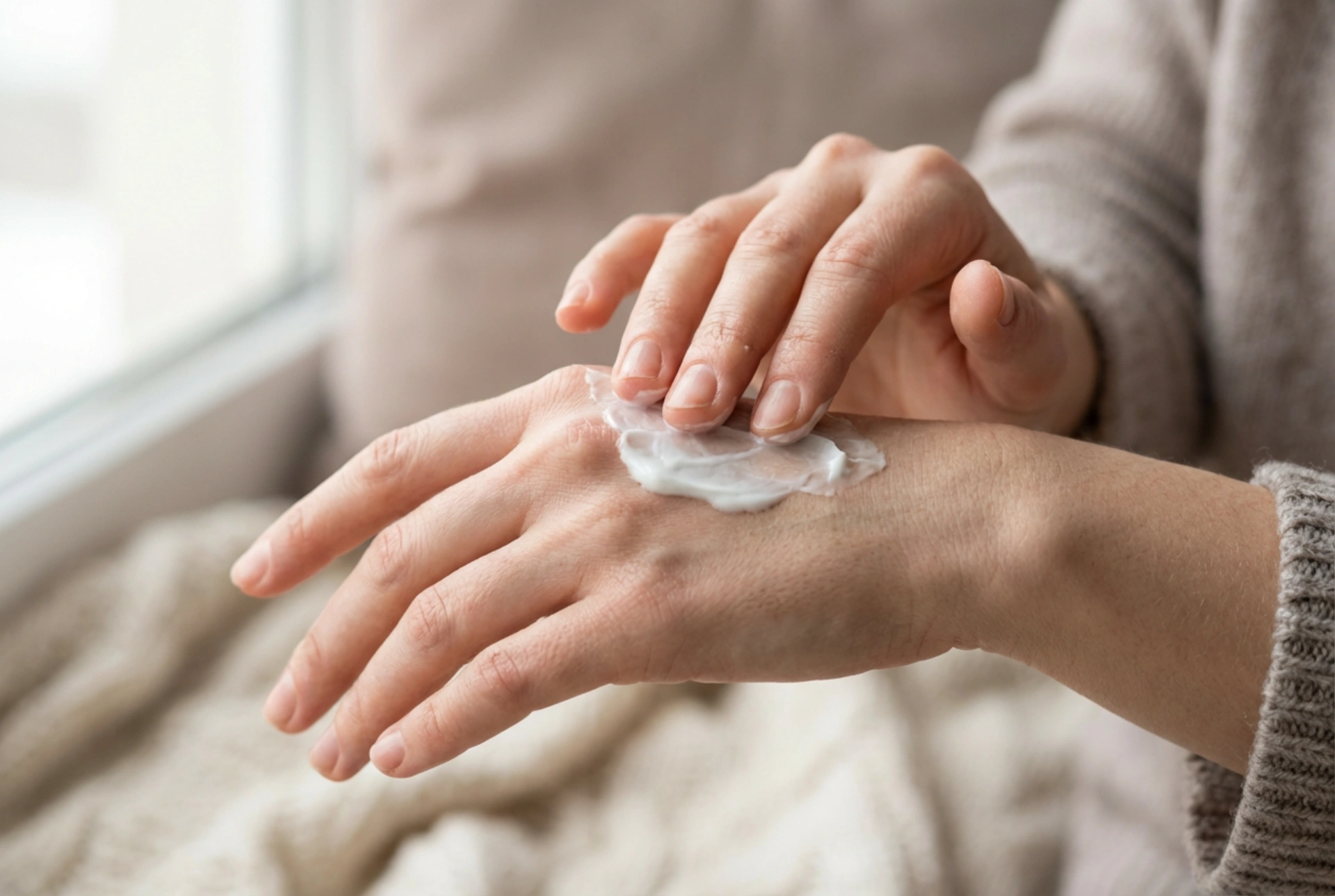
Applying hand cream is non-negotiable, especially in winter. It should be done immediately after every hand wash to lock in the residual moisture. Look for formulations containing a combination of ingredients that support the skin barrier:
- Humectants: These ingredients attract water from the air and the deeper layers of the skin. Examples include glycerin, hyaluronic acid, and urea.
- Emollients: These are lipids and oils that soften and smooth the skin by filling in the gaps between skin cells. Look for ceramides, shea butter, cocoa butter, and natural oils. Ceramides are particularly beneficial as they are a natural component of the skin barrier itself.
- Occlusives: These ingredients form a physical seal on the skin's surface to prevent moisture from evaporating. Classic examples include lanolin, beeswax, and silicones like dimethicone.
Intensive Care for Deep Regeneration
When hands are exceptionally dry, a standard routine may not be enough. Incorporating intensive treatments can significantly accelerate the healing process.
Overnight Hand Treatment
One of the most effective ways to deeply nourish your hands is with an overnight treatment. Before bed, apply a very thick layer of a rich, restorative hand cream or a simple balm. Then, cover your hands with a pair of cotton gloves. The gloves trap heat, helping the product to penetrate more effectively while you sleep. You will wake up to noticeably softer and more hydrated hands.
Protective Measures
Prevention is just as important as treatment. Always wear gloves when you go outside in the cold and wind. This simple habit provides a physical barrier between your delicate skin and the harsh elements. Similarly, wear waterproof gloves when doing household chores like washing dishes or cleaning, as prolonged contact with water and detergents is one of the quickest ways to damage the hydrolipidic barrier.