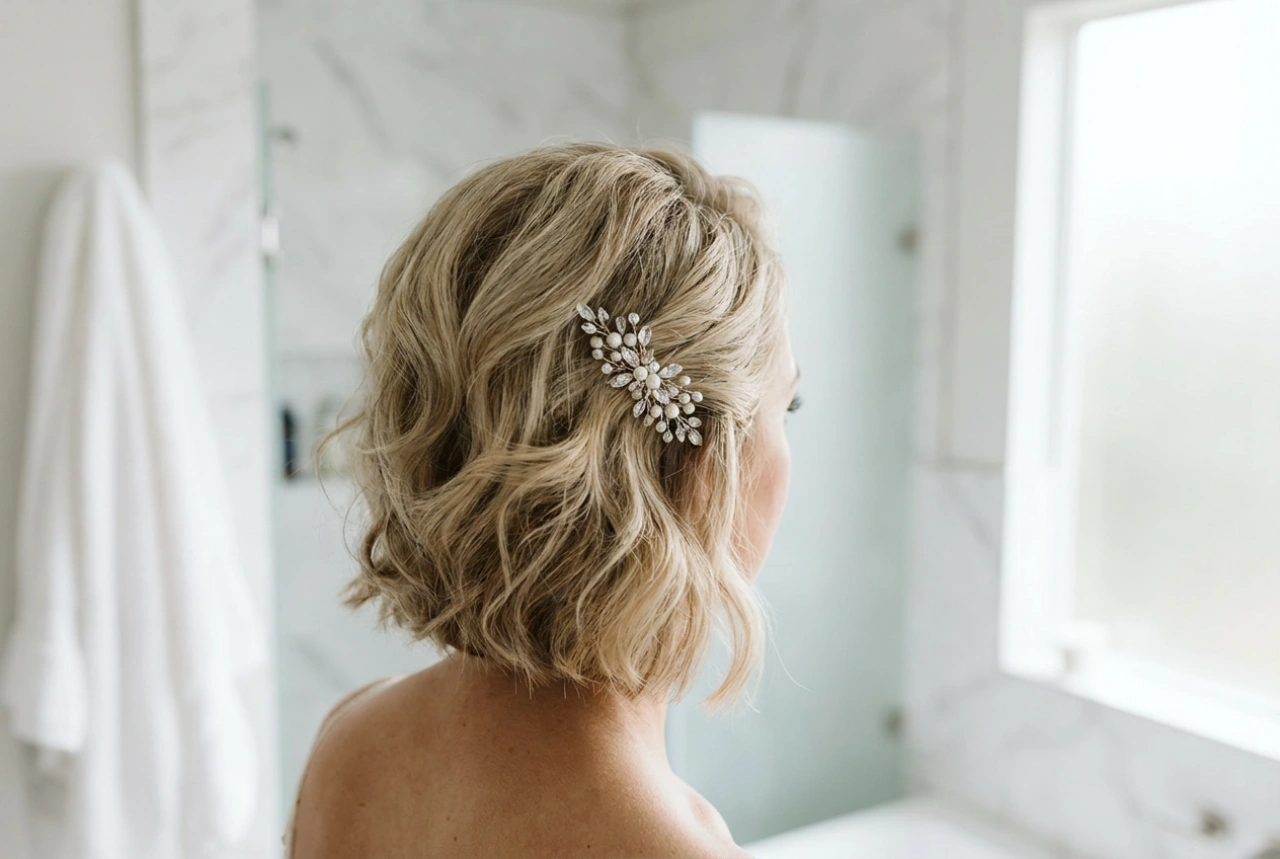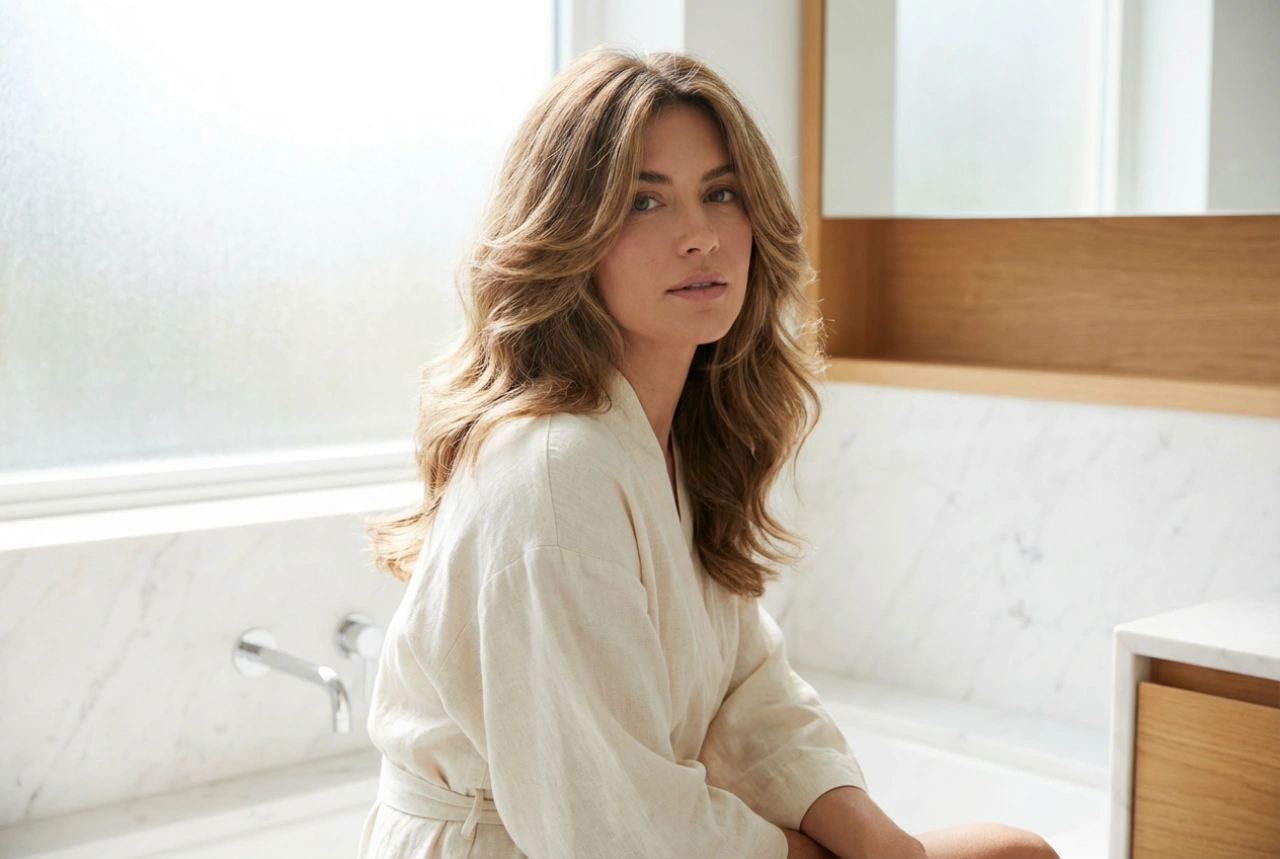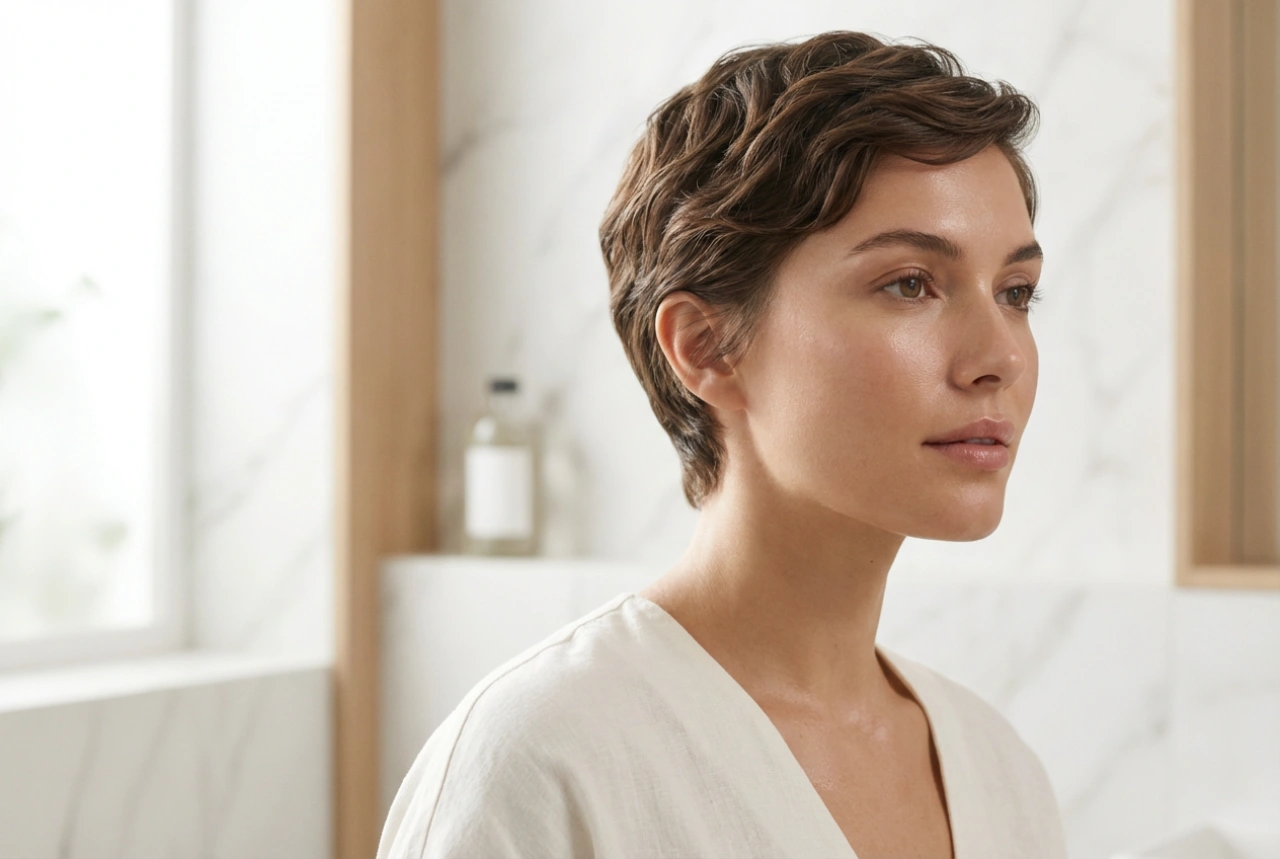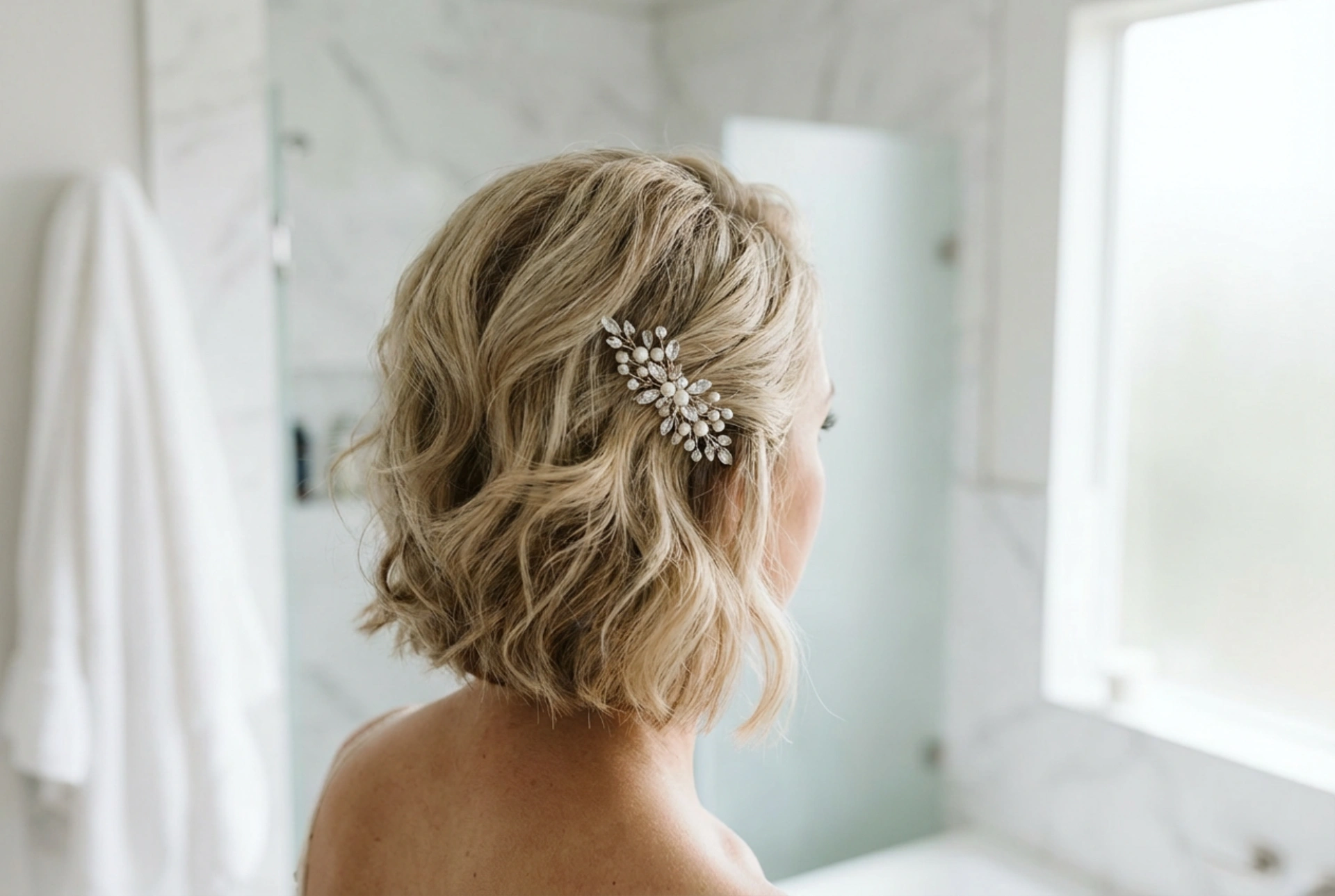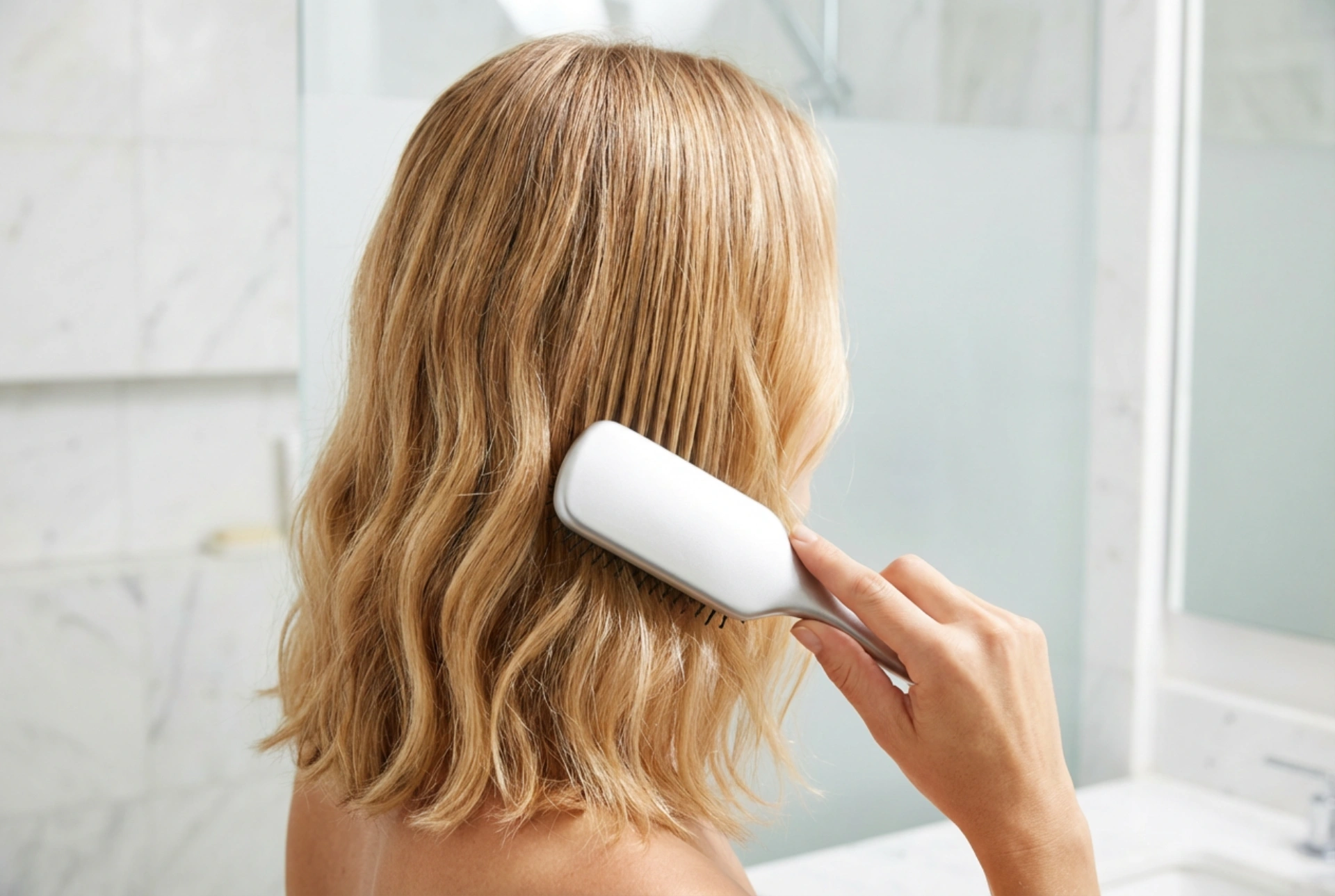


Shoulder-length hair is celebrated for its versatility, offering a perfect balance between the ease of short hair and the styling options of long locks. One of the most sought-after looks for this length is soft, natural-looking waves that add volume, movement, and an effortless elegance. Achieving this gentle texture doesn't require complex tools or hours of effort. With a few simple techniques, you can create beautiful waves that enhance your hair's shine and body, perfect for any occasion. This guide will walk you through various methods for soft styling, from heat-free options to gentle use of heat tools.
Preparation is Key: The Foundation for Great Waves
Before you begin styling, creating the right foundation is essential. The way you wash and prepare your hair can significantly impact the final result and the longevity of your waves. Start with a cleansing and conditioning routine suited to your hair type. If your hair tends to be flat, a volumising shampoo can provide a helpful boost. Conversely, if your hair is prone to frizz, opt for smoothing formulas.
After washing, gently towel-dry your hair to remove excess water without causing friction, which can lead to frizz. Before any heat styling, and even as a good practice for air-drying, apply a preparatory product. A heat protectant spray is non-negotiable if you plan to use a curling wand or straightener. For heat-free methods, a light mousse or a texturising lotion can help the hair hold its shape as it dries, giving your waves more definition and staying power.
Heat-Free Methods for Effortless Waves
For those who prefer to avoid heat or are looking for a low-maintenance overnight solution, heat-free techniques are an excellent choice. These methods work with your hair's natural texture as it dries to create soft, organic-looking waves.
The Classic Braid Technique
Braiding is one of the simplest ways to achieve waves. The tightness of the braid will determine the definition of the wave, so for a soft look, a loose plait is best.
- Start with damp hair, about 70-80% dry.
- Divide your hair into two or more sections. For looser waves, two sections are sufficient. For more defined waves, create four or more sections.
- Loosely braid each section and secure the ends with a soft hair tie that won't create a kink.
- Allow your hair to air-dry completely. This can be done overnight for convenience.
- Once dry, carefully undo the braids and gently separate the waves with your fingers. Avoid using a brush, as this can brush out the waves and create frizz.
The Bun Method for Soft Bends
Creating one or more buns in damp hair can produce beautiful, soft bends and add volume, especially at the roots.
- Begin with damp hair. You can apply a small amount of styling mousse for extra hold.
- Gather your hair into one or more high, loose ponytails. The number of buns will affect the wave pattern—one bun creates a very loose, subtle wave, while two or more create more texture.
- Twist the ponytail loosely and wrap it around its base to form a bun. Secure it with a soft scrunchie or pins. Avoid using a tight elastic that could leave a mark.
- Let your hair dry completely. Once dry, take the buns down and use your fingers to tousle the hair and break up the waves.
Gentle Heat Styling for Controlled Waves
When you need a quicker result or more control over the shape of your waves, heat tools can be used gently to create a soft, polished look. The key is to use a low to medium heat setting and to work quickly to avoid over-processing the hair.
Using a Straightener for 'S' Waves
A flat iron is a surprisingly versatile tool for creating loose, modern waves. The technique involves creating a gentle 'S' shape down the hair shaft.
- Ensure your hair is completely dry and has been treated with a heat protectant.
- Take a medium-sized section of hair. Clamp the straightener near the root and turn it 180 degrees away from your face.
- Gently glide the straightener down the hair section for a few inches, then rotate it 180 degrees in the opposite direction.
- Continue this alternating pattern down to the ends, leaving the last inch or two straight for a more natural, contemporary finish.
- Repeat on all sections, alternating the direction of the first turn for a less uniform, more natural look.
The Curling Wand for Loose Curls
A curling wand with a larger barrel (e.g., 1.25 to 1.5 inches) is ideal for creating soft, bouncy waves rather than tight curls.
- With dry, protected hair, take a section and wrap it loosely around the barrel of the wand, leaving the ends out.
- Hold for only 5-8 seconds, depending on your hair's thickness and the tool's temperature.
- Release the section and let it cool in your hand for a moment before letting it drop. This helps the wave set.
- For a softer look, wrap sections in alternating directions around your head. Once all hair is waved and completely cooled, gently run your fingers through it to loosen the curls into soft waves.
Finishing Touches to Set Your Style
Once you've created your waves, a few final steps will ensure they last and look their best. The goal is to provide hold without making the hair stiff or crunchy. A light-hold hairspray, misted from a distance, can help set the style. For added texture and a beachy, matte finish, a sea salt spray can be spritzed through the mid-lengths and ends. If you want to enhance shine and tame any flyaways, a drop or two of a lightweight hair oil rubbed between your palms and smoothed over the ends will complete the look beautifully.