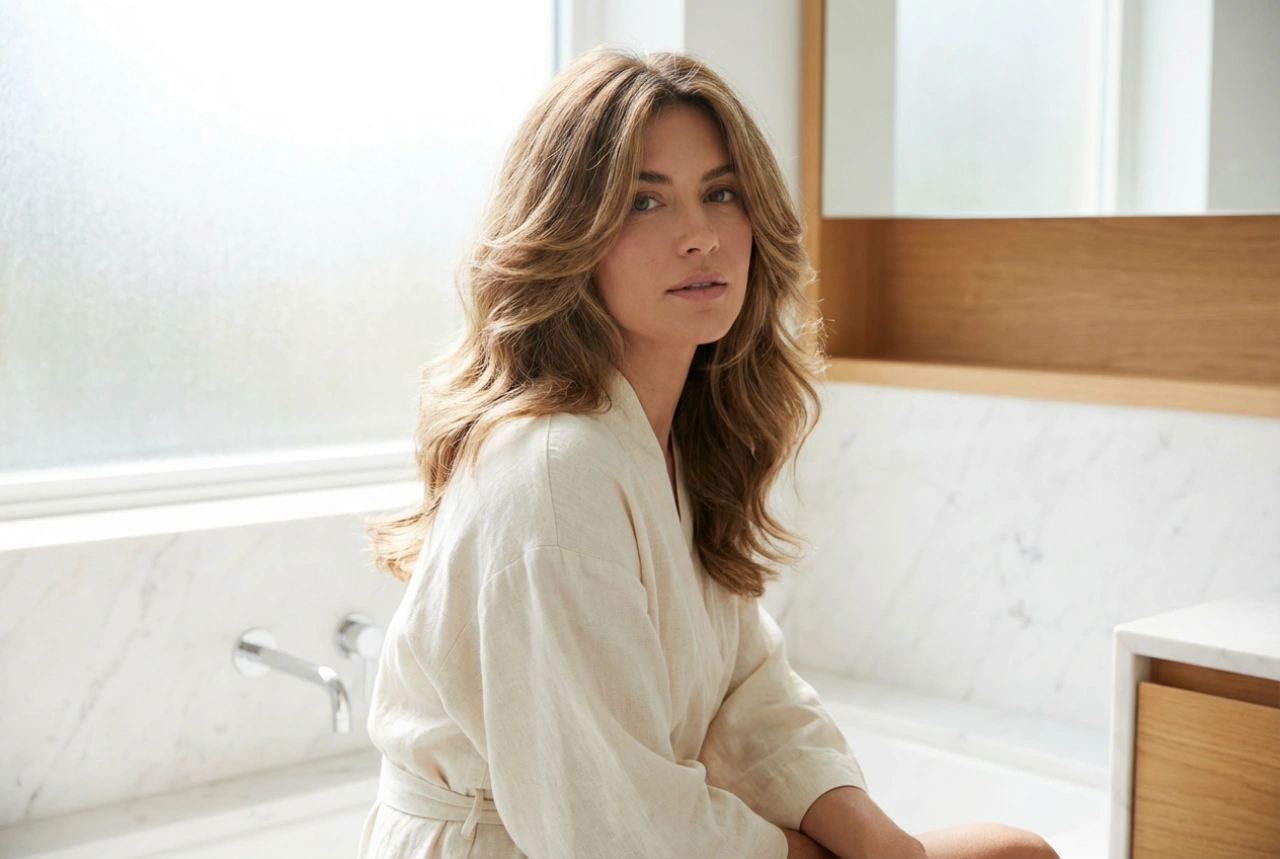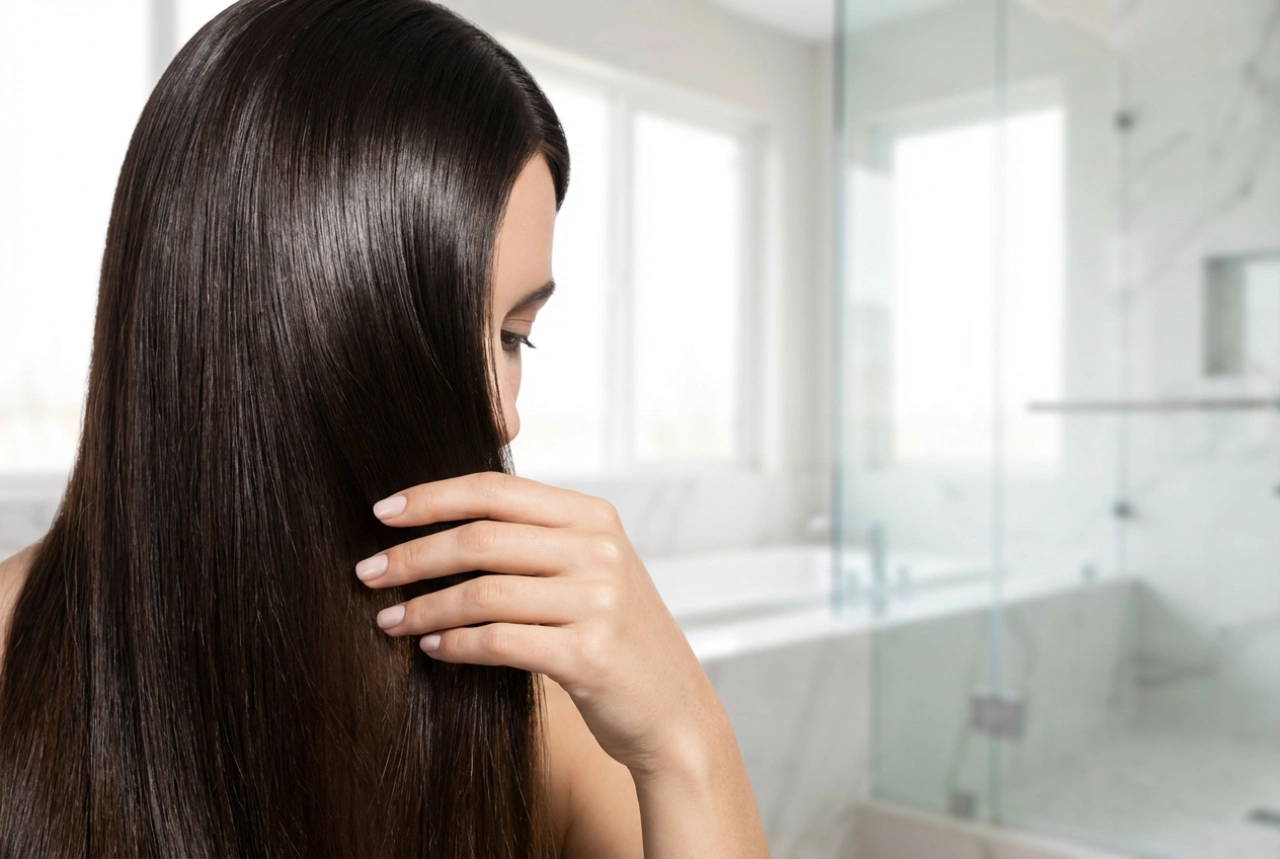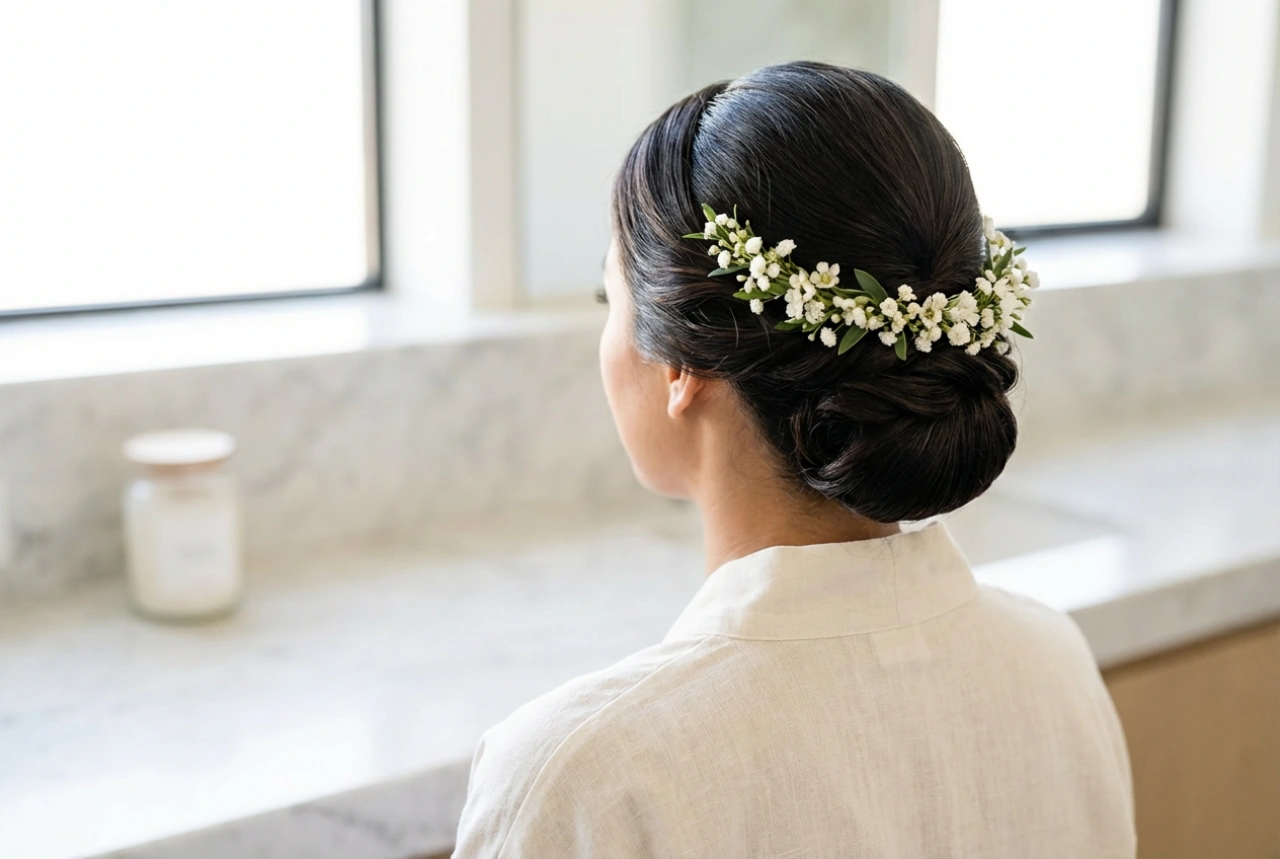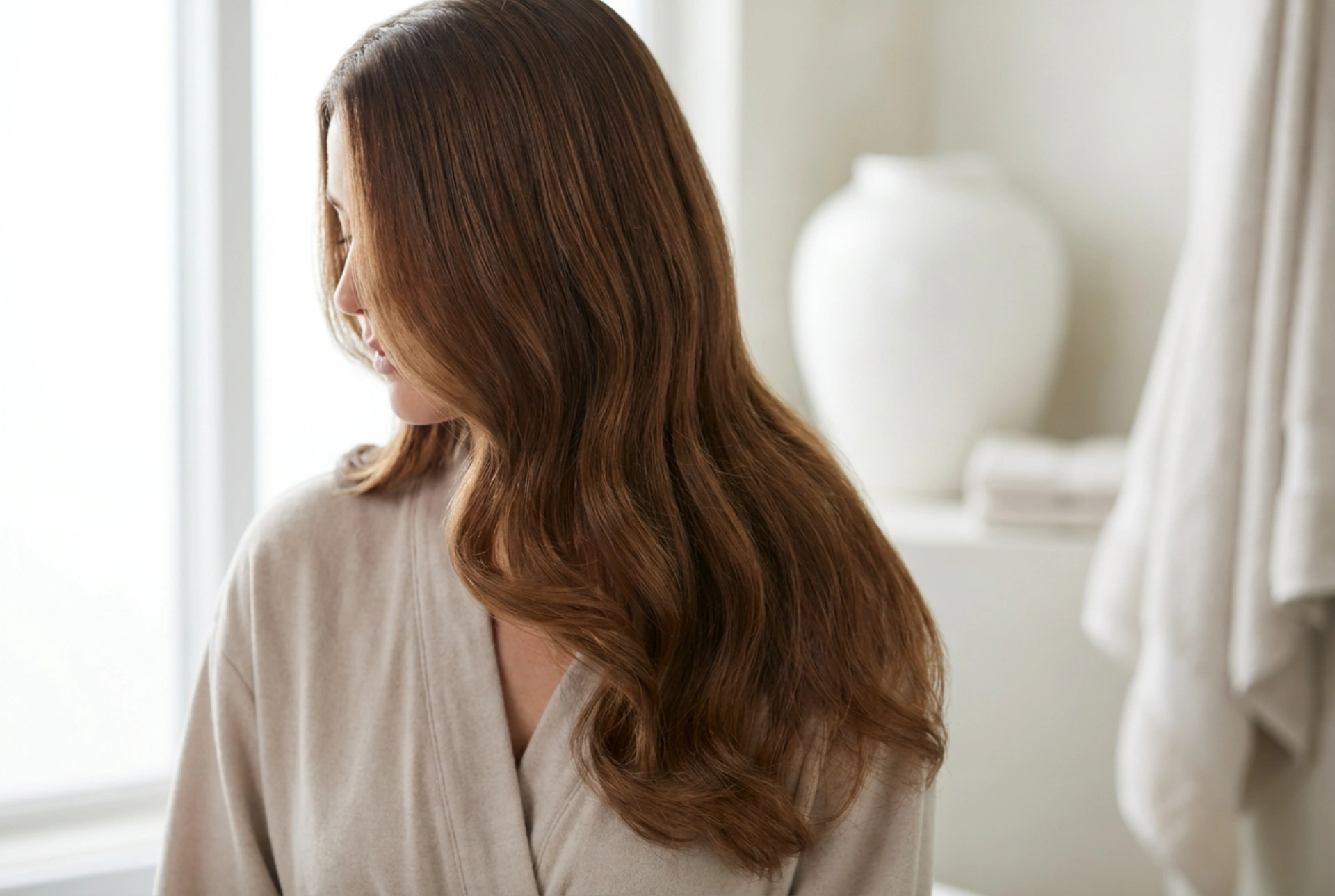


Long, flowing hair styled into soft waves offers a timeless and elegant look. This versatile hairstyle can appear effortlessly natural or be refined for a more polished occasion. Achieving beautiful, voluminous waves is possible through various techniques, from traditional heat styling to gentle, heat-free methods. Understanding these approaches will help you create the perfect wavy texture while keeping your hair healthy and vibrant.
Preparing Hair for Styling
Proper preparation is key to achieving long-lasting waves and protecting your hair from potential damage. Start with clean, completely dry hair. Styling damp hair with heat tools can cause significant harm and should always be avoided. Before using any heat, it is crucial to apply a heat protectant spray evenly from the mid-lengths to the ends. This creates a protective barrier that helps minimise the effects of high temperatures and maintain your hair's health.
After applying the protectant, gently brush your hair to remove any tangles. This ensures a smooth canvas for styling, allowing the tools to glide through your hair effortlessly and helping you create more uniform, well-defined waves.
Creating Waves with Heat Styling Tools
Heat tools like curling irons and straighteners offer the quickest way to create various types of waves, from loose and beachy to more structured and uniform. The key is to select the right tool and use the correct technique for the style you wish to achieve.
Using a Curling Iron
A curling iron, particularly one with a larger barrel (around 3-5 cm in diameter), is ideal for creating loose, soft waves on long hair. The larger the barrel, the looser the resulting wave will be.
- Begin by sectioning your hair into manageable parts. Using clips can help keep the rest of your hair out of the way.
- Take a section of hair, about 2-4 cm wide, and clamp it near the mid-lengths, leaving a few centimetres at the end outside of the clamp for a more modern, undone look.
- Wrap the hair around the barrel, directing it away from your face. This creates a more open, flattering style.
- Hold the hair for about 5-10 seconds, depending on your hair's texture and the tool's temperature setting.
- Gently release the hair from the barrel and let the curl cool down in your palm for a moment. This step helps the wave to set properly and improves its longevity.
Using a Hair Straightener
A flat iron is a surprisingly versatile tool that can be used to create beautiful, natural-looking waves. This method is excellent for achieving that 'S' shape or a relaxed, beachy texture.
- Take a small section of hair and clamp the straightener near the roots.
- As you begin to glide the straightener down the hair shaft, rotate it 180 degrees (a half-turn) either towards or away from your face.
- Continue gliding the tool smoothly down the section to the ends. For a more dynamic, 'S' shaped wave, you can alternate the direction of the turn as you move down the same section of hair.
- Repeat this process on all sections. Alternating the direction of the waves (some towards the face, some away) will result in a more natural, tousled finish.
Heat-Free Methods for Gentle Waves
If you prefer to avoid heat or want to give your hair a break, heatless methods are an excellent alternative. These techniques typically work best when performed on slightly damp hair and are left to set overnight or until the hair is completely dry. They are a gentle way to achieve texture without the risk of heat damage.
Braiding for Natural-Looking Waves
Braiding is one of the simplest and most effective ways to create heatless waves. The type and number of braids will determine the final wave pattern.
- For classic beach waves, create one or two simple, loose three-strand braids on damp hair.
- For a tighter, more defined wave pattern (crimps), opt for multiple smaller braids.
- A French or Dutch braid, which starts closer to the scalp, will create waves that begin higher up on the head.
- Once your hair is dry, carefully undo the braids and gently separate the waves with your fingers. Avoid brushing, as this can disrupt the pattern and create frizz.
Using Hair Rollers or Flexi Rods
For more voluminous, bouncy waves, rollers or flexible rods are a fantastic choice. This method is great for adding body and movement to long hair.
- Start with slightly damp hair and consider applying a light styling mousse to enhance hold.
- Section your hair and wrap each section around a large roller or a flexi rod, rolling from the ends up towards the roots.
- Secure the rollers and leave them in until your hair is completely dry. This can take several hours or can be done overnight.
- Once you remove them, you will be left with voluminous waves that can be gently brushed out for a softer, more uniform look.
Tips for Long-Lasting Waves
Once you’ve created your perfect waves, the final step is to ensure they last. How you finish your style is just as important as how you create it.
- Allow your hair to cool down completely before touching it. Whether you used heat or a heatless method, disturbing the hair while it's still setting can cause the waves to fall flat.
- Use your fingers to gently separate and style the waves. A brush can sometimes pull out the texture, especially in finer hair.
- Apply a light-hold hairspray to set the style. Hold the can about 30 cm away from your head and mist it evenly over your hair.
- For a more textured, beachy finish, consider using a sea salt or texturising spray. Apply it sparingly to the mid-lengths and ends and gently scrunch your hair.