

Incorporating a hydrating face mask into your skincare routine can feel like a truly serene and beneficial ritual. The simple act of applying a smooth, cooling mask offers a moment of calm and provides your skin with a concentrated dose of moisture, leaving it looking luminous and refreshed. To truly harness the power of your mask, it's essential to understand not just how to apply it, but also when to use it for maximum effect. Proper application ensures that the active ingredients penetrate deeply, giving you that coveted supple, dewy glow.
Preparing Your Skin for Maximum Absorption
Before you even open your mask, proper skin preparation is key. A clean canvas allows the hydrating ingredients to work more effectively. Think of it as priming a surface before painting; you want it to be smooth and receptive.
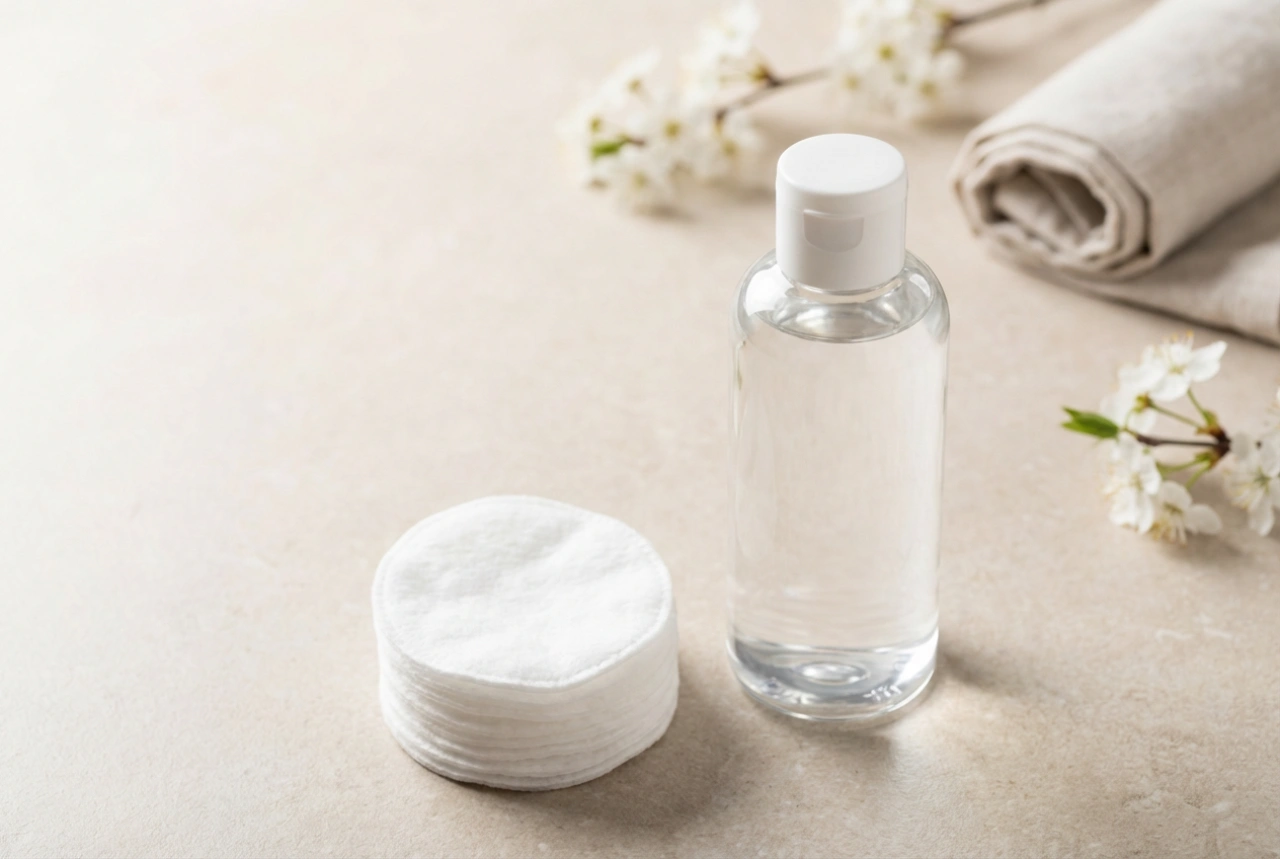
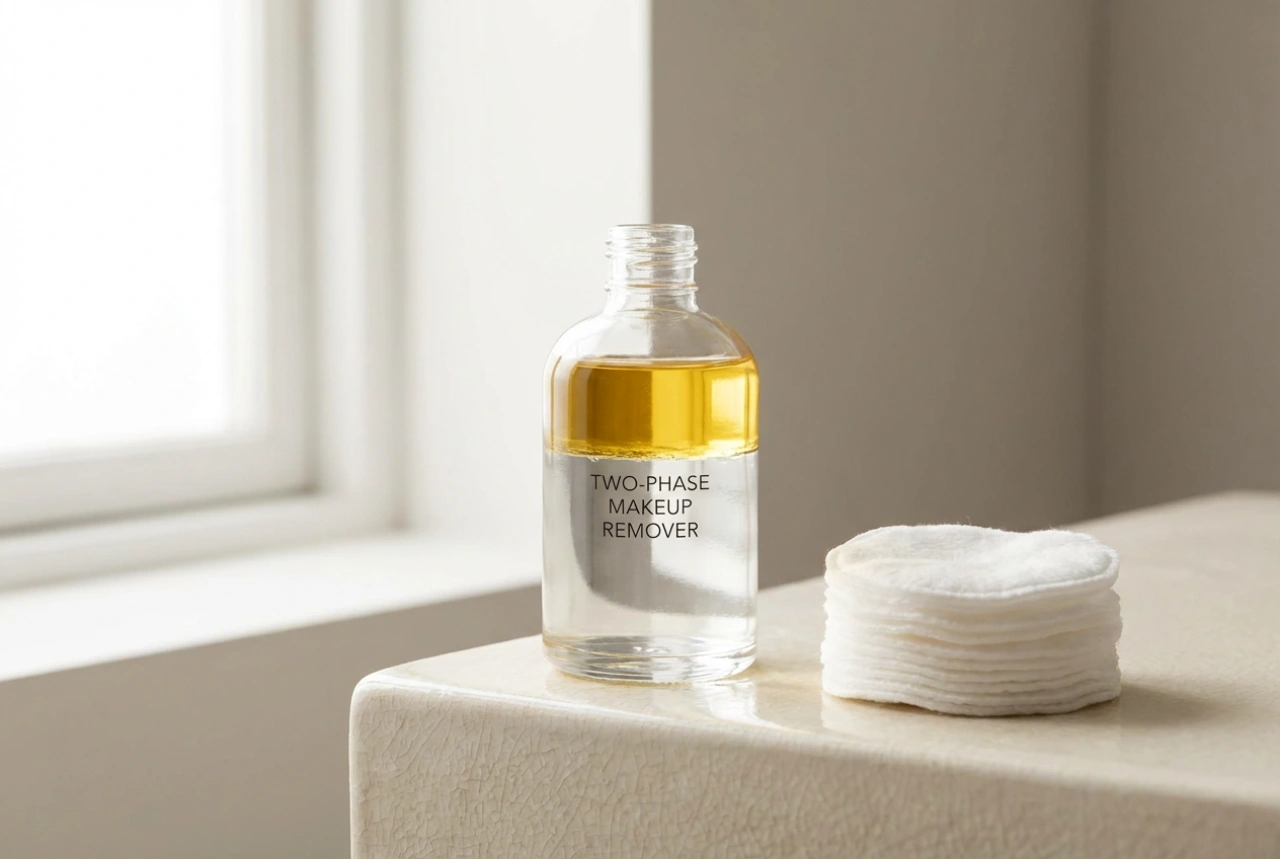
Begin by thoroughly cleansing your face to remove any makeup, dirt, and excess oil. Use a gentle cleanser that suits your skin type to avoid stripping it of its natural moisture. After cleansing, you might consider a gentle exfoliation. A mild scrub or a chemical exfoliant can help slough away dead skin cells that can otherwise form a barrier, preventing the mask's ingredients from being fully absorbed. However, avoid harsh exfoliants, especially if you have sensitive skin, as this can lead to irritation. Pat your skin dry with a soft towel, and you're ready for the main event.
The Art of Applying a Hydrating Mask
How you apply your mask can make a significant difference to the results. Whether you prefer using your fingertips or a dedicated brush, the goal is to create an even, consistent layer over your skin.
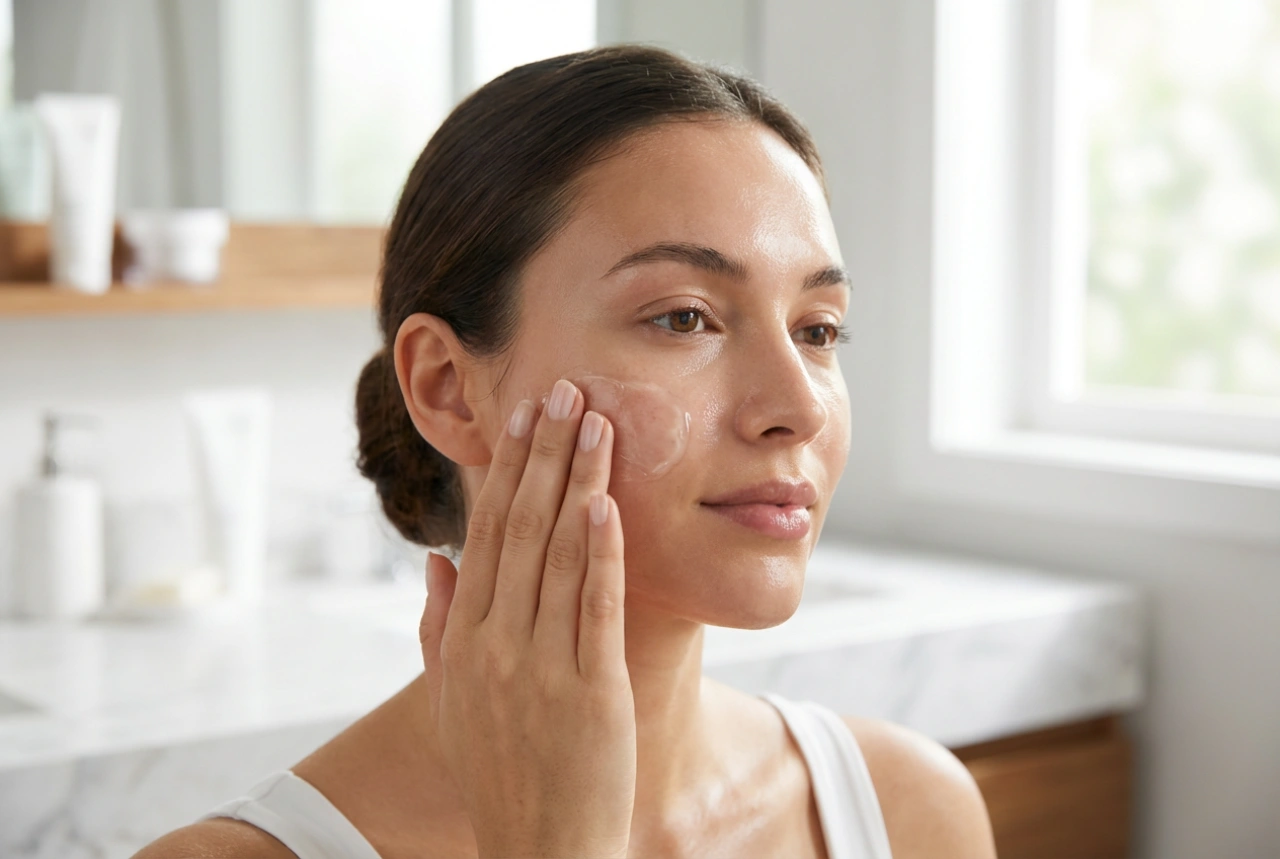
- Using Fingertips: If using your hands, ensure they are clean. Scoop a generous amount of the mask and apply it using gentle upward strokes. This method allows you to feel the texture of your skin and ensure even coverage.
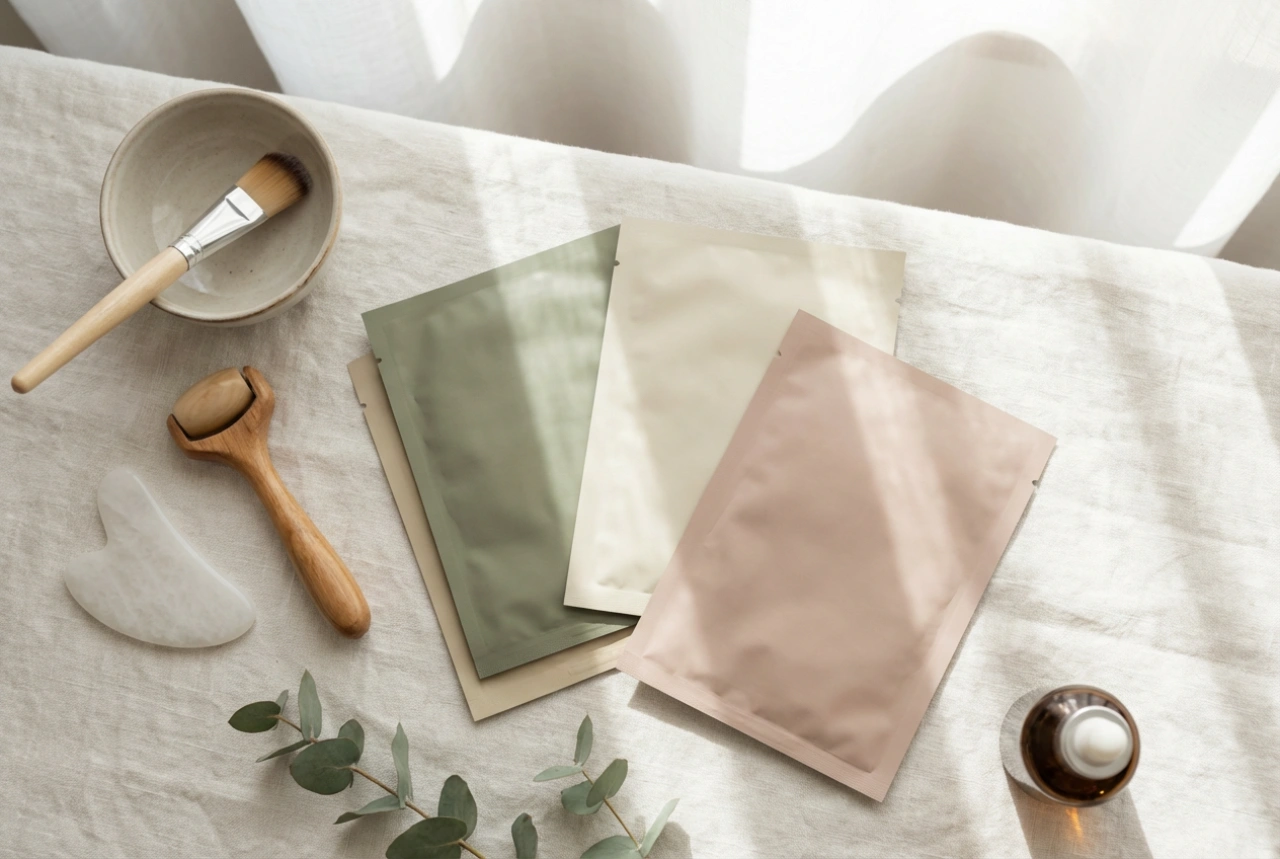
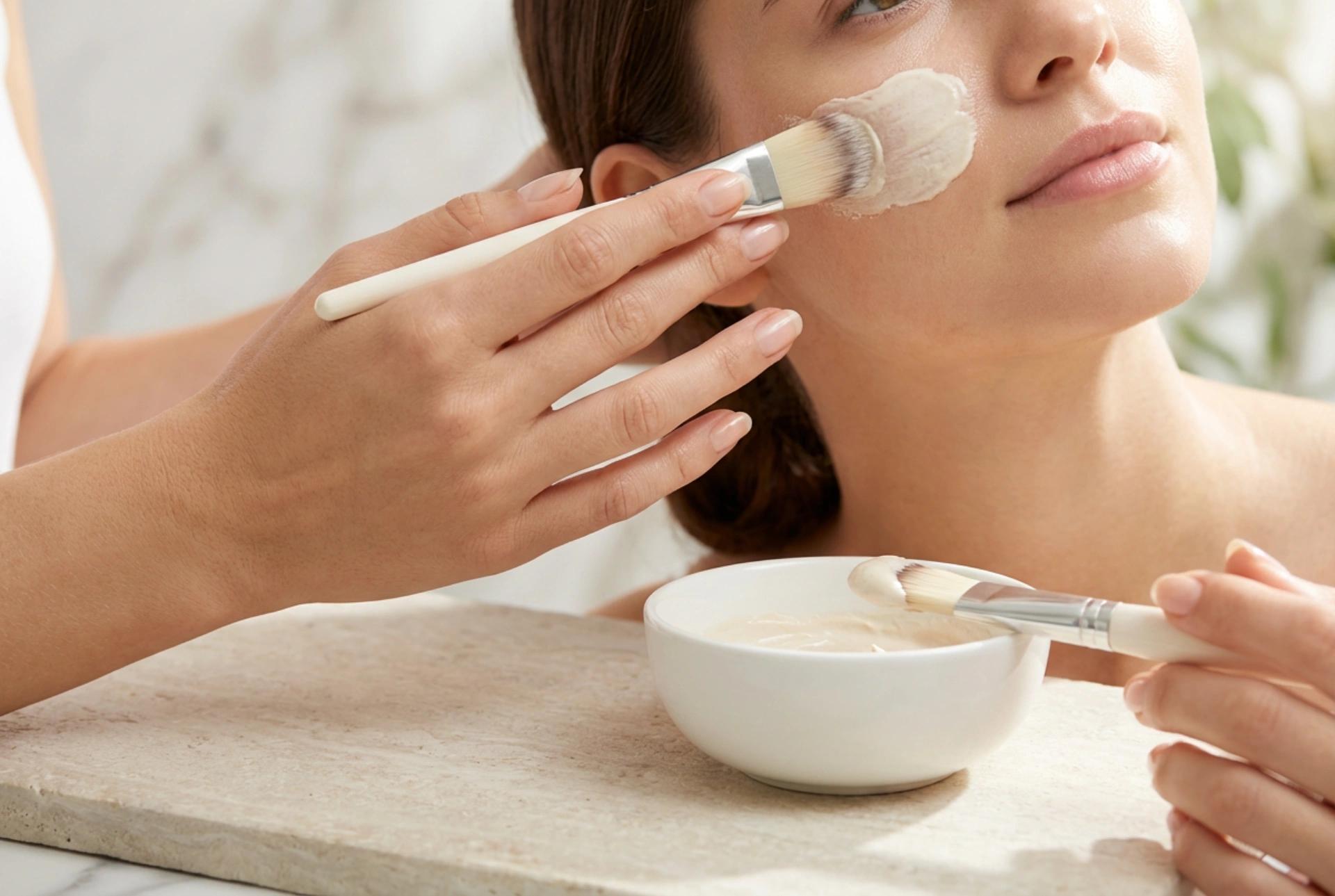
- Using a Brush: A flat, soft-bristled mask brush can elevate the experience, turning it into a spa-like ritual. It allows for a more precise and even application, especially around the nose and hairline, without wasting product on your hands.
Apply a visible layer of the mask to your entire face, avoiding the delicate areas around your eyes and lips. Don't forget your neck and décolletage, as these areas also benefit from hydration. The layer should be thick enough that you can't see your skin through it, but not so thick that it becomes wasteful and messy.
Timing is Everything: How Long and How Often?
Patience is a virtue, especially in skincare. Most hydrating masks are designed to be left on for 10 to 20 minutes. Always check the product's instructions for the recommended duration. Leaving a mask on for too long, especially a clay-based hydrating one, can sometimes have the opposite effect and start drawing moisture back out of the skin as it dries. Set a timer and use this time to relax – read a book, listen to music, or simply close your eyes and unwind. For frequency, most hydrating masks can be used two to three times a week, but you can adjust this based on your skin's needs. If your skin feels particularly dry or dehydrated, you might use one more often.
Morning Ritual vs. Evening Wind-Down: When to Mask?
There is no single 'best' time to use a hydrating mask; it largely depends on your personal preference and skin goals.
Morning Masking
Applying a hydrating mask in the morning can be a fantastic way to prep your skin for the day ahead. It plumps up the skin, minimises the appearance of fine lines, and creates a smooth, hydrated canvas for makeup application. If you often wake up with dull or tired-looking skin, a morning mask session can provide an instant boost of radiance.
Evening Masking
Using a mask in the evening allows you to take advantage of the skin's natural regenerative cycle. While you sleep, your skin works to repair itself, and a hydrating mask provides it with the moisture and nutrients it needs to do this effectively. An evening mask can help replenish moisture lost during the day and leave you waking up with soft, supple, and thoroughly revitalised skin.
Post-Mask Care to Lock in Hydration
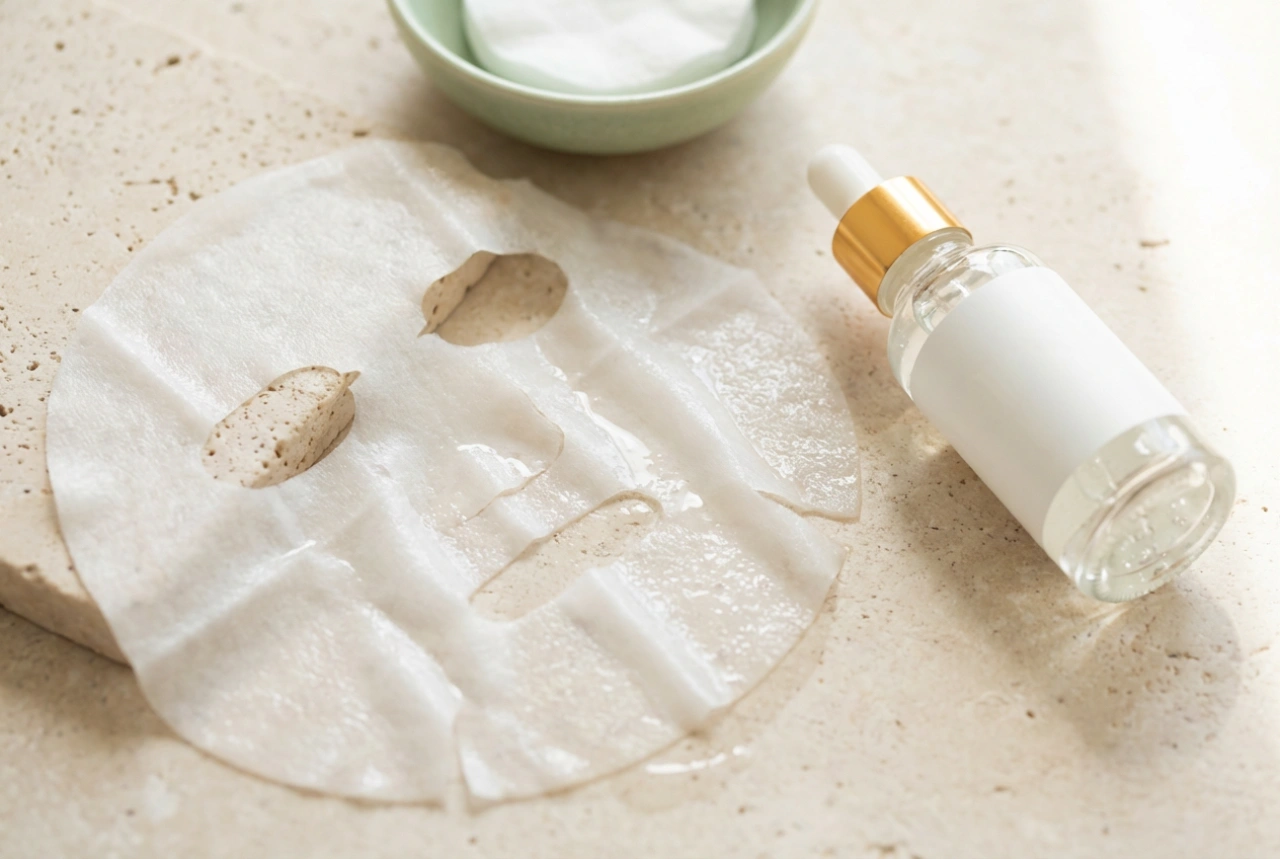
Once your time is up, the final steps are just as important. Gently remove the mask according to its instructions. Cream or gel masks are typically rinsed off with lukewarm water. Avoid hot water as it can be drying. Use your hands or a soft washcloth to gently wipe away all residue. Once the mask is removed, pat your skin dry with a clean towel – never rub. While your skin is still slightly damp, apply your favourite serum and moisturiser. This final step is crucial as it helps to seal in all the hydrating benefits of the mask, keeping your skin feeling soft and looking luminous for longer.