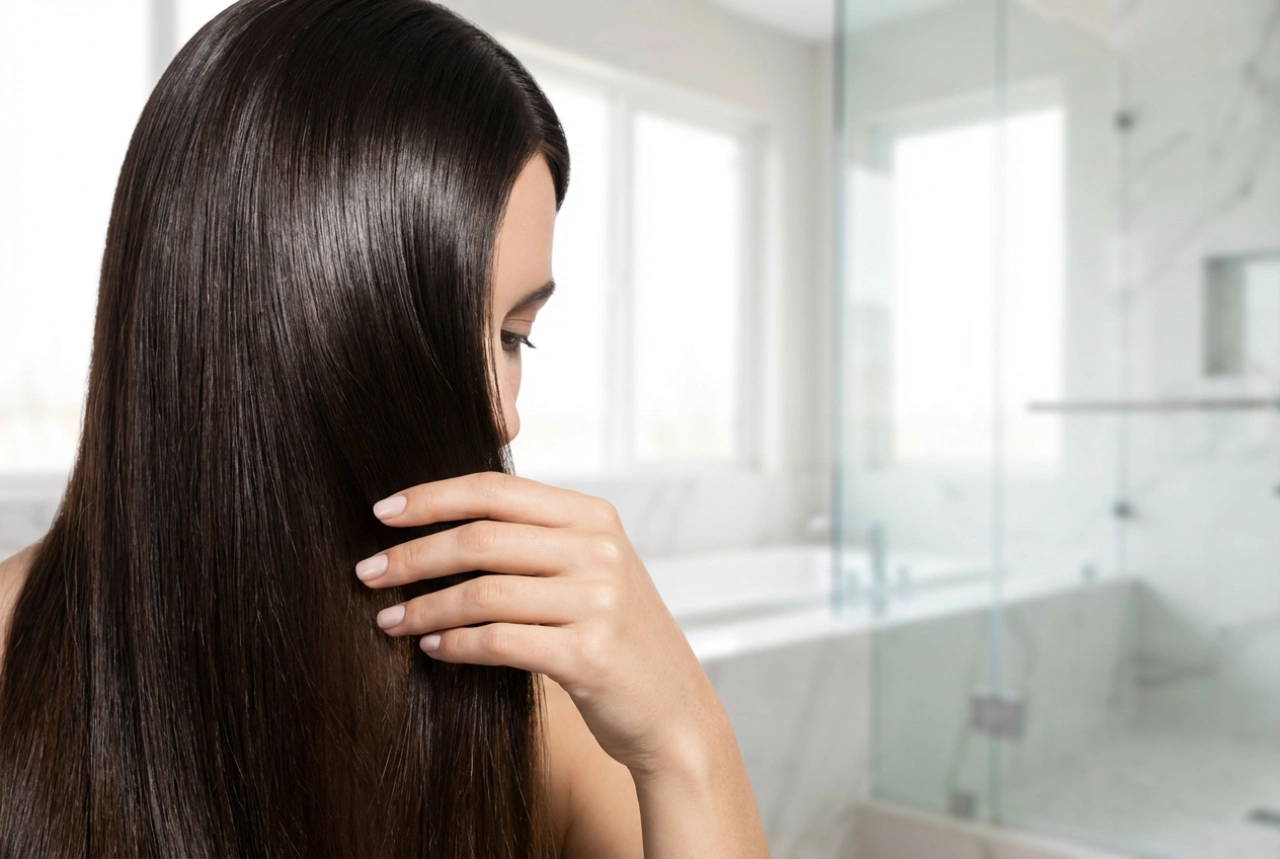


Long hair is a timeless symbol of elegance, but adding a fringe can introduce a fresh, modern dynamic to your look. The key to a successful combination lies in creating a harmonious balance between the length of your hair and the shape and volume of your fringe. A well-chosen fringe not only frames the face beautifully but also adds character and style. Understanding how to manage these proportions is essential for achieving a polished and intentional aesthetic, preventing the fringe from looking like an afterthought.
Choosing the Right Fringe for Your Face Shape
The first step in balancing your hairstyle is selecting a fringe that complements your facial structure. Not all fringes suit every face shape, and the right cut can accentuate your best features while softening others.
- Oval Faces: This face shape is considered versatile and can carry almost any fringe style. From a blunt, heavy fringe to soft, wispy bangs or a trendy curtain fringe, the options are plentiful.
- Round Faces: To add length and definition to a round face, consider a long, side-swept fringe or an angular, graphic style. A deep side parting can create a slimming effect. Avoid short, blunt fringes that can make the face appear wider.
- Square Faces: The goal is to soften strong jawlines. A longer, layered fringe that is slightly feathered at the ends works wonders. A '70s-inspired curtain fringe that parts in the middle and sweeps outwards can also be very flattering.
- Heart-Shaped Faces: A light, wispy fringe or a side-swept style helps to balance a wider forehead with a narrower chin. Avoid very short or heavy fringes that draw too much attention to the upper part of the face.
The Impact of Hair Texture on Volume
Your natural hair texture plays a crucial role in how your fringe will sit and the amount of volume it will have. Adjusting your choice of fringe and styling methods to your hair type is key for a successful look.
Fine Hair
If you have fine hair, a heavy, blunt fringe might make the rest of your hair look thinner. Instead, opt for a lighter, wispier fringe or a piecey curtain fringe. These styles create the illusion of fullness without requiring too much hair. To add volume, blow-dry your fringe using a round brush, lifting the roots upwards. A light-hold texturising spray can provide grip and body without weighing the hair down.
Thick Hair
Thick hair can handle more dramatic fringe styles, such as a full, blunt-cut fringe. However, it can also be prone to looking too heavy or bulky. Ask your stylist to incorporate subtle, internal layers to remove some weight while maintaining the shape. When styling, it's important to control the volume. Use the nozzle of your hairdryer to direct the airflow downwards from the roots to the ends, which helps to flatten the cuticles and create a sleeker finish.
Wavy or Curly Hair
Embracing your natural texture with a fringe can look stunning. A curly fringe requires a specific cutting technique, often done on dry hair, to ensure the curls fall correctly. For wavy hair, a longer, choppier fringe can blend seamlessly. It's important to use moisture-rich products to prevent frizz and define the natural pattern of your hair. Avoid over-styling with heat, which can disrupt the curl pattern.
Styling Techniques for Perfect Proportions
Once you have the right cut, daily styling will maintain the balance between your fringe and long hair. The goal is to ensure the fringe looks intentionally styled and integrated with the rest of your hair.
- Master the Blow-Dry: The most important tool for styling a fringe is your hairdryer. Always start by drying your fringe first, as it tends to dry faster and can set in an awkward position. Use a medium-sized round brush to create gentle volume and a slight curve, or a paddle brush for a straighter, sleeker look.
- Direct the Airflow: For a fringe that sits perfectly, try blow-drying it from side to side. First, brush all the hair to the right and dry it, then to the left and dry again. This technique helps to neutralise any cowlicks and encourages the fringe to lie flat against the forehead.
- Use Products Wisely: Fringes can become oily more quickly than the rest of your hair due to contact with your skin. A dry shampoo is an essential product for refreshing your fringe between washes. Apply a small amount to the roots to absorb excess oil and add a touch of volume. When using other styling products like sprays or serums, apply them to your hands first and then distribute them sparingly through the fringe to avoid a greasy look.
Maintaining Your Look
A fringe is a commitment that requires regular upkeep. Trimming your fringe every 3-4 weeks is essential to maintain its shape and prevent it from obstructing your vision. While some people learn to trim their own fringe at home, a professional trim ensures precision. Consistent maintenance ensures your fringe continues to balance your long hair perfectly, keeping your overall style looking sharp and polished.