

Vitamin C has become a cornerstone of modern skincare, celebrated for its ability to promote a bright, even-toned complexion. A face mask enriched with this powerful antioxidant offers an intensive treatment, delivering a concentrated dose of benefits directly to your skin. Incorporating a vitamin C mask into your routine can be a fantastic way to enhance your skin's natural radiance, but it's important to know how to use it correctly and which other ingredients it pairs well with to maximise its effects and maintain skin health.
The Benefits of Using a Vitamin C Mask
Before diving into application, let's briefly touch on why a vitamin C mask is a worthy addition to your skincare arsenal. Vitamin C is a potent antioxidant that helps protect the skin from environmental stressors. Its primary benefits in a mask format include:
- Brightening Effect: It helps to diminish the appearance of dullness and promotes a more luminous, even skin tone.
- Improved Texture: Regular use can contribute to smoother, softer-feeling skin.
- Antioxidant Boost: It provides a concentrated shield against free radicals, which can accelerate the appearance of ageing.
- Hydration Support: Many vitamin C mask formulations also include hydrating ingredients, leaving the skin feeling plump and refreshed.
How to Correctly Apply a Vitamin C Mask
To get the most out of your mask, follow a simple but effective application process. Proper preparation and removal are just as important as the time the mask spends on your skin.
Step 1: Thorough Cleansing
Always start with a clean canvas. Use a gentle cleanser to remove all makeup, dirt, and excess oil from your skin. Pat your face dry with a soft towel. Applying a mask to un-cleansed skin can trap impurities and reduce the product's effectiveness.
Step 2: Even Application
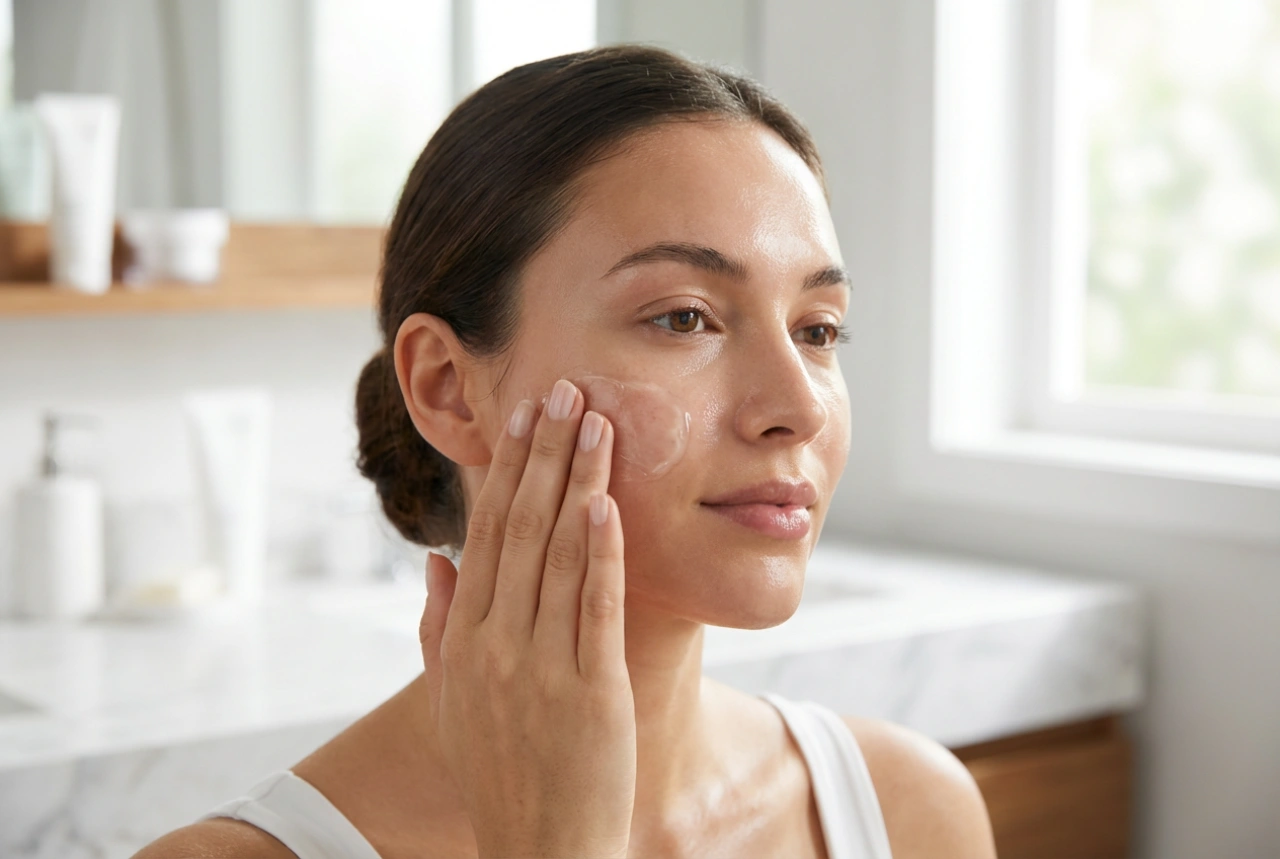
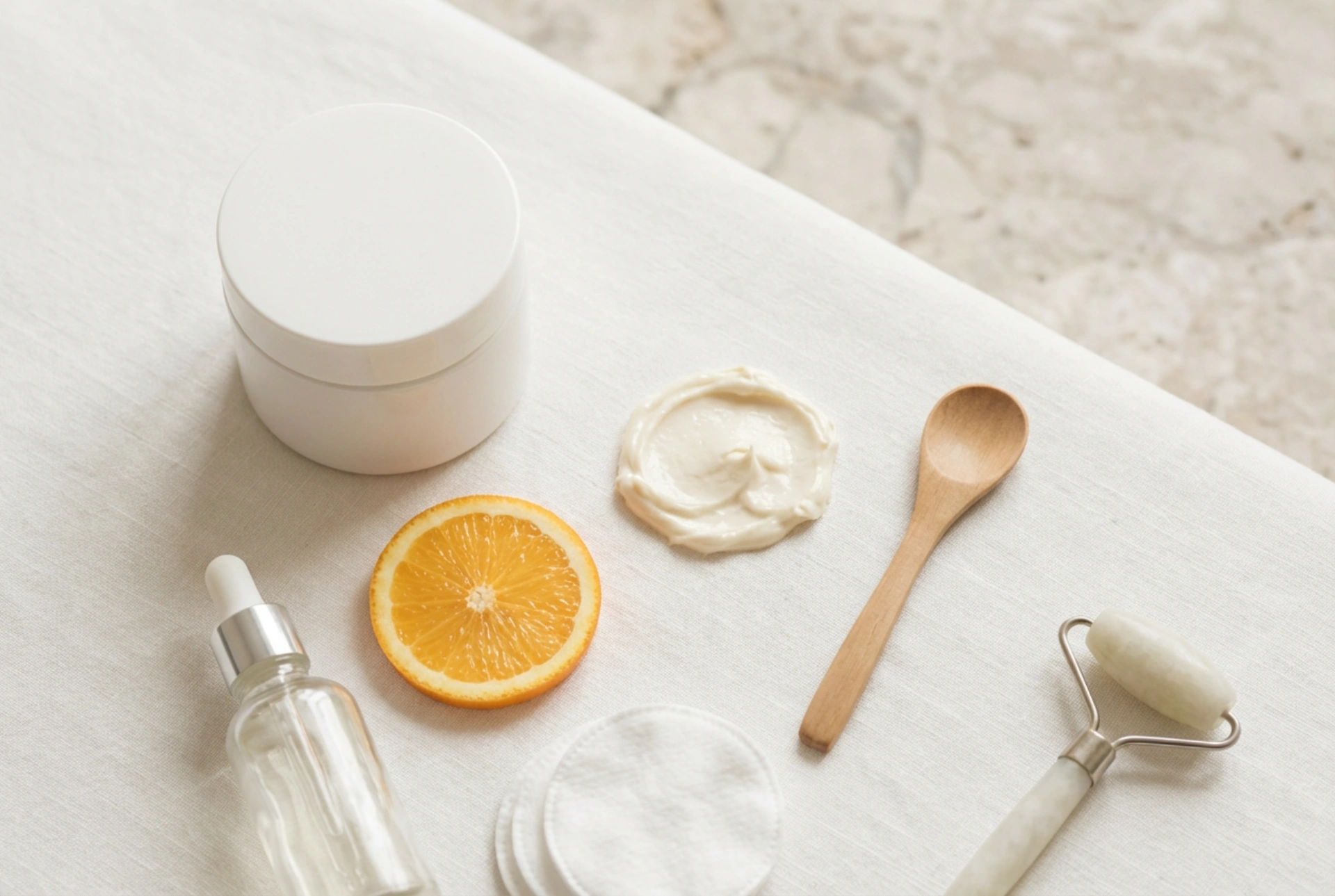
Using clean fingers or a dedicated mask brush, apply an even layer of the vitamin C mask over your entire face. Be careful to avoid the delicate areas around your eyes and lips. Don't apply the product too thickly; a consistent, opaque layer is sufficient.
Step 3: Respect the Timing
One of the most common mistakes is leaving a mask on for too long. Always adhere to the time recommended in the product's instructions, which is typically between 10 to 20 minutes. Leaving it on for longer won't increase the benefits and may lead to skin sensitivity or dryness.
Step 4: Gentle Removal
When the time is up, rinse the mask off thoroughly with lukewarm water. Avoid using hot water, as it can be stripping. You can use a soft washcloth to help remove any residue, but be gentle and avoid scrubbing your skin. Once the mask is completely removed, gently pat your skin dry.
Combining a Vitamin C Mask with Other Skincare Ingredients
Strategic layering is key to a successful skincare routine. A vitamin C mask can work in synergy with some ingredients but may be too potent when combined with others in the same session.
Excellent Pairings
- Hyaluronic Acid: This is a classic combination. After removing your vitamin C mask, applying a hyaluronic acid serum will deeply hydrate the skin, helping to lock in moisture and give it a plump, supple feel.
- Niacinamide: Niacinamide helps to support the skin barrier and improve texture. You can use a niacinamide serum before applying your vitamin C mask or use them on alternate days to enjoy the benefits of both without overwhelming your skin.
- Sunscreen: This is non-negotiable. Vitamin C provides antioxidant protection against UV damage, but it also makes your skin more sensitive to the sun. Always apply a broad-spectrum sunscreen with high SPF in the morning after any vitamin C treatment.
Combinations to Approach with Caution
- Retinoids: Both vitamin C and retinoids are powerful active ingredients. Using them together in the same routine can increase the risk of irritation and sensitivity. A safe approach is to use your vitamin C mask in the morning and apply your retinoid product at night.
- AHA/BHA Acids: Similar to retinoids, combining vitamin C with exfoliating acids like glycolic, lactic, or salicylic acid can lead to over-exfoliation and a compromised skin barrier. It is best to use them on different days. For example, use an exfoliating acid one evening and your vitamin C mask another day of the week.
By understanding how to properly use and pair a vitamin C mask, you can effectively boost your skin's glow and work towards a healthier, more radiant complexion. Always listen to your skin, perform a patch test when trying new products, and enjoy the revitalising ritual of a targeted face mask.