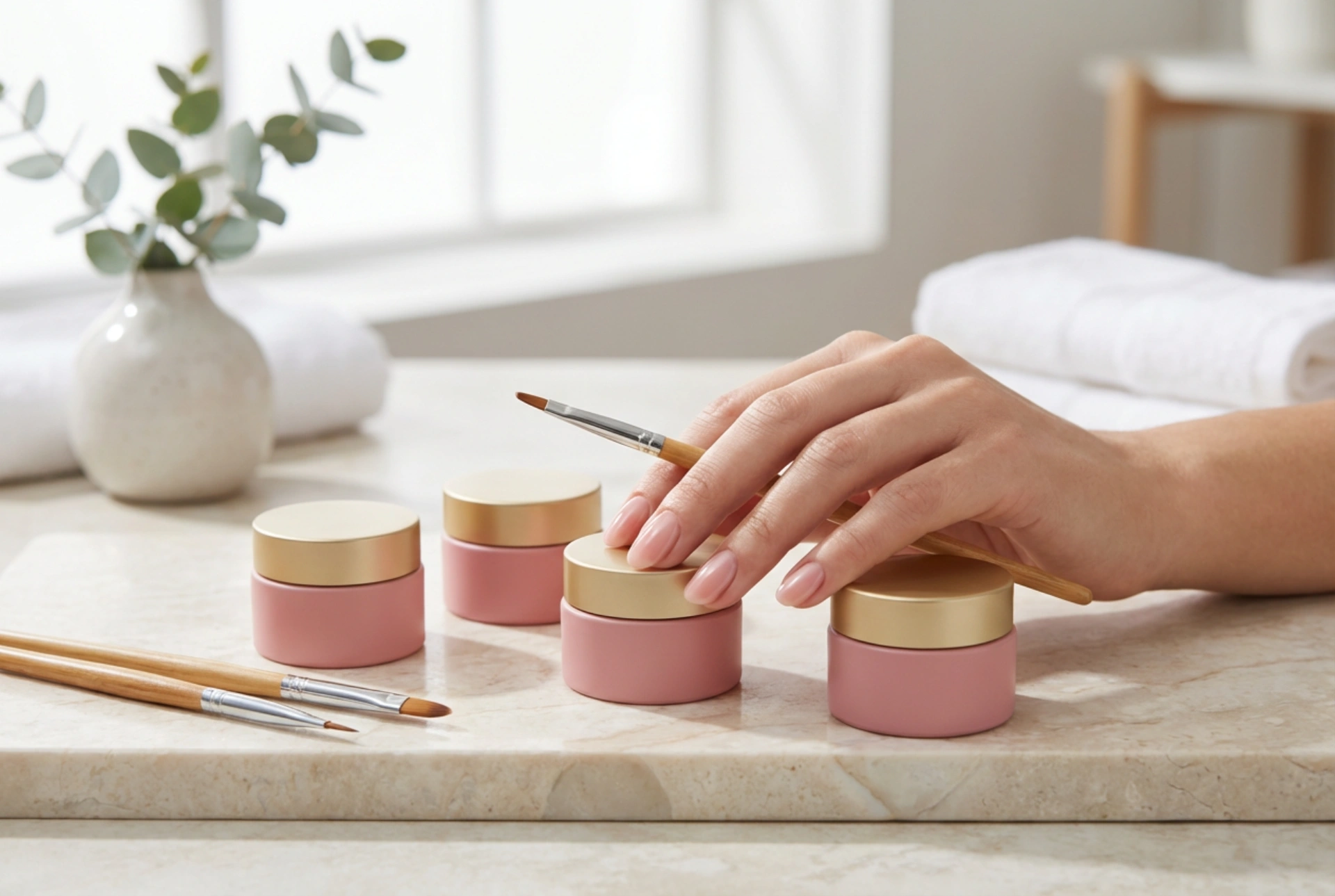


Pink gel nails are the epitome of timeless elegance and versatility. Whether you prefer a subtle, natural enhancement or a bold, vibrant statement, pink gel provides a durable, glossy finish that looks professionally done. It’s a classic choice that complements any style or occasion, offering a flawless manicure that lasts for weeks. This guide will walk you through everything you need to know about working with pink nail gel, from understanding its different forms to mastering the application process for a perfect result.
The Enduring Appeal of Pink Gel Nails
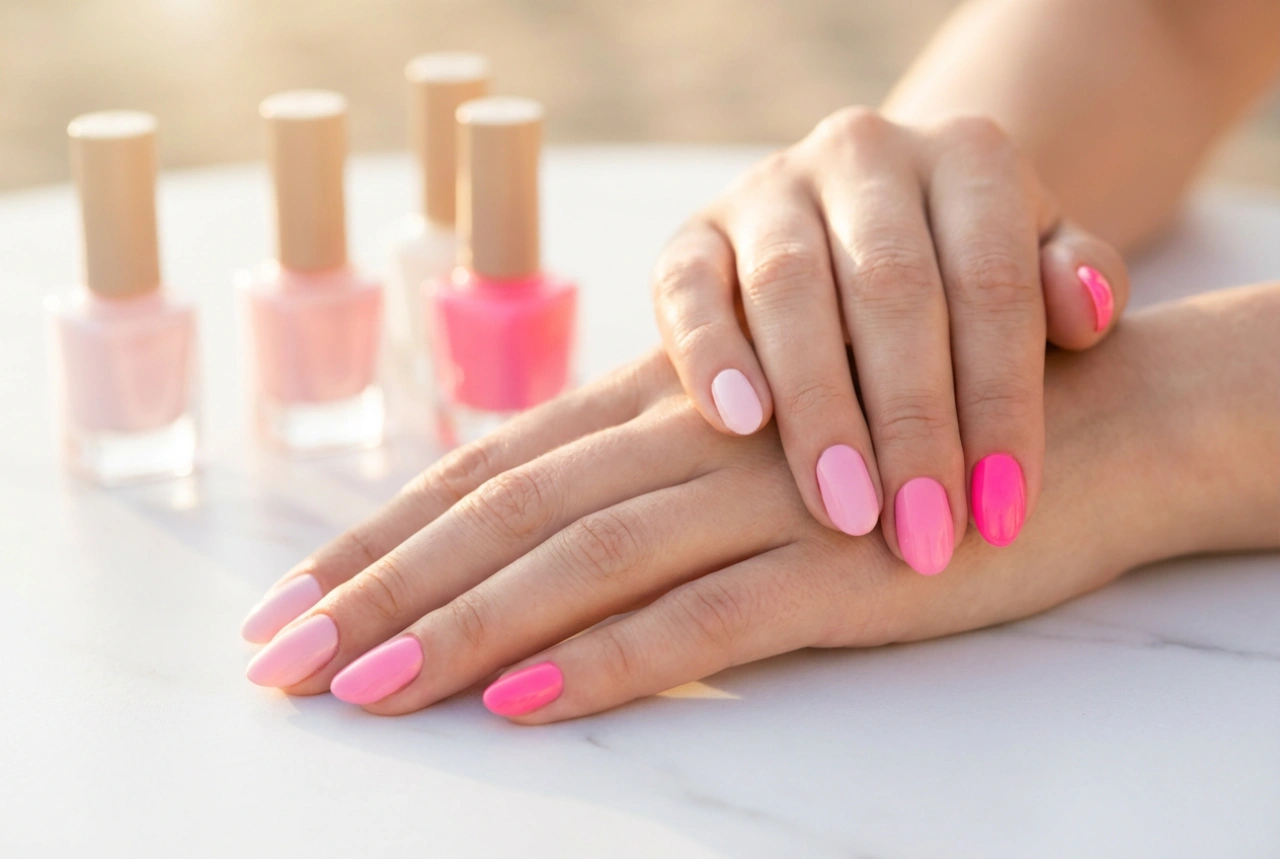
Why does pink remain a constant favourite in the world of nail aesthetics? Its universal appeal lies in its vast spectrum of shades. From the softest, barely-there blush that mimics a healthy natural nail to vibrant fuchsias that command attention, there is a pink for every skin tone, mood, and season. Pink gels can create a clean, polished look for a professional setting, a romantic feel for special occasions, or a fun, playful vibe for everyday wear. This versatility makes it an essential colour in any gel nail collection.
Understanding Different Types of Pink Gel
To achieve your desired look, it’s important to know the different types of pink gel and their specific functions. Each plays a distinct role in the sculpting and colouring process.
Builder Gels
Builder gels are the foundation for creating strength, structure, and length. They typically have a thicker viscosity, which allows you to 'build' an apex (the highest point of the nail) for durability and a graceful C-curve. Pink builder gels are available in various opacities, from transparent pink to opaque cover shades. They are essential for extending the natural nail using nail forms or tips.
Cover Gels
Cover pink gels are highly opaque builder gels designed to camouflage any imperfections on the natural nail bed, such as discolouration or unevenness. They create a uniform, flawless canvas. These gels are often in natural-looking pink and nude tones, making them perfect for creating a classic French manicure base or a simple, elegant 'your nails but better' look.
Colour Gels
These are the gels used purely for their pigment. After the nail has been structured with a builder gel, thin layers of pink colour gel are applied to achieve the desired shade. They come in an endless variety of pinks—from pastel to neon—and different finishes like crème, shimmer, or glitter. They are typically thinner in consistency than builder gels.
A Guide to Pink Gel Coverage Levels
The final look of your manicure is heavily influenced by the gel's opacity or coverage. Understanding these levels will help you choose the right product for your intended style.
- Transparent/Sheer Pink: This type of gel provides a subtle wash of colour and a high-gloss shine. It enhances the natural beauty of the nail without completely concealing it. It's ideal for a very natural, clean, and healthy-looking finish.
- Semi-Opaque/Milky Pink: Offering more coverage than a sheer gel, a semi-opaque or 'milky' pink provides a soft, delicate veil of colour. It partially obscures the natural nail, creating the popular and sophisticated 'milky nails' effect that looks modern and chic.
- Full Coverage/Opaque Pink: This gel completely conceals the natural nail plate with solid colour. It is perfect for creating a bold statement, for use in nail art, or when you want a perfectly uniform and vibrant pink manicure. Cover gels fall into this category.
Step-by-Step Guide to Sculpting with Pink Gel
Achieving a salon-quality gel manicure at home requires patience and a systematic approach. Follow these steps for a durable and beautifully sculpted result.
Step 1: Meticulous Nail Preparation
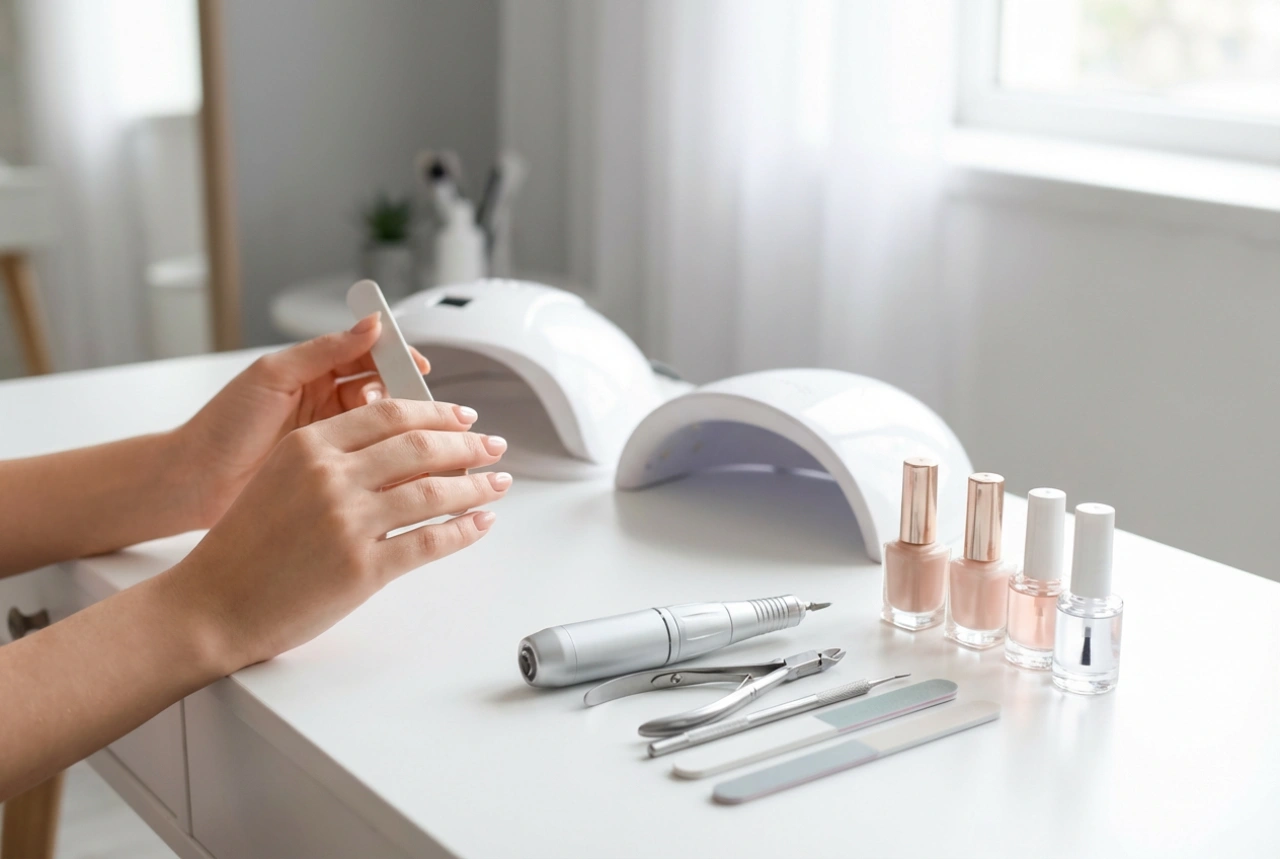
Proper preparation is the key to longevity. Begin by gently pushing back your cuticles and removing any non-living tissue from the nail plate. Shape your natural nails with a file. Next, lightly buff the entire surface of the nail with a soft buffer to remove the shine. This creates a surface the gel can adhere to. Finally, cleanse the nail with a lint-free wipe soaked in a nail prep solution to dehydrate and remove any oils or dust. Apply a thin layer of primer or bonder as instructed by the product's guidelines.
Step 2: Applying the Base
Apply a very thin layer of a dedicated base gel over the entire nail, making sure to 'cap' the free edge. Be careful not to let the gel touch your skin or cuticles. Cure the base coat under a UV/LED lamp according to the manufacturer's instructions, which is typically 30-60 seconds.
Step 3: Building the Structure
Using your chosen pink builder gel, pick up a small bead of product with your brush. Place it in the centre of the nail, slightly away from the cuticle. Gently 'float' the gel over the nail, guiding it towards the tip and sidewalls to create a smooth, even layer with a slight curve (the apex) for strength. If you are extending the nail, you would apply the gel over a nail form at this stage. Avoid flooding the cuticle area. Turn your hand upside down for a few seconds to allow gravity to help centralise the gel and perfect the apex. Cure thoroughly under the lamp.
Step 4: Shaping and Refining
After the builder gel is fully cured, it will have a sticky (inhibition) layer. Wipe this off with a gel cleanser or isopropyl alcohol. Now, you can file and shape the nail to perfection. Use a 180-grit file to refine the length and shape, and then a buffer to smooth the entire surface until it is perfectly even. Remove all dust with a brush and a final wipe with cleanser.
Step 5: Colour and Top Coat Application
If you used a clear or sheer builder gel and want more colour, apply one or two thin coats of your chosen pink colour gel, curing each layer separately. If you are happy with the colour of your cover pink builder gel, you can skip this. To finish, apply a thin layer of a no-wipe top coat, again capping the free edge to seal the manicure. Cure for the final time. Once cured, your nails will be glossy, hard, and ready to go. To finish, apply a little cuticle oil to nourish the skin around your nails.