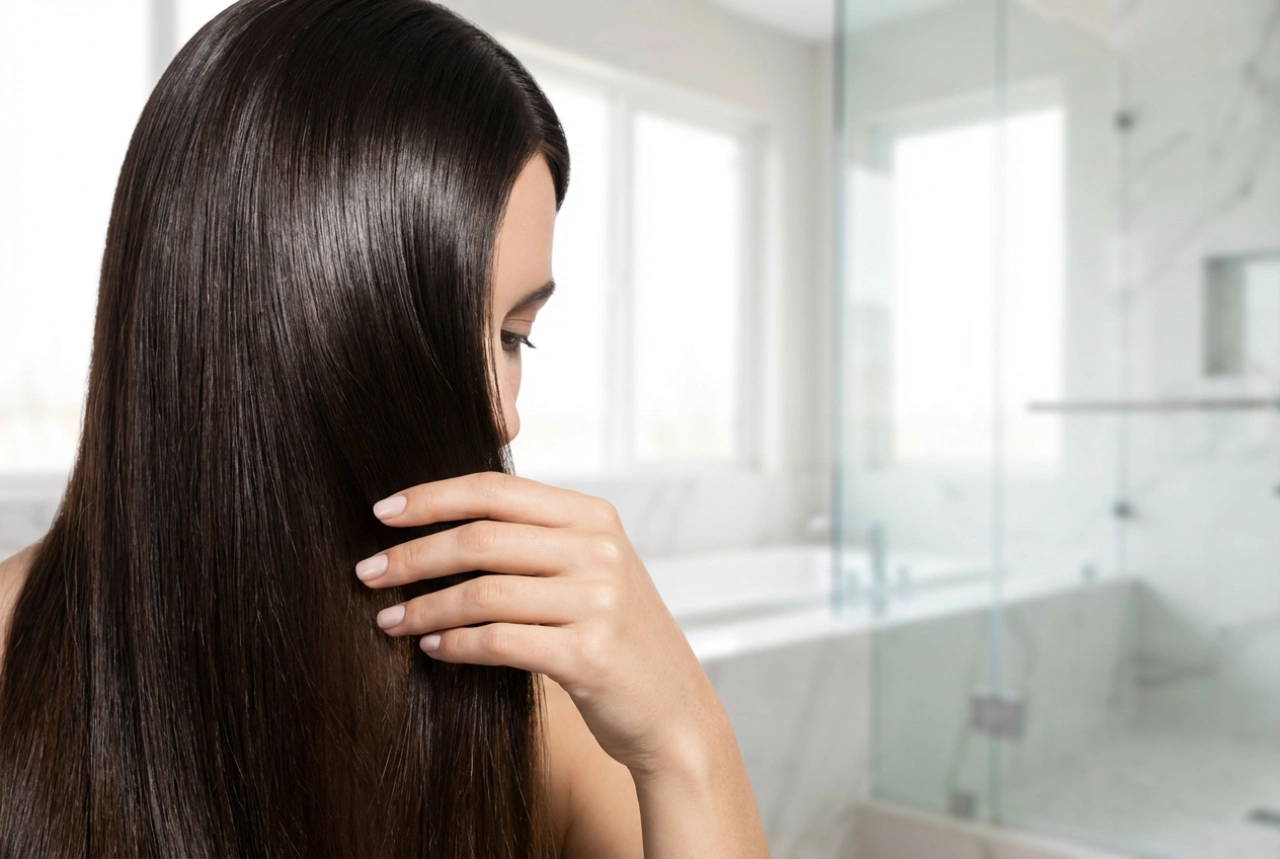


The desire for sleek, smooth, and perfectly straight hair often leads us to seek professional styling. However, with the right tools and techniques, it's entirely possible to replicate those stunning salon results in the comfort of your own home. Using a professional-grade hair straightener can transform your styling routine, providing a flawless finish while prioritising the health of your hair. Understanding how to choose and use these tools correctly is the key to unlocking their full potential.
What Defines a 'Professional' Straightener?
Not all heat styling tools are created equal. Professional-quality straighteners typically possess features designed for superior performance, durability, and hair protection. Knowing what to look for can help you make an informed choice for your hair type and needs.
Plate Materials and Their Benefits
The surface that comes into contact with your hair is crucial. Ceramic plates are a popular choice as they heat up evenly and glide smoothly, reducing the risk of hot spots and snagging. Titanium plates heat up very quickly and maintain a consistent high temperature, making them ideal for thicker, coarser hair. Tourmaline-coated plates are another excellent option; they emit negative ions when heated, which help to combat frizz and seal the hair cuticle for a shinier, smoother finish.
The Importance of Adjustable Temperature
One of the most significant features of a professional straightener is variable heat settings. A single high-heat setting is not suitable for all hair types. The ability to adjust the temperature allows you to customise the heat level to your hair's specific texture and condition, which is vital for preventing unnecessary damage. Fine or colour-treated hair requires a lower temperature, while thick or coarse hair may need more heat to be styled effectively.
Advanced Features for Hair Health
Many advanced straighteners incorporate features like 'floating plates'. These plates have a slight give and adjust to the pressure you apply, ensuring even contact with the hair section and preventing pulling. Ionic technology is another beneficial feature, as it helps to neutralise static electricity, resulting in less frizz and more manageable hair.
Preparing Your Hair for Heat Styling
Proper preparation is a non-negotiable step for protecting your hair from heat damage and achieving the best possible results. Skipping this stage can lead to dryness, brittleness, and breakage over time.
- Start with Dry Hair: Never use a straightener on damp or wet hair. This can boil the water within the hair shaft, causing severe and irreversible damage. Ensure your hair is 100% dry before you begin.
- Apply a Heat Protectant: This is your hair's primary defence against heat. A good heat protectant creates a barrier between the tool and your strands, sealing in moisture and minimising damage. Spray it liberally and evenly from roots to ends.
- Detangle Thoroughly: Brush or comb your hair to remove all knots and tangles. Straightening tangled hair can cause snagging and breakage, and it also prevents the heat from being distributed evenly.
- Section Your Hair: Dividing your hair into manageable sections using clips will make the process more efficient and effective. Working with smaller sections ensures that every strand is straightened properly from the first pass.
The Correct Straightening Technique for Flawless Results
Your technique is just as important as the tool you use. A methodical approach ensures a uniform, sleek finish that lasts, all while being gentle on your hair.
Choosing the Right Temperature
As a general guide, start with a lower temperature and only increase it if necessary. For fine, fragile, or chemically treated hair, a setting between 150°C and 175°C is usually sufficient. Normal, healthy hair can typically be straightened effectively between 175°C and 200°C. For very thick, coarse, or resistant hair, you might need a temperature between 200°C and 230°C, but always use the lowest effective heat setting.
Mastering the Single-Pass Method
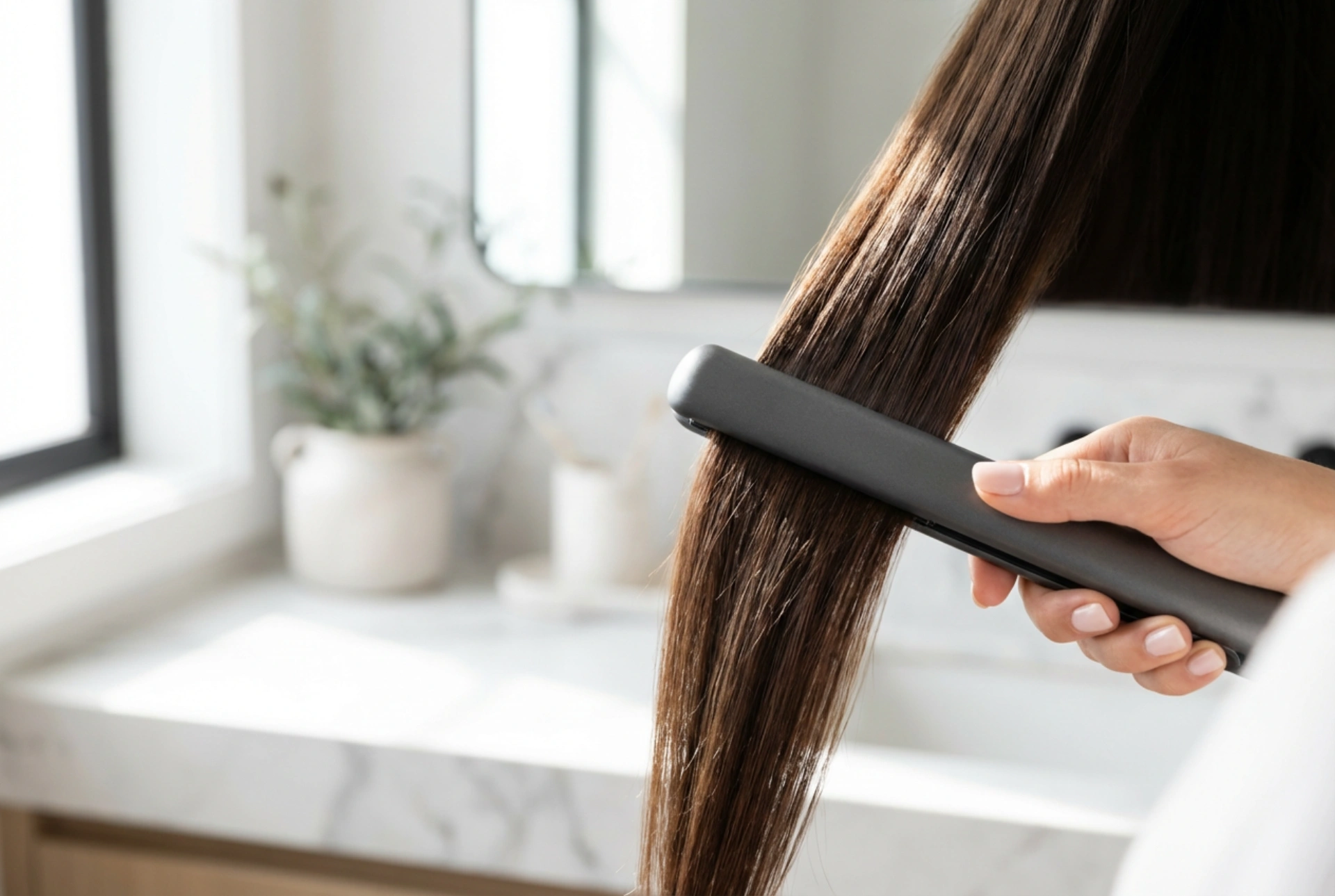
It's a common misconception that multiple quick passes are effective. In reality, it's better for your hair to use one slow, steady pass per section. Clamp the straightener near the root and glide it down the hair shaft to the ends at a consistent pace. This method applies heat evenly and effectively, reducing your hair's overall exposure to high temperatures.
Aftercare and Maintaining Your Sleek Style
Once your hair is perfectly straight, a few final touches can enhance the look and help it last longer. Proper aftercare also contributes to long-term hair health.
- Use a Finishing Product: A small amount of a lightweight anti-frizz serum or a drop of hair oil can add brilliant shine, tame any remaining flyaways, and seal the cuticle. Apply it mainly to the mid-lengths and ends.
- Protect Your Style: To maintain your straight hair for as long as possible, try to avoid moisture and humidity, which can cause it to revert to its natural texture. Using a silk or satin pillowcase can also reduce friction and prevent frizz overnight.
- Incorporate Regular Treatments: Since heat styling can be drying over time, it's important to replenish moisture. Use a hydrating hair mask or deep conditioning treatment once a week to keep your strands strong, soft, and resilient.